




- At the clinic's price without markups
- with full doctor support
When a person faces the question of cancer treatment, finances become one of the most important concerns. People want to understand the real cost of treatment, whether they can afford it, and where they can receive the highest quality care without overpaying.
Turkey has long become one of the most reasonable options in this regard. The country is actively developing medical tourism: in 2025, around 1.5 million international patients came to Turkey for treatment, and oncology remains one of the most востребованных specialties (Health Istanbul). In leading clinics, breast cancer treatment success rates reach 85–86% five-year survival, while bone marrow transplantation success rates in top centers range from 80 to 92% (WMedTour).
In this article, we have collected updated 2026 prices so you can better understand the approximate costs and what exactly influences the final price.
You do not need to spend weeks searching, comparing clinics, and verifying doctors. At Experts Medical, we have already done this work for you. Since 2016, we have been helping patients choose the clinics and specialists that best match their specific diagnosis and organize treatment in the calmest and most effective way possible.
Why Turkey Is One of the Best Choices for Cancer Treatment
We often hear from patients and their families: “We want truly modern and effective treatment, but without enormous expenses and unnecessary stress.” This is exactly why many people choose Turkey.
Turkish oncology centers offer high European-level quality at a significantly more affordable price. Most leading hospitals hold international JCI accreditation, and some also have ESMO accreditation. These are reliable indicators of compliance with the strictest global medical standards.
For example, Anadolu Medical Center successfully performs surgeries using the Da Vinci robotic system, which allows complex procedures to be carried out with minimal trauma, reduced blood loss, and faster recovery. One of the specialists working there is Professor Bülent Karagöz — an oncologist with 32 years of experience who completed training at Johns Hopkins University. High-level specialists like this are common in Turkey’s leading cancer centers.
Convenience and Patient Support
Istanbul is located between Europe and Asia, making it highly convenient for patients from many different countries. Direct flights, simplified visa rules for most CIS countries, and well-developed infrastructure make traveling for treatment much easier.
Turkish clinics provide comfortable conditions for international patients:
- Most doctors speak fluent English;
- Professional medical interpreters are always available for Russian-speaking patients;
- Each patient is assigned a personal coordinator who helps resolve all issues throughout the entire treatment process.
Modern Technologies
Turkish oncology centers are equipped with advanced technologies: tomotherapy, CyberKnife, stereotactic radiosurgery, latest-generation linear accelerators, and many other innovative systems are actively used in daily clinical practice.
People often come to Turkey for cancer treatment feeling anxious and frightened, but leave with hope and renewed confidence in the future. This is what patients mention most often.
What Types of Cancer Are Most Commonly Treated in Turkey?
Patients come to Turkish clinics with almost every type of cancer — from the most common malignancies to rare and highly complex cases.
International patients especially often travel to Turkey for treatment of:
- Brain tumors (including highly complex cases). Surgical removal is performed, for example, by Professor Memet Özek at Acıbadem, while Gamma Knife treatment is carried out by Professor Türker Kılıç at Medical Park.
- Acute leukemias in children and adults, including bone marrow transplantation. One of the leading specialists is Professor Mehmet Akif Yeşilipek.
- Nephroblastoma (Wilms tumor) in children. Professor Funda Vesile Çorapçıoğlu at Acıbadem successfully uses immunotherapy according to American protocols.
Turkey treats breast cancer, lung cancer, colorectal cancer, stomach cancer, prostate cancer, ovarian cancer, uterine cancer, lymphoma, melanoma, and many other malignancies. Patients also come with stage IV and inoperable cases — doctors review every request individually and offer realistic treatment options.
Cancer Treatment Success Statistics in Turkey
We always tell patients that statistics matter, but they never tell the entire story. Treatment outcomes primarily depend on the type of cancer, disease stage, and how quickly and correctly therapy begins.
According to summarized data from the Turkish Ministry of Health, the average 5-year survival rate for oncology patients is approximately 65–70% (Daily Sabah, 2022). This is comparable to many European countries. At early stages, survival rates are significantly higher and often exceed 80% (Ministry of Health Turkey, 2022).
If we look at specific cancer types, the statistics are approximately as follows:
- Breast cancer — around 85% 5-year survival
- Cervical cancer — approximately 60%
- Ovarian cancer — 45–50% (strongly dependent on stage)
In leading oncology centers such as Anadolu, Acıbadem, Memorial, Koç University Hospital, and others that we cooperate with, results are often above average. This is explained by modern precision diagnostics, personalized treatment approaches, and the extensive experience of specialists.
The most important thing we want you to understand is this:
Treatment success in Turkey, just like in any other country, is primarily determined by early diagnosis and a properly designed treatment strategy from the very beginning. That is exactly why we carefully help every patient choose the physician and clinic that best match their specific diagnosis.
How Much Does Cancer Treatment Cost in Turkey?
Cost is usually the first question patients ask. The price of cancer treatment in Turkey varies significantly depending on the cancer type, disease stage, and selected treatment methods.
However, the general trend is clear: Turkish treatment costs are typically 50–70% lower than in the United States and considerably more affordable than in many European countries.
| Treatment Type | Turkey (USD) | USA (USD) | United Kingdom (USD) |
|---|---|---|---|
| Chemotherapy (per cycle) | $2,000 – $5,000 | $10,000 – $30,000 | $8,000 – $25,000 |
| Radiation Therapy (full course) | $6,000 – $13,000 | $15,000 – $50,000 | $12,000 – $40,000 |
| Breast Cancer Surgery | $7,000 – $15,000 | $20,000 – $50,000 | $15,000 – $35,000 |
| Prostate Cancer Surgery | $7,000 – $15,000 | $25,000 – $60,000 | $18,000 – $45,000 |
| Tomotherapy | $12,000+ | $40,000+ | $30,000+ |
These figures provide a general overview. The final cost depends on many factors, including the clinic’s reputation, physician qualifications, and overall treatment duration.
Factors That Influence the Cost
The type of cancer is the main pricing factor. Brain cancer treatment, for example, is generally much more expensive than treatment for certain forms of skin cancer.
The disease stage also plays a major role. Early-stage cancers usually require less aggressive treatment, which lowers the total cost.
The choice of clinic and physician matters as well. Well-known professors and internationally recognized hospitals typically charge higher fees.
Treatment duration is another important consideration. Some chemotherapy protocols require multiple treatment cycles over several months.
Costs by Cancer Type
Different cancers require different treatment approaches. Here is what patients should know about the approximate costs of treating the most common cancer types.
Breast Cancer
Breast cancer is one of the most common cancers among women. Treatment usually includes surgery, chemotherapy, radiation therapy, and sometimes hormone therapy.
The cost of breast tumor surgery in Turkey ranges from $9,000 to $25,000. In comparison, the same procedure in the United States may cost between $20,000 and $50,000.
Chemotherapy adds approximately $2,000–$5,000 per cycle, and multiple cycles are often required.
Radiation therapy typically costs around $3,000–$4,500 for a full course.
Prostate Cancer
Prostate cancer treatment ranges from active surveillance to radical prostatectomy. The average cost of surgical treatment in Turkey is approximately $7,000–$15,000.
Radical prostatectomy can also be performed using the Da Vinci robotic system, which offers less traumatic surgery and faster recovery.
Hormone therapy and chemotherapy may be added depending on the patient’s condition, increasing the overall cost.
Lung Cancer
Lung cancer often requires a combined treatment approach. Chemotherapy for lung cancer in Turkey starts from approximately $1,000 per cycle.
Tomotherapy — an advanced form of radiation therapy — costs from $12,000 for a full course. In comparison, similar treatment may cost around $18,000 in the Czech Republic and approximately $15,000 in Poland.
Stereotactic radiosurgery is available starting from approximately $6,000.
Brain Cancer
Treatment of brain tumors is one of the most complex and expensive areas of oncology. The cost of brain tumor surgery in Turkey ranges from $15,000 to $29,000.
This wide price range depends on tumor location, size, and surgical complexity. Clinics in Istanbul, Ankara, Antalya, and Izmir generally offer comparable pricing.
After surgery, patients usually require radiation therapy or chemotherapy, which increases the total treatment cost.
| Cancer Type | Main Treatment | Cost in Turkey (USD) |
|---|---|---|
| Breast Cancer | Surgery + Chemotherapy | $9,000 – $25,000 |
| Prostate Cancer | Prostatectomy | $7,000 – $15,000 |
| Lung Cancer | Chemotherapy + Radiation | $7,000 – $20,000 |
| Brain Cancer | Neurosurgery | $15,000 – $29,000 |
| Colorectal Cancer | Surgery + Chemotherapy | $7,000 – $18,000 |
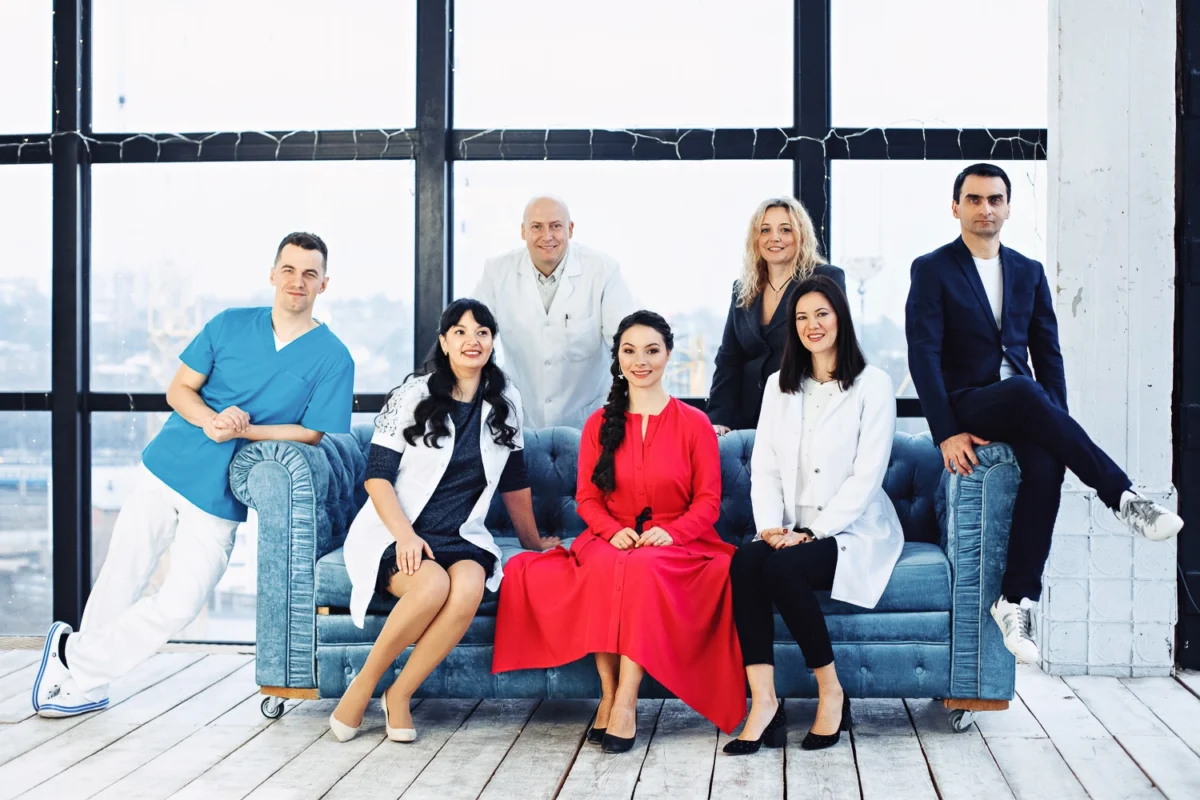
Experts Medical – Supporting Patients During Cancer Treatment in Turkey
Cancer treatment abroad is almost always connected not only with medical decisions, but also with a large number of organizational challenges. Patients need to choose a clinic, understand which treatment methods truly fit their situation, evaluate costs, and avoid getting lost in the overwhelming amount of information available. Turkey offers many options, and without a clear structure, the process can quickly become overwhelming.
At Experts Medical, we focus specifically on simplifying this part of the journey. We work with oncology-focused clinics and physicians and help patients build a clear and understandable treatment pathway. For us, it is not about offering a single “correct” option, but about helping patients see the full picture — what approaches exist, how they differ, and what each option would realistically look like in their specific case. This is especially important in the context of cancer treatment in Turkey, where protocols, pricing, and timelines may vary significantly.
How We Organize the Process
Our goal is to remove most of the organizational burden so patients can focus on treatment itself. The process usually includes:
- Collecting and analyzing medical records
- Selecting specialized oncology clinics and physicians
- Obtaining preliminary treatment plans and cost estimates
- Explaining available treatment methods and their differences
- Organizing travel, accommodation, and transfers
- Providing on-site support and communication assistance
This approach helps reduce uncertainty and gives patients a clearer understanding of what is happening at every stage.
What Really Matters
When choosing cancer treatment abroad, price is often the starting point — but it should never be the only factor. Yes, Turkey offers more affordable options while maintaining a modern level of technology and medical infrastructure, but the final outcome always depends on the specific clinic, physician, and chosen treatment strategy.
We try to organize the process in a way that gives patients enough information and time to make a thoughtful, well-balanced decision. Without pressure and without rushing. In oncology, this is especially important, because the question is not only about cost or timing, but about whether the selected treatment approach is truly the right fit for your specific situation.
If you are considering cancer treatment in Turkey and want to understand what options may be available in your case, contact us. We will help review your situation and explain what the entire process may look like step by step.
How Is Accurate Cancer Diagnosis Performed in Turkey?
When someone hears the word “cancer,” one of the biggest fears is a diagnostic mistake. In Turkish oncology clinics, this fear is significantly reduced thanks to highly advanced diagnostic systems.
Modern cancer diagnostics include three key stages: visualization of the tumor and metastases, biopsy, and molecular-genetic analysis of malignant cells. Turkish oncology centers are equipped with technology comparable to leading European and American university hospitals.
For accurate tumor imaging, clinics commonly use:
- Computed tomography (CT), including digital mammography with 3D tomosynthesis — capable of detecting tumors only a few millimeters in size.
- 3-Tesla MRI systems — providing extremely detailed imaging of tumors and metastases.
- PET-CT and PET-MRI — hybrid imaging studies that show not only the tumor location but also its metabolic activity.
- Modern endoscopic systems for examining the stomach, intestines, bladder, bronchi, and uterus.
Biopsies are performed under MRI or ultrasound guidance using minimally invasive techniques with very high precision. For example, fusion biopsy of the prostate is considered one of the most accurate diagnostic methods worldwide.
Laboratories perform histological, molecular-genetic, and immunological analyses of tumor cells. This comprehensive approach dramatically reduces the risk of diagnostic errors and helps physicians develop truly personalized and effective treatment plans.
How Is Cancer Treated in Turkey?
In Turkey, cancer treatment is always based on teamwork and an individualized approach.
Treatment takes place in large multidisciplinary hospitals led by internationally recognized oncology specialists with extensive clinical experience. For every patient, a multidisciplinary tumor board is assembled, bringing together surgical oncologists, medical oncologists, radiologists, pathologists, and other specialized experts.
Together, they evaluate all aspects of the disease, the patient’s age and overall health, recurrence risks, and prognosis before creating a personalized treatment protocol.
Turkish oncology centers successfully use:
- Minimally invasive and organ-preserving surgeries, including robot-assisted procedures;
- Modern chemotherapy using the latest-generation drugs;
- Targeted therapy aimed directly at molecular tumor markers;
- Immunotherapy;
- High-dose chemotherapy followed by bone marrow transplantation.
International patients have access to both standard and highly advanced treatment options. Most importantly, therapy is selected specifically for the individual patient rather than following a generic template.
What Advanced Cancer Treatment Technologies Are Used in Turkey?
Turkish oncology centers actively implement the latest global medical technologies while keeping treatment financially accessible for patients from different countries.
Among the most advanced treatment methods:
- CAR-T cell therapy at Acıbadem — an innovative immunotherapy option for patients with leukemia and lymphoma who did not respond to standard protocols. Remission rates are comparable to leading clinics in Israel and the United States: up to 90% in refractory B-cell acute lymphoblastic leukemia in children and approximately 70% in adults.
- Da Vinci robotic surgery — used for prostate, cervical, colorectal, and other cancer surgeries, offering minimal tissue trauma and faster recovery.
- High-precision radiation therapy using MR-LINAC and TrueBeam STx systems.
- Radiosurgery using CyberKnife and ELEKTA VERSA-HD systems — delivering radiation with submillimeter precision.
- Radionuclide therapy (Lutetium Lu-177 and Actinium Ac-225) — an advanced treatment particularly effective for prostate cancer, available at Anadolu Medical Center.
All of these technologies are accessible to international patients and are typically significantly more affordable than similar treatments in Germany, Israel, or the United States.
How Cancer Treatment in Turkey Usually Works
We understand how important it is for patients to know in advance what the treatment journey will look like. Having a clear understanding of the process helps reduce anxiety and makes both emotional and practical preparation easier.
Here is how the treatment pathway is usually organized in Turkish clinics:
1. Initial Online Consultation
Most leading clinics offer remote consultations. Patients send available medical records, laboratory results, CT, MRI, PET scans, and pathology reports.
Doctors carefully review the medical history and usually provide a preliminary opinion, possible treatment options, and an estimated cost within 2–5 working days. At this stage, patients already gain an understanding of which treatment strategy may be most effective in their case.
2. On-Site Diagnostics
After arriving in Turkey, patients undergo additional diagnostic evaluation. Even if previous test results are available, Turkish specialists often recommend repeating or expanding certain examinations to obtain the most accurate and up-to-date understanding of the disease.
The diagnostic phase typically takes between 3 and 7 days.
3. Development of a Personalized Treatment Plan
Once all diagnostic information is collected, the multidisciplinary tumor board reviews the case. Doctors create an individualized treatment protocol that may include surgery, chemotherapy, targeted therapy, immunotherapy, radiation therapy, or a combination of approaches.
All treatment options are discussed in detail with the patient and their family. Physicians explain the benefits, possible risks, and expected outcomes in clear and understandable language.
4. Treatment and Recovery
The length of treatment depends on the cancer type, stage, and selected protocol.
- Surgical treatment usually requires a stay of approximately 10–15 days, including hospitalization and early recovery.
- Radiation therapy courses typically last between 2 and 6 weeks.
- Chemotherapy and immunotherapy may continue for several months.
An important point: patients often spend several months completing their overall treatment plan in Turkey. However, they usually do not need to remain in the country continuously. Many patients travel to Turkey for diagnostics and surgery, return home between chemotherapy cycles, and later come back for follow-up examinations and subsequent treatment stages. A personal coordinator helps organize the schedule as comfortably as possible.
We always try to structure the process in a way that makes treatment both effective and as manageable as possible for patients and their families.
Additional Expenses During Cancer Treatment in Turkey
We always strive to be completely honest and transparent with patients. The main medical expenses — including surgery, chemotherapy, radiation therapy, and diagnostic procedures — are paid directly to the clinic. Patients do not pay anything for Experts Medical services because we work as official representatives of partner hospitals.
However, as with any medical trip abroad, there are additional expenses that patients should consider. These usually include:
Main Additional Expenses:
- Flights for the patient and accompanying family member
- Accommodation near the clinic (typically from $40–80 USD per night for a comfortable room or apartment)
- Food and daily living expenses
- Airport and local transportation
- Medical interpreter services (if needed)
- Medications prescribed after discharge
- Follow-up examinations and consultations between treatment cycles
Estimated Additional Costs (per person):
- Accommodation + meals: approximately $800–1500 USD per month
- Round-trip flights: approximately $300–700 USD depending on departure location
- Local transportation and personal expenses: approximately $300–600 USD per month
Important to know:
Overall additional expenses in Turkey are significantly lower than in Israel, Germany, or the United States. Many patients note that living in Istanbul or Ankara is relatively comfortable and affordable.
At Experts Medical, we help reduce these costs by:
- Finding convenient and affordable accommodation near the clinic
- Organizing transfers at reasonable prices
- Reviewing clinic invoices to help avoid unnecessary expenses
- Helping patients organize treatment schedules so they can return home between treatment cycles whenever possible
Before treatment begins, your personal coordinator will provide a detailed financial estimate that includes both the primary medical expenses and expected additional costs. This helps patients clearly understand what to expect financially.
If you have budget limitations, it is important to mention them openly. We will help find the most appropriate treatment option and organize expenses in the most manageable way possible for your family.
Best Oncology Clinics and Doctors in Turkey
When choosing cancer treatment abroad, patients and their families primarily look for reliability, high medical expertise, and an individualized approach. Turkey is rightfully considered one of the global leaders in medical tourism thanks to its modern internationally accredited hospitals, advanced technologies, and highly experienced specialists recognized worldwide.
Below, we have gathered some of the leading oncology centers in Turkey trusted by thousands of international patients. For each clinic, we highlight its strongest specialties, key doctors, and the factors that help patients make a confident and informed decision.

Anadolu Medical Center
When patients are looking for truly high international standards of treatment in comfortable conditions, Anadolu Medical Center is often among the first choices. The hospital has an outstanding reputation and has been helping international patients successfully manage even complex cancer diagnoses for many years.
The clinic holds JCI accreditation (received seven consecutive times), ESMO Designated Centre status, and OECI accreditation. It operates according to the protocols of Johns Hopkins Medicine (USA), combining American standards with Turkish hospitality and more affordable pricing.
Main Areas of Treatment
- Solid tumors of all types, including rare cancers — NGS molecular profiling, tumor boards, personalized targeted therapy, and immunotherapy.
- Hematologic oncology and bone marrow transplantation — one of the strongest transplant centers in the region, with more than 3,000 successful transplants performed.
- Gynecologic oncology — robot-assisted surgery and organ-preserving techniques.
- Urologic oncology (prostate, kidney, bladder cancers) — highly precise Da Vinci robotic surgery focused on preserving quality of life.
- Thoracic oncology (lung and esophageal cancer) — minimally invasive and robotic procedures.
- Radiation oncology — advanced technologies including CyberKnife M6, TrueBeam, and MR-guided adaptive radiotherapy.
- Comprehensive cancer screening and check-up programs for early detection.
We especially recommend Anadolu Medical Center for patients who need:
- Bone marrow transplantation,
- Complex multimodal cancer treatment,
- Highly precise robotic surgery or radiosurgery,
- Treatment according to American protocols in comfortable conditions.
Leading Specialists

1. Prof. Dr. Banu Atalar — A world-class radiation oncologist and current President of the Turkish Society for Radiation Oncology. Expert in MR-guided adaptive radiotherapy for breast cancer, gynecologic cancers, and metastatic disease.
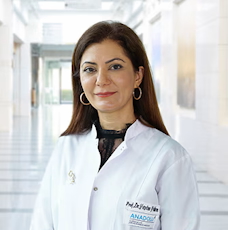
2. Prof. Dr. Yeşim Yıldırım — Medical oncologist specializing in breast cancer, immunotherapy, and targeted therapy. ESMO-certified physician with clinical experience in Israel and the United Kingdom.
3. Dr. Cem Yalçınkaya — Gynecologic oncologist and expert in robot-assisted surgery working according to Johns Hopkins protocols.
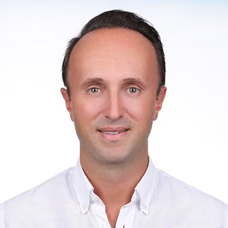
4. Prof. Dr. İlker Tinay — One of Turkey’s leading uro-oncologists with more than 900 robotic surgeries for prostate cancer.
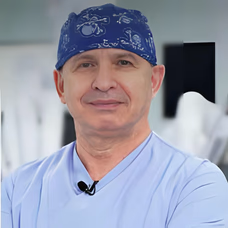
5. Prof. Dr. Altan Kır — Highly experienced thoracic surgeon and expert in robotic lung cancer surgery. Completed fellowships at Royal Brompton Hospital (London) and Memorial Sloan Kettering Cancer Center (USA).
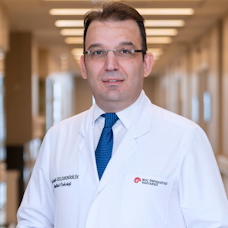
6. Prof. Fatih Selçukbiricik — Medical oncologist specializing in gastrointestinal cancers and immunotherapy.
Why Patients Choose Anadolu Medical Center
- Direct collaboration with Johns Hopkins Medicine
- Complete treatment process “under one roof” — from diagnosis to rehabilitation
- State-of-the-art equipment and strong multidisciplinary tumor boards
- Excellent international patient service, multilingual support, and warm patient-centered care
- Comfortable and environmentally clean location near Istanbul with convenient transportation access
Istanbul Oncology Hospital
Istanbul Oncology Hospital is a unique clinic in Turkey fully dedicated to cancer treatment. More than 70% of patients here are treated specifically for breast cancer. The hospital holds accreditation from Deutsche Krebs Gesellschaft (DKG), one of the strictest European oncology certifications, and is a member of the Breast Centres Network (ESO). The clinic follows a strict multidisciplinary approach with regular independent European quality audits.
Main Areas of Treatment
- Breast cancer — complete treatment cycle from early diagnosis and ductoscopy to organ-preserving surgery, reconstruction, and systemic therapy.
- Medical oncology — personalized breast cancer treatment according to modern international protocols.
- Breast surgical oncology — organ-preserving procedures, mastectomy, and reconstruction within a highly specialized oncology environment.
- Multidisciplinary tumor boards — weekly meetings with mandatory DKG-standard quality auditing.
We especially recommend Istanbul Oncology Hospital for patients who need:
- Highly specialized breast cancer treatment at any stage of the disease.
- Treatment in a clinic where the majority of cases are breast cancer patients.
- European quality auditing (DKG) and a strict multidisciplinary approach.
- Maximum concentration of expertise specifically in breast cancer treatment.
Leading Specialists
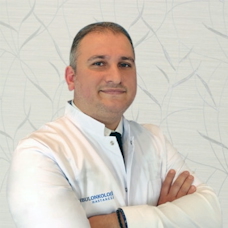
1. Assoc. Prof. Dr. Ekrem Ferlengiz — Breast surgical oncologist specializing in organ-preserving surgery and reconstruction after mastectomy. Patients highly value his calm communication style and detailed explanations that help reduce fear during difficult periods.
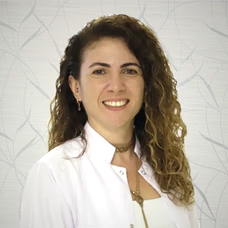
2. Dr. Sinemis Çelik — Medical oncologist with extensive experience treating breast cancer at all stages in a highly specialized oncology setting. Patients often highlight her attentiveness, quick therapy adjustments, and ability to correct ineffective previous treatment strategies.
Why Patients Choose Istanbul Oncology Hospital
- The only fully oncology-focused hospital in Turkey
- Accredited by Deutsche Krebs Gesellschaft (DKG) and member of the ESO Breast Centres Network
- One of the highest concentrations of breast cancer expertise in the region
- Strict multidisciplinary approach with European-level quality auditing
- A highly specialized environment where the entire team is fully focused on oncology care
Acıbadem Healthcare Group
When patients need a fast treatment start, access to a wide range of highly qualified specialists, and modern equipment across different districts of Istanbul, many choose Acıbadem Healthcare Group. It is one of the largest and most respected private healthcare networks in Turkey, including the advanced oncology centers in Maslak, Altunizade, Ataşehir, and Atakent.
The hospital group follows international ESMO and NCCN treatment protocols. Every complex case is reviewed by a multidisciplinary tumor board, ensuring a highly personalized and effective treatment strategy.
Main Areas of Treatment
- Breast cancer — one of the strongest Breast Centers in Turkey, with a high rate of breast-conserving surgery and advanced targeted and immunotherapy protocols.
- Urologic oncology (prostate, bladder, and kidney cancer) — recognized leader in robot-assisted surgery.
- Gynecologic oncology (ovarian, cervical, and uterine cancers).
- Gastric, esophageal, and colorectal cancers — strong surgical expertise combined with perioperative therapy.
- Bone and soft tissue sarcomas — specialized orthopedic oncology with limb-sparing techniques.
- Head and neck tumors — highly precise radiation therapy and reconstructive surgery.
We especially recommend Acıbadem for patients who need:
- Breast cancer and gynecologic cancer treatment.
- Robot-assisted urologic oncology surgery.
- Treatment for bone and soft tissue sarcomas.
- Highly precise radiation therapy (MR-LINAC, CyberKnife).
- Fast treatment organization in comfortable conditions with a choice of convenient Istanbul locations.
Leading Specialists
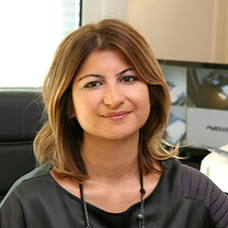
1. Prof. Dr. Yeşim Eralp (Acıbadem Maslak) — One of Turkey’s leading breast cancer oncologists. Over 25 years of experience and fellowship training at MD Anderson Cancer Center. Expert in modern targeted therapies and immunotherapy.
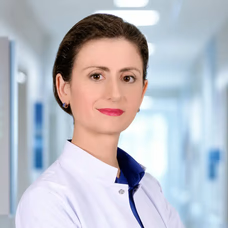
2. Dr. Teuta Zoto Mustafayev (Acıbadem Maslak) — Radiation oncologist and pioneer of MR-guided adaptive radiotherapy (SMART) in Turkey. Specialist in gynecologic cancers and head & neck tumors.
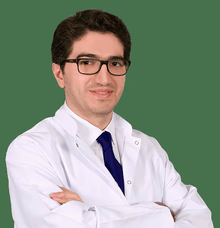
3. Dr. Natig Valiyev (Acıbadem Maslak) — Orthopedic oncologist specializing in complex bone reconstruction for sarcomas using advanced techniques such as liquid nitrogen treatment, vascularized fibula grafts, and PENTA megaprostheses.
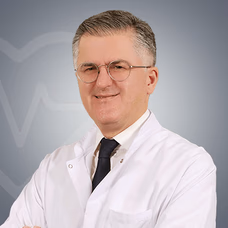
4. Prof. Dr. Enis Özyar (Acıbadem Maslak) — Highly respected radiation oncologist specializing in head & neck and thoracic cancers.

5. Prof. Dr. Levent Türkeri (Acıbadem Altunizade) — Internationally recognized uro-oncologist specializing in robotic prostate surgery and treatment of metastatic prostate cancer.
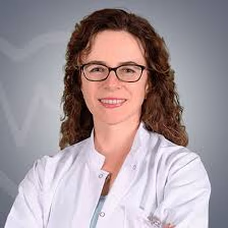
6. Prof. Dr. Gül Başaran (Acıbadem Altunizade) — Medical oncologist specializing in breast cancer in young women and metastatic breast cancer.
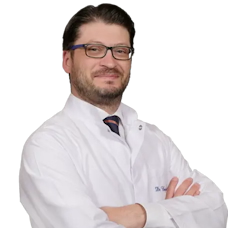
7. Assoc. Prof. Buğra Alpan (Acıbadem Ataşehir / Maslak) — Orthopedic oncologist specializing in biological reconstruction for bone sarcomas.
Why Patients Choose Acıbadem Healthcare Group
- Turkey’s largest healthcare network with multiple specialized oncology centers across Istanbul
- Wide range of advanced technologies including MR-LINAC, CyberKnife, and Da Vinci robotic surgery
- Treatment according to international ESMO and NCCN guidelines
- Strong multidisciplinary tumor boards for every cancer specialty
- Excellent comfort and international patient services, including Russian-speaking support
Memorial Hospitals — One of Turkey’s Most Respected Oncology Networks
Memorial Hospitals is widely considered one of the gold standards of healthcare quality in Turkey. In 2000, Memorial Şişli became the first hospital in the country to receive JCI accreditation and remains one of Turkey’s most respected medical brands today. The network combines strict international treatment protocols, powerful multidisciplinary care, and a strong patient-centered approach.
The network is known for its advanced technologies (NGS 600+, CyberKnife, Da Vinci robotic systems) and highly experienced specialists who provide complete cancer care — from precise diagnosis to comprehensive treatment and rehabilitation.
Main Areas of Treatment
- Medical oncology with NGS 600+ — advanced molecular profiling for personalized immunotherapy and targeted treatment.
- Breast surgical oncology — breast-conserving surgery, oncoplastic procedures, and reconstruction focused on aesthetics and quality of life.
- Gynecologic oncology — comprehensive treatment for cervical, ovarian, and uterine cancers, including robot-assisted surgery.
- GI oncology (stomach and colorectal cancers) — effective perioperative therapy and combined treatment approaches.
- Advanced diagnostics and second opinions — fast and highly accurate review of diagnoses and treatment plans.
We especially recommend Memorial for patients who need:
- Breast cancer treatment with strong expertise in oncoplastic surgery and reconstruction.
- Precise molecular diagnostics (NGS) and personalized therapy.
- Treatment for gastrointestinal cancers.
- A comprehensive multidisciplinary approach and reliable second opinion.
- Treatment in Turkey’s first JCI-accredited hospital with a long-standing international reputation.
Leading Specialists
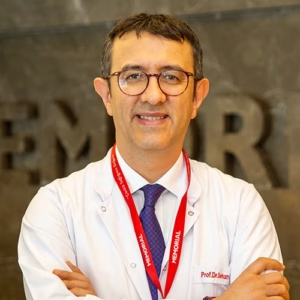
1. Prof. Dr. Serkan Keskin (Memorial Şişli) — One of the most sought-after medical oncologists in Turkey. Expert in breast cancer, gynecologic oncology, prostate cancer, and gastric cancer. Specialist in NGS profiling and modern immunotherapy protocols.
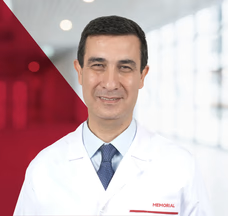
2. Prof. Dr. Bahadır Güllüoğlu (Memorial Şişli) — Internationally recognized breast surgical oncologist specializing in organ-preserving and oncoplastic surgery, as well as hereditary breast cancer (BRCA-related). Holds European EUSOMA accreditation.
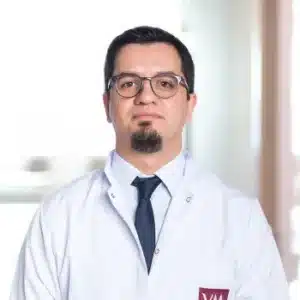
3. Prof. Dr. Mehmet Akif Öztürk (Memorial Şişli) — Medical oncologist specializing in stomach and colorectal cancers. Extensive experience in perioperative therapy and fellowship training at MD Anderson Cancer Center.
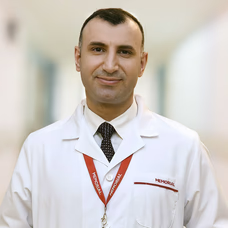
4. Dr. Gökhan Demirayak (Memorial Şişli) — Gynecologic oncologist with more than 19 years of experience. Specialist in robot-assisted surgery for cervical, ovarian, and endometrial cancers.
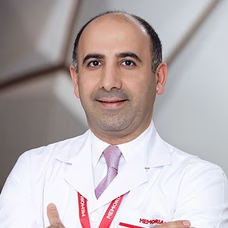
5. Prof. Dr. Fatih Aydoğan (Memorial Bahçelievler) — Director of the Breast Health Center and one of Turkey’s leading breast surgeons. Performed more than 1,100 surgeries and completed fellowships at Memorial Sloan Kettering, MD Anderson, and Dana-Farber Cancer Institute. Developer of his own surgical techniques.
Why Patients Choose Memorial Hospitals
- Turkey’s first JCI-accredited hospital network with an outstanding international reputation
- Advanced molecular diagnostics (NGS 600+) and personalized treatment strategies
- Strong multidisciplinary tumor boards and highly experienced specialists
- Convenient location in the European side of Istanbul
- Complete treatment cycle and excellent support for international patients
VM Medical Park Florya
VM Medical Park Florya is a modern multidisciplinary hospital accredited by JCI and part of one of Turkey’s largest healthcare networks. In oncology, the clinic is particularly recognized for its strong gynecologic oncology department and ESGO-certified specialists.
Main Areas of Treatment
- Gynecologic oncology — surgical treatment for cervical, ovarian, and endometrial cancers using laparoscopic and robot-assisted techniques.
- Comprehensive gynecologic cancer treatment — combining surgery, chemotherapy, and HIPEC for recurrent disease.
- Multidisciplinary approach to women’s cancer treatment.
We especially recommend VM Medical Park Florya for patients who need:
- Surgical treatment for cervical and ovarian cancer at operable stages.
- Laparoscopic or robot-assisted gynecologic oncology surgery.
- Treatment by an ESGO-certified specialist.
- Fast treatment organization in a modern network hospital.
Leading Specialists
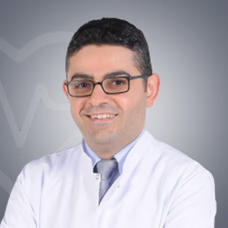
1. Prof. Dr. Gökhan Boyraz — Gynecologic oncologic surgeon and ESGO-certified specialist. One of Turkey’s leading experts in cervical and ovarian cancer surgery. Trained in Germany and worked with Paul H. Sugarbaker on HIPEC techniques. Author of more than 40 scientific publications.
Why Patients Choose VM Medical Park Florya
- JCI accreditation and modern infrastructure within a major hospital network
- Presence of one of Turkey’s strongest ESGO-certified gynecologic oncologists
- Availability of HIPEC and robot-assisted surgery
- Comprehensive support for international patients in a convenient area of Istanbul

Liv Hospital Ulus
Liv Hospital Ulus is a modern multidisciplinary hospital accredited by JCI and opened in 2013. It quickly gained a reputation as a highly technological center equipped with advanced systems including MR-LINAC and a particularly strong gynecologic oncology department. The clinic follows international treatment protocols with a focus on minimally invasive methods.
Main Areas of Treatment
- Gynecologic oncology — surgical treatment of ovarian, cervical, and endometrial cancers using minimally invasive and robot-assisted approaches.
- Comprehensive women’s cancer treatment — combining surgery, chemotherapy, and radiation therapy.
- Multidisciplinary tumor boards for individualized treatment planning.
We especially recommend Liv Hospital Ulus for patients who need:
- Treatment for ovarian, cervical, and endometrial cancers.
- Minimally invasive gynecologic oncology surgery.
- Treatment in a technologically advanced JCI-accredited hospital with strong gynecologic oncology expertise.
Liv Hospital Ulus
Liv Hospital Ulus is a modern multidisciplinary hospital accredited by JCI, opened in 2013. It quickly gained a reputation as a highly technological medical center with advanced equipment, including MR-LINAC, and a particularly strong gynecologic oncology department. The hospital follows international treatment protocols with a focus on minimally invasive approaches.
Main Areas of Treatment
- Gynecologic oncology — surgical treatment of ovarian, cervical, and endometrial cancers using minimally invasive and robot-assisted techniques.
- Comprehensive treatment of gynecologic cancers — combining surgery, chemotherapy, and radiation therapy.
- Multidisciplinary tumor boards for personalized treatment planning.
We especially recommend Liv Hospital Ulus for patients who need:
- Treatment for ovarian, cervical, or endometrial cancer.
- Minimally invasive gynecologic oncology surgery.
- Treatment in a technologically advanced JCI-accredited hospital with strong gynecologic oncology expertise.
Leading Specialists
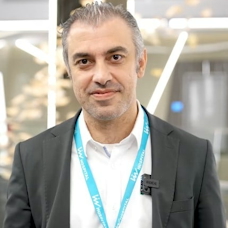
1. Dr. Hamdullah Sozen — Gynecologic oncologic surgeon specializing in ovarian, endometrial, and cervical cancers. ESGO member with extensive experience in laparoscopic and robot-assisted gynecologic oncology surgery.
Why Patients Choose Liv Hospital Ulus
- JCI accreditation and advanced equipment, including MR-LINAC
- Strong minimally invasive gynecologic oncology team
- Convenient location on the European side of Istanbul
- Comprehensive services and professional support for international patients

Medipol Mega University Hospital
Medipol Mega University Hospital is a modern university medical center accredited by JCI. The hospital combines a strong academic foundation with advanced technologies and a multidisciplinary treatment approach. It is especially well known for outstanding results in urologic oncology and focal therapy for prostate cancer.
Main Areas of Treatment
- Urologic oncology and focal therapy for prostate cancer — HIFU, IRE (irreversible electroporation), and robot-assisted surgery with maximum preservation of urinary and sexual function.
- Medical oncology — treatment of stomach, esophageal, and gastroesophageal junction cancers using immunotherapy and targeted therapies.
- Urologic cancers — comprehensive treatment for prostate, kidney, and bladder cancers.
- Multidisciplinary tumor boards — close collaboration between urologists, oncologists, and radiologists for individualized treatment planning.
We especially recommend Medipol Mega University Hospital for patients who need:
- Focal therapy for localized prostate cancer (HIFU / IRE).
- Robot-assisted urologic surgery.
- Treatment for gastrointestinal cancers.
- Care in a large university hospital with a strong academic and research background.
Leading Specialists

1. Prof. Jean de la Rosette — Internationally recognized urologist and specialist in focal therapy for prostate cancer. President of the Société Internationale d'Urologie (SIU) since 2024. One of the world’s leading experts in HIFU and IRE (NanoKnife). Author of more than 750 scientific publications.
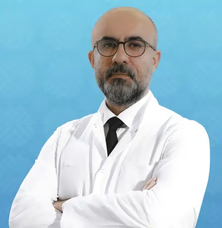
2. Prof. Rahim Horuz — Urologic oncologist specializing in prostate, bladder, and kidney cancers. Works closely with Prof. de la Rosette and has extensive experience in salvage therapies.
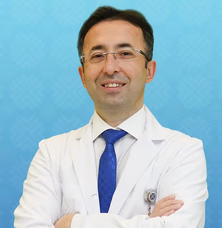
3. Prof. Ahmet Bilici — Medical oncologist specializing in gastrointestinal cancers, particularly stomach and esophageal cancer. Participant in the international KEYNOTE-811 trial and expert in immunotherapy and targeted therapies.
Why Patients Choose Medipol Mega University Hospital
- University hospital with a strong academic and research infrastructure
- One of Turkey’s leading centers for focal prostate cancer therapy (HIFU and IRE)
- Advanced equipment and a high level of robot-assisted surgery
- Complete treatment cycle within a large multidisciplinary medical center
- Convenient location and professional support for international patients

Florence Nightingale Hospital
Florence Nightingale Hospital was one of the first private hospitals in Turkey to receive JCI accreditation. It is recognized as a Breast Centre of Excellence by EUSOMA and the Senologic International Society and is highly respected for its expertise in breast cancer treatment, gynecologic oncology, and urologic oncology. The hospital strongly emphasizes multidisciplinary care, organ preservation, and personalized patient support.
Main Areas of Treatment
- Breast cancer surgery — breast-conserving procedures, oncoplastic surgery, and reconstruction according to modern European standards.
- Gynecologic oncology — comprehensive treatment for ovarian, cervical, and uterine cancers using robot-assisted surgery.
- ENT oncology and head & neck cancer — transoral laser microsurgery (TLM) focused on voice and function preservation.
- Urologic oncology — robotic prostate cancer surgery and HIFU therapy.
- Multidisciplinary tumor boards — collaboration between surgeons, oncologists, and radiologists to create optimal treatment plans.
We especially recommend Florence Nightingale Hospital for patients who need:
- Breast-conserving or reconstructive breast cancer surgery.
- Treatment for gynecologic cancers using robot-assisted techniques.
- Voice-preserving surgery for laryngeal cancer (TLM).
- Robotic surgery or HIFU therapy for prostate cancer.
- European treatment standards in a comfortable and patient-focused environment.
Leading Specialists
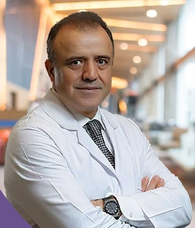
1. Prof. Dr. Vahit Özmen — Breast surgical oncologist with more than 30 years of experience. Founder of Turkey’s first Breast Cancer Center. President of the Senologic International Society (2024–2026). Expert in oncoplastic surgery and reconstruction.
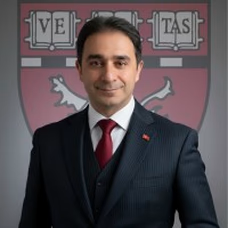
2. Assoc. Prof. Enver Özkurt — Breast surgical oncologist specializing in oncoplastic and breast-conserving surgery. Completed fellowship training at Dana-Farber Cancer Institute (Harvard Medical School).
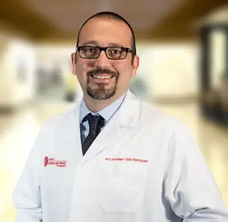
3. Prof. Dr. Cem İyibozkurt — Gynecologic oncologist with more than 30 years of experience and over 1,100 minimally invasive procedures performed. Expert in robot-assisted surgery.
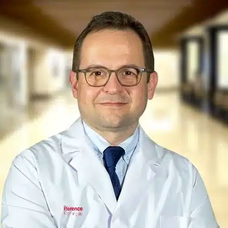
4. Prof. Dr. Bora Başaran — ENT oncologist and one of Turkey’s leading specialists in transoral laser microsurgery (TLM) for laryngeal cancer with voice preservation.
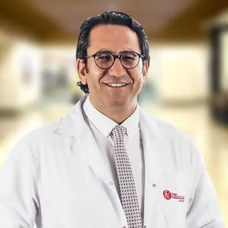
5. Prof. Dr. Tunç Özdemir — Urologic oncologist and pioneer of robotic urology in Turkey. Has performed more than 1,100 robotic prostatectomies. Expert in HIFU therapy and quality-of-life preservation.
Why Patients Choose Florence Nightingale Hospital
- One of Turkey’s first JCI-accredited hospitals with EUSOMA and Senologic International Society recognition
- Strong teams in breast cancer, gynecologic oncology, and ENT oncology
- High level of function-preserving and robot-assisted surgery
- Comfortable conditions and personalized care for international patients
- Convenient location on the European side of Istanbul

VKF American Hospital (Amerikan Hastanesi)
VKF American Hospital is one of the oldest and most respected private hospitals in Istanbul with JCI accreditation. The hospital is especially known for its excellence in orthopedic oncology, radiation therapy, and its strong multidisciplinary approach. It successfully combines the traditions of American medicine with the expertise of leading Turkish specialists.
Main Areas of Treatment
- Orthopedic oncology — surgical treatment of bone and soft tissue tumors, biological reconstruction, and megaprosthetic limb reconstruction.
- Radiation oncology — advanced radiotherapy for sarcomas and bone metastases.
- Comprehensive sarcoma treatment — combining surgery, chemotherapy, and radiotherapy within one integrated team.
We especially recommend VKF American Hospital for patients who need:
- Treatment for bone and soft tissue tumors (osteosarcoma, chondrosarcoma, Ewing sarcoma).
- Complex limb reconstruction after tumor removal.
- Comprehensive sarcoma treatment involving experienced orthopedic oncologists and radiation oncologists within the same hospital.
- Personalized care and the traditions of American-style medicine.
Leading Specialists
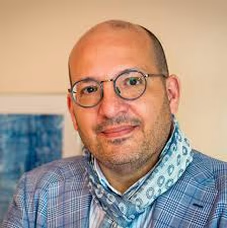
1. Prof. Levent Eralp — One of Turkey’s most experienced orthopedic oncologists with more than 30 years of experience. Specialist in biological reconstruction (liquid nitrogen + fibula techniques), megaprostheses, and limb-sparing surgery for sarcomas in both children and adults. Author of approximately 150 scientific publications.
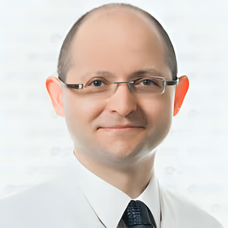
2. Prof. Uğur Selek — Radiation oncologist, FASTRO (Fellow of the American Society for Radiation Oncology). Recipient of the MD Anderson Cancer Center Gold Medal (2024). Expert in radiation therapy for sarcomas and bone tumors.
Why Patients Choose VKF American Hospital
- Long-standing history and high patient trust
- Strong orthopedic oncology and radiation therapy teams within one hospital
- JCI accreditation and American medical traditions
- Personalized care and comfort for international patients
Istanbul Atlas University Hospital
Istanbul Atlas University Hospital is a modern university medical center that is rapidly developing and offering a high standard of treatment. The hospital combines the university’s academic foundation with modern technologies and a multidisciplinary approach, with particular strength in gynecologic oncology.
Main Treatment Areas
- Gynecologic oncology - surgical treatment of cervical, ovarian, and endometrial cancers, including fertility-sparing procedures.
- Comprehensive treatment of female oncological diseases - combining surgery, chemotherapy, and modern treatment protocols.
- Multidisciplinary tumor boards - for individualized treatment planning.
We especially recommend Istanbul Atlas University Hospital for patients who need:
- Fertility-sparing treatment for cervical cancer.
- Gynecologic oncology care for young women.
- Treatment by an experienced ESGO specialist in a university hospital.
Leading Specialists
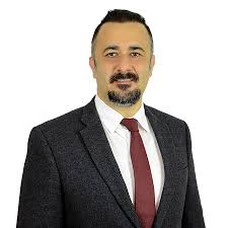
1. Assoc. Prof. Dr. Taylan Şenol — Gynecologic oncologic surgeon, ESGO member. Specializes in cervical cancer and fertility-sparing surgery. Author of chapters in gynecologic oncology textbooks. Known for his attentive approach to young patients and detailed explanations of every stage of treatment.
Why Patients Choose Istanbul Atlas University Hospital
- University status and modern infrastructure
- Presence of an experienced ESGO specialist in gynecologic oncology
- Availability of fertility-sparing surgeries
- Full-service support for international patients in a developing academic center

Bayındır Hospital (Ankara)
Bayındır Hospital is part of a reputable medical group operating since 1992. The hospital is JCI-accredited and offers consistently high modern treatment standards. It is particularly strong in ENT oncology and head and neck surgery, with a focus on preserving voice and function.
Main Treatment Areas
- ENT oncology and head & neck surgery - treatment of tumors of the larynx, oral cavity, and thyroid gland with a focus on preserving voice and function.
- Oncology - comprehensive treatment of various types of cancer.
- Multidisciplinary tumor boards - for individualized treatment planning.
We especially recommend Bayındır Hospital for patients who need:
- Treatment for laryngeal cancer and head & neck tumors.
- Voice and function preservation in ENT oncology.
- Treatment at a reliable JCI-accredited hospital in Ankara.
Leading Specialists
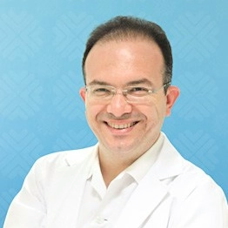
1. Prof. Orhan Gazi Yiğitbaşı — ENT oncologist with more than 30 years of experience. Specializes in head and neck surgery. Has extensive practical experience in the treatment of laryngeal tumors and other ENT malignancies. Known for his professionalism and attentive attitude toward patients.
Why Patients Choose Bayındır Hospital
- Long-standing history and stable reputation of the medical group
- High level of ENT oncology and function-preserving surgery
- JCI accreditation and modern equipment
- Full-service support for international patients in Ankara
Koç University Hospital
Koç University Hospital is a modern university medical center opened in 2014. The hospital operates under the umbrella of Koç University and closely collaborates with Johns Hopkins Medicine. It is one of the most technologically advanced academic hospitals in Turkey, where scientific research, innovative treatment methods, and a high level of service are combined within a single institution. Every year, tens of thousands of international patients receive treatment here.
Main Treatment Areas
- GI oncology - treatment of stomach, esophageal, and GEJ cancers using perioperative therapy, immunotherapy, and advanced molecular profiling.
- Medical oncology - personalized treatment of solid tumors based on the latest international research.
- Multidisciplinary tumor boards - collaborative work of surgeons, oncologists, and radiologists to develop the optimal treatment plan.
We especially recommend Koç University Hospital for patients who need:
- Treatment for stomach, esophageal, and GEJ cancers.
- Perioperative therapy and modern immunotherapy.
- Treatment at an academic center with American standards (Johns Hopkins partner).
- A second opinion for complex GI oncology cases.
Leading Specialists
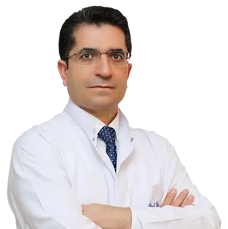
1. Prof. Dr. Faysal Dane— Medical oncologist specializing in GI oncology. Co-author of Turkish Oncology Group studies on immunotherapy for gastric cancer. Expert in modern nivolumab and pembrolizumab protocols.
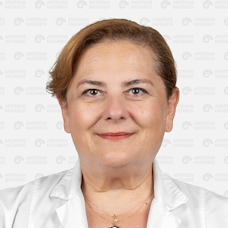
2. Prof. Dr. Perran Yumuk— Medical oncologist with extensive scientific activity (more than 267 publications). Co-author of the Turkish MSKCC nomogram study on gastric cancer. Combines clinical practice with international treatment protocols.
Why Patients Choose Koç University Hospital
- University status and strategic partnership with Johns Hopkins Medicine
- Strong academic foundation and participation in international research
- High level of NGS diagnostics and personalized therapy
- Comfortable conditions and full-service support for international patients
How to Choose the Right Oncology Hospital in Turkey
The most important factor when choosing a hospital is not the overall ranking, but how well it matches your specific diagnosis and needs. The right choice significantly increases the chances of a successful outcome.
What to pay attention to first:
1. Specialization by Cancer Type
Each hospital has its own areas of expertise:
- Breast cancer - Memorial, Florence Nightingale, Acıbadem
- Gynecologic oncology - Anadolu, Acıbadem, Liv Hospital
- Stomach and esophageal cancer - Koç University, Memorial
- Urologic oncology (prostate, kidneys) - Acıbadem, American Hospital
- Bone and soft tissue sarcomas - American Hospital, Acıbadem
- ENT oncology and head & neck tumors - Florence Nightingale, Bayındır (Ankara)
2. Required Technologies
- Precision radiation therapy (MR-LINAC, CyberKnife) - Acıbadem, Anadolu
- Robot-assisted surgery - Acıbadem, Anadolu, Liv Hospital
- Advanced molecular profiling (NGS) - Memorial, Koç University, Anadolu
3. Hospital Format and Atmosphere
- Premium comfort and service - American Hospital, Memorial
- Strong academic foundation and scientific approach - Koç University, Anadolu
- Optimal price-to-quality ratio - VM Medical Park, Atlas University Hospital
Most importantly:
Choosing the right doctor is more important than choosing the hospital. The experience of a specific specialist in treating your exact diagnosis, the number of surgeries performed, and participation in tumor boards often play a decisive role.
For most international patients, we recommend hospitals in Istanbul - logistics are more convenient, accommodation options are broader, and treatment organization is easier.
Conclusion
Cancer treatment in Turkey today is a real opportunity to receive modern, high-tech medical care of world-class quality at a significantly more affordable price than in Europe, Israel, or the USA.
Turkish hospitals are equipped with advanced technology, operate according to international protocols (ESMO, NCCN, Johns Hopkins), and leading specialists regularly complete training at the world’s best medical centers. At the same time, patients are surrounded with care, attention, and a genuine desire to help.
Since 2016, we at Experts Medical have been helping people from different countries through this difficult journey. And every time we see the same thing: patients arrive feeling anxious and frightened, and return home with hope and confidence in the future.
If you or your loved ones are facing an oncological diagnosis - you are not alone. Contact us, and we will help you find the best specialists for your specific case, prepare a detailed treatment plan, and organize everything so that you feel supported at every stage.
Your health and life are our top priorities.
We are always here for you.
Frequently Asked Questions
How does cancer treatment in Turkey compare to treatment in Germany or Israel?
In terms of equipment, physician qualifications, and treatment protocols, leading Turkish hospitals are on par with Germany and Israel. The main difference is the significantly more affordable cost (30–50% lower) while maintaining a high quality of treatment.
How long does cancer treatment in Turkey usually take?
It depends on the diagnosis and stage. Diagnostics and treatment planning usually take 5–10 days. Surgical treatment takes 10–15 days. A full course of chemotherapy or radiation therapy may last from several weeks to several months. Many patients come to Turkey for key stages of treatment and return home between cycles.
Is it possible to get a second opinion from Turkish doctors without traveling to the country?
Yes, this is a very common practice. You can send us your medical documents, and we will arrange an online consultation with the appropriate specialist (Anadolu, Acıbadem, Memorial, Koç University, etc.). Many patients start with this step.
How can treatment be organized and how much does it cost?
We provide complete assistance: from collecting documents and arranging online consultations to organizing travel, accommodation, interpreter services, and full сопровождение. Experts Medical services are free of charge for patients. Before treatment begins, you will receive a detailed financial plan with all expected expenses. The cost depends on the diagnosis and treatment protocol, but in most cases it is significantly more affordable than in other countries.