Restore hematopoiesis
After high-dose chemotherapy
The consultation is conducted in Russian
The Experts Medical oncology board will review your diagnosis, treatment results, and medical records to determine:
HOW BMT CAN HELP
Bone marrow transplant (BMT) is used for a number of malignant and non-malignant blood disorders. Depending on the diagnosis, it can help:
After high-dose chemotherapy
And help achieve long-term remission
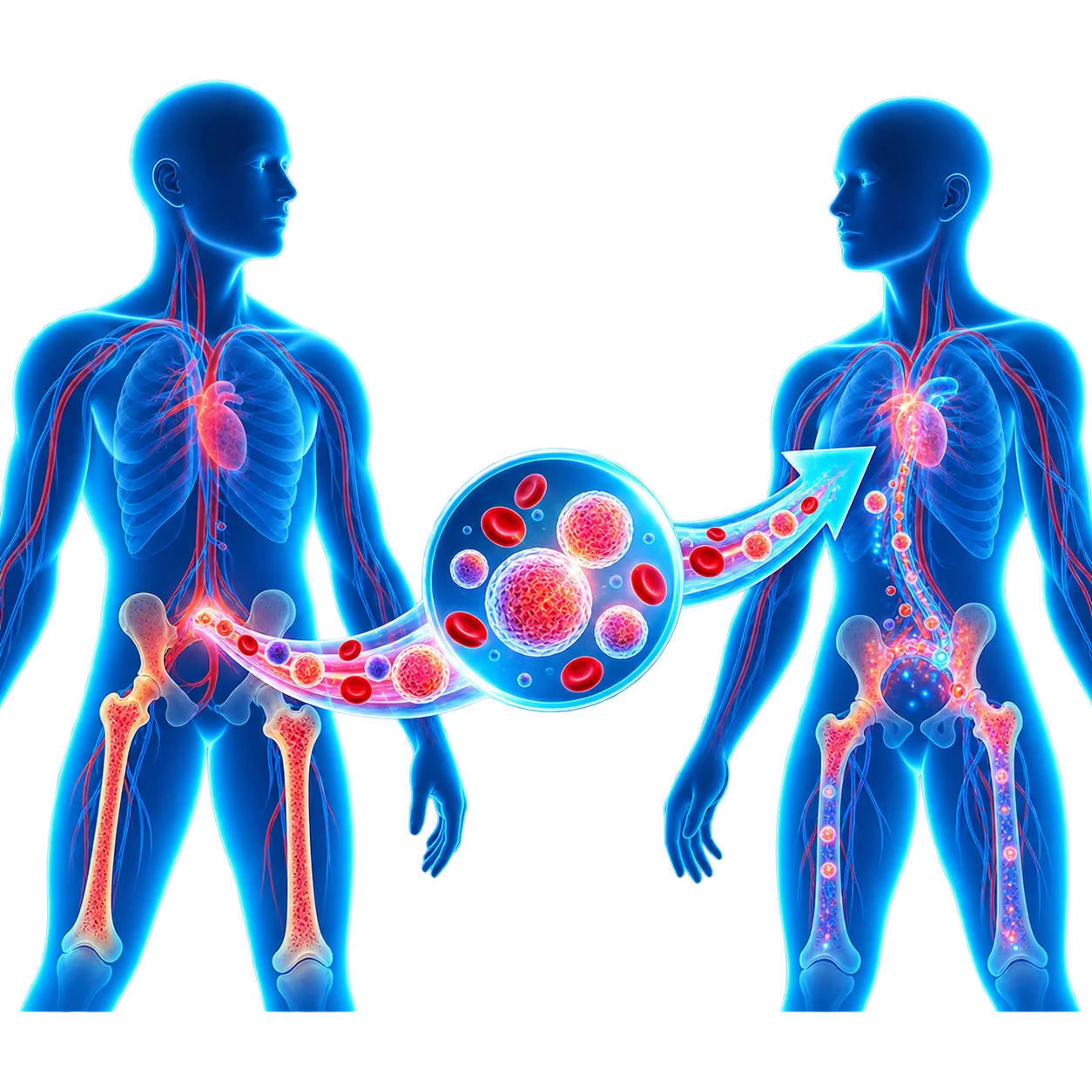
In allogeneic BMT, the donor's immune effect can help target residual disease.
Hematopoietic or immune
DIAGNOSES AND DISEASES
BMT is used for a number of blood and hematopoietic system disorders. Transplantation may be considered for:
Acute and some chronic forms
A plasma cell disorder
Hodgkin's lymphoma and some non-Hodgkin's lymphomas
Myelodysplastic and myeloproliferative disorders
Severe bone marrow failure
Some immunodeficiencies and blood disorders
Based on the results of a medical evaluation, the doctor determines one of two options:
Autologous BMT is performed according to an individual protocol using the patient's own material.
Allogeneic BMT is performed with the participation of a compatible donor.
In many cases — YES!
Possible donor options may include:
a matched sibling
an unrelated donor from an international registry
a partially matched — haploidentical — relative
umbilical cord blood.
LEADING CLINICS

Turkey
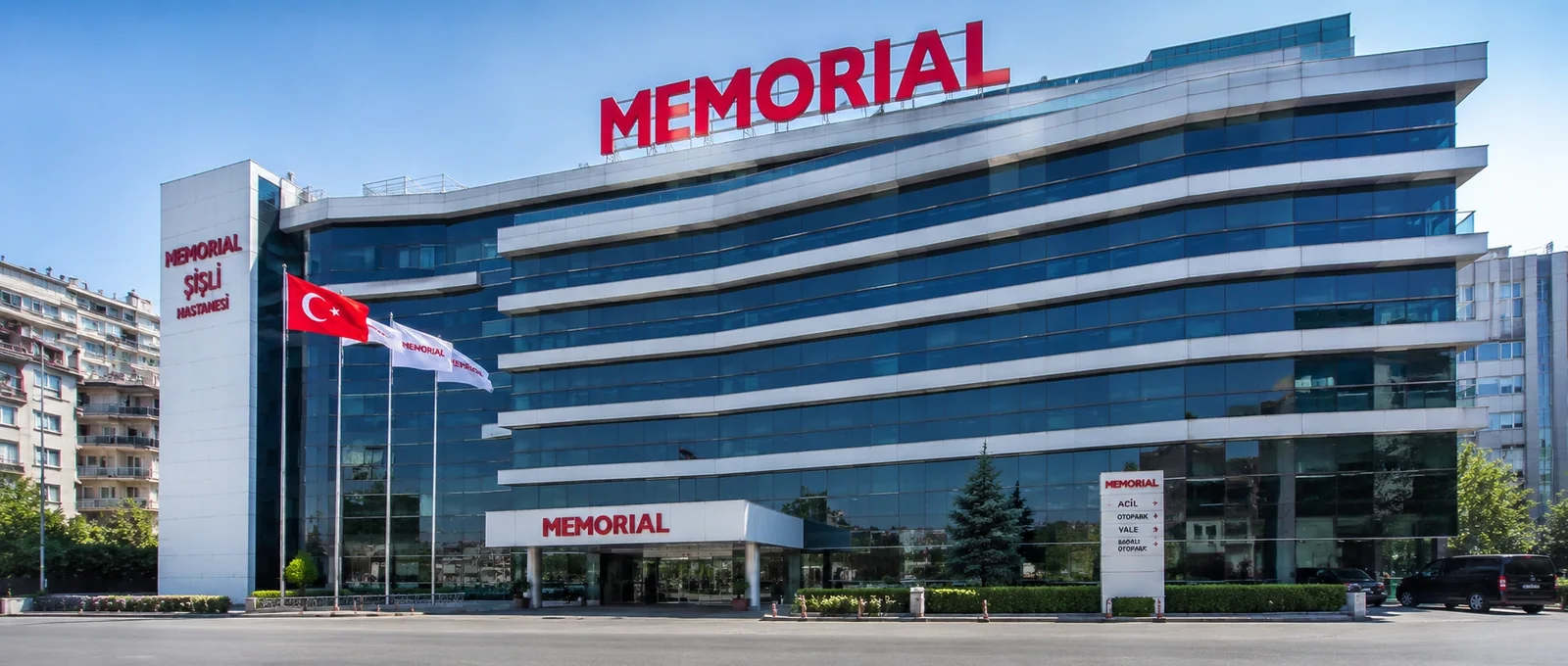
The network's strength is its own Acıbadem Labcell laboratory, which provides laboratory preparation and support for BMT programs according to cGMP standards. Autologous, allogeneic, and haploidentical transplants are available.
Turkey
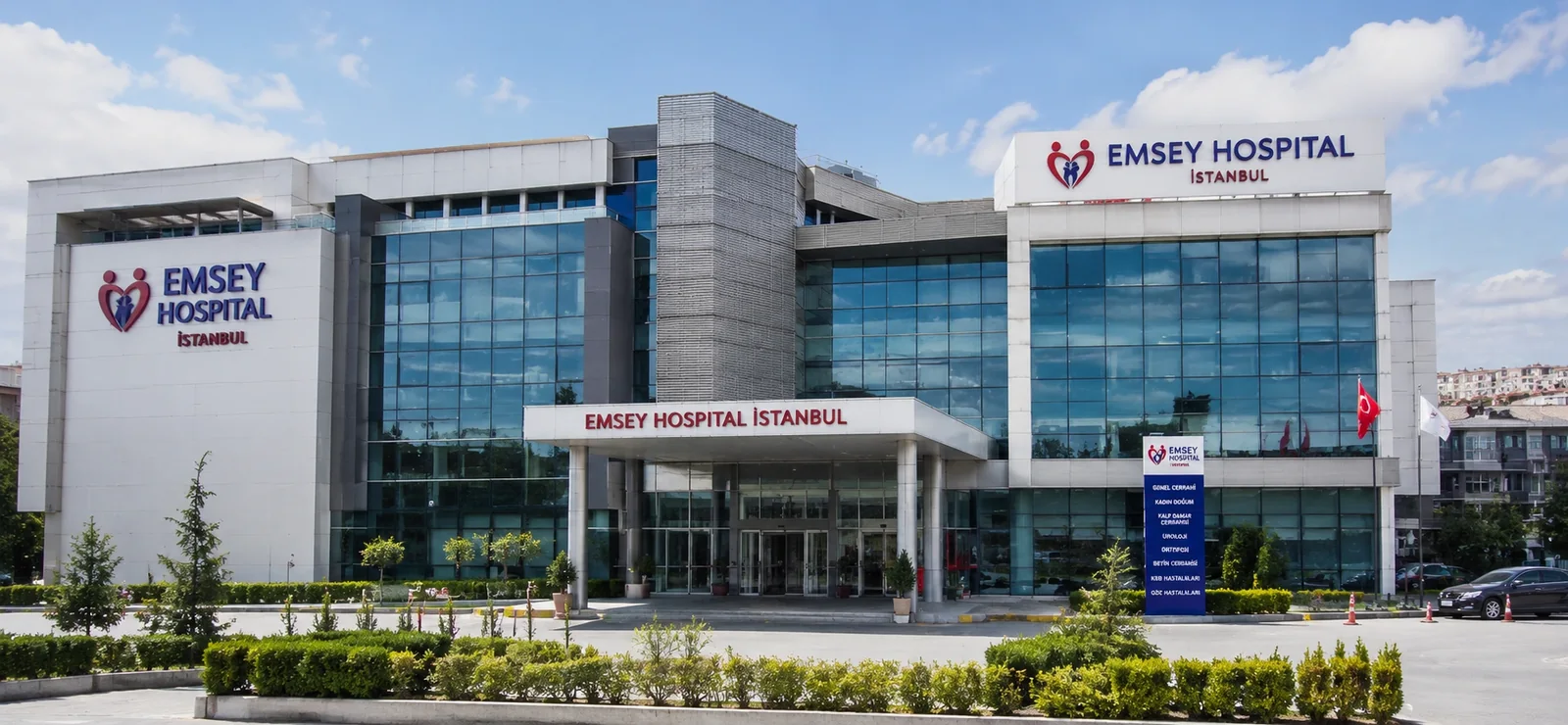
The specialized bone marrow transplant center was established in accordance with international JACIE criteria. The wards are equipped with ISO 5 standard HEPA filtration for enhanced infection control during treatment.
Turkey
The clinic has a separate bone marrow transplant center for adults with a dedicated team of hematologists. The center's services include autologous, allogeneic, and haploidentical transplantation, including searching for an unrelated donor through national and international registries.
Turkey
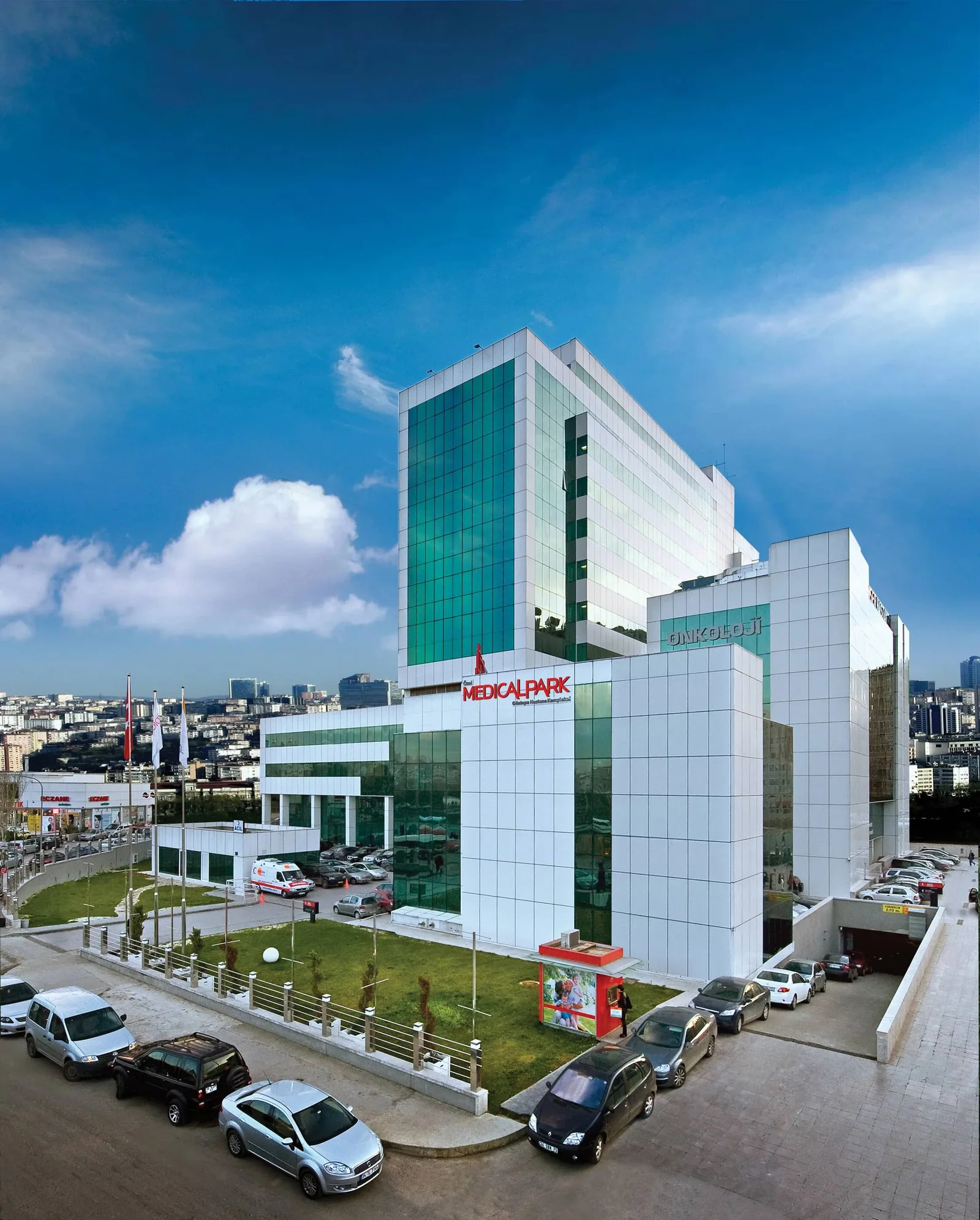
The network operates specialized bone marrow transplant centers; one of the key ones is located at Medical Park Göztepe, Turkey's first private oncology hospital. Here, oncology, hematology, and BMT are integrated into a single multidisciplinary treatment system.
Turkey
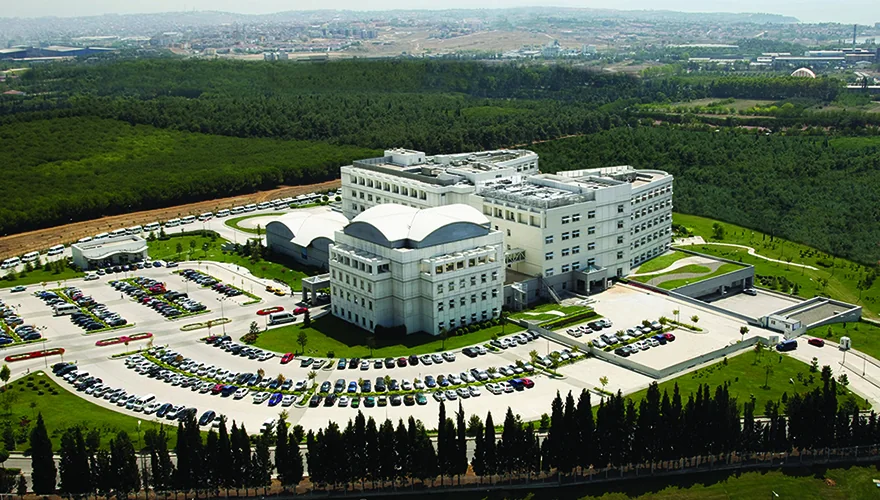
One of the largest BMT centers in Turkey: over 3,500 transplants have been performed here, with more than 250 performed annually. The program is headed by Prof. Zafer Gülbaş, a hematologist-oncologist with over 40 years of experience and the Director of the Anadolu Bone Marrow Transplant Center.

Israel
Transplantation is performed in the specialized Department of Hematology and BMT at the Tel Aviv Medical Center. Ichilov's strength is the comprehensive management of complex and recurrent hematologic malignancies, with the option of including BMT in the overall treatment strategy.

Israel
Over 2,000 bone marrow transplants have been performed at the center, with about 240 performed annually. Sheba also has experience with haploidentical transplantation for cases where a fully matched donor cannot be found.

Spain
The center performs allogeneic bone marrow transplantation for hematologic malignancies. Teknon's strength is its advanced laboratory diagnostics, including flow cytometry, cytogenetics, and molecular studies for clarifying the diagnosis and monitoring the disease.
PROGRAM SELECTION
Choosing a transplant center depends on more than just the country or cost. It is important to consider the diagnosis, type of transplant, donor availability, the center's experience with your specific disease, and the timeframe in which treatment can begin.
EXPERTS MEDICAL COORDINATING PHYSICIAN
An Experts Medical coordinating physician assesses the patient's medical situation, identifies suitable transplant centers, sends the documents to them, and receives treatment programs. They then help compare the recommendations, timelines, and costs to choose the best option.
PROGRAM COST
The final price is determined individually. Even within the same clinic, the program's composition and cost may vary depending on the medical situation.
Autologous or allogeneic program.
HLA typing and search for an unrelated donor.
Diagnosis, condition, and treatment before BMT.
Medications, examinations, monitoring, and accommodation.
Transparent PricingClear program structure
Personalized SelectionBased on the diagnosis and condition
No ObligationPreliminary assessment is free
TREATMENT PATHWAY
The patient undergoes necessary tests, examinations, and a medical council to confirm readiness for the transplant.
Preparation for autologous and allogeneic BMT is different. For allogeneic BMT, HLA typing is performed and a suitable donor is selected.
Before the transplant, the patient undergoes conditioning — usually chemotherapy, which prepares the body for the BMT.
The BMT is performed. After the procedure, the patient stays in a special sterile unit under the constant supervision of the medical team.
Doctors monitor the recovery of hematopoiesis, blood counts, infections, organ function, and possible complications.
Before returning home, further monitoring is arranged. After discharge, the patient's condition continues to be monitored, and communication with the treating team is maintained.
The length of hospitalization and stay near the center depends on the type of transplant, diagnosis, and the patient's recovery.
Get a preliminary treatment planGET AN EVALUATION
medical report and bone marrow examination results;
✓histology, flow cytometry, and molecular studies;
✓data on residual disease and PET-CT, CT, or MRI results;
✓previous treatment protocols and information on the response received;
✓current test results and information on comorbidities;
✓HLA typing results, if performed.
✓PREPARATION FOR BMT
Donor search, HLA typing, examinations, and program coordination take time. If a doctor is already considering a transplant, it is better to get an opinion from a specialized center in advance.
FAQ
A bone marrow transplant (BMT) is a medical procedure used for a number of blood disorders. The BMT program is tailored individually, taking into account the diagnosis and the recommendations of the transplant center.
An autologous BMT uses the patient's own material, while an allogeneic BMT uses donor material. The choice of BMT type depends on the diagnosis, disease characteristics, previous treatment, and the patient's condition.
The program usually includes an examination, preparatory therapy (conditioning), the BMT procedure, and subsequent monitoring of the recovery of hematopoiesis. For an allogeneic BMT, HLA typing and matching with a compatible donor are also performed.
Yes. For an allogeneic transplant, the donor can be either a relative or a compatible unrelated person. In some clinical situations, a partially matched (haploidentical) relative is also considered. The possible donor option is determined by the transplant team after evaluating the specific case.
In some cases, yes. The doctor may consider a haploidentical relative or other donor options depending on the diagnosis, HLA compatibility, the patient's condition, and the capabilities of the transplant center.
Age in itself does not always rule out the possibility of a transplant. Doctors evaluate the diagnosis, the patient's functional and general condition, comorbidities, previous treatment, and the estimated risks of complications.
Preparatory therapy before a BMT can reduce fertility. If the clinical situation allows, possible ways to preserve reproductive function, such as cryopreservation of gametes or tissues, are discussed with the doctor before starting treatment.
The approach depends on the diagnosis, the type of transplant performed, and the timing and nature of the relapse. Depending on the clinical situation, drug therapy, a second BMT, or participation in a clinical trial may be considered.
The cost is calculated individually and depends on the diagnosis, type of transplant, the need for a donor search and examination, the program's components, and the duration of treatment. After reviewing the medical documents, an Experts Medical coordinating doctor requests programs and cost estimates from specialized transplant centers in Turkey.
Usually, you will need a medical summary, bone marrow examination results, histology and/or flow cytometry data, molecular genetic studies, information about previous treatment, and current test results. The exact list of documents depends on the diagnosis and the clinic's requirements.