10 years helping patients with rectal cancer get treatment in Germany. We recommend only verified doctors.
Doctor selection and support are free of charge for you.You pay the clinic in Germany only after you arrive.
Get a personal selection of colorectal surgeons and oncologists in Germany for rectal cancer treatment
Answer 3 short questions. Our doctor-coordinator will help you compare options and choose a specialist for your treatment.
Get a treatment plan and cost before you travel
Step 1 of 4
We will help you choose a clinic for your caseOur doctor-coordinator will review your medical records, explain the differences between clinics and help you choose the right specialist.
When selecting clinics, our doctor-coordinators consider the specialists' experience in treating rectal cancer, the clinic's capabilities and our experience supporting patients there. We recommend a specific doctor and clinic after reviewing your medical records.
Why patients consider this clinic for rectal cancer
A cancer center certified by the German Cancer Society
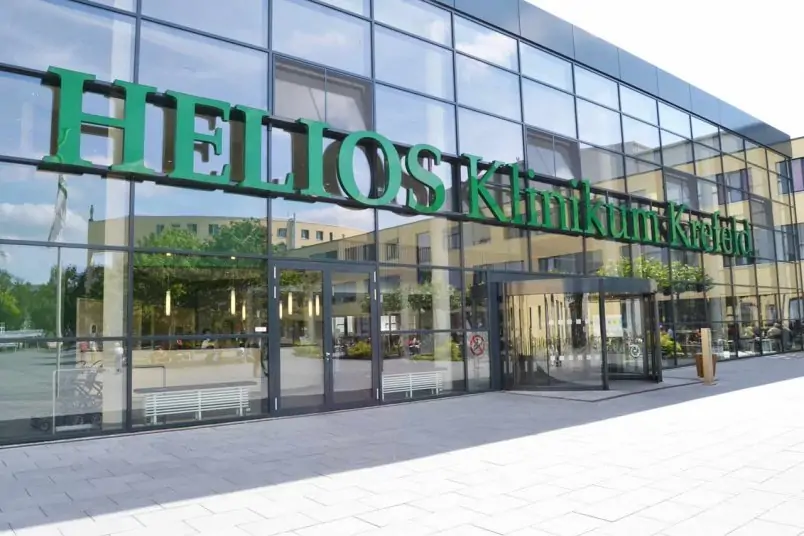
The hospital's cancer center is certified by the German Cancer Society (DKG). Surgeons perform laparoscopic operations, that is, surgery through small incisions. The department of internal medicine is led by gastroenterologist Thomas Frieling.
About the clinic, certification and services+
Helios Krefeld is a multidisciplinary center of the Helios network and an academic hospital of Aachen University. Its main areas are oncology, neurosurgery, cardiac surgery and bone marrow transplantation. Your coordinator agrees on the department for your case after reviewing your records.
Certificates and accreditations
International Organization for Standardization ISO
Initiative Qualitats Medizin
DKG
DDG
Additional services:
Transfer from / to the airport · Visa assistance · Personal assistant · Internet · Reservation of accommodation and airline tickets · Translator · Single room
Service terms and the specific branch are confirmed in the treatment plan.
Why patients consider this clinic for rectal cancer
Robotic surgery with the Da Vinci system
Oncology is one of the hospital's main areas. Surgeons here remove cancerous tumors, including with the Da Vinci robot. Since 2003 the department of gastroenterology has been led by Professor Boris Pfaffenbach, who treats bowel tumors.
About the clinic, certification and services+
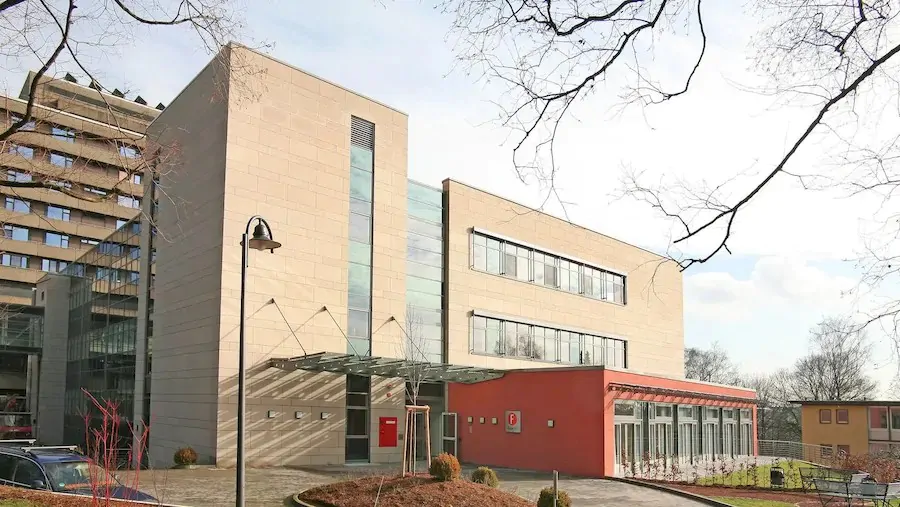
Academic Hospital Solingen is a teaching hospital of the University of Cologne. It has more than 700 beds and over 15 specialized departments. Besides oncology, it is strong in cardiology, orthopedics, neurosurgery and general surgery.
Certificates and accreditations
TUV ISO 9001
AKzert
BABY FREUNDLICH
DKG
SIEGEL
QM
Additional services:
Transfer from / to the airport · Visa assistance · Personal assistant · Internet · Reservation of accommodation and airline tickets · Translator · Accommodation for accompanying person · Single room
Service terms and the specific branch are confirmed in the treatment plan.
Why patients consider this clinic for rectal cancer
Gastrointestinal oncology within the network
Sana Offenbach, part of the network, has a department of gastroenterology, gastrointestinal oncology and interventional endoscopy. It is headed by Dr. Edris Wedi. Oncology is one of the main areas of the whole group.
About the clinic, certification and services+
Sana Hospital Group is one of the largest private hospital networks in Germany, with 56 hospitals and more than 35 medical centers. Over 2 million patients are treated there every year. Your coordinator will select the right hospital of the network based on your records.
Certificates and accreditations
TOP FOCUS MAGAZINE 2022
The European Stroke Organization certified
Additional services:
Transfer from / to the airport · Visa assistance · Personal assistant · Internet · Reservation of accommodation and airline tickets · Translator · Accommodation for accompanying person · Single room
Service terms and the specific branch are confirmed in the treatment plan.
The Experts Medical database includes specialists we check for qualifications, relevant experience and reputation. We also assess the clinic, the team and aftercare support.
Our doctor-coordinator reviews your medical records and recommends a specialist experienced in similar cases. When choosing, we consider the clinic's capabilities, your budget and preferences, and our experience supporting patients with this doctor.
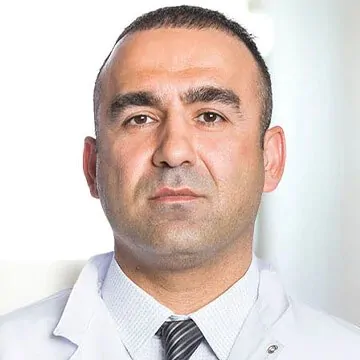
Surgeon and head of a colorectal cancer center. Chief physician of the department of general, visceral and thoracic surgery at Helios Bad Saarow hospital.
Experience and achievements+
Doctor of Medical Sciences.
Head of the Colorectal Cancer Center and Chief Physician of the Clinic of General, Visceral and Thoracic Surgery at the Helios Hospital Bad Zarow.
The doctor specializes in general surgery, abdominal (visceral) surgery and thoracic surgery (thoracic surgery).
He actively participates in scientific conferences and has authored scientific articles published in international publications.
15+years of experience
Sana Offenbach · gastrointestinal oncology
Edris Wedi
Gastroenterologist, oncologist
Gastroenterologist and oncologist specializing in interventional endoscopy. Heads the department of gastroenterology, gastrointestinal oncology and interventional endoscopy at Sana Offenbach.
Experience and achievements+
Edris Wedi is MD and a leading specialist in gastroenterology and gastrointestinal oncology.
He holds the position of Head of the Department of Gastroenterology, Gastrointestinal Oncology and Interventional Endoscopy at Sana Clinic Offenbach.
Specialization:
Interventional endoscopy;
Gastrointestinal oncology;
General gastroenterology;
Internal Medicine.
Education and Experience:
2001-2008: Medical training at the Georg-August University, University of Göttingen;
2009-2012: Work as a resident physician at the St. Bernwards Clinic, Hildesheim;
2013-2015: Senior physician at the University Hospital of Strasbourg, France;
2016-2020: Senior physician at the University Hospital of Göttingen;
since 2020: Head of Department at Klinikum Sana Offenbach.
Dr. Wedi is actively involved in international medical organizations:
Head of the Endoscopy Section at the German Society for Gastroenterology and Digestive and Metabolic Diseases (DGVS);
Head of the German Society for Endoscopy and Diagnosis (DGEBV);
Head of the North German Society of Gastroenterology.
30+years of experience
Solingen · gastroenterology
Boris Pfaffenbach
Gastroenterologist, oncologist
Professor, gastroenterologist and oncologist. Has headed the department of gastroenterology at the Academic Hospital Solingen since 2003 and treats malignant tumors of the bowel and other digestive organs.
Experience and achievements+
Expert in internal medicine with specialization in gastroenterology, oncology and diabetology.
Specialization:
Treatment of peptic ulcer disease of the stomach and 12-rectum;
treatment of inflammatory diseases of the GI tract, including treatment of malignancies in the esophagus, stomach, intestine, pancreas and liver;
treatment of patients with hepatic colic, acute pancreatitis and appendicitis;
conservative treatment of gastroenterological diseases, including patients with diabetes mellitus.
Education and experience:
1990 – Medical University of Bochum.
1991-1998. – Postgraduate studies and clinical residency at the University Hospital of Bochum.
1991-1998. – Resident physician.
1998-2001. – Senior physician of the Department of Internal Medicine at the Solingen Clinic.
2000-2003. – Defense of candidate and doctoral theses, obtaining a professorship.
Since 2003 up to the present time – Head of the Department of Gastroenterology at the Academic Clinic Solingen.
He actively participates in scientific conferences, publishes articles in journals and teaches at the Medical University.
Membership in professional organizations:
Association of Gastroenterologists of Germany;
European Society of Gastroenterologists;
German Society of Dieticians, etc.
35+years of experience
Helios Krefeld · gastroenterology
Thomas Frieling
Gastroenterologist
Gastroenterologist with more than 35 years of experience. Medical director of Helios Krefeld since 2013 and author of 146 scientific publications.
Experience and achievements+
Physician Specialties:
Gastroenterology;
Hepatology;
Neurogastroenterology;
Infectiology;
Hematology;
Palliative care;
Oncology.
Professional experience and education:
1977-1988: Education at Heinrich Heine University in Düsseldorf, Department of Gastroenterology, Hepatology and Infectiology, practice at St. John’s Hospital in St. Paul, USA.
1985: Defended his doctoral thesis.
1985: Passed the American ECFMG exam in Bonn.
1988: Fellowship of the German Research Foundation, Research Fellow at Ohio State University, USA.
Since 1992: Specialization in internal medicine.
1993-2000: Position as senior physician at the Clinic of Gastroenterology, Hepatology and Infectious Diseases at the Heinrich Heine University in Düsseldorf.
2000-2008: Director of the Department of Internal Medicine at the Krefeld City Hospital.
Since 2008: Director of Internal Medicine at the Helios Klinikum Krefeld.
Since 2013: Medical Director of the Helios Klinikum Krefeld.
Membership in international medical organizations:
German Society for Gastroenterology, Digestive and Metabolic Diseases (DGVS);
Society of the German Gastro-League, board member;
Association of Senior Physicians of Gastroenterology Clinics, chairman;
Foundation for Neurogastroenterology, founder.
Get a second opinion before you travel
Our doctor-coordinator will review your medical records and choose a specialist experienced in treating rectal cancer. We will arrange for the chosen doctor to review your case so you can discuss the treatment plan and its cost before you travel.
How we organize your treatment in Germany
01We review your situation
The doctor-coordinator reviews your medical records and clarifies your preferences, budget and travel dates.
02We select a doctor and clinic
We recommend a specialist experienced in similar cases, taking into account the clinic's capabilities and our experience supporting patients there.
03We agree on the plan and cost
We arrange for a specialist doctor to review your case and help you understand the proposed plan, the services included and the cost.
04We organize your trip
We agree on appointment dates and help with tickets, visa, transfers and accommodation.
05We support you during treatment
Your doctor-coordinator stays in touch and helps with practical matters and communication with the clinic.
06We stay with you after you return
We help you get the necessary documents, arrange follow-up consultations and stay in touch with your doctor.
Additional services
Free
Visa assistance
Airport transfers
Personal doctor-coordinator
Accommodation and flight booking
Interpreter
Accommodation for a companion
Private room
More about rectal cancer and related topics
More about diagnoses, treatment methods and clinics abroad
The approach depends on the stage, how deep the tumor has grown and how far it is from the anus. The surgeon, oncologist and radiation oncologist plan treatment together to preserve the sphincter and avoid a permanent stoma whenever possible.
Total mesorectal excision
the main operation for rectal cancer
The surgeon removes the part of the bowel with the tumor together with the surrounding fatty tissue and lymph nodes. This extent of surgery lowers the risk of the disease returning in the pelvis.
Laparoscopic and robotic surgery
operations through small incisions
The operation is performed through several small incisions using a camera or a surgical robot. The surgeon decides whether this approach suits you based on the size and location of the tumor.
Local removal of an early tumor
without removing part of the bowel
A small tumor at a very early stage can sometimes be removed endoscopically or through the anus. The final decision is made after the removed tissue has been examined.
Radiotherapy and chemoradiotherapy
most often before surgery
For a locally advanced tumor, radiotherapy, sometimes combined with chemotherapy, is given before surgery. It helps shrink the tumor and lowers the risk of recurrence.
Drugs are given to shrink the tumor before surgery or to lower the risk of recurrence after it. The oncologist chooses the regimen based on the stage and your general health.
These drugs act on the molecular features of the tumor. They are prescribed based on tumor testing for mutations, for example in the RAS and BRAF genes.
Immunotherapy is considered when the tumor's DNA repair system is impaired (MSI-H or dMMR). This type is identified by a laboratory test of a tumor sample.
If the tumor has spread across the peritoneum, the surgeon removes the visible deposits and washes the abdominal cavity with a heated chemotherapy solution. The method suits only some patients.
Which treatment methods suit your case?
Our doctor-coordinator will review your medical records and find a specialist to assess your treatment options.
COST AND SCOPE OF PROGRAMS
How much does rectal cancer treatment in Germany cost?
The cost depends on the treatment method, the extent of the procedure and the length of stay at the clinic. Our doctor-coordinator will help you compare clinic offers by cost and services included. The clinic will prepare a personalized estimate after reviewing your medical records.
What the program may include
Diagnostics and review of results
Tumor board with surgeon, oncologist and radiation oncologist
Prescribed treatment
Hospital stay
Follow-up examinations
The doctor decides which stages are needed. The clinic confirms the list of included services and the final cost in a personalized estimate.
Prices are approximate. The final cost depends on your personalized treatment plan and the services included.
How the price is formed and what the budget includes+
What affects the cost
The treatment method and extent, the chosen clinic, the length of hospital stay and the need for additional tests.
Which medical expenses to check
Tests, doctors' fees, inpatient stay, medication and follow-up consultations. What is included depends on the program.
Which travel expenses to plan for
Flights, accommodation outside the clinic, transfers, an interpreter and a companion's stay. The doctor-coordinator will clarify what is included in the offer and what is paid separately.
Get a personalized plan with a price
Doctor selection and support are free of charge for you.
No markups. You pay for treatment directly at the clinic.
Diagnostics before rectal cancer treatment
Before drawing up a treatment plan, doctors review the tests you have already had and decide whether additional ones are needed. Some records can be assessed before you travel.
Which examinations may be needed+
The diagnosis is confirmed by colonoscopy with biopsy: the doctor examines the bowel from the inside and takes a tissue sample for histology. An MRI of the pelvis shows how deep the tumor has grown and whether the pelvic lymph nodes are affected.
A CT scan of the chest and abdomen shows whether there are metastases in the liver or lungs. The tumor marker CEA is also measured in the blood.
Why molecular tests matter+
A tumor sample is tested for mutations in the RAS and BRAF genes and for impaired DNA mismatch repair (MSI). The results help choose targeted drugs or immunotherapy, especially in advanced disease.
What can be assessed before the trip+
Based on histology, pelvic MRI and CT, doctors can make a preliminary assessment of the stage and treatment options. The clinic then prepares an approximate plan and cost estimate.
Biopsy slides and blocks are often re-examined in the clinic's laboratory. The final plan is confirmed after an in-person examination.
TREATMENT IN DETAIL
Treatment of rectal cancer in Germany in detail
Technologies, indications and stages of treatment.
Treatment in Germany for rectal cancer: where it starts+
Many patients look for treatment in Germany for rectal cancer because of the way care is organized. Treatment of rectal cancer in Germany does not start with surgery but with a tumor board. The surgeon, oncologist, radiation oncologist, radiologist and pathologist review the scans and histology together. They agree on a plan that covers every step: radiotherapy, drugs and surgery.
Rectal cancer treatment centers in Germany can be certified by the German Cancer Society (DKG). Certification confirms that a center has the required specialists, equipment and surgical experience. The cancer center of Helios Krefeld and the Solingen hospital hold DKG certificates.
The method is chosen by the treating doctor. We help you send your records to the clinic and receive a preliminary plan before the trip.
What you should know about rectal cancer+
The rectum is the last part of the large bowel, about 15 cm long. A tumor most often develops from a polyp on its inner wall. In the early stages the disease may cause no complaints, so it is often found during a colonoscopy.
Possible signs are blood in the stool, a change in bowel habits, a false urge to pass stool and a feeling of incomplete emptying. These symptoms also occur in other conditions. Only an examination can find the cause.
For treatment planning, it matters how low the tumor is located. This determines whether the anal sphincter, the muscle that holds stool, can be preserved.
How the stage shapes the treatment plan+
The stage is defined by how deep the tumor has grown, lymph node involvement and the presence of metastases. This requires a pelvic MRI and CT of the chest and abdomen.
An early tumor can sometimes be removed locally, without removing part of the bowel.
A locally advanced tumor usually needs radiotherapy or chemoradiotherapy before surgery.
Total neoadjuvant therapy means giving the whole course of chemotherapy and radiotherapy before surgery. It is considered when the risk of recurrence is high.
Metastatic cancer is treated with drugs, and single deposits in the liver or lungs are sometimes removed.
There is no single best rectal cancer treatment in Germany for everyone. If the tumor disappears completely after radiotherapy, a watch-and-wait approach without surgery is discussed in some cases. It requires frequent follow-up examinations.
Surgery and preserving the sphincter+
The main operation is total mesorectal excision. The surgeon removes the part of the bowel with the tumor together with the surrounding fatty tissue and lymph nodes. The ends of the bowel are then joined if the tumor location allows it.
The operation is done as open, laparoscopic or robotic surgery. At the Solingen hospital cancerous tumors are removed, among other ways, with the Da Vinci robot. The surgeon chooses the approach based on the MRI and your condition.
Sometimes a temporary stoma is created to protect the join in the bowel and is closed a few months later. A permanent stoma is needed when the tumor is too close to the anus.
Stage IV rectal cancer treatment in Germany+
Treatment for stage 4 rectal cancer in Germany is usually based on medication. This means chemotherapy and, depending on molecular test results, targeted therapy or immunotherapy. Doctors who treat stage IV rectal cancer in Germany also look at whether the metastases can be removed.
If there are only a few metastases limited to the liver or lungs, they are sometimes removed surgically or destroyed with other local methods. The tumor board makes this decision after reviewing all scans. Stage 4 rectal cancer treatment in Germany often continues for months, with breaks between courses. When rectal cancer stage 4 in Germany is confirmed, the plan is reviewed again after each treatment phase.
The HIPEC procedure for rectal cancer in Germany is offered in selected cases when the tumor has spread across the peritoneum. The surgeon removes the visible deposits and then washes the abdominal cavity with a heated chemotherapy solution. The method suits only some patients.
Recovery and follow-up+
After surgery you stay in hospital for a while, the length depends on the extent of the operation. If a stoma has been created, you are taught how to care for it.
After treatment is completed, a follow-up plan is set: colonoscopy, CEA tumor marker tests and CT at fixed intervals. Your coordinator will discuss with the clinic where to have follow-up examinations, at home or in Germany.
How to organize your trip+
Send your coordinator the colonoscopy report, histology, pelvic MRI and CT. Patients often compare Germany rectal cancer programs with options in other countries, and the coordinator can send your records to several clinics. You will receive a preliminary plan and cost estimate.
Treatment is paid directly to the clinic. The coordinator's services are free for the patient: choosing a clinic, contact with the doctor, help with translating documents and organizing the trip.
Which method or combination of methods is right for you is decided by a medical board after reviewing your records.
Get an individual treatment plan and price after a review by a German oncologist
How we help after you return home+
We help you get the discharge summary and the clinic's recommendations for further treatment and monitoring.
If needed, we help arrange translation of your medical records.
We arrange follow-up consultations with the clinic's doctors, including online. We confirm the format and cost of the consultation in advance.
We help you get answers from your doctor to questions about the recommendations you received.
Sample day-by-day program
The actual schedule, hospital stay and length of the trip are determined by the doctor.
Chemotherapy course
Hospitalization
3 days
Duration of stay in Germany
depending on the chemo protocol, multiple courses of chemotherapy may be required
Day 1Meeting at the airport, examination, consultation
Day 3Discharge from the hospital and accommodation in a hotel
depends on the extent of surgery, confirmed by the clinic
Duration of stay in Germany
calculated after the tumor board
Day 1Meeting at the airport, examination, consultation
Day 2Tumor board with surgeon and oncologist, preparation for surgery
NextSurgery and recovery in hospital
After dischargeFollow-up consultation, transfer to the airport
What happens after you contact us
A doctor-coordinator reviews your situation
They will review your medical records, clarify your preferences and help you choose the right specialist.
The doctor you choose reviews your case
The coordinator arranges for your records to be reviewed by a specialist experienced in treating rectal cancer.
You receive a plan and cost
Before you travel, you can review the clinic's offer, the services included and the planned length of stay.
Get an online consultation with a German oncologist
We will help you choose a specialist and arrange an online consultation.
You can contact us even without a full set of records.
Questions and answers
About choosing a doctor, costs and preparing for treatment.
Can I get a treatment plan and cost before the trip?
Yes. A coordinating doctor will review your records, help you choose a clinic and pass your case to a colorectal surgeon or oncologist. Based on histology, MRI and CT, the clinic will prepare a preliminary program and cost estimate. The final plan is confirmed after the examination.
Can rectal cancer be cured?
At early stages rectal cancer can be cured in many cases. The outlook depends on the stage, lymph node involvement, metastases and general health. Only an oncologist can assess your situation after reviewing your records.
How long does treatment in Germany take?
According to clinic programs, a trip for a chemotherapy course takes about 6 days, but several courses may be needed. If radiotherapy is given before surgery, treatment extends over several weeks. Your coordinator will confirm the hospital stay after surgery with the clinic.
Will I need a stoma?
Not always. If the tumor is not too close to the anus, surgeons try to preserve the sphincter. Sometimes a temporary stoma is created to protect the join in the bowel and is closed a few months later. A permanent stoma is needed when the sphincter cannot be preserved.
What does stage four rectal cancer treatment in Germany involve?
Stage four rectal cancer treatment in Germany is usually based on medication: chemotherapy, targeted therapy or immunotherapy. If there are only a few metastases in the liver or lungs, they are sometimes removed surgically. A tumor board decides on the combination.
Is HIPEC for rectal cancer in Germany an option for me?
HIPEC is considered only when the tumor has spread across the peritoneum and all visible deposits can be removed. Whether it suits you is decided by the surgeon after reviewing CT scans and the course of the disease.
Which documents are needed to review my case?
Prepare the colonoscopy report, histology results, pelvic MRI and CT with reports, blood tests and discharge summaries of previous treatment. If some documents are missing, the coordinator will tell you which examinations are still needed.
Do my medical documents need to be translated?
Check the requirements with your coordinating doctor before ordering a translation. They will tell you which documents the chosen clinic needs and in what format, and help arrange a translation if necessary.
Can I come with a companion?
Yes. Let your coordinator know that you plan to travel with someone close to you. They will help clarify the conditions for your companion and accommodation options near the clinic.
You can also reach out to us right now using the most convenient channel for you:
The information on the epxerts-medical.com website is provided for informational purposes only, is not a guide to action and should not be construed as a medical consultation or recommendations for treatment from the experts-medical.com site. All decisions on the choice of treatment methods and medical care should be made only by a specialised doctor after examining the patient's medical situation.