



CAR-T Therapy
Abroad
For leukemia, lymphoma, and multiple myeloma
Find out if CAR-T is right for youThe patient's own immune cells are trained to recognize the tumor
- 01
T-lymphocytes are collected from the patient's blood.
- 02
In the laboratory, T-lymphocytes are modified so that a special receptor — CAR — appears on their surface.
- 03
The receptor helps to find a specific target on tumor cells, such as CD19 or BCMA.
- 04
The prepared CAR-T cells are multiplied, checked, and infused intravenously into the patient.
- 05
After infusion, CAR-T cells recognize tumor cells with the target and help the immune system destroy them.
CAR-T is not conventional chemotherapy or bone marrow transplantation. It is cellular immunotherapy that uses T-lymphocytes to fight the tumor.
HOW CAR-T THERAPY CAN HELP
CAR-T therapy can lead to significant improvement and long-term remission in patients with severe forms of blood cancer.
Achieve remission
after relapse and make it as long as possible
Reduce disease progression
in cases of resistance to previous treatment
Prepare the body
for bone marrow transplantation
The result depends on the specific medical situation
CAR-T does not guarantee a cure for every patient. For some, the treatment does not lead to a response, or the disease later returns. The likelihood and duration of the outcome depend on the diagnosis, tumor biology, therapeutic target, previous treatment, general condition, and the chosen CAR-T product.
of your situation
documents by a specialist
and secure
Is CAR-T a recognized method or an experiment?
The CAR-T method belongs to personalized cellular and gene therapy. The first commercial CAR-T drugs were approved in 2017.
Abecma, Breyanzi, Carvykti, Kymriah, Tecartus, and Yescarta are registered in the European Union.
year of the first commercial approvals of CAR-T therapy
The CAR-T method yields results
The 84% and 69% rates apply only to Carvykti and the group in this study. EMA: Carvykti data ↗
For which diseases is CAR-T considered?
CAR-T is not a single universal drug
CAR-T cell therapy is based on the ability of modified T-cells to recognize a specific target on a tumor cell. Therefore, the diagnosis name alone is not enough: doctors need to establish the exact subtype of the disease and determine if available treatment matches it.
01B-cell acute lymphoblastic leukemia+
CAR-T cell therapy may be considered in children, young adults, and adults — depending on the specific product and protocol — for refractory disease or recurrent relapse.
02Aggressive B-cell lymphomas+
This group includes diffuse large B-cell lymphoma, primary mediastinal large B-cell lymphoma, and some other large B-cell lymphomas. Treatment may be used for early relapse, resistance to first-line therapy, or after several ineffective lines of therapy.
03Follicular lymphoma+
Some CAR-T products are approved for patients with relapsed or refractory disease after previous systemic therapy.
04Mantle cell lymphoma+
CAR-T may be considered after previous lines of treatment have failed, including certain targeted therapies.
05Multiple myeloma+
For myeloma, CAR-T cells targeting primarily BCMA are used. The possibility of treatment depends on previous therapy, disease resistance, and the availability of the appropriate product in the chosen country.
06Other diseases+
CAR-T against other targets, allogeneic CAR-T, CAR-NK, and cell therapy for solid tumors are primarily research directions. They should be presented separately from approved standard programs.
How to choose a clinic for CAR-T therapy
First — medical evaluation, then — program matching
Oncohematologists determine whether CAR-T therapy can be considered at the current stage, which cell product or protocol corresponds to the medical situation, and what will be required for safe treatment.
There is no single best CAR-T center for everyone. An Experts Medical coordinating physician matches the medical opinion with the capabilities of specialized centers: their specialization, available products and protocols, experience in managing complex cases, conditions for international patients, timelines, and cost breakdown of programs.
Based on this, the coordinating physician determines which centers are appropriate to send documents to, obtains medical opinions, and helps the patient choose the most optimal option.
Receive programs from specialized CAR-T centersDiagnosis, disease subtype, previous therapy, and general condition
Available CAR-T products and protocols, center specialization, timelines, program composition, and conditions for international patients
Comparison of offers with a coordinating physician
Leading Clinics with CAR-T Therapy Worldwide
 China
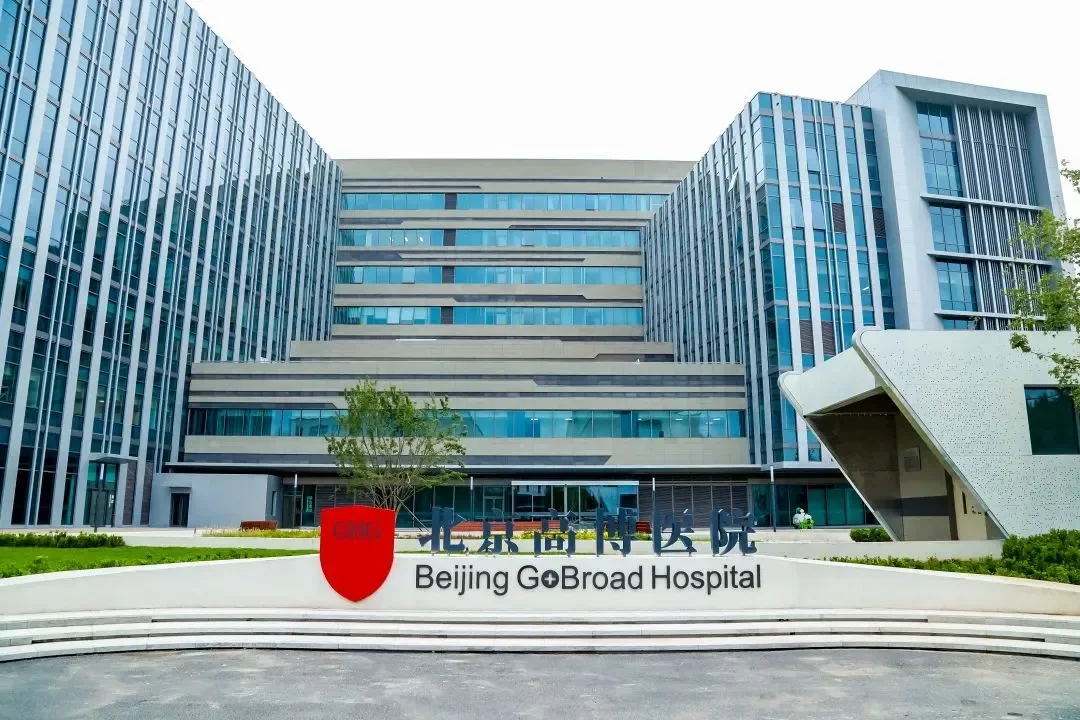
GoBroad Healthcare Group (GHG)
ChinaMore than 200 CAR-T infusions per year; GHG accounts for approximately 40% of all CAR-T procedures in China. Multi- and sequential CAR-T regimens are available.

 Israel
Sheba Medical Center
IsraelCAR-T cells are manufactured directly at the clinic. For some programs, the process from cell collection to drug readiness takes about 10 days.
 China
Lu Daopei Hospital
ChinaWorks with various CAR-T targets, including CD19, CD22, and BCMA, for leukemia, lymphoma, and multiple myeloma.

 Turkey
Acibadem
TurkeyAcibadem has its own cell therapy infrastructure, Acibadem Labcell, and experience with the CD19-targeted CAR-T program ISIKOK-19.
 Turkey
Medicana
TurkeyCAR-T is used to treat patients with relapsed and refractory B-cell leukemias and lymphomas.
 Israel
Tel Aviv Sourasky Medical Center — Ichilov
IsraelThe center specializes in cell therapy for patients whose previous treatments have not yielded the desired effect.

 Spain
Hospital Sant Joan de Déu Barcelona
SpainThe clinic has its own cell and gene therapy platform. In the published group of 58 patients, a treatment response was achieved in 88%.
Photos: official clinic materials; Ichilov — Chenspec / CC BY-SA 4.0; Sant Joan de Déu Barcelona / CC BY 3.0.
What documents are needed for assessment
Even with a suitable diagnosis, the decision depends on the characteristics of the tumor cells, previous therapy, the patient's condition, and the ability to safely complete all stages of treatment.
Discharge summary with diagnosis
✓Studies confirming the diagnosis
✓Recent PET-CT, CT, MRI, or bone marrow studies
✓Previous treatment protocols
✓Current test results
✓Information on transplantation and serious complications, if any
✓How CAR-T therapy is performed and treatment abroad is organized
From program coordination to follow-up after returning home
After the program is defined, a coordinating physician helps organize the trip, interaction with the clinic, and subsequent follow-up.
-
Program and travel coordination
Treatment dates, documents, hospitalization, accommodation near the center, and estimated length of stay.
-
Cell collection and manufacturing
T-lymphocytes are collected from the patient. Cells are modified, expanded, and checked; manufacturing usually takes several weeks.
-
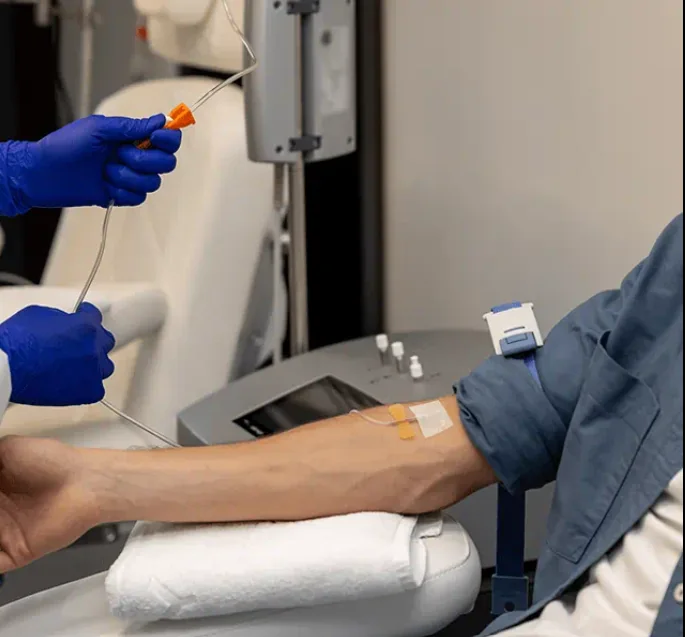
Preparation and infusion
After a short course of preparatory chemotherapy, the ready CAR-T product is administered intravenously.
-
Observation near the center
Doctors monitor the patient's condition, blood parameters, and possible complications in the hospital or near the clinic.
-
Return and follow-up
The patient receives a follow-up plan, and the coordinating doctor helps maintain communication with the foreign clinic.
What determines the cost of CAR‑T therapy
Even patients with the same diagnosis may require different cell products, preparation volume, and duration of observation. Therefore, the clinic calculates the program after reviewing medical documents.
Assessment and examinations
Consultation, medical assessment, and necessary examinations
Cell product
Selected protocol, collection, manufacturing, and delivery of cells
Preparation
Disease control and chemotherapy before infusion
Treatment at the center
Infusion, hospitalization, and stay near the clinic
Observation
Follow-up examinations, supportive therapy, and complication management
Frequently asked questions about CAR‑T
Briefly about preparation, cell product, observation, and limitations of the method.
Is CAR‑T chemotherapy?
No. It is cellular immunotherapy. However, a short course of preparatory chemotherapy is performed before infusion.
Are autologous or donor cells used?
Most registered CAR‑T products are made from the patient's own T-cells. Donor products are currently mainly part of clinical and academic programs.
Can CAR-T be administered immediately after diagnosis?
CAR-T is typically used for certain relapsed or refractory diseases. For some aggressive lymphomas, individual products may be used as early as the second line. The decision depends on the exact diagnosis and the product's regulatory indications.
Can CAR-T be administered after transplantation?
In some situations, yes. Individual assessment, infection control, and analysis of previous treatment are necessary.
Can CAR-T replace transplantation?
Sometimes CAR-T is used instead of transplantation, sometimes as a bridge to it. There is no universal rule.
What happens during cell manufacturing?
The disease may require bridging therapy. Its purpose is to control the tumor while the cell product is being prepared.
Can I go home immediately after infusion?
Usually not. In the first weeks, there is a risk of CRS, neurotoxicity, and infections. The patient must remain in the clinic or near a CAR-T center for the period established by the protocol.
Is an escort needed?
Most programs require an adult escort after discharge from the hospital due to the possibility of neurological and other complications.
Can CAR-T affect fertility?
The risk is primarily associated with prior and preparatory chemotherapy. Young patients should discuss reproductive material preservation before treatment.
Can CAR-T be repeated?
Sometimes re-infusion or a product with a different target is considered, but this is not a standard solution for all patients.