





 Clinics
 Doctors
 Stages of liver transplantation
 Cost of liver transplantation
- At the clinic's price without markups
- with full doctor support
India is a highly sought-after destination for patients seeking high-quality liver transplantation at an affordable cost. The figures speak for themselves:
-
 The first liver transplant in India was performed in 1998. Since then, the number of such procedures in the country has been growing exponentially.
 - In 2022, India ranked 3rd worldwide in the number of liver transplants , following the United States and China.
- At present, 135 certified liver transplant centers operate in India.
- In 2024, Indian clinics performed 3,946 living-donor liver transplants. This accounts for 98.95% of all such procedures performed in Southeast Asia and 40% of all liver transplants worldwide.
- The success rate of liver transplantation in India is 90% , which is comparable to outcomes in the world’s leading medical centers.
In this article, we explain in detail why India has become a global hub for transplant medicine and how treatment is carried out in the country. We have compiled the most important information to help you make an informed decision and begin your journey toward a new, healthier life.
Top Liver Transplant Surgeons in India
Experts Medical has been working with the world’s leading physicians for over 10 years. During this time, we have helped more than 12,000 patients organize medical treatment abroad. Our long-standing direct collaboration with doctors allows us to recommend specialists based on objective criteria such as qualifications, the number of successful surgeries performed, and verified patient reviews.
Leading transplant surgeons in India
 Abhidip Chaudhari. A specialist in hepatopancreatobiliary surgery and liver transplantation with more than 18 years of clinical experience. He has performed over 2,000 transplants, including complex cases such as ABO-incompatible living-donor transplantation, dual-graft liver transplantation, and the use of hyper-reduced grafts (transplantation of liver fragments in pediatric patients). Abhidip Chaudhari actively applies minimally invasive techniques in practice, including laparoscopic donor hepatectomy. He also has experience in combined transplants, performing simultaneous liver and kidney transplantation.
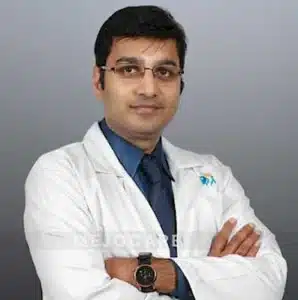 Nirav Goyal. A leading transplant surgeon at Apollo Hospitals with more than 20 years of professional experience. Together with his team, he has performed approximately 2,100 liver transplants from both living and deceased donors. Nirav Goyal is known for his contribution to the development and advancement of complex hepatobiliary and pancreatic surgeries and is highly regarded as an expert in gastroenterological transplantation. He has successfully implemented and performs liver splitting procedures for transplantation into two recipients, a technically demanding and rare intervention. In addition, the doctor performs right-lobe liver transplantation and specializes in surgeries for cirrhosis and cholangiocarcinoma.
Sanjay Singh Negi. One of the most experienced specialists in liver transplantation and hepatopancreatobiliary surgery in India. He has over 25 years of clinical practice. He has personally performed more than 700 transplants, over 20% of which were in pediatric patients and individuals with acute liver failure. He established the first successful government liver transplantation program in India. He holds qualifications from the medical councils of India, Europe, and the United States and has completed advanced training at medical centers in Seoul, Istanbul, and the USA. He is renowned for performing complex transplants in severe cases of cirrhosis, liver failure, and rare types of liver cancer.
Best Liver Transplant Clinics in India
Transplant medicine is one of the most complex fields of healthcare. The success of the procedure largely depends on the experience of the surgeon and the choice of clinic. Experts Medical cooperates with the leading Indian medical centers certified in organ transplantation. When selecting a clinic, we rely not on advertising but on verified facts, including the number of procedures performed, success rates, use of advanced technologies, and the qualifications of medical staff—from surgeons to anesthesiologists and nurses. Our team will select the most suitable medical center for you free of charge and organize your treatment in India.
Best Indian Liver Transplant Clinics







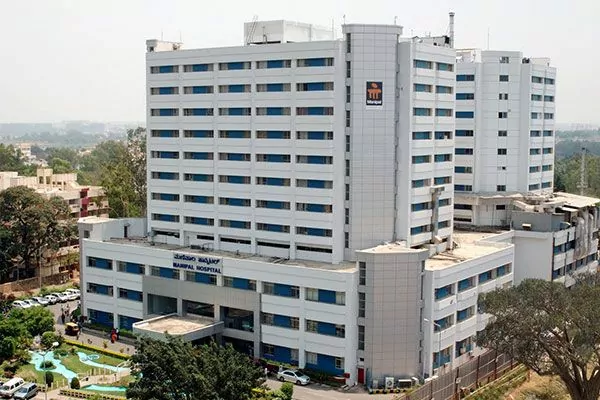
Cost of liver transplant in India
Cost of liver transplant in India
Below is a summary table comparing the cost of liver transplantation in India with medical centers in other countries.
|
Country |
Average Cost of Liver Transplantation |
Key Features |
|
India |
$24,000 – $45,000 |
The price includes all stages of treatment: diagnostics, surgery, intensive care, medications, and postoperative rehabilitation. High surgical success rate (90%) and extensive physician experience. |
|
Turkey |
$45,000 – $80,000 |
Modern clinics with international accreditation. Package-based services. Prices are slightly higher than in India but lower than in Europe and the United States. |
|
Europe |
$100,000 – $250,000 |
High-quality medical care and extended follow-up. Significantly higher costs due to comprehensive care and advanced technologies. |
|
USA |
$300,000 – $800,000 |
Access to cutting-edge technologies. Long waiting lists. The highest treatment costs. |
Liver transplantation in India is the most cost-effective option without compromising the quality of medical care. Turkey represents a balanced choice in terms of price and service level, while Europe and the United States offer premium treatment at a significantly higher cost.
What Types of Liver Transplantation Are Available in India?
For international patients, only one option is available in India—living-donor liver transplantation. Indian legislation largely excludes the possibility of receiving organs from deceased donors for foreign citizens if a suitable Indian recipient requires the same organ. This rule is established under the Human Organ Transplant Act adopted in 1994.
What Are the Requirements for Liver Donors in India?
Every foreign citizen undergoing a living-donor liver transplant in India must obtain approval from the Authorization Committee. This requires submitting a set of documents confirming the origin of both the donor and recipient, as well as proof of their familial relationship, duly оформed in accordance with the legislation of their country of origin.
Donor Selection Criteria for Liver Transplantation in India
|
Criterion |
Requirements |
|
Age |
18–50 years (up to 55 years in some centers) |
|
Family Relationship |
Mandatory: parents, children, siblings, spouses. Legislation allows donation from relatives up to the fourth degree of kinship, including cousins. |
|
Compatibility |
Blood group must be compatible with the recipient |
|
General Health |
Good overall health, absence of chronic diseases |
|
Exclusion Factors |
Diabetes, hypertension, obesity |
|
Body Mass Index (BMI) |
≤ 27 for Asian patients; ≤ 30 for patients from the Middle East |
|
Additional Factors |
Smoking and the use of oral contraceptives must be discontinued at least 6 weeks prior to surgery |
How Is a Liver Transplant Performed in India?
The liver transplant procedure includes several stages. Let us take a closer look at each of them.
Stages of liver transplantation in India
- Evaluation of the Donor and Recipient
Treatment begins with a comprehensive medical, psychological, and laboratory assessment. Indian specialists evaluate liver function, vascular anatomy, blood type compatibility, and the patient’s overall health status. Based on the recipient’s body size and the volume of the donor organ, surgeons determine which portion of the liver will be transplanted—either the right lobe, the left lobe, or a specific segment.
- Preoperative Preparation
The donor and recipient are prepared simultaneously. The donor is prepared for a partial hepatectomy, while the recipient undergoes preparation for complete removal of the diseased liver. The surgical team carefully plans the incision sites and the technique for connecting blood vessels and bile ducts (anastomoses), aiming to minimize tissue trauma and blood loss.
- Donor Surgery
The donor procedure is performed under general anesthesia. Surgeons remove a portion of the liver—either a lobe or a segment—while preserving the main blood vessels and bile ducts. In India, donor hepatectomy is most often performed using minimally invasive techniques, frequently with the assistance of robotic technology.
- Recipient Surgery
In the recipient, the damaged liver is first removed, followed by transplantation of the donor liver tissue. Surgeons then sequentially connect the veins, arteries, and bile ducts, carefully checking the integrity of all sutures and ensuring adequate blood flow to the transplanted organ.
- Immediate Postoperative Monitoring and Recovery
– After surgery, the donor is transferred to the intensive care unit for close monitoring of liver function, blood parameters, and vital signs.
– The recipient is placed in a specialized intensive care unit, where physicians closely observe graft function and monitor the patient’s overall condition during the initial phase of organ acceptance. - Rehabilitation and Post-Discharge Care
Following discharge, the recipient must adhere to a strict regimen that includes physical rest, a specialized diet, immunosuppressive therapy, and regular medical follow-up with blood tests, liver enzyme monitoring, and ultrasound examinations. Donors typically resume normal daily activities within a few weeks, while full recovery may take up to three to six months.
How Does Recovery After a Liver Transplant in India Take Place?
 Rehabilitation begins in a specialized transplant intensive care unit under the supervision of intensive care physicians and nurses. Hospitalization lasts about 2 weeks, after which patients are followed up on an outpatient basis at the transplant clinic for at least 6–8 weeks. After that, care may be continued by the patient’s attending physician in their home country.
Home recovery takes 3–6 months. During this period, strict adherence to diet, daily routine, and prescribed medications according to the surgeon’s recommendations is mandatory. Indian doctors monitor immunosuppressive therapy jointly with the attending physician via online communication tools. In other words, they continue to follow the patient even after they return to their home country.
How Quickly Does the Donor’s Liver Recover After Transplantation?
After surgery, the remaining portion of the donor’s liver regenerates rapidly. By weeks 1–2, it reaches approximately one-third of its original volume, and by week 4 it is almost fully restored (90–100%). According to scientific studies , donors who have about two-thirds of their liver removed regain nearly the entire remaining organ volume within one month.
For surgical safety, it is critically important that the residual liver volume be at least 30% of the total organ volume. This is the minimum threshold below which the risk of complications increases.
What Modern Methods Do Indian Doctors Use in Liver Transplantation?
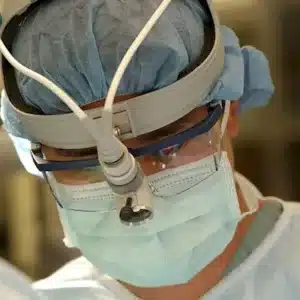 Indian transplant surgeons implement advanced technologies that make surgeries more precise and safer. The vast majority of donor liver resections are performed laparoscopically, often with the use of the da Vinci robotic system. These procedures are less traumatic and allow patients to recover more quickly.
In the field of immunosuppression, Indian centers apply modern triple-drug protocols based on tacrolimus, mycophenolate mofetil, and short-term steroid therapy. This is a globally recognized standard regimen that minimizes the risk of rejection while reducing toxic side effects.
Indian transplant specialists also use advanced techniques to make liver transplantation as safe and effective as possible, especially for complex patients.
- Preoperative preparation. Doctors use cascade plasmapheresis (blood purification) to safely perform transplantation even when the donor’s and recipient’s blood groups do not match (ABO-incompatible transplantation).
- Kidney protection. For patients with diabetic nephropathy, kidney-sparing immunosuppressive regimens based on mycophenolate mofetil are used.
- Complex surgeries. Indian surgeons apply innovative vascular reconstruction techniques, for example, restoring blood outflow from the transplanted liver using a segment of the umbilical vein.
According to data published in the journal Transplantation and other scientific journals, these approaches make it possible to achieve one-year survival rates of 85–90%.
How to Get a Liver Transplant in India?
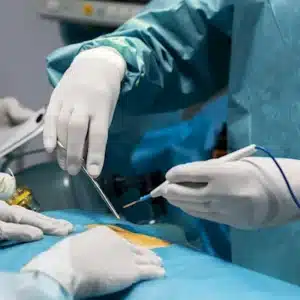 A liver transplant is not only a major surgical procedure but also a serious emotional and physical challenge for the patient and their loved ones. At such a time, it is difficult to deal with organizational issues: choosing a clinic and a doctor, verifying costs and service packages, and handling the legal aspects of donor documentation. All of this requires time and energy, which families often lack during illness.
That is why more than 12,000 patients have already entrusted Experts Medical with organizing their treatment abroad. We work directly with leading Indian transplant centers and act as their official representatives, which means our services for patients are completely free of charge.
Our team provides support at every stage — from the first online consultation with a surgeon and development of an individual treatment plan to assistance during travel and postoperative recovery. We know the success statistics of specific surgeons and help you choose the specialist who best fits your case. With over 10 years of experience, we understand the internal specifics of each clinic and know where the outcomes will be better for your particular situation.
Patients pay for treatment directly to the clinic or physician — with no additional commissions. Moreover, in many clinics no prepayment is required: all financial settlements take place after arrival. We are available 24/7 to resolve organizational issues and are always in direct contact with the attending physician. By choosing us, you can focus on what matters most — successful treatment and a return to a healthy life.