




 Best clinics
 Treatment methods and cost
 Oncologists and surgeons you can trust
 Experts Medical
 Organization of treatment
- At the clinic's price without markups
- with full doctor support
Anal canal cancer is rare but requires a serious approach, as the tumor can affect not only the rectal mucosa but also surrounding tissues. In Turkey, modern diagnostic and treatment methods are available today, including chemoradiotherapy, minimally invasive surgeries, and targeted drugs. According to Turkish studies, the five-year overall survival rate for anal canal cancer reaches 71%, and this figure can be even higher when the disease is detected early (Turkish Journal of Gastroenterology, 2018). Leading clinics follow international protocols, and experienced oncologists help design a treatment strategy tailored to each specific case. As a result, more and more patients from around the world are choosing Turkey for their therapy.
Treatment outcomes and survival rates for anal cancer in Turkey
Statistics help to understand not only the overall picture but also the real chances of patients depending on the stage of the disease and the type of therapy used. In recent years, Turkey has gained significant experience in treating anal canal cancer, and outcomes have been gradually improving thanks to the use of international protocols, modern technologies, and the expertise of specialized oncology centers.
Overall Survival and Statistics
According to a retrospective study in Turkey that included patients diagnosed with anal canal cancer, the mean survival was 152.4 months (about 12.7 years). The three-year overall survival (OS) rate reached 82%, and the five-year rate was 71.1% (Turkish Journal of Gastroenterology, 2018).
Another analysis based on 21 years of treatment experience showed a five-year disease-free survival rate of 66%, with a median survival of 51 months (Ulusal Cerrahi Dergisi, 2014).
Influencing Factors
The prognosis directly depends on the stage of the disease. The presence of metastases or lymph node involvement at diagnosis significantly worsens survival rates. Other important factors include tumor size, the patient’s general condition, and the tumor’s sensitivity to therapy.
What This Means for Patients
- For localized forms of the disease, the five-year survival rate in Turkey can exceed 70%, especially when treatment begins at an early stage.
- In metastatic cases, the prognosis worsens, making early diagnosis and rapid initiation of therapy critically important.
- Improvements in survival rates in recent years are linked to the introduction of modern chemoradiotherapy protocols, advancements in surgical techniques, and the experience of multidisciplinary teams.
Treatment methods and costs for anal cancer in Turkey
- Diagnostics
Before starting treatment, the patient undergoes a comprehensive examination to determine the stage of the disease and select the optimal strategy.
- Oncologist consultation – from 150 USD
- Pelvic MRI – from 540 USD
- PET-CT – from 500–750 USD
- Biopsy – from 2,800 USD
- Chemotherapy
Chemoradiotherapy is the standard treatment for anal canal cancer, allowing organ preservation and avoiding mutilating surgeries. Turkish clinics use modern medications, including regimens with mitomycin and fluorouracil.
- One course of chemotherapy – from 1,300–2,400 USD
- Package (PET-CT + 1 course of chemotherapy + 1 course of radiotherapy) – around 6,800 USD
- Chemotherapy port placement – from 2,800 USD
- Radiation therapy
Radiation therapy is used either as a standalone method or in combination with chemotherapy. Modern technologies such as IMRT and TrueBeam allow highly precise targeting of the tumor while minimizing exposure to healthy tissues.
- Radiotherapy, 30 fractions – from 7,300 USD
- IMRT (intensity-modulated radiotherapy) – around 7,500 USD
- TrueBeam (25 fractions) – from 7,700 USD
- Radiation therapy for one area – around 5,500 USD
- Surgical treatment
Surgery is used less frequently, usually in cases of recurrence or when the tumor does not respond to conservative treatment. Leading clinics in Turkey use minimally invasive and robotic techniques, which help reduce complications and speed up recovery. The cost depends on the extent of the operation and the specific clinic, with prices starting at around 10,000 USD.
- Immunotherapy and targeted drugs
For patients with advanced or treatment-resistant anal canal cancer, modern therapies such as immunotherapy and targeted treatments may be prescribed. In Turkey, these options are available at leading oncology centers.
- Immunotherapy – from 680 to 2,600 USD per course
- Targeted therapy (depending on the drug) – from 1,300 USD
Treatment of anal canal cancer in Turkey follows international protocols and most often combines several methods. The mainstay of therapy is a combination of chemotherapy and radiation therapy, with surgical intervention performed when necessary. In complex cases, immunotherapy and targeted drugs may also be used.

At Experts Medical, we’ve been helping patients find the best doctors and clinics abroad for over nine years. During this time, we’ve assisted more than 12,000 people and know exactly where real help is provided and where it’s just about advertising. We approach every case not as intermediaries, but as personal medical coordinators who guide you through every step until the very end.
Our work begins with a detailed review of your diagnosis. We collect your medical documents, send them to doctors, consult with clinics, and choose the option where you’ll have the best possible chances. When selecting, we focus not only on the clinic’s reputation but also on the actual treatment results achieved by specific doctors.
What we do for you:
- Select a clinic and doctor free of charge based on your diagnosis and disease stage
- Send your medical documents to several clinics to obtain different opinions
- Organize online or in-person consultations with leading specialists
- Assist with visa arrangements, flight booking, and transfers
- Provide full support during treatment, including interpreter services
- Stay in touch after treatment and assist with follow-up examinations
You don’t pay us for organization. We are official representatives of leading clinics, and all payments are made directly to the hospital. No commissions, markups, or unexpected “fees” — only transparent and honest medical care.
We are more than a company — we’re a team that takes care of your health as if it were our own family’s. We’re on your side, we protect your interests, and we always stand behind the result.
The Best Clinics in Turkey for Anal Canal Cancer Treatment

1. Memorial Sisli Hospital
Memorial Sisli Hospital is one of Turkey’s leading hospitals and part of the Memorial Health Group network. The clinic performs more than 76,000 surgeries each year, including complex oncological procedures. It was the first hospital in Turkey to receive international JCI accreditation, confirming its high standards of safety and quality of care. The oncology center operates under a multidisciplinary approach, where each case is reviewed by a team of oncologists, radiologists, surgeons, and other specialists.
For the treatment of anal canal cancer, Memorial Şişli follows international protocols. Patients undergo detailed diagnostics, including PET-CT and MRI, followed by chemoradiotherapy with the option of surgery when necessary. The clinic actively uses advanced technologies such as IMRT, the StealthStation S8 navigation system, and targeted or immunotherapy regimens for advanced cases.
Features of anal canal cancer treatment at Memorial Şişli:
- Personalized treatment plan developed by a multidisciplinary team
- Advanced imaging (PET-CT, MRI, CT) and pathology review before treatment begins
- Use of IMRT and TrueBeam for precise radiotherapy with minimal impact on healthy tissues
- Possibility of organ-preserving treatment without surgery through targeted chemoradiotherapy
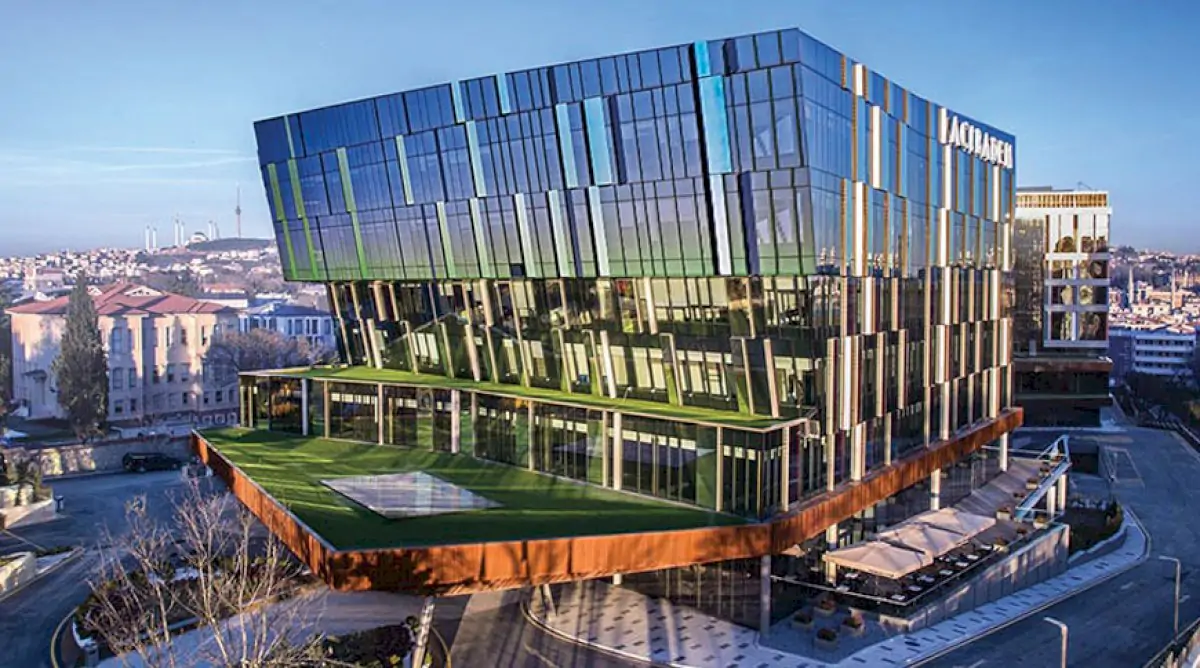
2. International Medical Center Acibadem
International Medical Center Acibadem is the largest private healthcare network in Turkey, serving tens of thousands of international patients every year. In treating anal canal cancer, the clinic applies a multidisciplinary approach that combines precise diagnostics, advanced radiotherapy, and access to innovative immunotherapy and targeted therapy. An additional advantage is its participation in international treatment protocols, which is especially important for complex and rare tumor types, including anal canal cancer.
The oncology departments of Acibadem operate according to the same standards as leading European clinics. The hospital’s advanced equipment allows specialists to use cutting-edge techniques at every stage — from PET-CT and robotic surgery to precision radiosurgery.
Features of anal canal cancer treatment at Acibadem:
- Modern radiotherapy using TrueBeam and MR-LINAC systems
- Non-surgical treatment options with CyberKnife and Gamma Knife technologies
- Personalized chemotherapy and targeted therapy regimens
- Genetic testing of tumors and biomarkers for treatment selection

3. Medical Park Clinic
Medical Park Clinic is the largest private hospital network in Turkey, consisting of more than 28 medical centers across 17 cities. Each year, tens of thousands of international patients receive treatment here, including those with oncological diagnoses. In its oncology centers, Medical Park applies a multidisciplinary approach, combining modern chemotherapy and radiotherapy, and when necessary, stem cell transplantation. The clinics employ internationally trained doctors who follow the latest ESMO and NCCN guidelines.
Special attention is given to rare and complex cases, including anal canal cancer, with the use of modern treatment protocols and high success rates. The clinic also provides extensive support for international patients, offering interpreters, transfers, personal coordinators, and single-patient rooms.
Features of anal canal cancer treatment at Medical Park:
- Accurate diagnostics using PET-CT, MRI, and biopsy review
- Chemoradiotherapy as the main organ-preserving method
- Access to targeted therapy and immunotherapy for advanced stages
- Radiotherapy with TrueBeam STx, MR-LINAC, and tomotherapy
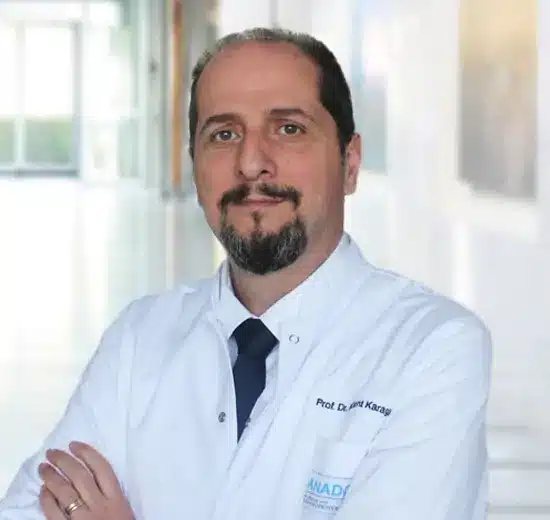
Oncologists and surgeons trusted by our patients


How to choose a clinic and doctor
- Experts Medical Experience
Our experience is more than just numbers. We constantly track treatment outcomes, stay in touch with patients after they return home, and see where real help was provided versus where there were only big promises. This approach allows us to clearly understand which clinics and doctors can be trusted and where caution is needed.
- Trusted clinics and doctors
We do not work with clinics or doctors unless we are confident in their results. All our recommendations are based on real experience and patient stories. We rely not on advertising but on specific cases, statistics, and feedback from people who have completed treatment. That is why our list includes only those doctors and cancer centers we truly trust.
- Individual selection
There is no universal clinic or doctor that suits everyone. We select the medical team based on the specific situation, considering the stage of the disease, the patient’s overall condition, the presence of comorbidities, and even personal preferences. For one patient, the surgeon’s experience may be crucial; for another, access to advanced radiotherapy or immunotherapy could be the key factor.
- Why is this critical?
It’s difficult for a patient to evaluate the quality of a clinic or the level of a specialist, especially in another country and language. We, however, rely on facts: recovery stories, survival data, and feedback from patients who have already gone through this process. This is what enables us to recommend only what truly works.
How is treatment organized and how long does it take?
Initial Contact
The patient contacts us and provides medical documents — such as discharge summaries, reports, scans, and test results. This is enough to get started.
Analysis and Clinic Selection
We send the medical documents to several specialized clinics in Turkey. The doctors provide treatment plans, therapy options, and exact pricing. The patient receives a clear understanding of what to expect. If the medical condition remains stable, the proposed price and plan stay the same, with no unexpected changes.
Support During Treatment
Throughout the entire treatment process, the patient is never left alone. A medical coordinator assists with scheduling consultations and procedures, answers questions, and helps manage everyday needs so the patient can fully focus on recovery.
Clinic Selection and Online Consultation
The patient chooses a clinic and a doctor. We arrange an online consultation (usually free of charge) to discuss treatment details. If a visa is required, we assist with the application process.
Travel Preparation
We book flight tickets, arrange airport transfers, and find a hotel near the clinic. A Russian-speaking coordinator and interpreter are assigned to accompany the patient throughout all stages of treatment.
Assistance in Turkey
The patient is never left alone. A medical coordinator supports them throughout the process, helping with scheduling procedures, answering questions, and handling everyday matters so the patient can focus entirely on their health.
Post-Treatment Support
After discharge and returning home, we stay in touch. The coordinator helps obtain follow-up recommendations, prepare necessary documents, arrange online consultations, and organize follow-up tests.
At Experts Medical, we don’t just help select a clinic and doctor — we support the patient at every stage, from the first contact to returning home. Below, we explain how the process works and how long treatment typically takes on average.
How long does the treatment take?
- Diagnostics: Typically takes about 5 days. This includes consultations, tests, and imaging (CT, MRI, PET-CT). Following this, a consultation of doctors is held to formulate a precise treatment plan.
- Chemotherapy: One cycle lasts approximately one month. After the course, the patient can go home with the medications if their condition is stable. Follow-up visits or remote monitoring are scheduled every three months.
- Chemotherapy: One cycle lasts approximately one month. After the course, the patient can go home with the medications if their condition is stable. Follow-up visits or remote monitoring are scheduled every three months.
- Genetic testing for targeted therapy: The tests take about 14 days. While the doctor waits for the results, maintenance therapy is often prescribed to save time. A personalized targeted treatment plan is then developed.
- Surgical treatment: If surgery is the only required procedure, the stay in Turkey lasts 7 to 10 days. This includes preoperative preparation, the surgery itself, and monitoring during the early recovery period.
The duration depends on the diagnosis, stage of the disease, and the chosen treatment strategy. Below are the approximate timeframes most commonly encountered by patients.
Conclusion
Anal canal cancer requires accurate diagnosis, a comprehensive approach, and an experienced team of doctors. All of this is available today in Turkish clinics, where international protocols are followed, modern treatment methods are applied, and specialists trained in Europe and the United States practice.
Patients receive high-quality treatment in comfortable conditions, without waiting lists, and with full support at every stage — from selecting a doctor to returning home. Thanks to an individualized approach and the high expertise of oncologists, more and more people choose Turkey as a country where they can not only undergo treatment but also maintain their quality of life.
If you value professionalism, advanced technology, and transparent organization, Turkey may be the right choice for you.
Frequently Asked Questions
Is it possible to undergo organ-preserving treatment for anal canal cancer without surgery?
Yes, for most squamous cell tumors of the anal canal, the standard treatment is chemoradiotherapy. This approach helps preserve the anatomical structure and function of the anal sphincter. In Turkey, modern protocols (such as the Nigro protocol) are used, and advanced equipment allows precise targeting of the tumor while minimizing side effects.
What chemotherapy regimens are used in Turkey for anal canal cancer treatment?
The most common combination is 5-fluorouracil (5-FU) with mitomycin C or capecitabine. In some cases (for example, when contraindications exist), the regimens can be modified. The choice depends on the disease stage, the patient’s overall condition, comorbidities, and the tumor’s mutational profile if molecular testing has been performed.
Are molecular genetic tests performed in Turkey for anal canal cancer?
Yes, leading clinics perform NGS panels and tests for MSI, TP53, KRAS, PIK3CA, and other mutations, especially in recurrent or metastatic cases. These results are used to select targeted or immunotherapy options and can also support participation in international clinical trials.
How is tumor reassessment organized if there is no response to therapy?
If there is incomplete tumor regression or new symptoms appear, the patient is referred for repeat multidisciplinary review. PET-CT scans and biopsies (if residual tumor is suspected) are performed, and histological samples may be re-evaluated. Based on the results, a decision is made regarding surgery or a change in the treatment strategy.
Does Experts Medical provide support for patients in cases of recurrence or the need for retreatment?
Yes, even after completing the main treatment phase, Experts Medical patients remain under follow-up. In the event of recurrence, the team helps send updated diagnostic results to the clinic, arranges a new consultation, and, if necessary, organizes another treatment trip or assists with therapy coordination in the patient’s home country.