




 Top Hospitals
 Cost of Treatment
 Leading Oncologists and GI Surgeons
 Experts Medical
 Success Rates of Treatment
- At the clinic’s price without markups
- with full doctor support
Pancreatic cancer is tough, no way around it. It’s aggressive, often silent in the early stages, and calls for a fast, coordinated response once diagnosed. But here’s the good news, if you’re looking at treatment options in India, you're not starting from scratch. India has quietly built a reputation for being a global destination for complex cancer care, and that includes pancreatic cancer. Each year, more than 120,000 new cases of pancreatic cancer are reported in India, and survival strongly depends on early detection. While global 5-year survival rates remain low at about 10%, specialized centers in India are seeing significantly better outcomes for patients eligible for surgery or multimodal therapy. This guide breaks down what treatment looks like, what your options are, and which hospitals and doctors are leading the way in India right now. If you’re navigating a fresh diagnosis or helping someone else figure out next steps, this is a good place to start.
Pancreatic Cancer Care Success Rates in India
Pancreatic cancer has a reputation for being one of the toughest cancers to treat, and the numbers in India reflect that reality. Overall 5-year survival is still in the single digits, hovering around 6 percent, largely because most people are diagnosed when the disease is already advanced. Only about one in five patients are in a position to undergo surgery at the time of diagnosis, and that’s the group that tends to do best. (ICMR Consensus Document on Pancreatic Cancer, 2019)
When caught early enough for surgery, the picture changes. At Tata Memorial Hospital, one of India’s busiest cancer centers, mortality after the Whipple procedure is under 4 percent, and survival at three years for resected patients is close to 44 percent. For a disease as aggressive as pancreatic cancer, those numbers matter. They show that outcomes improve dramatically when treatment happens in high-volume centers with experienced teams. (Indian Multicentre Study, 2009)
Stage of diagnosis is the biggest factor. Localized cases do far better, with survival rates in the 40 percent range, while advanced or metastatic cases see survival drop sharply into the teens or lower. That’s in line with global benchmarks, and it highlights how critical early detection and referral to a specialist hospital really are.
Chemotherapy and targeted drug regimens are also making a difference. In India, combinations like FOLFIRINOX or gemcitabine with nab-paclitaxel have pushed median survival for advanced cases into the 10–12 month range, which is a meaningful gain compared to older treatments. In borderline cases, where tumors may not look operable at first, neoadjuvant therapy has helped some patients reach surgery and even stretch survival into the 3-year mark. (J Gastrointestinal Cancer, 2025)
The bottom line is this: Outcomes in India vary a lot depending on stage and access, but when patients get to a center that handles pancreatic cancer every day, survival rates and quality of life after treatment are much stronger. It’s one of those cancers where the hospital and team you choose really can change the story.
How Much Does Pancreatic Cancer Treatment Cost in India?
- 10,300 – 14,500 USDSurgery for Pancreatic Cancer (Whipple procedure or distal pancreatectomy)
- 6,600 – 14,300 USDChemotherapy (per course, depending on drugs used)
- 1,200 – 2,600 USDTargeted Therapy / Immunotherapy (drug-dependent)
- 17,000 – 20,000 USDIntraperitoneal Chemotherapy (HIPEC, for advanced abdominal spread)
- 2,000 – 3,500 USDCyberKnife Radiosurgery (for inoperable pancreatic tumors or metastases)
- 6,100 – 7,600 USDRadiation Therapy (conventional or IMRT)
- 550 – 2,700 USDTumor Biopsy (including pancreatic tissue biopsy)
- 70 – 700 USDBone Marrow Biopsy or Histology Review (for staging and precision diagnosis)
These prices can vary depending on the hospital, patient condition, stage of cancer, and whether advanced technologies like robotic surgery or precision-guided radiotherapy are used. Even with these variables, treatment in India generally costs 50–70% less than in Europe or the US, without compromising on international standards of care.

At Experts Medical, our goal is straightforward: we make it easier for people to get the right treatment abroad, without the confusion or stress that often comes with it. A cancer diagnosis, or even the need for a second opinion, can feel overwhelming enough on its own. That’s where we step in, helping you navigate the process from the first consultation to your safe return home.
One thing patients appreciate is that we don’t charge for our services. You pay your hospital directly. Our role is to represent your interests, make sure you’re connected with the right doctors, and smooth out all the details in between.
Here’s how it usually works with us:
- We start with your case:
You share your medical reports, scans, or test results. We organize these and prepare them for international specialists so that nothing gets lost in translation.
- We help match you with the right expert:
Not every oncologist has the same focus. Some are leaders in pancreatic surgery, others in chemotherapy, immunotherapy, or precision treatments. We make sure you’re connected with someone who truly specializes in your condition.
- We handle the logistics:
Appointments, visas, travel tickets, accommodation, we’ll take care of it. Need a translator or help navigating the city? We arrange that too.
- We stay with you, even after treatment:
Our support doesn’t end at hospital discharge. If you need help with follow-up appointments, medical records, or even just reassurance during recovery, you’ll always have a point of contact with us.
So far, more than 12,000 patients: from kids with rare diseases to adults facing complex cancers—have trusted us with their journeys. And if there’s one thing we’ve learned, it’s that the right care in the right place can completely change someone’s outcome.
India’s Top Hospitals for Pancreatic Cancer Treatment
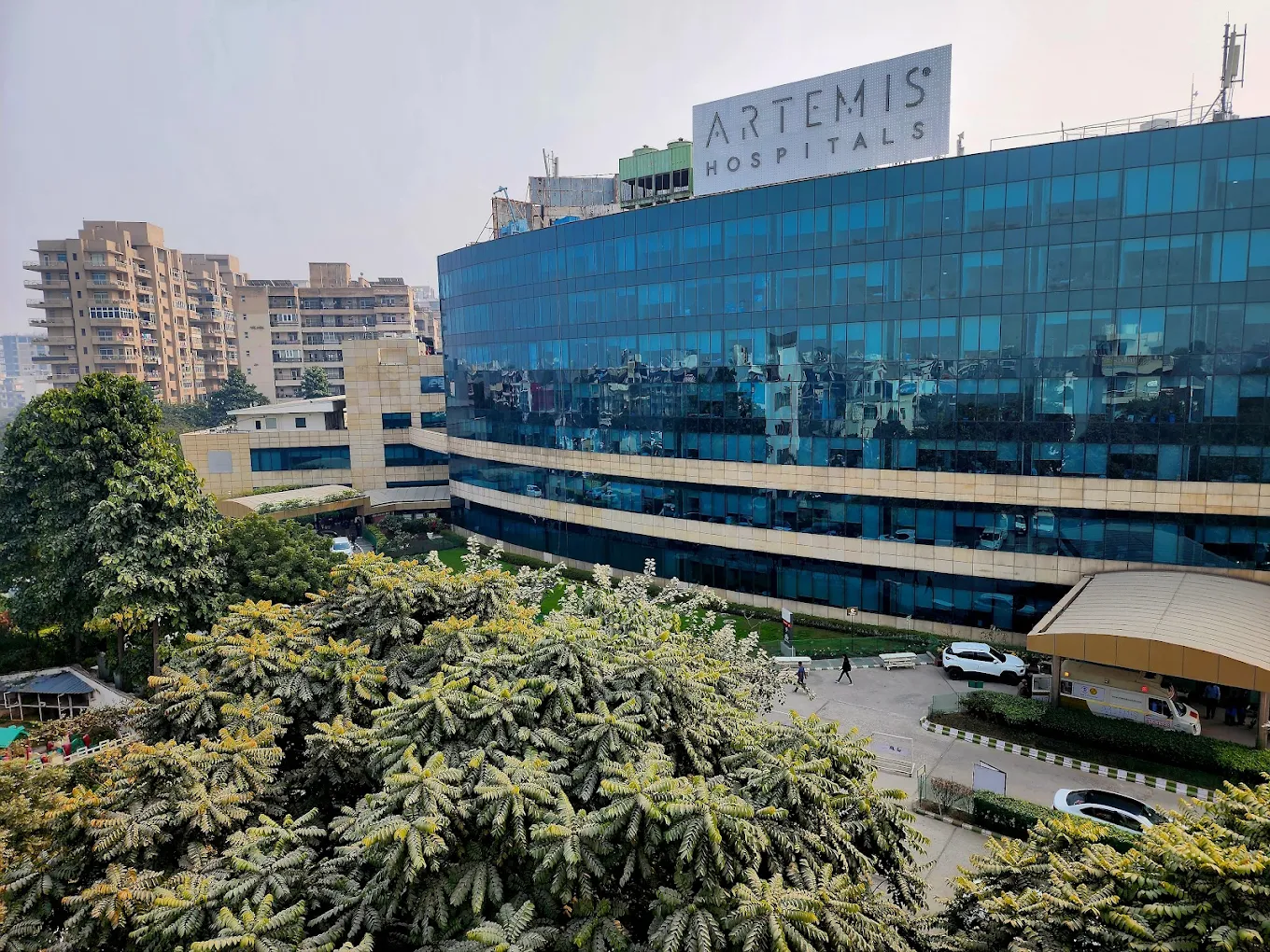
1. Artemis Hospital

Artemis Health Institute has become one of the trusted centers in India for complex cancer care, including pancreatic cancer. The hospital combines advanced diagnostic tools like PET-CT, MRI 3-Tesla, and molecular testing with a team-based treatment approach. This coordination is particularly valuable for pancreatic cancer, where decisions about surgery, chemotherapy, or radiation need to be made quickly and carefully. Minimally invasive and robotic-assisted surgeries, including Whipple procedures, are part of their standard practice, helping patients recover faster and with fewer complications.
Artemis’s oncology team regularly reviews cases in tumor boards and uses modern therapies such as targeted drugs and high-precision radiation like IMRT and IGRT. For pancreatic cancer patients, this means access to both cutting-edge technology and specialists who treat these cases every day.
What Artemis Offers for Pancreatic Cancer Patients:
- Robotic-assisted surgeries, including the Whipple procedure
- Advanced diagnostics like genetic profiling and molecular testing
- High-precision radiation treatments like IMRT and IGRT

2. Fortis Healthcare

Fortis Healthcare has built a reputation as one of the most advanced medical networks in India, and that extends to their pancreatic cancer program. At the Fortis Cancer Institute, each case is managed by a multidisciplinary tumor board where oncologists, surgeons, radiologists, and pathologists collaborate to shape personalized treatment strategies. For pancreatic cancer patients, this often means access to complex surgeries like the Whipple procedure, performed with robotic and minimally invasive techniques that reduce recovery time. Precision radiation therapies such as IMRT, IGRT, and stereotactic radiosurgery are also available, allowing doctors to target tumors while protecting nearby organs.
The network is particularly strong in integrating surgery with advanced chemotherapy and newer targeted or immunotherapy options. For patients with advanced or metastatic pancreatic cancer, Fortis offers HIPEC (heated intraperitoneal chemotherapy) and genetic profiling to guide treatment decisions. For complex cancers like pancreatic, this combination of expertise and coordination is what makes Fortis a frequent choice for care.
What Fortis Offers for Pancreatic Cancer Patients:
- Full multidisciplinary care through the Fortis Cancer Institute
- High-end surgeries for pancreatic, liver, and GI cancers
- Cutting-edge radiation therapies like IMRT, IGRT, and stereotactic techniques
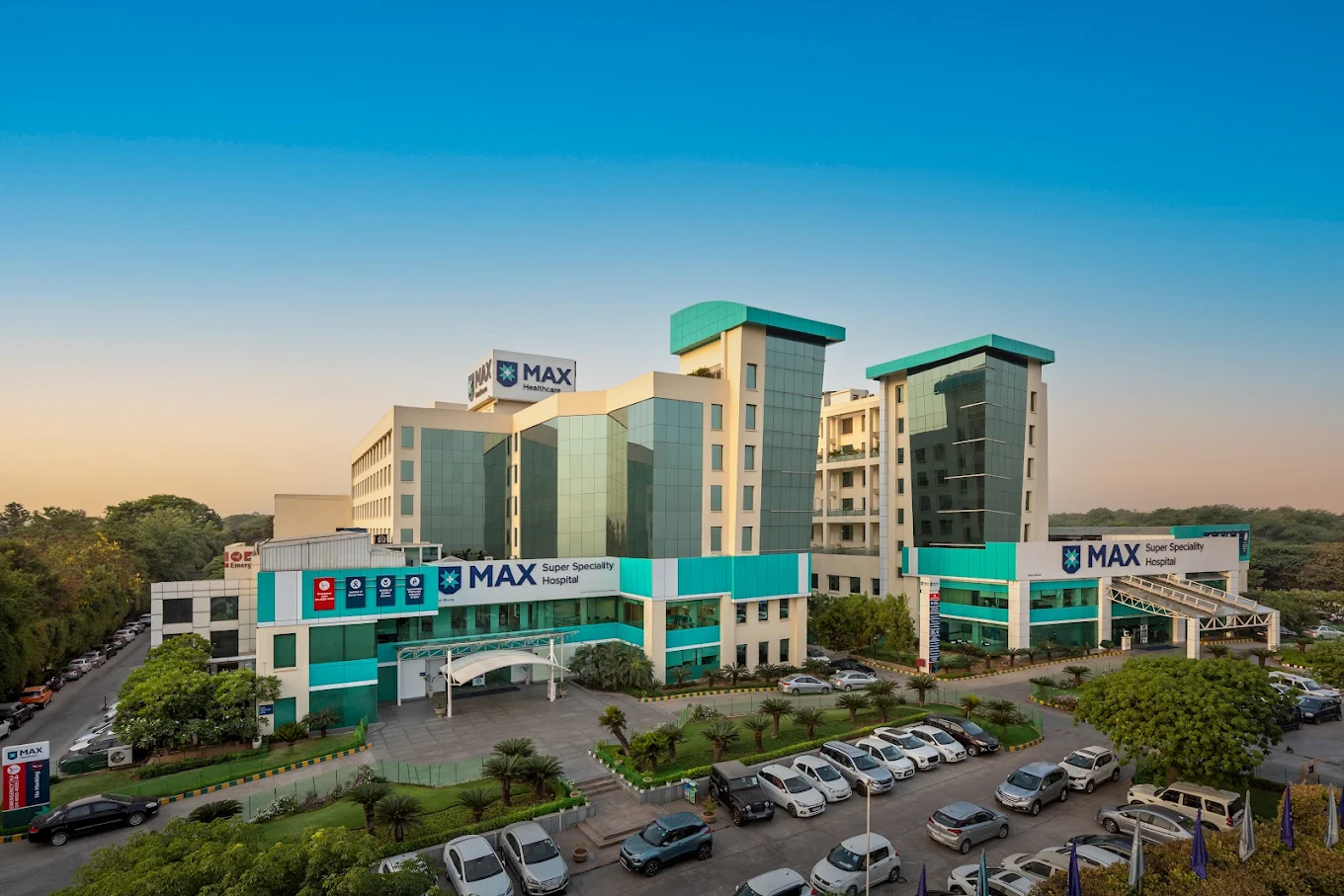
3. Max Healthcare

Max Healthcare is one of the largest hospital networks in India, and its cancer centers are known for handling complex cases like pancreatic cancer with a multidisciplinary approach. Patients here benefit from advanced diagnostic tools such as 3-Tesla MRI, PET-CT, and intraoperative CT, which help doctors assess tumor spread with precision before surgery. Surgical teams use the Da Vinci robotic system and minimally invasive methods for pancreatic resections, including Whipple procedures, aiming to reduce complications and speed up recovery.
For patients with advanced or inoperable pancreatic cancer, Max hospitals offer options like HIPEC (heated intraperitoneal chemotherapy), stereotactic body radiotherapy, and targeted therapies guided by genetic testing. Their oncologists work closely with specialists in hepatobiliary and gastrointestinal surgery, ensuring that treatment plans are highly individualized. With international accreditations like JCI and NABH, plus a dedicated support system for foreign patients, Max Healthcare has become a trusted choice for those seeking high-quality pancreatic cancer care at a more affordable cost compared to Western centers.
What Max Offers for Pancreatic Cancer Patients:
- HIPEC for treating abdominal cancers that have spread to the peritoneum
- Robotic-assisted surgery for pancreatic, liver, and GI cancers
- High-precision radiation options like IMRT, IGRT, and stereotactic therapy

4. Medanta Hospital

Medanta is one of India’s best-known centers for complex cancer treatment, and its Institute of Oncology regularly manages challenging cases like pancreatic cancer. With more than 1,600 beds and over 800 doctors, the hospital is built around a multidisciplinary model: pancreatic cancer patients are reviewed by teams of oncologists, hepatobiliary surgeons, radiologists, and gastroenterologists to create highly individualized plans. The center is equipped with advanced imaging such as 3-Tesla MRI, PET-CT, and intraoperative scanning, which helps doctors plan surgeries with accuracy. Medanta surgeons perform a wide range of pancreatic procedures, including Whipple and distal pancreatectomy, often using minimally invasive or robotic-assisted techniques for faster recovery.
For patients with advanced disease, Medanta offers therapies that combine international standards with innovative approaches. This includes HIPEC for abdominal metastases, CyberKnife radiosurgery, and targeted treatments based on molecular testing. The hospital’s strong transplant program is another advantage, as patients with both pancreatic and liver involvement can be managed under one roof.
What Medanta Offers for Pancreatic Cancer Patients:
- Robotic surgeries for pancreatic and GI cancers, including Whipple procedures
- Custom chemo plans based on your tumor’s genetic profile
- Image-guided radiation that targets tumors without harming healthy tissue
The Specialists Behind the Scalpel


Final Word: Why India?
At the end of the day, getting diagnosed with pancreatic cancer is overwhelming, but it doesn’t mean you’re out of options. India has stepped up as a destination not just for affordable care, but for truly world-class treatment.
What makes the biggest difference isn’t just the cost. It’s the way doctors here work together, how teams guide you through the process, and how every piece of care is built around you.
If you’re navigating this disease, India might just be the place where things start to turn.
Frequently Asked Questions (FAQ)
Which hospitals in India are best for pancreatic cancer treatment?
Some of the top hospitals include Medanta (Gurgaon), Apollo Cancer Centres, and Manipal Hospitals. These centers have advanced technology, experienced GI oncologists, and teams that handle complex pancreatic cases regularly.
What is the average cost of Whipple surgery for pancreatic cancer in India?
The cost of Whipple surgery in India usually ranges between 10,300 and 14,500 USD, depending on the hospital, city, and whether robotic assistance is used.
Are targeted therapies for pancreatic cancer, like Erlotinib or newer drugs, available in Indian cancer centers?
Yes. Indian oncology centers provide Erlotinib, FOLFIRINOX, gemcitabine-based regimens, and newer targeted or immunotherapy drugs, often at a fraction of international costs due to the availability of generics.
What imaging and diagnostic tests are usually required before pancreatic cancer surgery in India?
Typical tests include contrast-enhanced CT scan, MRI, PET-CT, endoscopic ultrasound (EUS), and biopsy with histology review to confirm diagnosis and assess operability.
What is the typical recovery time after pancreatic cancer surgery in Indian hospitals?
Most patients take 6 to 8 weeks to recover fully after Whipple surgery. Minimally invasive or robotic procedures may reduce recovery time by 1–2 weeks compared to open surgery.