




 Top Hospitals
 Cost of Treatment
 Leading Doctors
 Experts Medical
 Treatment Results
- At the clinic’s price without markups
- with full doctor support
Tonsil cancer isn’t as common as other head and neck cancers, but it can be just as serious if it’s not spotted early. The tonsils sit at the back of the throat, playing a role in the body’s immune defense. When cancer develops here, symptoms like persistent sore throats, difficulty swallowing, or swollen lymph nodes can often be mistaken for routine infections. That’s why proper diagnosis and timely treatment matter so much. In India, head and neck cancers make up nearly 30% of all cancer cases, and data shows that patients with tonsil cancer can achieve 5-year survival rates of about 70–80% if diagnosed early, compared to 40% or less in advanced stages. Patients benefit from access to advanced care, with skilled surgical teams using robotic surgery, targeted therapy, and precision radiation, while the overall cost remains far lower than in many Western countries. This combination has made India a trusted destination for international patients seeking reliable cancer treatment.
Patient Outcomes After Tonsil Cancer Treatment in India
When it comes to tonsil (oropharyngeal) cancer, survival outcomes in India vary widely depending on stage at diagnosis, treatment access, and HPV status.
Recent studies show that outcomes are improving in specialized centers, but the national picture remains mixed. For example, a major analysis across 10 population-based registries covering over 14,000 patients reported an overall 5-year survival rate of just 37.2%, reflecting the reality that many patients are diagnosed at advanced stages. (JAMA Network Open, 2025)
Not all reports are as encouraging. A hospital-based study in Central India found a 5-year survival rate of only 26%, highlighting the heavy impact of late-stage presentation and incomplete treatment. (Healthcare Bulletin, 2024)
On the other hand, leading cancer centers report far stronger numbers. At Tata Memorial Hospital in Mumbai, a large cohort study showed 65% 5-year survival among patients who received full, curative treatment (ecancer, 2024). Early-stage diagnosis offers the best outlook: survival approaches 100% in Stage I and remains high at 85% in Stage II, before falling sharply to around 42% in Stage I. (Indian Clinical Practice Consensus, 2024)
Another factor shaping outcomes is HPV status. Indian data mirrors global trends - patients with HPV-positive tonsil cancer have significantly better results, with 5-year survival of around 69%. By contrast, HPV-negative cases show far poorer outcomes, with survival rates dropping to roughly 32%.(Nature Medicine, 2025)
What This Means for Patients Considering India
- Early diagnosis and completion of curative treatment are key, leading to survival rates well above national averages.
- HPV status strongly influences outcomes; HPV-positive patients consistently see better results with modern multimodal therapy.
- Reputable Indian cancer centers are achieving outcomes that approach global benchmarks, especially when access to advanced technology, multidisciplinary teams, and strong follow-up care are leveraged.
Understanding the Costs of Tonsil Cancer Treatment in India
For international patients, India offers a cost advantage of nearly 50–70% lower prices compared to Western countries, while still providing access to advanced technologies such as robotic surgery, IMRT/IGRT radiation, and immunotherapy.
Key Procedures and Estimated Costs in India
- Tumor Biopsy: Typically the first step in confirming a diagnosis. In India, a tonsil tumor biopsy may cost $200–1,300.
- Surgical Removal of Tonsil Tumor: Surgery costs depend on whether the case requires robotic systems or open surgery. In India, tonsil cancer surgery averages $3,000–6,200.
- Chemotherapy: A full course of chemotherapy, often combined with radiation for tonsil cancer, ranges between $3,300–9,500 per treatment plan.
- Radiation Therapy: Standard IMRT/IGRT radiation: $3,000–5,000; CyberKnife stereotactic radiotherapy: $1,500–2,600
- Targeted Therapy: Targeted drugs such as cetuximab, sometimes used in head and neck cancers, cost approximately $900–1,200 per cycle.
- Immunotherapy (e.g., Nivolumab, Pembrolizumab): Cutting-edge drugs reserved for advanced or recurrent cases cost about $2,500–3,800 per infusion.
Overall Treatment Package
A complete treatment plan for tonsil cancer in India, combining surgery, radiation, and chemotherapy where required, generally falls between $8,000 and $18,000. Adding targeted therapy or immunotherapy increases the cost, but even then, the final bill is usually far below Western averages, where similar care can exceed $60,000–100,000.

At Experts Medical, our role is simple: to make world-class treatment abroad accessible and stress-free for every patient. We act as official representatives of more than 100 foreign clinics, which means you never pay us for our services. You only make payments directly to the clinic once you arrive for treatment. There are no hidden costs or extra charges: just honest, transparent support from start to finish.
What this means for you:
- No service fees: Our work is funded by the partner clinics, not by patients.
- Transparent payments: All financial transactions happen at the hospital or clinic, not through us.
- Trusted partnerships: We collaborate only with licensed and accredited international clinics.
How We Organize Treatment
- We study your medical case: Our team reviews your medical history and translates documents so that international doctors can assess your condition accurately.
- We select the right doctor: A medical commission helps us identify the specialist best suited for your situation. We consider qualifications, your diagnosis, and personal preferences.
- We help with foundations: For children under 18, we support families in preparing paperwork and connecting with international foundations that may cover treatment costs.
- We arrange your travel and treatment: From visa assistance to booking flights, hotels, and transfers, we handle the logistics so you can focus on your health.
- We provide 24/7 support: Our team stays with you throughout the process, helping with financial questions, invoice checks, visa matters, and anything else that comes up during or after treatment.
When you come to us, you don’t just get a list of clinics - you get a partner who walks with you through every detail of treatment abroad. We don’t add fees or middle-man costs. We connect you directly with top hospitals and stay by your side, 24/7.
With Experts Medical, you focus on recovery. We take care of the rest.
Top Hospitals for Tonsil Cancer in India
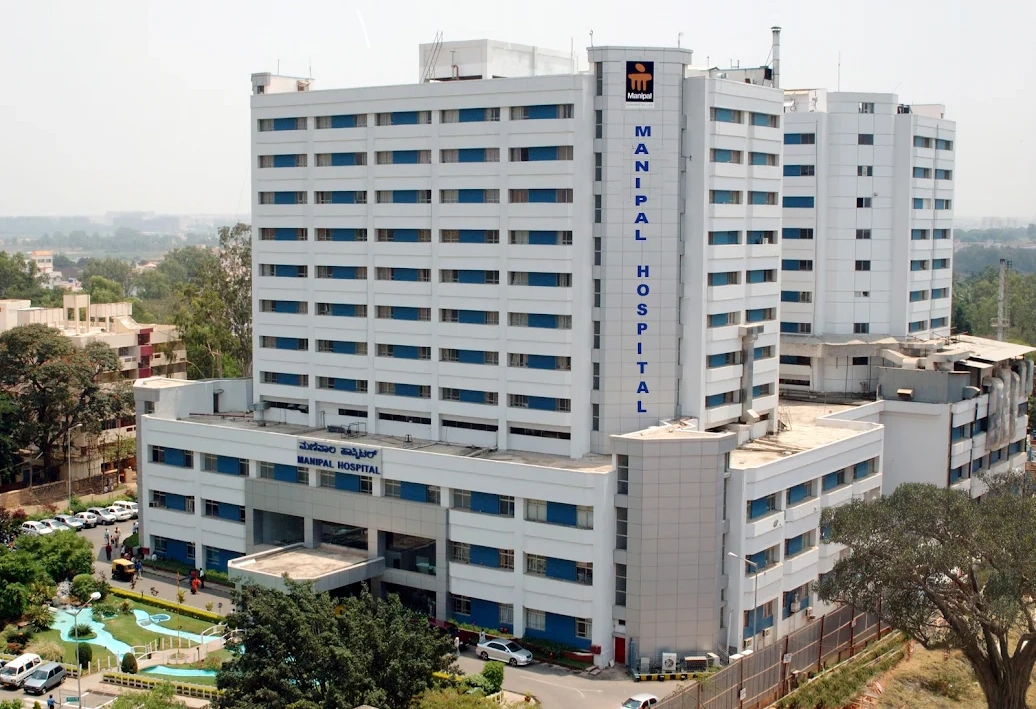
1. Manipal Hospital

Manipal Hospital manages tonsil cancer within a structured head and neck program that blends precise surgery with evidence-based adjuvant therapy. For operable disease, teams prioritize organ-preserving approaches such as transoral excision, including robotic assistance when indicated, paired with selective or comprehensive neck dissection based on nodal risk. Pathology drives next steps, with margin status, extranodal extension, and HPV status guiding decisions on radiation or chemoradiation.
Radiation oncology plans typically use IMRT or IGRT to maximize local control while protecting salivary glands, pharyngeal constrictors, and spinal cord. Medical oncology integrates concurrent chemotherapy for high-risk features, and reserves targeted agents or immunotherapy for recurrent or metastatic settings.
Why Manipal for Tonsil Cancer Care:
- Multidisciplinary head and neck tumor boards align surgery, radiation, and systemic therapy
- Transoral and robotic techniques for organ-preserving resection when feasible
- Evidence-based adjuvant pathways driven by margins, nodes, and HPV status
- Precision planning with IMRT or IGRT to reduce xerostomia and dysphagia risk

2. Medanta

Medanta treats tonsil cancer within a dedicated head and neck pathway that prioritizes organ preservation without compromising margins or nodal control. For resectable disease, surgeons use transoral techniques, including robotic assistance when indicated, combined with selective or comprehensive neck dissection based on risk. Pathology features such as margins, extranodal extension, perineural or lymphovascular invasion, and HPV status guide adjuvant decisions.
Concurrent chemotherapy is added for T3–T4 tumors, multiple nodes, or high-risk pathology, and systemic options like targeted therapy or immunotherapy are considered for recurrent or metastatic settings.
Why Medanta for Tonsil Cancer Care:
- Structured head and neck tumor boards aligning surgery, radiation, and systemic therapy
- Transoral and robotic resections for organ-preserving primary tumor control
- Evidence-based adjuvant algorithms driven by margins, nodes, HPV status, and ENE
- IMRT or IGRT planning to reduce xerostomia and dysphagia while maintaining dose coverage
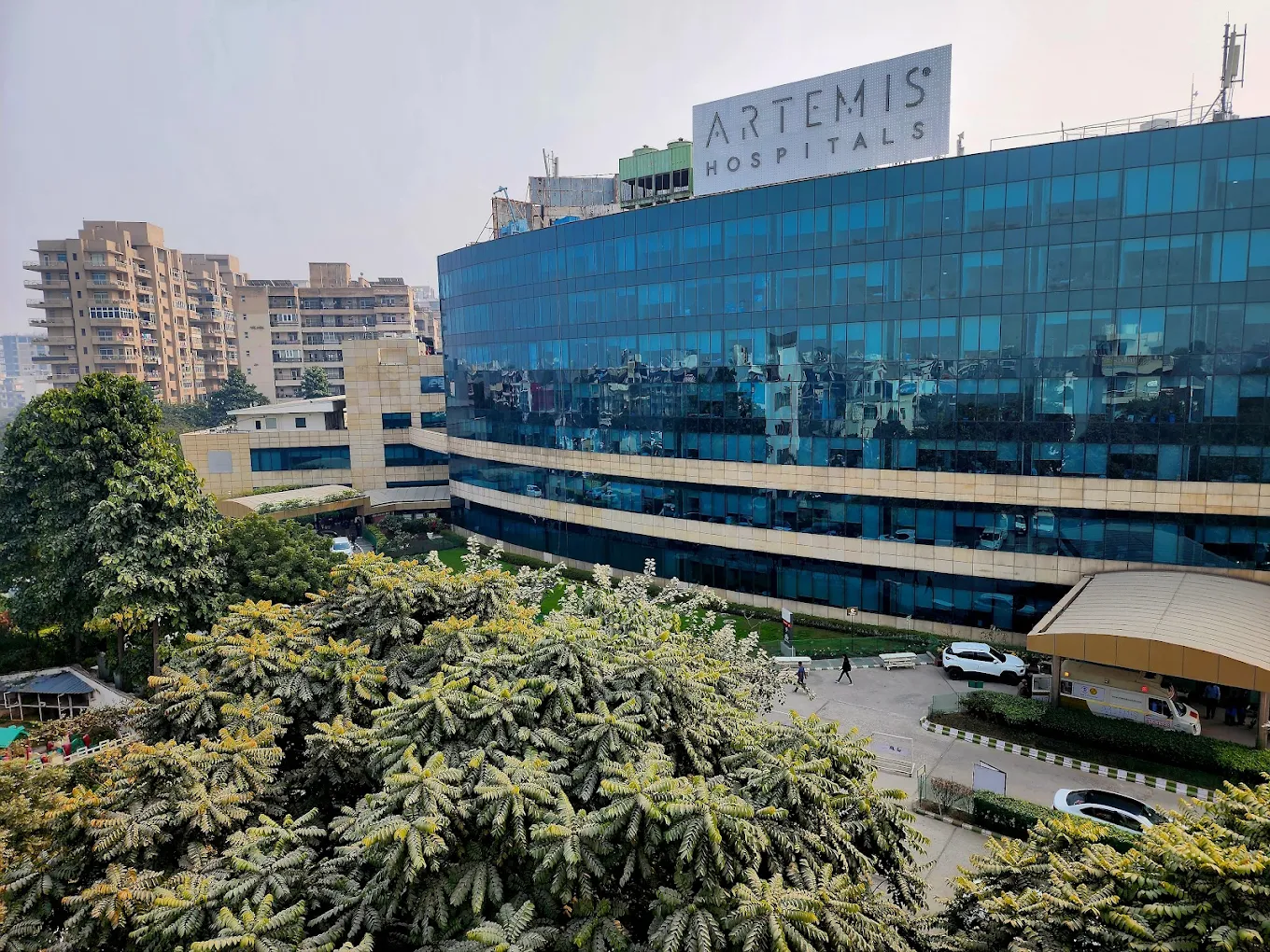
2. Artemis Health Institute

Artemis Hospital approaches tonsil cancer with image-led planning and organ preservation as the default goal. Staging typically combines PET-CT Philips 16 with MRI 3 Tesla, and DWIBS whole-body MRI when needed to map nodal spread without extra radiation. Surgeons plan transoral resections and tailor neck dissection to nodal risk; pathology details like margins, perineural or lymphovascular invasion, and HPV status set the course for adjuvant therapy.
Radiation is delivered on linear accelerators such as Elekta Synergy and Trilogy Tx with IMRT and image guidance to protect salivary glands and pharyngeal constrictors while maintaining dose to the primary and nodal volumes. Chemoradiation is used for higher stage disease or adverse features, and systemic options are escalated for recurrence.
Why Artemis for Tonsil Cancer Care:
- PET-CT Philips 16, MRI 3 Tesla, and DWIBS MRI for precise staging and treatment planning
- IMRT on Elekta Synergy and Trilogy Tx to reduce xerostomia and dysphagia risk
- Transoral resection strategy with selective or comprehensive neck dissection based on nodal mapping
- Adjuvant decisions driven by margin status, extranodal extension, and HPV status

4. Fortis Healthcare: Cancer Treatment with Reach and Reliability

Fortis Healthcare manages tonsil cancer within a high-technology oncology program that emphasizes organ preservation, accurate staging, and dose-precise radiation. Surgical teams use minimally invasive and robotic techniques for primary tumor control with selective or comprehensive neck dissection when nodal risk is present. Pathology findings guide adjuvant choices so that radiation or chemoradiation is used only when it adds clear benefit.
Radiation therapy is delivered on advanced platforms with image guidance to maintain coverage of the primary and nodal volumes while reducing exposure to salivary glands and pharyngeal constrictors. Systemic therapy is integrated for stage III–IV disease or adverse features.
Why Fortis for Tonsil Cancer Care:
- High-end radiotherapy with image guidance for precise dosing and organ preservation
- Minimally invasive and robotic surgical options for primary tumor and neck management
- Adjuvant decisions driven by margins, nodal status, and other pathology risk factors
- Multidisciplinary planning in a research institute setting with published clinical outcome
Leading Specialists in Tonsil Cancer Treatment


How We Help Patients Pick the Right Hospital and Doctor
- Experience of Experts Medical
For more than 10 years, Experts Medical has been helping patients access treatment abroad, assisting over 12,000 people during this time. Such experience allows us to clearly see which hospitals and doctors consistently achieve results and where patients risk losing valuable time and resources.
- Verified Clinics and Doctors
We work only with clinics and specialists who have demonstrated stable, positive outcomes over the years. Our recommendations are based on long-term cooperation and real treatment results, not promotional claims. This ensures that patients are directed to places where care is proven to be effective.
- Individual Selection for Each Patient
Every patient’s situation is unique, so we select the hospital and doctor according to the type of cancer, its stage, and the patient’s overall health. Some cases require a center with strong surgical expertise, while others are better suited for hospitals that focus on advanced targeted or immunotherapy methods.
Why This Matters
It is often difficult for patients to independently assess the actual quality of a doctor or clinic. Experts Medical has direct feedback from thousands of patients, along with data on treatment effectiveness, which allows us to guide each person toward the most suitable specialists and hospitals from the very beginning.
Closing Thoughts
Tonsil cancer might not be among the most common cancers, but its impact is deeply felt. The good news is that outcomes are improving, especially for HPV-related cases, thanks to advances in surgery, radiation, and immunotherapy.
India today offers a strong combination of experienced doctors, advanced facilities, and patient-focused support systems. For people weighing their options, the country has become a reliable choice for comprehensive tonsil cancer care that balances quality with affordability.
Frequently Asked Questions (FAQ)
Is transoral robotic surgery (TORS) available for tonsil cancer in India, and when is it recommended?
Yes, several leading hospitals in India perform transoral robotic surgery (TORS) for tonsil cancer. It is typically recommended for early-stage tumors confined to the tonsil and nearby tissues, as it allows surgeons to remove the tumor precisely without large external incisions. This method helps preserve swallowing and speech functions.
Can HPV-positive tonsil cancer be treated differently from HPV-negative cases?
Yes. HPV-positive tonsil cancers generally respond better to radiation and chemotherapy, leading to higher survival rates. Some Indian centers are part of global efforts to de-escalate treatment in HPV-positive patients to reduce long-term side effects, though this is offered only in carefully selected cases.
Are re-irradiation or salvage surgery options if tonsil cancer recurs after initial treatment?
Yes, but only in select patients. Re-irradiation with advanced techniques like SBRT (stereotactic body radiotherapy) may be offered if the recurrent tumor is small and localized. Salvage surgery is another option but requires a highly experienced head and neck cancer surgeon, as risks of complications are higher.
How do doctors manage lymph node involvement in tonsil cancer patients?
If cancer has spread to the cervical lymph nodes, doctors usually perform a neck dissection along with primary tumor surgery. In some cases, concurrent chemoradiation may replace surgery if multiple nodes are involved. The exact plan depends on the size and number of nodes and whether extracapsular spread is present.
Can Experts Medical connect patients to clinical trials for advanced or recurrent tonsil cancer?
Yes. Through long-standing collaborations, we know which hospitals in India are running immunotherapy or targeted therapy trials for head and neck cancers, including tonsil cancer. Patients with recurrent or metastatic disease can be referred to these centers if they are eligible.