




 Top Hospitals
 Cost of Treatment
 Leading Doctors
 Experts Medical
 Treatment Plan
- At the clinic’s price without markups
- with full doctor support
When you’re facing a brain cancer diagnosis, it’s hard to know where to start. India has quietly become one of the most reliable places in the world for advanced brain cancer treatment, not just because of cost, but because of the people and precision behind the care. Each year, more than 28,000 new brain tumor cases are diagnosed in the country, and while outcomes vary by tumor type, studies show that survival rates for glioblastoma in India, around 62% at one year and 30% at two years, are now on par with international standards. Whether you're seeking minimally invasive surgery, CyberKnife therapy, or a second opinion from a top neurosurgeon, the options here are both comprehensive and accessible. In this guide, we’ll break down what treatment actually looks like in India, which hospitals are leading the way, and how to connect with the right specialists.
How Effective Is Brain Cancer Treatment in India?
Glioblastoma (GBM)
One of the toughest brain cancers to treat, GBM still carries a limited survival outlook worldwide. Data from an Indian group of 66 patients who underwent surgery, focused radiotherapy, and temozolomide showed a median survival of 15 months. In this group, 62% were alive at one year, and about 30% made it to the two-year mark. Another Indian study echoed those results, noting that survival beyond two years is seen in roughly a third of patients, with outcomes gradually improving as treatment protocols evolve.
Pediatric Glioblastoma
When GBM occurs in children, the numbers look different. In a study of 23 young patients, the median survival stretched to nearly 42 months, more than three years. This reflects the potential for longer survival in pediatric cases when the disease is caught early and managed with aggressive, multidisciplinary care. (Neuro-Oncology Practice, 2016)
Aggressive Low-Grade Glioma
Not all gliomas behave the same way. In a group of 47 Indian patients with aggressive low-grade gliomas, treatment with surgery followed by conformal radiotherapy and temozolomide delivered encouraging results. The study reported a 3-year overall survival of 86% and progression-free survival of 80%, even among patients with higher-risk features. (South Asian Journal of Cancer, 2016)
Pediatric Brain Tumors (Overall)
For children, outcomes vary widely depending on the tumor type. A large study of pediatric brain cancers in India showed a 5-year survival rate of just 26.8%. This underlines how crucial early diagnosis and access to specialized care can be for younger patients facing aggressive brain tumors. (JCO Global Oncology, 2024)
Overall Success Rates Reported in India
Broad reviews of cancer care in India describe success rates between 70% and 90% for brain cancer treatment across major hospitals. It’s important to understand that these figures usually refer to short-term treatment success, such as successful tumor removal or completion of therapy, rather than long-term survival.
Putting It in Perspective
The numbers from India match what’s seen globally for the most aggressive tumors like GBM, with survival averaging about a year despite modern therapy. Children, on the other hand, tend to do better, and outcomes for certain gliomas are especially promising. The higher “success rate” figures you may see often reflect immediate treatment results rather than long-term survival, which still depends heavily on the tumor type, stage, and patient condition.
Cost of Brain Cancer Treatment in India
- 7,500–12,000 USDBrain tumor surgery (craniotomy or tumor removal)
- 9,000–12,000 USDBrain tumor surgery with neuronavigation
- 8,200–9,900 USDGamma Knife radiosurgery
- 2,000–3,500 USDCyberKnife therapy
- 6,100–7,600 USDStandard radiation therapy
- 6,600–14,300 USDChemotherapy
- 250–1,700 USDTumor biopsy
Key Takeaway
For complex brain tumor cases, the combination of surgery, radiotherapy (Gamma Knife or CyberKnife), and chemotherapy in India often comes to a fraction of what patients might pay in Turkey, Europe, or the US. This difference in price, combined with internationally trained specialists and modern hospital infrastructure, is why India has become a leading destination for advanced neurosurgical and oncology care.

At Experts Medical, we’ve been guiding patients to world-class medical care since 2016. Our goal is simple: to make high-quality treatment abroad accessible, transparent, and stress-free. We work as official representatives of more than 100 trusted hospitals across Europe, Turkey, Israel, India, and beyond. That means no hidden fees, every payment goes directly to the clinic, often with special terms available through us.
What Sets Us Apart
- Case review and preparation:
We carefully study each patient’s medical history, gather the necessary documents, and make sure everything is ready before doctors abroad evaluate the case.
- Finding the right specialist:
A medical commission reviews your diagnosis and recommends the most suitable doctor, based on proven success rates and our 10+ years of experience.
- Second opinions and treatment plans:
We provide independent second opinions and personalized treatment plans that clearly outline what’s included, what it costs, and how risks are minimized.
- Support for children’s care:
If the patient is under 18, we assist with funding applications and liaise directly with international charitable foundations.
- Fair pricing:
The price you pay is never higher than going directly to the clinic, and in some cases, we can secure special terms. Most hospitals don’t require advance payment, so you typically settle your bill after arrival.
- Full trip organization:
From visa support and flight arrangements to hotel booking, translators, and airport transfers, we take care of the logistics so you can focus on treatment.
- Direct doctor access:
We maintain close communication with your doctor. If delays or questions come up, we reach out directly to resolve them quickly.
- Ongoing support:
Our team is available 24/7 during and after treatment, helping with follow-ups, medical questions, invoices, and any concerns that may arise.
- Experience you can trust:
With more than 12,000 patients supported and a decade of real-world results, we know the strengths and weaknesses of different hospitals. For example, while some clinics are strong in marketing, others may actually deliver better outcomes for certain conditions, and we’ll help you choose accordingly.
We don’t just connect you to a clinic, we stay with you through the entire journey. From the first consultation to your return home, we stand on your side, making sure you’re never left alone in the process.
Top Hospitals in India for Brain Cancer Treatment
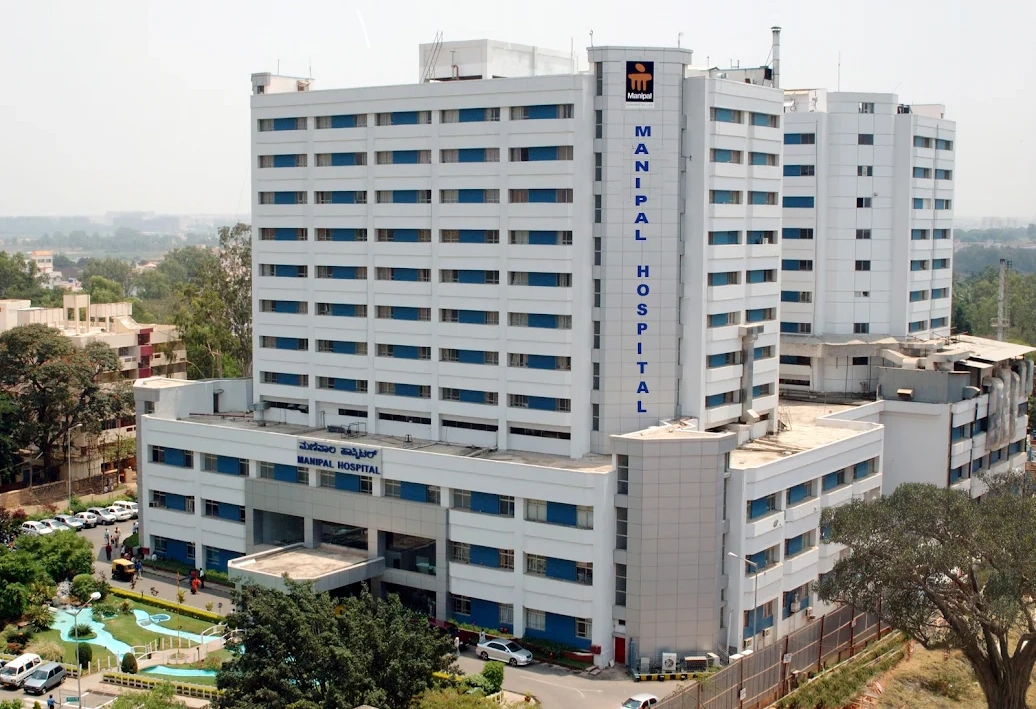
1. Manipal Hospital

Manipal Hospital treats brain tumors with a team approach that brings neurosurgeons, neuro-oncologists, radiation oncologists, neuroradiologists, and rehab specialists to the same table. For surgery, they use tools like neuronavigation and intraoperative monitoring, and can perform awake craniotomy for tumors near speech and motor areas. When surgery is not the first choice, they lean on stereotactic radiosurgery and precision radiation plans built from high-resolution imaging.
Care does not end in the operating room. Patients get access to speech and cognitive rehab, neuro-physio, and counseling, plus pediatric-focused services when children are involved. Treatment plans are reviewed in tumor boards, so the path forward is shaped by multiple specialists rather than a single opinion.
What They Offer for Brain Cancer Patients:
- SRS and SBRT for targeted, non-invasive tumor treatment
- Advanced surgical techniques like awake craniotomy and robotic-assisted procedures
- A full suite of radiation therapies (IGRT, IMRT, VMAT)
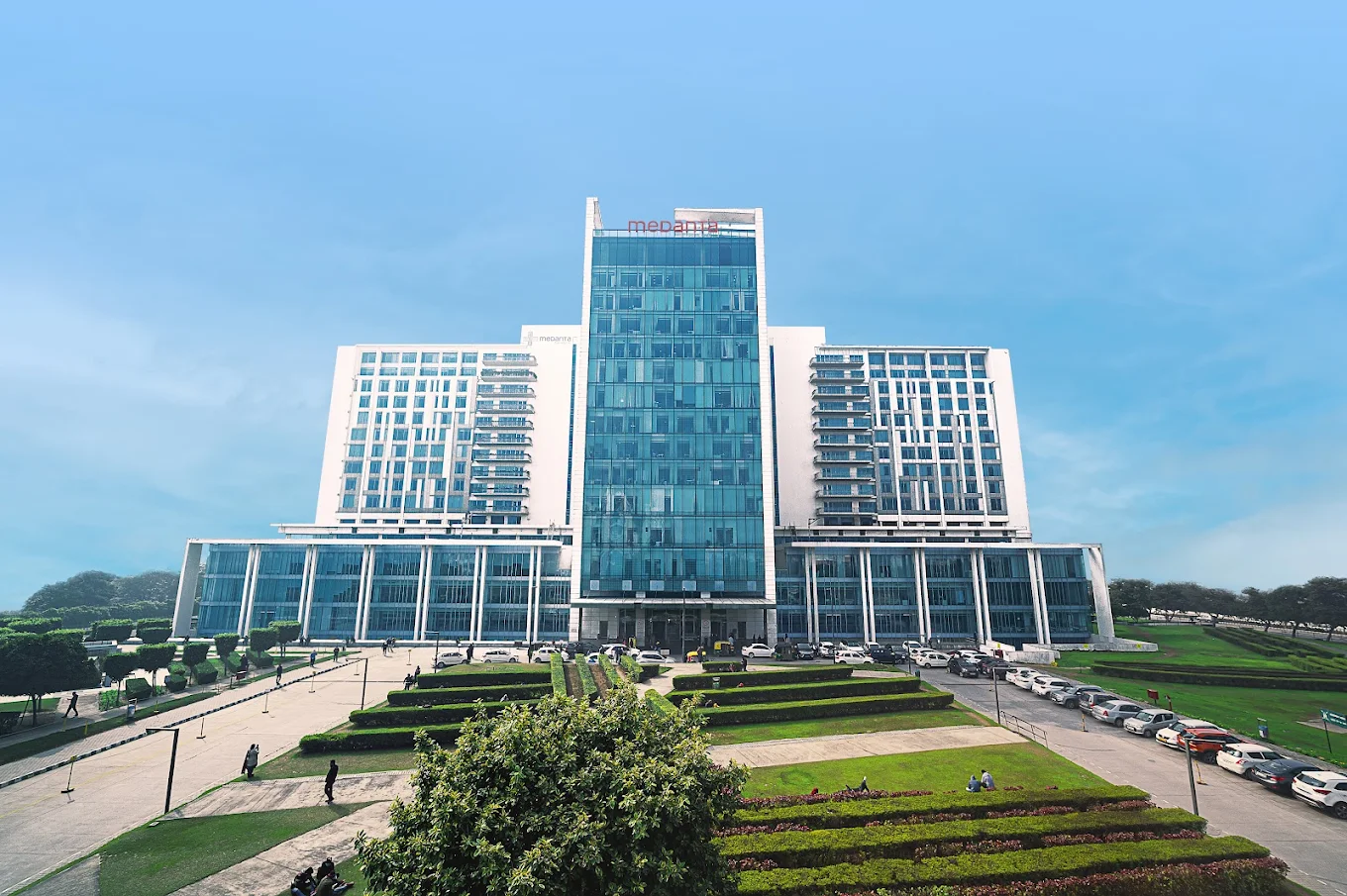
2. Medanta

Medanta is set up for complex brain and spine tumors that need both precision and pace. Their neurosurgeons use MRI-guided systems and neuronavigation to plan maximal safe resections, and the center is known for CyberKnife radiosurgery when a non-invasive option can control the tumor while protecting healthy brain tissue.
The oncology and neuro teams work under one roof, so patients move quickly from diagnostics to therapy. Image-guided radiotherapy and targeted systemic treatments are matched to tumor type and molecular profile, and neuro-rehab starts early to protect function and speed recovery.
What They Offer for Brain Cancer Patients:
- CyberKnife robotic radiosurgery and precision-based radiotherapy options
- Advanced surgical interventions using MRI-guided and neuronavigation systems
- Personalized chemo and immunotherapy options for primary and metastatic brain tumors
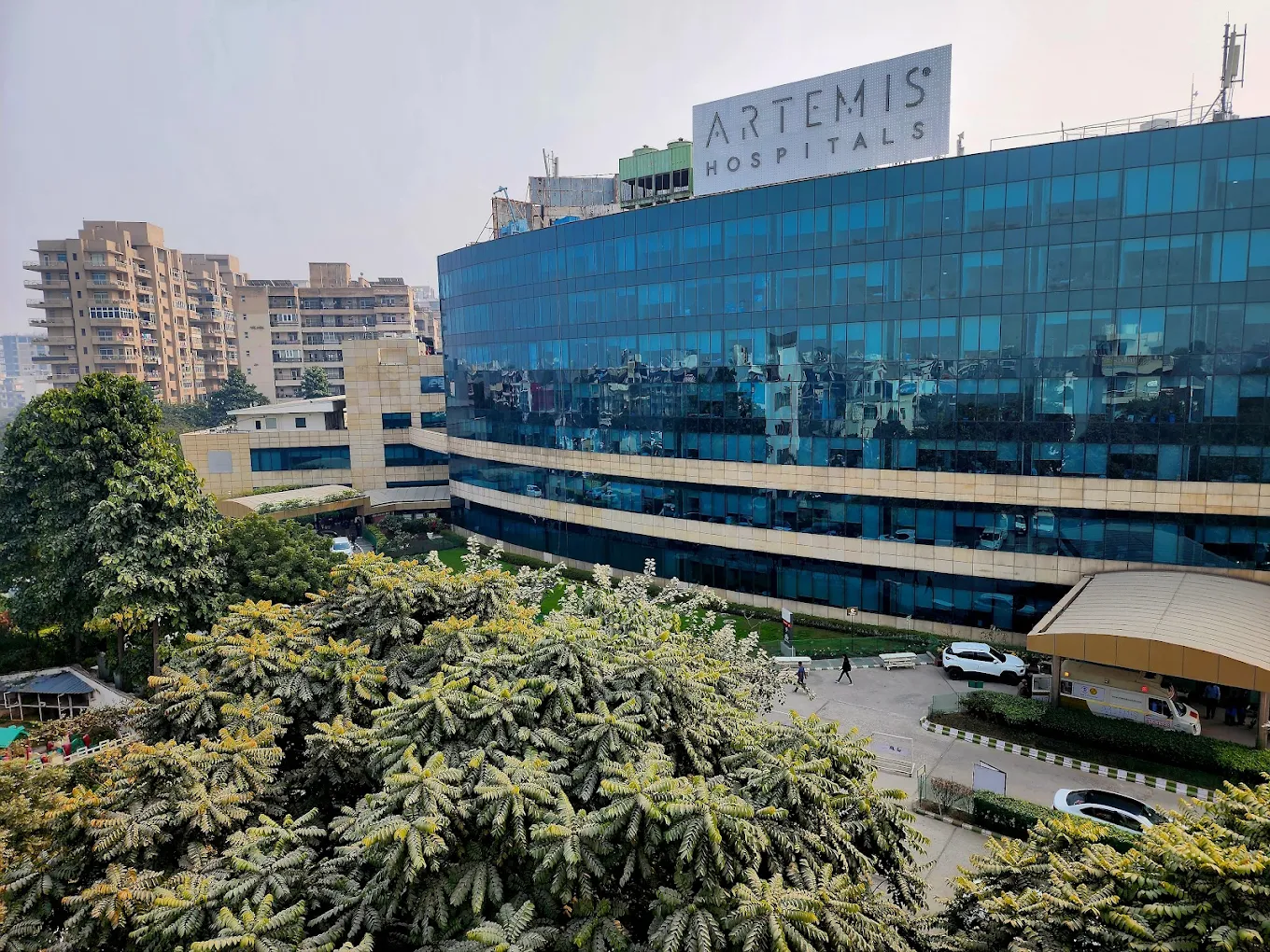
3. Artemis Hospital

Artemis Hospital builds individualized care plans for brain tumors, starting with detailed imaging, molecular testing, and a tumor board discussion. The surgical team uses minimally invasive and robotic-assisted approaches where appropriate, aiming for maximal safe removal while preserving speech, vision, and movement.
When radiation is needed, they deliver SRS, IMRT, IGRT, and brachytherapy with tight margins and careful dose planning. Post-treatment, patients plug into neuro-rehab, pain management, which helps reduce complications and improve day-to-day function after therapy.
What They Offer for Brain Cancer Patients:
- Neurosurgical procedures using robotic and minimally invasive techniques
- Stereotactic radiosurgery (SRS), IMRT, IGRT, and brachytherapy
- Personalized chemo and immunotherapy based on genetic profiling
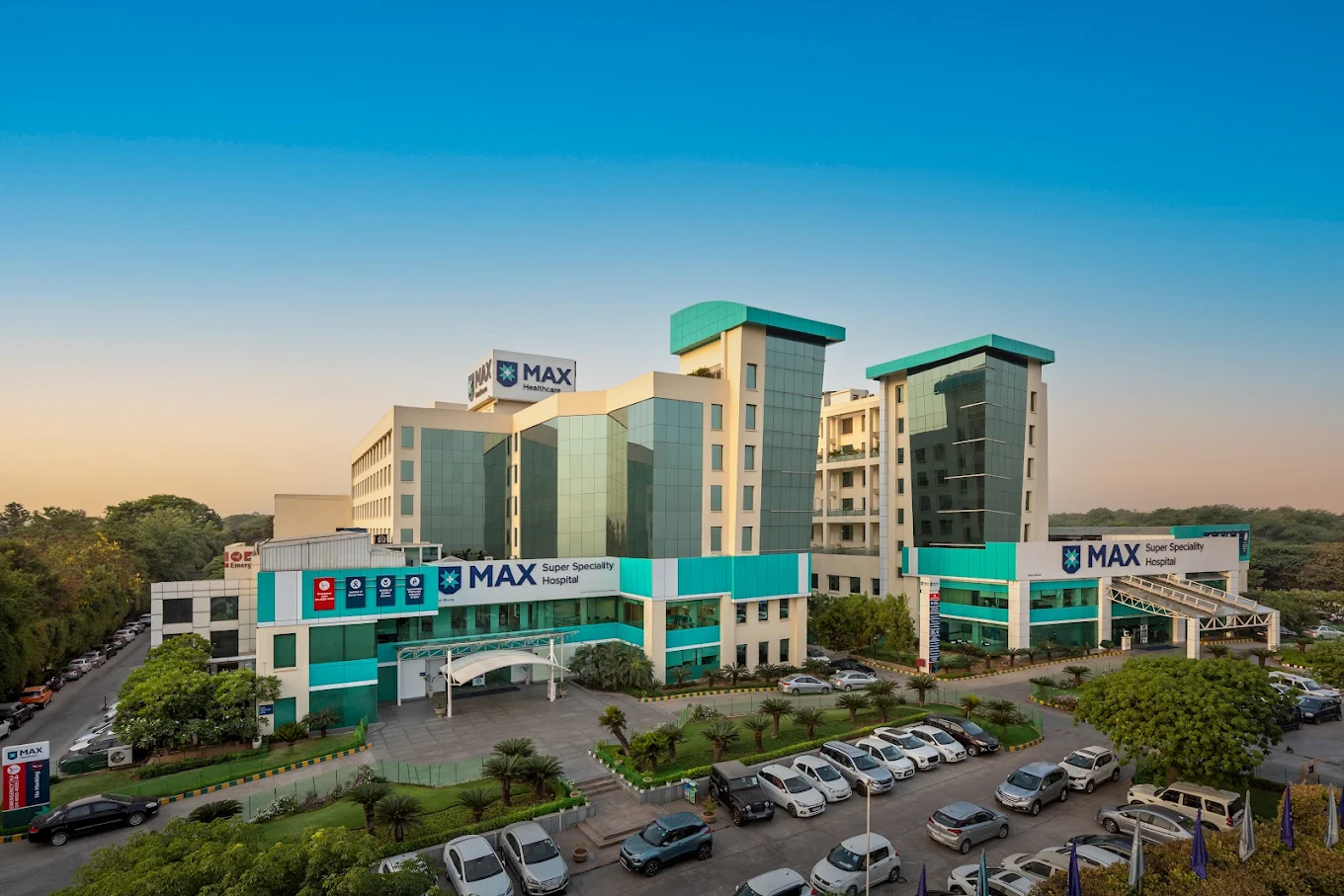
4. Max Healthcare

Max Healthcare Max takes a collaborative route for brain cancers, combining surgical, medical, and radiation oncology under one plan. Their centers have adopted technologies like Novalis Tx for high-precision radiosurgery and radiotherapy, and they use the Da Vinci platform for select minimally invasive procedures where it adds value.
Every case is reviewed by a tumor board, which keeps treatment aligned with current evidence and the patient’s priorities. From complex resections to focused radiation and adjuvant therapies, Max aims to balance tumor control with quality of life.
What They Offer for Brain Cancer Patients:
- Stereotactic Radiosurgery (SRS) and Radiotherapy (SRT) for non-invasive tumor treatment
- Advanced radiation techniques like IMRT and IGRT
- Robotic-assisted neurosurgery for hard-to-reach tumors

5. Fortis Healthcare

Fortis Healthcare focuses on careful sequencing of surgery, radiosurgery, and systemic therapy to control primary and metastatic brain tumors. For small or well-located lesions, Gamma Knife offers pinpoint treatment with minimal downtime. For larger or more complex cases, the team uses MR-LINAC, IMRT, and IGRT to shape dose around critical brain structures.
Neurosurgeons, neuro-oncologists, and radiation oncologists co-manage the plan, adjusting as new information comes in from imaging and pathology. Patients also get access to neuro-rehab and symptom control services, so recovery is planned alongside treatment, not after it.
What They Offer for Brain Cancer Patients:
- Gamma Knife radiosurgery for pinpoint-accurate brain tumor treatment
- MR LINAC and IGRT for precision radiation with real-time imaging
- Full-spectrum surgical options, including minimally invasive brain tumor removal
Trusted Doctors for Brain Cancer in India


Your Treatment Journey Step by Step with Experts Medical
First contact:The process begins when you reach out to us and share your medical documents: discharge notes, test results, and reports.
Case review and clinic selection: We send your documents to several partner hospitals for review. In return, we receive detailed treatment plans and cost estimates from their doctors. You’ll get a clear understanding of the proposed methods, expected outcomes, and total expenses. Importantly, if your medical condition remains unchanged, both the plan and price also remain the same.
Choosing a clinic and online consultation: You decide which clinic suits you best. We then arrange an online consultation with the treating doctor, in most cases, this is free of charge. If you need a visa, our team helps prepare the documents.
Preparing the trip: We assist with booking flights, arrange airport pickup and transfers to your clinic or hotel, and help find accommodation near the hospital. A translator is also provided to accompany you through diagnostics and treatment if required.
Support during treatment: You are never left on your own. A dedicated medical coordinator stays in touch throughout, helping organize consultations and procedures, answering questions, and handling practical issues so you can focus fully on recovery.
Post-treatment follow-up: Even after you return home, your coordinator remains available. We continue supporting you with medical recommendations, reports, and answers to any new questions that arise.
Wrapping It Up
Brain cancer treatment is never simple. But finding quality care in India? That’s getting simpler every year.
With the right hospital, an experienced doctor, and a clear treatment plan, you can move forward with confidence. Whether it’s your first treatment, a second opinion, or managing a recurrence, India offers a real chance at better outcomes without the sky-high price tags.
And the best part? You’re not alone in figuring it out.
Frequently Asked Questions
1. Can Indian hospitals perform awake craniotomy for tumors in speech or motor areas?
Yes. Major neurosurgical centers in metro cities routinely offer awake craniotomy when a tumor sits near eloquent cortex. Teams use intraoperative mapping and neurophysiological monitoring to preserve language and movement while achieving maximal safe resection.
2. Do oncologists in India use molecular and genetic profiling to guide brain tumor treatment?
They do. Standard panels often include MGMT promoter methylation, IDH1/IDH2 status, 1p/19q codeletion, ATRX, TERT, EGFR, and BRAF where relevant. Results help refine prognosis and may influence chemotherapy choice, clinical trial eligibility, and follow-up cadence. Turnaround for pathology plus molecular workup is commonly 10-21 days.
3. What survival outcomes are reported for glioblastoma with maximal safe resection plus temozolomide in Indian centers?
Published Indian cohorts align with international experience: median overall survival is around 12-15 months with contemporary surgery, radiotherapy, and temozolomide, with a subset living beyond 2 years when favorable factors are present. Individual outcomes vary by age, performance status, extent of resection, and MGMT methylation.
4. How is neuro-rehabilitation integrated into care?
Rehab starts early. Hospitals bundle speech and language therapy, cognitive rehab, physiotherapy, and occupational therapy into the plan. For patients traveling from abroad, coordinators align rehab blocks with treatment windows so you can continue recovery work without extending your stay unnecessarily.
5. Can pediatric patients receive specialized protocols like craniospinal irradiation or targeted chemotherapy?
Yes. Pediatric neuro-oncology programs can deliver craniospinal irradiation when indicated and use age-adjusted systemic regimens. Molecular testing is increasingly routine in children, opening access to targeted agents via protocols or compassionate pathways in select scenarios.