Coxarthrosis is a disease in which the integrity of the articular cartilage is disrupted, its flexibility and shock-absorbing properties are impaired. In addition, bone growths form on the articular surface of the hip joint.
Coxarthrosis is of two types:
Primary, when joint disorders arise initially, without preconditions.
Secondary, when disorders are a consequence of a previous illness or injury.
Treatment Methods
Conservative;
Surgical.
Conservative method includes:
physiotherapy procedures;
therapeutic exercises;
medications;
lifestyle changes.
Hip Replacement
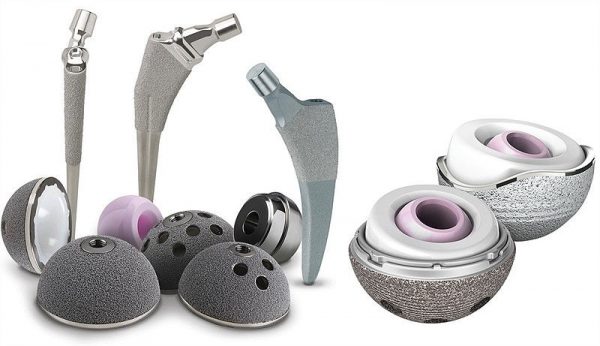
Endoprosthetics is the replacement of a natural joint with an artificial one, most often required in severe stages of arthrosis and injuries.
There are 2 options for joint replacement:
Unipolar endoprosthetics (involves replacing only the femoral head; characterized by less invasiveness and a shorter postoperative period)
Total endoprosthetics (involves replacing the femoral head, neck, and acetabular socket of the pelvic bone)
Endoprostheses
They are prepared individually for each patient using ultra-high molecular weight polyethylene and metal-ceramic. The prostheses are made from materials resistant to abrasion and offering high protection against dislocations.
Surgical operation:
Hip replacement surgery can be performed under local or general anesthesia, depending on the doctor's indications and the patient's condition. The operation time is approximately 2-3 hours. Based on the method chosen by the doctor, either partial or total hip replacement will be performed.
After the operation, approximately one to two days later, physiotherapists begin working with the patient. An individual program of therapeutic exercises is developed for each patient. On the second or third day, the patient will be able to try to stand up and walk with crutches.
Crutches will be needed for approximately 4-6 weeks after the operation to reduce stress on the joint.
Recommendations:
For the next 2 months after the operation, the patient should avoid sitting on low seats.
This restriction is to avoid dislocation of the still fragile joint.
Special seats are used for this purpose, which prevent the patient from sitting too low.
Depending on the indications, you may need to undergo a course of physiotherapy after the operation, which is one of the components of orthopedic rehabilitation.
Endoprosthetics in Germany:
When performing hip replacement in Germany, the most modern materials are used, which guarantee the longevity of the joint. And the professionalism and many years of experience of doctors will ensure a speedy recovery without complications.
We will help you find the best specialist and organize your treatment at all stages, from application to a healthy life!
Thank you for your inquiry!
The doctor-coordinator will contact you shortly.
You can also reach out to us right now using the most convenient channel for you:
The information on the epxerts-medical.com website is provided for informational purposes only, is not a guide to action and should not be construed as a medical consultation or recommendations for treatment from the experts-medical.com site. All decisions on the choice of treatment methods and medical care should be made only by a specialised doctor after examining the patient's medical situation.