



- At the clinic's price without markups
- with full doctor support
When a person is diagnosed with a brain tumor, everything changes in a second. Many questions immediately arise, and the most important one is: where can you find doctors trusted with the most difficult cases?
Brain tumors are among the most complex diseases in neuro-oncology. More than 321,000 new cases are diagnosed worldwide every year (Source). Fortunately, medicine has advanced significantly in recent years, and today, with the right approach, many patients can substantially prolong life while preserving its quality.
Over the past few years, Turkey has become one of the world’s leading destinations for brain tumor treatment. The country combines experienced neurosurgeons, advanced technologies (Gamma Knife, CyberKnife, intraoperative MRI, 5-ALA) and a full cycle of treatment within one center. At the same time, costs remain significantly lower than in Europe or the United States, while the medical standards are often comparable.
At Experts Medical, we have been helping patients with brain tumors for over 9 years. During this time, we have carefully evaluated dozens of hospitals and specialists and selected those that consistently achieve strong outcomes. You no longer need to spend time and energy searching — we have already done the research and gathered trusted options for you.
1. Acibadem Maslak / Altunizade Hospital
Acibadem Maslak Hospital is considered one of the strongest neuro-oncology centers in Turkey. The hospital performs highly complex surgeries for brain tumors, including glioblastomas and other high-grade gliomas, using advanced technologies and a multidisciplinary approach.
Hospital advantages:
- JCI accreditation and ESMO Designated Centre status
- Specialized Brain Tumor Research Group
- Comprehensive MDT tumor board (neurosurgeon + radiation oncologist + medical oncologist)
- Advanced technologies: Gamma Knife Icon, CyberKnife, intraoperative MRI, 5-ALA fluorescence-guided surgery
- High-precision radiosurgery and MR-guided adaptive radiotherapy
Leading specialists:
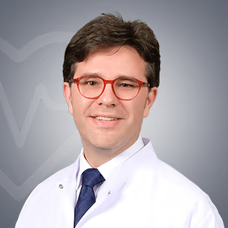
One of Turkey’s leading neuro-oncology neurosurgeons. Specializes in gliomas and glioblastomas. Co-director of the Acibadem Gamma Knife Unit. Has many years of research experience at Yale University. Author of publications in top journals including Neuro-Oncology and Acta Neuropathologica. Expert in maximal safe tumor resection using 5-ALA and intraoperative MRI.
Assoc. Prof. Nesrin Tunalı
Medical oncologist focused on neuro-oncology. Member of the Acibadem Brain Tumor Research Group and participant in the multidisciplinary MDT tumor board alongside Prof. Koray Özduman. Specializes in systemic therapy for brain tumors, including temozolomide (Stupp protocol), bevacizumab for recurrent disease, and targeted therapy for BRAF-positive tumors. Also involved in clinical research at Acibadem University.

2. Anadolu Medical Center
Anadolu Medical Center is one of Turkey’s most respected oncology centers with a strategic partnership with Johns Hopkins Medicine. The hospital provides a complete treatment pathway for brain tumors: maximal safe resection, advanced radiotherapy, and modern systemic therapy within a multidisciplinary framework.
Hospital advantages:
- Strategic partnership with Johns Hopkins Medicine
- OECI and ESMO accreditation
- 11 specialized tumor boards, including neuro-oncology
- Advanced equipment: CyberKnife M6, Varian Edge, Radixact, MR-LINAC
- Complete treatment cycle — from surgery to chemoradiotherapy
- Advanced molecular diagnostics and personalized therapy
Leading specialists:
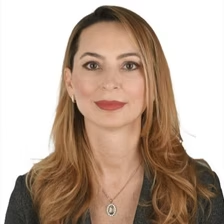
Radiation oncologist and director of the Radiation Oncology Department. One of Turkey’s leading experts in stereotactic radiosurgery (SRS/SBRT) and MR-guided adaptive radiotherapy for brain tumors and brainstem metastases. President of the Turkish Society for Radiation Oncology (TROD). Completed an SRS fellowship at Stanford University.
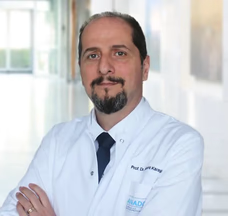
Medical oncologist with more than 25 years of experience. Specializes in systemic therapy for brain tumors, including temozolomide (Stupp protocol), bevacizumab for recurrent glioblastoma, and combination treatments. Former dean of the Okan University Faculty of Medicine.

3. Liv Hospital Ulus
Liv Hospital Ulus is a modern university hospital in Istanbul with a highly developed neurosurgery department. The hospital performs complex surgeries for brain tumors, including glioblastomas, astrocytomas, and other tumors, using minimally invasive and neuronavigation-guided techniques.
Hospital advantages:
- JCI accreditation and partnership with Penn Medicine (USA)
- Modern neurosurgical infrastructure with hybrid operating rooms
- Multidisciplinary neuro-oncology tumor board
- High-precision neuronavigation, intraoperative monitoring, and minimally invasive techniques
- Comfortable conditions for international patients
Leading specialists:
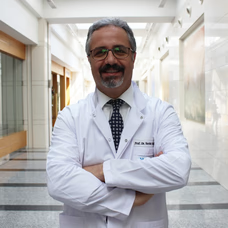
Neurosurgeon with 34 years of experience. Specializes in the removal of brain tumors, including gliomas and meningiomas. Has extensive clinical experience in complex neuro-oncological and spinal surgeries.
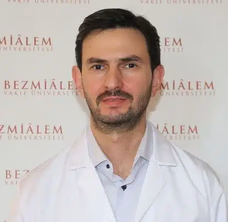
Prof. Dr. Mustafa Aziz Hatiboglu
Neurosurgeon with clinical and research experience at MD Anderson Cancer Center (USA). One of Turkey’s leading specialists in neuro-oncology and surgical treatment of gliomas. Founded a neuro-oncology laboratory and actively conducts molecular research on brain tumors.
4. Medical Park Göztepe Hospital
Medical Park Göztepe Hospital is a well-known center in Istanbul with strong expertise in radiosurgery and neuro-oncology. The hospital is particularly recognized for its extensive Gamma Knife experience in the treatment of brain tumors.
Hospital advantages:
- JCI accreditation
- One of the largest Gamma Knife experiences in Turkey
- Combination of radiosurgery and open neurosurgery within one center
- Multidisciplinary approach to brain tumor treatment
- Advanced radiosurgery and neuronavigation equipment
Leading specialist:
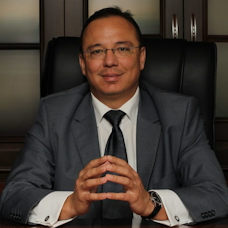
Pioneer of Gamma Knife radiosurgery in Turkey. One of the country’s most experienced specialists in radiosurgical treatment of brain tumors. Has treated more than 12,000 patients using Gamma Knife. Specializes in both radiosurgery (meningiomas, schwannomas, metastases, gliomas) and open neurosurgery. Dean and founder of the Bahçeşehir University Faculty of Medicine with extensive international and scientific experience in radiosurgery.
5. Medical Park Ankara Hospital
Medical Park Ankara Hospital is a large multidisciplinary center with a strong neurosurgery department. The hospital offers surgical treatment for brain tumors, including gliomas and meningiomas, using advanced neuronavigation technologies.
Hospital advantages:
- JCI accreditation and high international standards
- More than 350 physicians and modern infrastructure (22,000 m²)
- 6 operating rooms and 152 inpatient beds
- Advanced neuronavigation and intraoperative monitoring technologies
- Multidisciplinary neuro-oncology tumor board
Leading specialist:
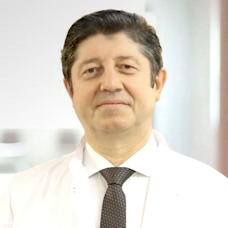
Prof. Dr. Mustafa Hakan Kayalı
Neurosurgeon with 36 years of experience. Specializes in the surgical treatment of gliomas, meningiomas, and other brain tumors. Recipient of the AANS Young Neuro-Oncology Scientists Award (2001). Considered one of Ankara’s most experienced neurosurgeons in neuro-oncology.
6. Medipol Mega University Hospital
Medipol Mega University Hospital is a large university medical center in Istanbul with a strong neuro-oncology department. The hospital actively treats brain tumors using advanced diagnostic and surgical technologies.
Hospital advantages:
- University status and JCI accreditation
- High-precision diagnostics: 256-slice CT, 3 Tesla MRI, PET-CT
- Intraoperative MRI during brain tumor surgery
- Robot-assisted da Vinci surgery
- Radiosurgery: CyberKnife and Gamma Knife for brain tumors and metastases
- Radiotherapy using Varian Trilogy and TrueBeam with RapidArc technology
- Comprehensive multidisciplinary tumor board
Leading specialist:
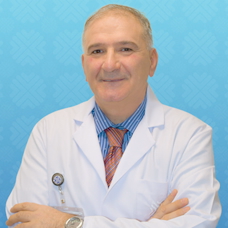
Radiation oncologist with 34 years of experience. Specialist in Gamma Knife and stereotactic radiosurgery for brain tumors. One of Turkey’s most experienced physicians in radiosurgical treatment of gliomas, meningiomas, metastases, and other brain tumors.

7. Memorial Şişli Hospital
Memorial Şişli Hospital is one of Istanbul’s most recognized and experienced hospitals for brain tumor treatment. The center successfully combines surgical treatment, radiosurgery, and systemic therapy within a unified multidisciplinary approach.
Hospital advantages:
- High international standards of quality and safety
- More than 76,000 surgeries performed annually
- Powerful tumor board involving neurosurgeons, radiation oncologists, and medical oncologists
- Modern radiosurgery capabilities (CyberKnife)
- Extensive experience with international patients and individualized care
Leading specialist:
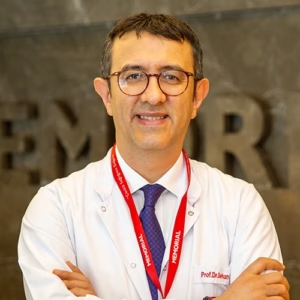
Medical oncologist and head of the oncology department. Specializes in systemic therapy for glioblastomas and brain metastases. Has extensive experience with temozolomide, bevacizumab, targeted therapy, and immunotherapy. Expert in molecular profiling (NGS with 600+ genes) for personalized treatment selection.
Who Is the Best Fit and Why
For primary brain tumors (glioblastoma, astrocytoma, oligodendroglioma), the key specialist is a neuro-oncology neurosurgeon with dedicated experience in gliomas.
Prof. Koray Özduman is widely considered the leading specialist in Turkey in this field. He is the only physician in the private sector with fully documented specialization specifically in neuro-oncology (two research fellowships at Yale University, founder of the Acibadem Brain Tumor Research Group, publications in Neuro-Oncology and Acta Neuropathologica). He is especially suitable for patients with glioblastoma and other high-grade gliomas.
Best choice depending on the situation:
- Glioblastoma and primary surgery → Prof. Koray Özduman (Acibadem) — first-choice specialist.
- Low-grade IDH-mutant gliomas → also Prof. Özduman (deep expertise in molecular diagnostics according to the WHO 2021 classification).
- Gamma Knife (high-volume experience) → Prof. Türker Kılıç (Medical Park, more than 14,000 patients treated).
- CyberKnife / complex brainstem metastases → Prof. Banu Atalar (Anadolu).
- Systemic therapy and molecular profiling → Prof. Serkan Keskin (Memorial).
Overall, Acibadem provides the strongest balance: an experienced neuro-oncology surgeon, a highly developed MDT team, and Gamma Knife treatment within the same center. This is especially important for glioblastoma, where the quality of the first surgery significantly affects the overall prognosis.
Brain Tumor Treatment Methods in Turkey
Treatment of brain tumors in leading Turkish hospitals follows international EANO, ESMO, and NCCN 2024 guidelines.
Standard of care for glioblastoma (GBM, Grade IV)
- Maximal safe resection — the most important step. Neurosurgeons aim to remove as much of the tumor as possible while preserving critical brain functions. Modern techniques include 5-ALA fluorescence-guided surgery and intraoperative MRI.
- Stupp protocol chemoradiotherapy — started shortly after surgery:
- Radiotherapy 60 Gy combined with daily temozolomide.
- Followed by 6 cycles of adjuvant temozolomide.
- For recurrence or progression — bevacizumab, repeat radiosurgery, or targeted therapy based on molecular profiling (IDH, MGMT, BRAF, etc.).
Important disclaimer
This information is provided for educational purposes only and should not be considered medical advice or a treatment recommendation. Glioblastoma treatment must always be prescribed individually by a qualified neuro-oncologist based on the patient’s condition, molecular testing results, and current clinical guidelines.
Treatment of brain metastases
- Stereotactic radiosurgery (Gamma Knife or CyberKnife) is considered the primary treatment for 1–10 brain metastases.
- For multiple metastases, treatment usually combines stereotactic radiosurgery with systemic therapy (immunotherapy or targeted therapy depending on the primary cancer type).
Brain tumor treatment outcomes in Turkey
According to major clinical studies, treatment outcomes for glioblastoma — the most aggressive brain tumor — remain challenging but strongly depend on the extent of tumor removal and subsequent therapy.
Key data:
- With standard Stupp protocol chemoradiotherapy (60 Gy + temozolomide), median survival approximately doubles compared to older standard treatment approaches.
- MGMT promoter methylation significantly improves treatment response. This molecular marker indicates that tumor cells are less capable of repairing DNA damage, making temozolomide chemotherapy more effective. MGMT methylation is considered an independent positive prognostic factor (HR 0.71).
Turkey follows the same international treatment protocols (EANO/ESMO/NCCN) as leading global cancer centers, and outcomes in specialized Turkish neuro-oncology hospitals are often comparable or better than average international statistics (Source, PubMed).
Risks and possible complications
All brain tumor treatments carry risks, but these are significantly reduced in specialized centers thanks to advanced equipment and experienced teams.
- After surgery: temporary or permanent neurological deficits, brain swelling, infections, or bleeding (risk approximately 2–5%).
- After radiosurgery: radiation-induced edema (usually controlled with medication), and rarely radiation necrosis (1–3%).
- General complications: headaches, fatigue, and seizures (typically manageable with medication).
Important point: In systemic and targeted therapy, the experience of the physician and hospital plays a major role. Large patient volumes allow specialists to optimize drug selection and treatment strategies, directly affecting outcomes. Turkey offers state-of-the-art technology, highly experienced neurosurgeons, and high-quality original medications at significantly lower costs than Europe or the United States.
Rehabilitation after treatment
Successful surgery or radiosurgery is only part of the journey. Recovery after brain tumor treatment often requires as much time and effort as the treatment itself.
In leading Turkish hospitals, rehabilitation starts within the first days after surgery. Patients are supported by a multidisciplinary team that may include neurorehabilitation specialists, physiotherapists, speech therapists, occupational therapists, and psychologists. Rehabilitation programs are individualized depending on which functions were affected — movement, speech, vision, memory, or balance.
Rehabilitation commonly includes:
- Early mobilization (usually beginning 2–3 days after surgery)
- Intensive physiotherapy and rehabilitation exercises
- Speech and swallowing rehabilitation when necessary
- Cognitive rehabilitation (memory, concentration, attention)
- Psychological support for both patients and families
- Medication management to control swelling and seizures
Acibadem, Anadolu, Liv Hospital, and Memorial all offer specialized rehabilitation departments or partner rehabilitation centers where patients can complete a full recovery program. Many international patients report that rehabilitation quality and intensity in Turkey are exceptionally high while remaining significantly more affordable than in Europe.
High-quality rehabilitation has a direct impact on long-term quality of life after treatment. This is why we always evaluate not only surgeons and radiation oncologists, but also the rehabilitation capabilities of each hospital.
How We Help Patients at Experts Medical
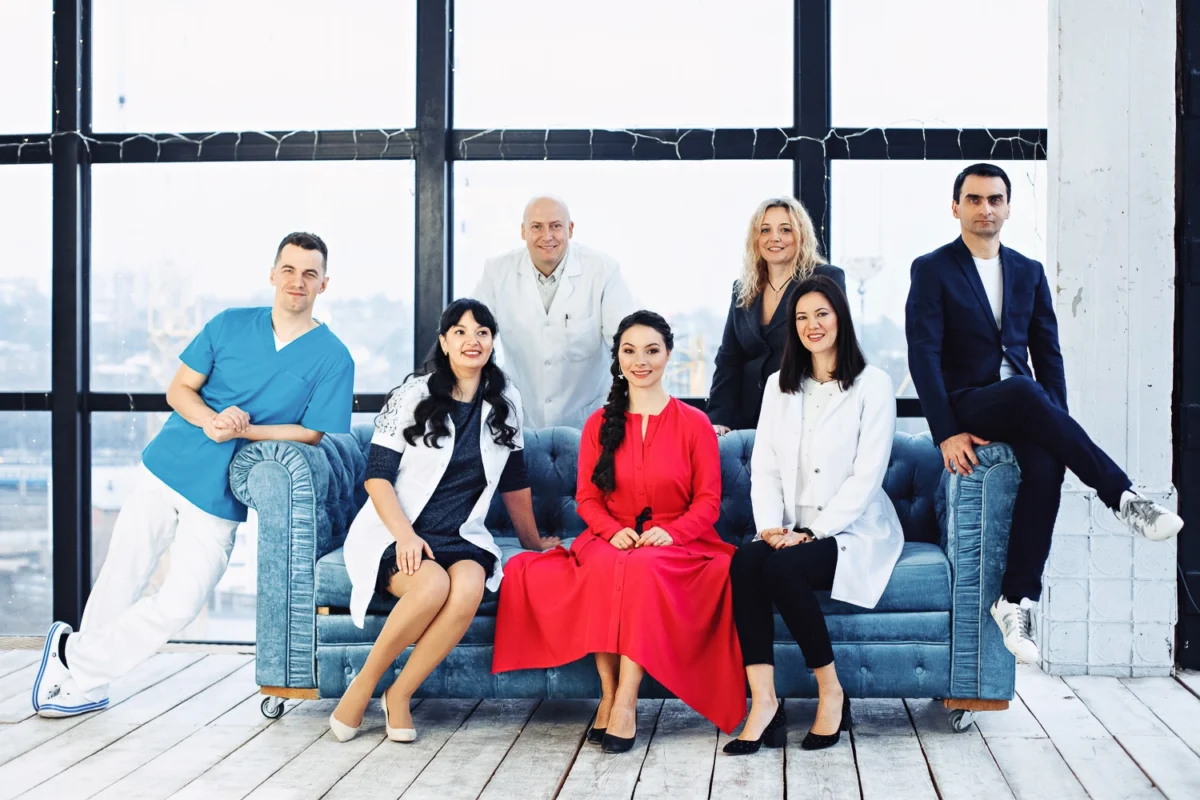
When patients contact us, we do not start with choosing a hospital. At Experts Medical, we first analyze the entire medical situation. We review MRI scans, pathology reports, and physician conclusions. If there are doubts about the diagnosis, we immediately point this out and arrange a second opinion when necessary.
Our medical coordination team then becomes involved. We do not select physicians based on popularity or rankings — we match specialists to the specific diagnosis, tumor type, treatment goals, and complexity of the case.
After that, we create a clear and structured treatment pathway: what should be done, where treatment should take place, and what the next stages will look like.
What we handle
We do much more than simply provide hospital contacts. We coordinate the entire process from beginning to end:
- analyzing medical records and MRI scans
- matching the patient with the most suitable physician and hospital
- organizing travel: appointments, flights, accommodation, and transfers
- supporting the patient during and after treatment
Everything is organized in a way that allows patients and families to focus on treatment instead of complicated logistics during an already stressful period.
How the support process works
We remain in contact throughout treatment. This is not a formality. We help solve practical issues — from clarifying the treatment plan to reviewing hospital invoices and coordinating communication with the clinic.
Our work also continues after discharge. We assist with follow-up examinations, translation of medical documents, and further recommendations.
Important note
Our services are completely free for patients. Treatment payments are made directly to the hospital without hidden fees or additional markups.
This straightforward model removes unnecessary concerns from the very beginning and allows patients to focus on what matters most — treatment and outcomes.
Conclusion
Brain tumor treatment is not about choosing the “best hospital” in general terms. In practice, everything depends on the specific case: the tumor type, location, molecular characteristics, and how accurately the treatment sequence is planned.
Turkey has several highly advanced neuro-oncology centers, but each differs not only in reputation, but also in treatment philosophy. Some centers are stronger in surgery, others in radiosurgery or systemic therapy. That is why choosing the correct strategy from the very beginning matters far more than choosing a famous name.
Ultimately, successful outcomes depend not on a single technology, but on how quickly, accurately, and consistently the treatment plan is developed and implemented.
FAQ
How important are molecular markers such as IDH, MGMT, and EGFR?
They are critically important. These markers directly influence treatment decisions and prognosis. For example, MGMT methylation is associated with better response to temozolomide, while IDH mutations are linked to improved overall survival. These markers are identified through genetic tumor testing.
When does radiosurgery make more sense than surgery?
Radiosurgery is often preferred for small tumors, difficult anatomical locations, or metastatic lesions. It is also commonly used as an additional treatment after surgery.
Does it still make sense to travel for treatment if the diagnosis has already been confirmed?
Yes, especially if there are doubts about the current treatment strategy or uncertainty regarding the completeness of the protocol being used. In neuro-oncology, treatment plan adjustments are very common. In addition, the quality and precision of imaging and treatment technologies play a critical role in patient outcomes.
How can you tell whether a hospital truly follows international treatment protocols?
Indirect indicators include participation in multidisciplinary tumor boards, international accreditations (JCI, ESMO, OECI), access to modern technologies, and involvement in clinical trials. Experts Medical physician coordinators also provide this information during consultation.
How do we select the right hospital and physician for each patient at Experts Medical?
We begin with a detailed analysis of the medical case: MRI scans, pathology reports, and physician conclusions. We then match the patient not with the “best hospital overall,” but with the physician and center best suited to the specific diagnosis and treatment goals. This may involve surgery, radiosurgery, or a combined approach. After that, we create a structured treatment plan and support the patient throughout every stage to ensure treatment proceeds quickly and logically. Our certified physician coordinators remain closely involved until the completion of treatment.