





 Hospitals
 Cost
Cost Effectiveness
  How to get treatment
- At the clinic’s price without markups
- with full doctor support
Stem cell therapy is a cutting-edge method of regenerative medicine based on the use of precursor cells. They possess a unique ability to transform into various tissue types and restore damaged structures of the body.
An important feature of stem cells is their ability to “recognize” sites of damage. Regardless of the point of administration, they migrate directly to the affected tissues, where they initiate repair processes. At the same time, the effectiveness is higher when cells are injected as close as possible to the damaged area: the closer the point of administration, the greater the number of cells that reach the target. If they are injected into a distant site, part of the cells disperses throughout the body and may have a positive impact on other problem areas, such as chronic inflammation or gastrointestinal disorders.
Cell therapy is used to naturally restore and improve the functions of organs and systems, reduce inflammation, normalize immune responses, and support the body in a number of diseases.
Key Advantages of Turkey in Cell Therapy
 Main benefits:
- Affordable cost of procedures compared to European and American clinics;
- No language barriers for international patients;
- Attractive “All inclusive” package offers.
All Turkish clinics partnering with Experts Medical hold international JCI (Joint Commission International) accreditation, which guarantees strict compliance with global quality standards.
Best Clinics for Cell Therapy in Turkey
Experts Medical collaborates only with trusted clinics that are licensed to perform cell therapy and operate in accordance with international standards.
Leading cell therapy hospitals
Liv Ulus — a leading hospital featuring its own Regenerative Medicine Center, LivMedCell. The center develops cellular products using advanced laboratory technologies, ensuring the highest standards of quality and safety. The hospital is JCI-accredited and holds the status of a “Center of Excellence.”
Memorial Şişli — the first private hospital in Turkey to receive international JCI accreditation. Stem cell therapies are actively applied here in orthopedic rehabilitation, dermatology, and for the treatment of chronic, non-healing wounds.
Dünyagöz — a specialized ophthalmology network pioneering the use of regenerative technologies in Turkey. It employs stem cell treatments for retinal and corneal degeneration.
Anadolu Medical Center — a multidisciplinary healthcare complex with a dedicated department for cell and gene therapy. In collaboration with Johns Hopkins Medicine, it applies American treatment protocols and specializes in neurological and orthopedic disorders.
Medical Park — a major hospital network with advanced regenerative medicine programs. Facilities in Antalya, Ankara, and other cities provide a full range of cell-based treatments for musculoskeletal diseases, autoimmune disorders, and neurological conditions.
Turan Turan — a private clinic specializing in orthopedic and sports medicine with the use of MSC therapy. The clinic focuses on joint and ligament treatment as well as post-injury rehabilitation.
Medipol Bahçelievler — a university hospital with a strong research base in cellular technologies. It combines clinical practice with the development of innovative therapeutic approaches, providing access to cutting-edge treatment protocols.
The coordinating physician at Experts Medical will help choose the right clinic, taking into account the type of disease and the individual needs of each patient.
Which Conditions Are Most Commonly Treated with Cell Therapy in Turkey?
Doctors in Turkish clinics use cellular material to treat a wide range of conditions – from orthopedic problems to complex neurological disorders.
|
Systems and Organs |
Examples of Diseases and Conditions |
|
Musculoskeletal System |
Knee and hip osteoarthritis, non-healing fractures, degenerative spinal disc diseases, meniscus tears, tendon injuries and tendinitis, carpal tunnel syndrome, bursitis, soft tissue sports injuries |
|
Nervous System |
Multiple sclerosis, amyotrophic lateral sclerosis (ALS), Parkinson’s disease, Alzheimer’s disease, post-stroke complications, cerebral palsy, peripheral neuropathy, autism |
|
Heart and Blood Vessels |
Heart failure, coronary artery disease, cardiomyopathies, post-myocardial infarction recovery |
|
Endocrine System and Kidneys |
Type 1 and 2 diabetes, kidney failure, kidney diseases |
|
Immune System |
Rheumatoid arthritis, lupus, Crohn’s disease |
|
Other Systems and Organs |
Chronic obstructive pulmonary disease (COPD), pulmonary fibrosis, liver failure, non-healing wounds and burns, age-related macular degeneration, optic nerve atrophy, age-related skin changes (wrinkles, sagging, pigmentation) |
In leading Turkish clinics such as Liv Istinye, Medical Park, Medipol, and Memorial, stem cell treatment goes beyond standard methods. Special developments are used here, making therapy more precise and effective.
For example, cardiology patients may receive specially prepared cellular products such as CardioCell, which help restore the heart and blood vessels after a heart attack or in cases of heart failure. To improve blood supply to tissues, special CD34+ cells can be applied to stimulate the growth of new blood vessels.
In cardiac surgery, so-called epicardial patches are also used – thin plates applied to the heart during surgery. They are enriched with cells and help restore damaged myocardium more quickly.
Separately, the Orthokine method can be highlighted. While not stem cells, this procedure is very similar in essence: a patient’s own blood is taken, specially processed, and then the resulting serum is injected into the joint. This approach is often used for osteoarthritis and sports injuries, as it helps reduce inflammation and accelerate recovery.
Cell therapy: cost in Turkey
Cell therapy: cost in Turkey
Turkey offers high-quality cell therapy at significantly more affordable prices compared to clinics in Europe and the United States.
|
Country |
Average Cost (USD) |
More Expensive Than Turkey (%) |
|
Turkey |
$15,000 |
— |
|
USA |
$24,000 |
+60% |
|
Europe |
$24,000 |
+60% |
|
Germany |
$29,300 |
+95% |
|
Switzerland |
$39,600 |
+164% |
|
United Kingdom |
$61,200 |
+308% |
The cost of cell therapy in Turkish clinics includes not only the procedure itself but also comprehensive medical care, which makes treatment especially attractive for international patients.
What Types of Stem Cells Are Used in Turkish Clinics?
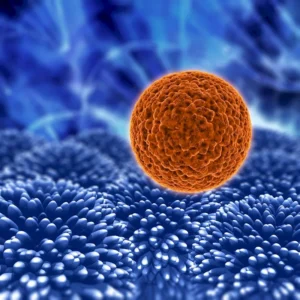 Turkish doctors primarily use mesenchymal stem cells (MSCs). These are called multipotent cells, meaning they can replace damaged cells of different types — such as fat, muscle, or cartilage cells.
Sources of MSCs include adipose tissue, bone marrow, and the patient’s peripheral blood. Mesenchymal cells are used for regenerative therapy and for treating a wide range of diseases affecting the nervous, immune, musculoskeletal, respiratory, endocrine, and other systems.
For cell therapy, both autologous (the patient’s own) and allogeneic (donor-derived) mesenchymal cells are used. Allogeneic cells are obtained from umbilical cord tissue, placenta, bone marrow, and adipose tissue of healthy donors. According to the journal Cell & Bioscience, these cells are primarily used for the treatment of autoimmune disorders and heart disease.
When donor material is used, therapy can begin as early as the day after the patient’s arrival, and in many cases, the patient may return home shortly after the procedure. If treatment involves the patient’s own cells, they must first be cultured in the laboratory. This process usually takes between 5 and 10 days, depending on the required volume of cellular material — the more cells needed, the longer it takes.
What are exosomes?
Exosomes are microscopic particles, 30–150 nanometers in size, secreted by stem cells. They contain proteins, RNA, and other biologically active molecules with a strong regenerative effect. In Turkish clinics, they are most often used as part of anti-aging therapy and for joint treatment.
How proven is the effectiveness of stem cell treatment?
How proven is the effectiveness of stem cell treatment?
 There is concrete scientific evidence confirming the effectiveness of cell therapy in various fields of medicine:
- A study published in Frontiers in Endocrinology in 2024 showed that intra-articular administration of MSCs significantly reduces pain and improves joint function in osteoarthritis patients.
- According to a study published in Stem Cell Reviews and Reports in 2025, intravenous infusion of umbilical cord-derived MSCs improved clinical and biochemical parameters in patients with heart failure.
- In neurology and traumatic brain injury treatment, promising outcomes have been observed. A 2023 study in The National Library of Medicine demonstrated that MSC transplantation can improve neurological status and restore certain functions in patients with brain injuries.
- Encouraging results have also been noted in autism treatment. A 2025 study published in the peer-reviewed journal Cureus reported a significant improvement in autism symptoms in a child after several courses of therapy with allogeneic mesenchymal stem cells derived from placenta and umbilical tissue. The study described the disappearance of seizures, normalization of EEG, and improvements in behavioral, social, and emotional functions.
Additional scientific data support the effectiveness of cell therapy in multiple sclerosis, where treatment activates regeneration of damaged neurons, improving patient outcomes. For diabetic ulcers, adipose tissue-derived MSCs accelerate wound healing. In Crohn’s disease and ulcerative colitis, cellular therapies reduce inflammation.
Although stem cells demonstrate promising results in treating various conditions, it is important to understand that many methods are still in clinical trial stages. Cell therapy should only be carried out under approved clinical protocols and supervised by qualified specialists.
How to choose the best clinic for cell therapy in Turkey?
 To ensure safety and effectiveness, consider these three key criteria:
- a license from the Turkish Ministry of Health to perform procedures involving cell-based products;
- the presence of an in-house or partner accredited GMP laboratory;
- the clinic’s readiness to provide a Certificate of Analysis (CoA) confirming the quality of each batch of cells.
It is also advisable to check the medical team’s experience, international accreditations (JCI, ISO), and whether the clinic offers a detailed consultation on the treatment protocol with clear explanations of every stage of the procedure.
What is a GMP laboratory and why is it important when choosing a clinic in Turkey?
GMP (Good Manufacturing Practice) is an international standard for the production of medical products, including cell-based therapies. In a GMP-certified laboratory, strict requirements for sterility, quality control, and safety are maintained.
Why is this important? Only under GMP conditions can it be guaranteed that the cells are viable, free of microbial contamination, and safe for administration to patients. If a medical center operates without its own or an accredited partner GMP laboratory, this is a red flag.
What is a COA (Certificate of Analysis) and what does it mean?
A COA is a detailed analytical report for a specific batch of cells that a clinic must provide to the patient. It should include the following parameters:
- Cell count – total number of cells (usually million/ml).
- Viability % – cell viability, which should be above 85–90%.
- Sterility test – confirmation that there is no bacterial or fungal contamination.
- Endotoxin level – measurement of bacterial toxins, must be within the safe minimum range.
- Mycoplasma test – confirmation of the absence of hidden infection.
Example of a “poor” COA: viability 60%, missing data on sterility or mycoplasma.
Example of a “good” COA: 40 million cells, 95% viability, negative tests for endotoxins and mycoplasma, complete documentation package.
It is important to understand that the quality of cell material depends not only on laboratory indicators but also on the donor source. In Turkey, strict donor selection criteria are applied:
- complete absence of infectious and chronic diseases;
- perfect blood and urine test results;
- normal functioning of all vital systems;
- no harmful habits;
- optimal general physical condition.
Only after confirming compliance with these requirements is donor material approved for collection and subsequent cultivation.
Why is Turkey considered one of the leading destinations for stem cell treatment?
This is supported by several factors:
- The country has invested heavily in the establishment of modern GMP-standard laboratories, ensuring high-quality production of cell-based products.
- According to a study published in PubMed, Turkey is on par with other countries in terms of research and clinical application of cell therapy.
- The scientific community is actively supported by the Turkish Academy of Sciences, which has established a dedicated stem cell task force.
- Turkish clinics have extensive experience treating international patients and apply advanced therapeutic protocols.
Additionally, Turkish medical centers widely use supportive methods that enhance the effectiveness of stem cell therapy. These include personalized rehabilitation programs, specialized diets, hyperbaric oxygen chambers, as well as combinations with immunomodulators and other supportive therapies to increase treatment efficacy.

Experts Medical provides free support for patients at every stage of treatment in Turkey. We collaborate with leading specialists and carefully study the specifics of each clinic to offer the most suitable solution for every case. Our international medical company provides patients with a personalized therapeutic plan prepared at the clinic, including a detailed description of procedures and a fixed cost. A team of certified doctors arranges the entire journey – from paperwork and the first consultation with a Turkish physician to the recovery period.
Special emphasis is placed on medical guidance. A coordinating doctor is available 24/7, ensuring that patients can ask questions and resolve any issues at any time. The Experts Medical team safeguards the interests of its patients and does everything possible to make the treatment trip as effective, comfortable, and safe as possible.