




- At the clinic's price without markups
- with full doctor support
When it comes to cancer treatment, people are usually looking not just for a well-known clinic, but for a place with strong oncologists, advanced diagnostics, and a clear treatment plan without unnecessary confusion. Turkey has long become one of the destinations considered by patients from different countries: large multidisciplinary centers operate here, and the 5-year survival rate for a number of oncological diseases reaches 70% and higher with early diagnosis (Ministry of Health Turkey, 2022).
This review includes clinics in Turkey most frequently considered for diagnostics, surgery, chemotherapy, radiation treatment, and obtaining a second opinion. The list was compiled based on practical experience — more than 12,000 patients treated with Experts Medical, as well as an analysis of the destinations patients most often choose.

1. Anadolu Medical Center (Istanbul)
Anadolu Medical Center is one of the few centers in Turkey that was originally built specifically as an oncology center. Only later did it become multidisciplinary, but the structure remained the same: the entire diagnostic, treatment, and follow-up system is built around oncology.
A full cancer center model operates here, where all key specialties — surgical, medical, and radiation oncology, hematology, and bone marrow transplantation — are integrated within one system and connected through a tumor board. This is not just a formality: patient decisions are made collaboratively, with the participation of several specialists, which is especially important for complex diagnoses. The clinic also covers supporting specialties — from pathology and radiology to psycho-oncology and nutritional support, allowing patients to be managed without “gaps” between treatment stages.
From the perspective of technologies and treatment methods, the center covers virtually the entire spectrum: chemotherapy, targeted therapy and immunotherapy, radiation therapy (including CyberKnife, TrueBeam, and MR-LINAC), as well as bone marrow transplantation, including pediatric transplantation. It is also important that diagnostics and treatment initiation are usually completed within a short timeframe — one of the reasons why the clinic is frequently considered by patients from other countries.
Doctors and Team
The strength of Anadolu lies not only in its infrastructure, but precisely in the team of specialists working within this system.
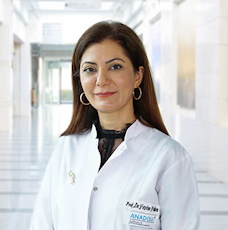
Prof. Yesim Yildirim is a medical oncologist with a strong academic profile. She has more than 80 scientific publications, internships at international centers, and ESMO certification. In practice, she works with breast cancer, lung tumors, melanoma, and sarcomas, actively using modern immunotherapy and targeted treatment regimens. This is the type of doctor patients usually seek in cases where standard treatment has already failed or when a more complex therapy selection is required.
It is also important that she works within the Anadolu system — which means access to comprehensive diagnostics, tumor board discussions, and all treatment methods without the need to “assemble” treatment across different clinics. In practice, this greatly affects the speed and quality of decision-making.

Prof. Banu Atalar is one of the most renowned radiation oncologists in Turkey. She has more than 70 scientific publications and international experience, including a fellowship at Stanford. She holds key positions in professional organizations, including ESTRO and ASCO, and since 2025 has chaired the Turkish Society for Radiation Oncology.
Her specialization is high-precision radiation therapy, including SRS (stereotactic radiosurgery) and MR-guided radiotherapy. In practice, this means the ability to target tumors as accurately as possible while minimizing damage to healthy tissues. This is especially important for brain metastases, complex tumor locations, or repeat treatment.
Although a significant part of her work is related to radiosurgery, she also participates in the treatment of breast, lung, and gastrointestinal cancers, especially in cases requiring a combined approach.
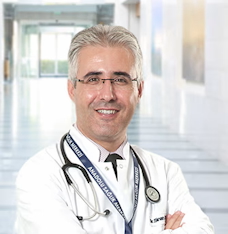
Dr. Sinan Karaaslan is a medical oncologist who works precisely within this logic. He does not have a narrow “showcase” specialization focused on a single tumor type, but this is exactly the typical doctor for the MDT model.
He treats patients with breast cancer, colorectal and urogenital tumors, selects treatment regimens, and participates in tumor boards. Importantly, his work is not isolated — decisions are made together with surgeons and radiologists rather than separately.
His research experience is also noteworthy: participation in a project on AI prediction of Oncotype DX shows that he works at the intersection of clinical practice and modern approaches to personalized treatment. This does not make him an academic “leader,” but it provides practical depth in therapy selection.
Overall, he is not a doctor “with a big name,” but rather a strong clinical oncologist within a properly structured system.
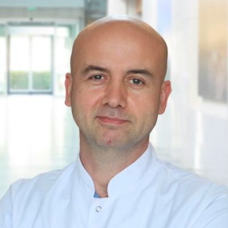
Dr. Cem Yalcinkaya is a gynecologic oncologist working with cervical, ovarian, and other pelvic organ tumors.
His profile includes surgery using robotic technologies (Da Vinci), along with participation in comprehensive treatment through the tumor board. He is an ESGO member and has publications in gynecologic oncology, including topics directly related to cervical cancer.
At the same time, it is important to understand the scale: he is not a “superstar” with hundreds of studies or tens of thousands of surgeries, but rather a precise, specialized surgeon working within one of the strongest MDT systems in the country.
And at Anadolu, this is often more important than the individual “media presence” of a doctor.
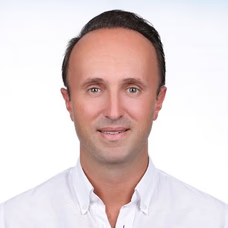
Prof. Ilker Tinay is one of the strongest uro-oncologists in Turkey, and this is already the level of a “key specialist,” not just part of a team.
His profile includes prostate, bladder, and kidney cancer. More than 900 robotic prostatectomies, an active role in the Turkish Uro-Oncology Association, and participation in international research.
2. Acibadem Healthcare Group (Istanbul)
Acibadem Healthcare Group is the largest private healthcare network in Turkey, объединяющая dozens of clinics and medical centers not only within the country but also abroad. Unlike highly specialized oncology centers, its strength lies in its scale and technological base. This is already noticeable at the level of diagnostics and radiation therapy, where several types of equipment are available for different tasks.
From the oncology perspective, Acibadem is more often considered in cases where treatment precision and access to advanced technologies are important. The clinics operate according to international ESMO and NCCN protocols, and the doctors actively participate in clinical research and publish in specialized journals.
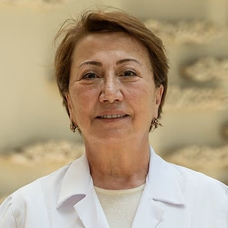
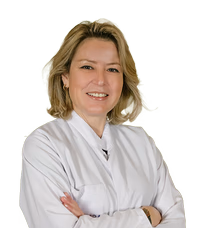
In oncohematology and bone marrow transplantation, Professor Gulyuz Ozturk stands out with extensive BMT experience, while in pediatric oncology, Professor Funda Vesile Corapcioglu has more than 20 years of experience treating childhood cancers. This team composition clearly reflects the overall level of the network: there is no single “star doctor” everything depends on, but rather a strong system of specialists across different fields.
Clinic Advantages
- The largest clinic network with a high patient flow and extensive experience in complex cases
- Strong technological base: MR-LINAC (MRIdian), Gamma Knife Icon, CyberKnife, TrueBeam
- Treatment according to international protocols (ESMO, NCCN) and participation in clinical research
- Access to modern medications and molecular diagnostics (NGS, liquid biopsy — next-generation sequencing / analysis of tumor DNA in the blood)
- Strong specialized centers, including the Breast Centre and dedicated tumor boards
- One of the leaders in radiation therapy thanks to the diversity of available equipment

3. American Hospital (Istanbul)
American Hospital is one of the oldest private clinics in Istanbul, operating since 1920. It is not a highly specialized oncology center, but rather a strong multidisciplinary hospital with a focus on service quality and a high level of medical expertise. The clinic is JCI-accredited and operates according to standards close to the American healthcare system, which is reflected in both treatment organization and patient approach.
In oncology, patients more often turn here in situations where a comprehensive approach is important: diagnostics, surgery, and subsequent treatment within one system.
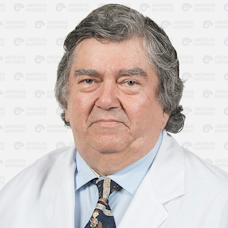
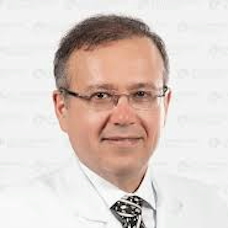
Among the specialists, for example, Professor Cenk Buyukunal can be highlighted — a pediatric surgeon with more than 200 scientific publications and international experience — as well as Professor Derya Balbay, one of the pioneers of robotic uro-oncology in Turkey. Such doctors reflect the clinic’s overall level well — an emphasis on practical experience and participation in the international medical community.
Clinic Advantages
- One of the oldest private clinics in Turkey with international JCI accreditation
- Treatment and safety standards based on the American healthcare system
- Strong team of doctors with international training and practice
- Modern cancer treatment methods: surgery, chemotherapy, immunotherapy, CyberKnife
- High level of service and comfortable inpatient conditions
- Convenient location in central Istanbul and well-developed infrastructure for patients

4. Hisar Intercontinental Hospital (Istanbul)
Hisar Intercontinental Hospital is a private multidisciplinary clinic focused on patients from different countries. Oncology is not its only specialty, but thanks to its technologies and team-based approach, it occupies an important place in the clinic’s structure.
From an oncology perspective, Hisar is more often considered when precise radiation therapy is needed. The main advantage is the MR-LINAC 1.5 Tesla, which allows adaptive radiotherapy with high precision. The clinic operates a full tumor board where cases are discussed by several specialists simultaneously.
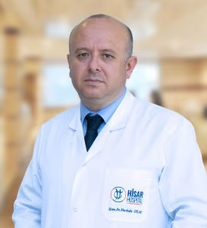
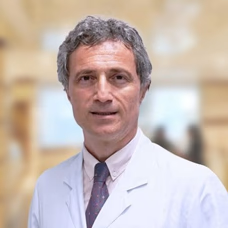
Among the doctors, for example, Mustafa Solak can be highlighted — an oncologist specializing in medical treatment, including chemotherapy and targeted therapy — as well as Professor Erkan Yildirim, who focuses on oncologic lung surgery and has transplantation experience.
Clinic Advantages
- One of the best options in terms of price-to-technology ratio, especially for radiation therapy
- Availability of MR-LINAC 1.5T for high-precision radiotherapy of complex tumors
- Advanced diagnostics: PET-CT, 3 Tesla MRI, genetic testing
- Team-based approach through tumor boards involving different specialists
- Strong team of doctors with experience in oncology and surgery
- More affordable pricing compared to the largest Istanbul healthcare networks
5. Istanbul Oncology Hospital (Istanbul)
Istanbul Oncology Hospital is a rare example of a highly specialized oncology clinic where almost the entire focus is concentrated specifically on cancer treatment. Unlike large multidisciplinary networks, there is no “dilution” of specialties here — more than 70% of patients are breast cancer cases, and the entire structure of the center is built around this. The clinic is accredited by Deutsche Krebs Gesellschaft (DKG), which implies compliance with German oncology care standards and regular quality audits.
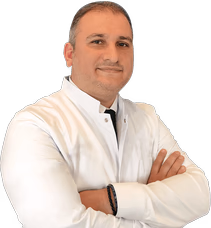
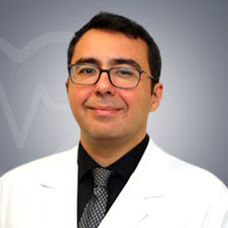
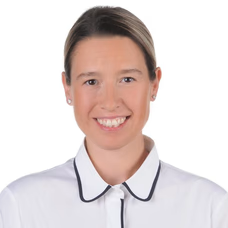
The key feature is a fully dedicated oncology specialist team. The surgical department is represented by Assoc. Prof. Ekrem Ferlengez, Prof. Dr. Hüseyin Yüce Bircan, and Prof. Dr. Burcu Çelet Özden. Specialists in breast radiology and pathology are also separately designated, which is rare even in large centers. Istanbul Oncology Hospital is a strong specialized center with a high-quality team and clear specialization.
Clinic Advantages
- Fully oncology-focused profile with an emphasis on breast cancer treatment
- DKG (Germany) accreditation and participation in the ESO Breast Centres Network
- Dedicated team of specialists for all treatment stages
- Regular multidisciplinary tumor boards according to German standards
- Clearly structured treatment process without unnecessary stages
- Suitable for specialized oncology cases where specialization is important
6. Memorial Hospitals Group (Istanbul)
Memorial Hospitals Group is one of the most well-known medical networks in Turkey, bringing together more than ten clinics in Istanbul, Ankara, and Antalya. It is one of the first private healthcare networks in the country to receive international JCI accreditation and still remains a benchmark for the level of clinical processes and treatment organization. In oncology, Memorial is most often chosen for its strong medical school and practical experience. The clinics work according to NCCN and ESMO protocols, and treatment is organized through multidisciplinary tumor boards.
Professor Serkan Keskin heads the oncology department at Memorial Şişli Hospital and specializes in the treatment of breast cancer and other solid tumors. It is also worth highlighting Memorial Bahçelievler Hospital — a modern clinic within the network, opened in 2018. This is a large center with a focus on diagnostics and oncology, where technologies such as TrueBeam, Elekta, PET-CT, and Da Vinci robotic surgery are used.
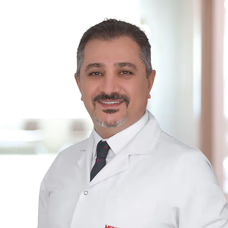
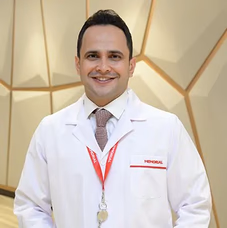
The clinic is also known as a “green hospital” with LEED Platinum certification. Among the doctors, Erkan Dogan can be highlighted for his more than 20 years of experience, as well as Salih Boga, who works with gastrointestinal diseases, including oncological cases.
Clinic Advantages
- One of the first JCI-accredited healthcare networks in Turkey
- Treatment according to international NCCN and ESMO protocols
- Strong doctors with proven publications and experience
- Wide range of treatments: chemotherapy, immunotherapy, targeted therapy, HIPEC
- Specialization in specific cancer types, including prostate and breast cancer
- High patient volume and well-established clinical processes

7. Florence Nightingale Hospitals Group (Istanbul)
Florence Nightingale Hospitals Group is one of the oldest private healthcare networks in Turkey, operating since the late 1980s. It is a large multidisciplinary holding with a strong academic base and its own physician selection system. Many specialists hold international certifications and have experience working abroad, which is reflected in the level of clinical practice.
In oncology, the clinic is more often considered a stable and technologically advanced center. A full treatment cycle is available here — from diagnostics to surgery and radiation therapy. The oncology center in Gayrettepe stands out in particular, with extensive experience in treating various types of cancer.
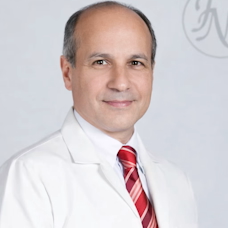
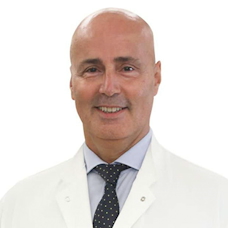
Among the specialists, Professor Coskun Tecimer can be noted — an oncohematologist with international experience — as well as Professor Bulent Baysal, who performs complex surgeries, including operations for oncological diseases.
Clinic Advantages
- One of the first JCI-accredited clinics in Turkey
- Strong team of doctors with international certification
- Full cancer treatment cycle: diagnostics, surgery, chemotherapy, and radiation therapy
- Modern technologies: Gamma Knife, TrueBeam, PET-MRI, Da Vinci
- Experience treating thousands of oncology cases annually
- Developed infrastructure and experience working with international patients

8. Medipol University Hospital (Istanbul)
Medipol University Hospital is one of the largest private medical complexes in Turkey, operating as a university hospital. It is a large-scale multidisciplinary center with a high patient flow and developed infrastructure, combining clinical practice with academic medicine.
From an oncology perspective, Medipol is more often considered a universal option, especially in cases where a combination of technology, accessibility, and a broad treatment spectrum is important. Modern methods are used here — from robotic surgery and radiosurgery to bone marrow transplantation and personalized therapy.
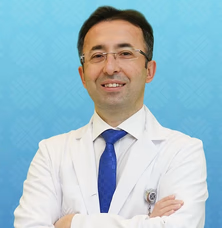
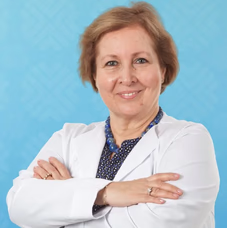
Among the specialists, Ahmet Bilici can be highlighted — an oncologist with a large number of scientific publications — as well as Fatma Deniz Sargin, who specializes in oncohematology and bone marrow transplantation.
Clinic Advantages
- Large university medical center with JCI accreditation
- Wide range of oncological treatment methods: surgery, radiotherapy, immunotherapy, and targeted therapy
- Technologies: CyberKnife, Gamma Knife, TrueBeam, Da Vinci
- Advanced bone marrow and organ transplantation center
- High patient volume and accumulated clinical experience
- Suitable for complex cases and combined diagnoses
9. Koç University Hospital (Istanbul)
Koç University Hospital is an academic medical center affiliated with the university and is often considered one of the most systematically organized oncology centers. The clinic operates in partnership with VKF American Hospital, which strengthens its clinical base and provides access to broader expertise.
From an oncology perspective, the key feature of Koç is its strict academic model. Here, MDT (tumor board) is not a formality, but a mandatory part of the process: decisions are made by a multidisciplinary team involving medical and radiation oncologists, pathologists, and surgeons. This approach is built into the university system itself and complies with international requirements, including JCI standards. The level of specialists also deserves separate mention.
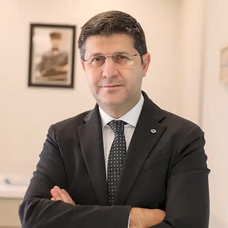
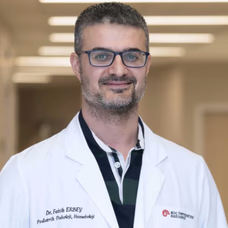
For example, Emre Balik is a surgical oncologist experienced in complex abdominal oncology and HIPEC (heated intraperitoneal chemotherapy — medication is introduced into the abdominal cavity in a heated form immediately after surgery), while Mehmet Fatih Erbey specializes in pediatric oncohematology and bone marrow transplantation. This clearly reflects the clinic’s academic profile — strong specialists in narrow fields.
Clinic Advantages
- Academic university-level care (Koç University Medical School)
- Partnership with American Hospital — expanded clinical base
- MDT tumor boards as a mandatory standard (not merely declarative)
- JCI accreditation and international protocols
- Access to clinical research and experimental treatment methods
- Strong specialists in narrow oncology fields
10. Medicana International Hospital (Istanbul)
Medicana International Hospital is part of the large Medicana Health Group network, where the emphasis is placed on access to modern treatment technologies combined with a well-structured patient support system. The clinic has held international JCI accreditation since 2010 and operates as a multidisciplinary center with a strong oncology department.
From an oncology perspective, Medicana is notable for being one of the first private clinics in Turkey to implement LINAC with IMRT and PET-CT technologies, making it possible to move toward more precise radiation therapy while preserving healthy tissues. The clinic uses CyberKnife, HIPEC, and other methods, and also has a separate bone marrow transplantation department with its own infrastructure and sterile units. The medical team is also quite diverse.
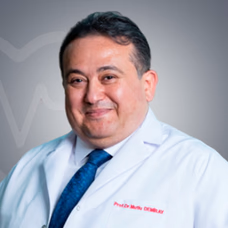
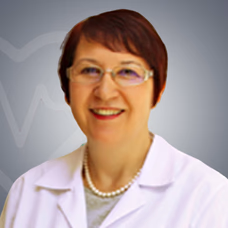
For example, Mutlu Demiray works with individualized treatment regimens and integrative oncology, while Zehra Fusun Tokatli oversees radiation therapy, including the treatment of breast tumors and pelvic organ cancers.
Clinic Advantages
- JCI accreditation (since 2010)
- The first private clinic to implement LINAC + IMRT in Turkey
- Use of CyberKnife, HIPEC, and PET-CT
- Bone marrow transplantation center (JACIE, specialized sterile units)
- Strong organizational support for international patients
- Application of modern radiation therapy protocols with high treatment precision
11. Medical Park Hospitals Group (Istanbul)
Medical Park Hospitals Group is the largest network of private clinics in Turkey, with dozens of hospitals across the country. From an oncology perspective, Medical Park is most often chosen for its scale and experience, especially in transplantation. The clinic is considered one of the leaders in the number of organ and bone marrow transplants performed, including pediatric cases. Modern treatment methods are used here — from chemotherapy and immunotherapy to radiotherapy and surgery.
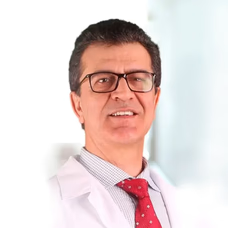
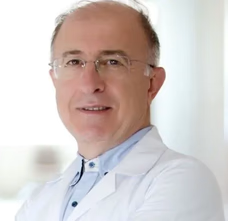
Among the specialists, Professor Savas Tuna can be highlighted, as he specializes in systemic cancer treatment, as well as Professor Mehmet Akif Yesilipek — one of the leading specialists in bone marrow transplantation, especially in pediatrics. A separate focus is the development of new technologies. The network participates in international projects, including collaboration with the Perelman School of Medicine, providing access to methods such as CAR-T therapy (cellular immunotherapy using modified T-cells) and advanced cellular technologies. Molecular tumor profiling is also used to select personalized treatment.
Clinic Advantages
- The largest clinic network in Turkey with extensive clinical experience
- Leader in the number of organ and bone marrow transplants
- Use of modern methods: chemotherapy, immunotherapy, HIPEC, radiotherapy
- Advanced pediatric oncology and transplantation department
- Access to molecular diagnostics and personalized treatment
- Participation in international medical projects and research

12. Memorial Hospital Ankara (Ankara)
Memorial Health Group is one of the largest private healthcare networks in Turkey, including dozens of hospitals across the country. Memorial Hospital Ankara is considered one of the network’s key oncology centers and a leader in private healthcare in Ankara. The clinic is JCI-accredited and integrated into the overall Memorial infrastructure, making it possible to involve specialists from other branches and conduct consultations on complex cases.
The center’s strong side is the treatment of complex and recurrent tumors, especially in hard-to-reach areas. Stereotactic radiosurgery technologies, including CyberKnife and TrueBeam, are actively used here, making it possible to treat skull base tumors, spinal tumors, and brain metastases. The clinic regularly conducts multidisciplinary tumor board meetings, which is especially important in complex oncology cases.
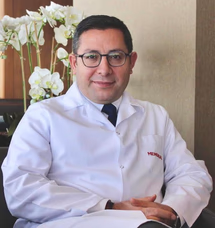
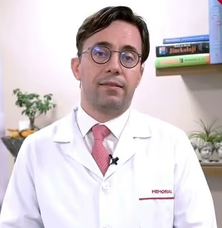
Among the doctors, Ahmet Demir can be highlighted — a specialist in pediatric oncology and bone marrow transplantation — as well as Umut Demirci, who specializes in the systemic treatment of various cancer types.
Clinic Advantages
- One of the leading oncology centers in Ankara’s private sector
- JCI accreditation and a unified tumor board system within the Memorial network
- Strong expertise in complex and recurrent tumors
- Use of CyberKnife and TrueBeam for precise radiosurgery
- Experience in treating brain metastases and spinal tumors
- Advanced pediatric oncology and bone marrow transplantation department
Which Clinics Are Actually Stronger and How to Choose
Who Will Really Provide the Best Treatment Outcome?
If we look not at marketing but at real clinical practice, there are 2–3 centers in Turkey that consistently stand out.
Anadolu Medical Center and Acibadem Healthcare Group effectively share first place, but for different reasons. Anadolu stands out for its narrow oncology specialization, OECI accreditation, and one of the strongest bone marrow transplantation centers in the region. Acibadem stands out for its technological base, scale, and strong academic component.
Memorial Hospitals Group is usually placed in third position — due to its experience and strong medical oncologists. It is a more universal option without a strong bias toward one particular direction.
Where Is the Best Balance Between Price and Quality?
Anadolu is most often considered in this context. With a comparable level of medicine, treatment costs here are usually lower than in Israel or Western Europe.
If the goal is related to precise radiation therapy, Hisar Intercontinental Hospital is often highlighted separately — as an option with strong technology at a more moderate price.
Where to Treat Complex Cases
Here, the choice depends on the specific diagnosis.
For oncohematology and bone marrow transplantation, Anadolu Medical Center is more often chosen.
For breast cancer, this is usually Acibadem Maslak or Memorial Şişli, where strong teams and access to advanced diagnostics are available.
For tumors where precise radiotherapy is critical, Hisar or Acibadem are more often considered.
Rare tumors and complex targeted treatment regimens — again, the domain of Anadolu and Acibadem.
Where to Treat Standard Cases
If we are talking about standard chemotherapy or early-stage cancer, where logistics and a clear process are important, large centers such as Memorial Hospitals Group or Acibadem Healthcare Group are suitable.
In more budget-oriented scenarios, Medical Park Hospitals Group is sometimes considered, especially if the treatment does not require narrow specialization.
Overall Logic of Choosing
Simply put, there is no single “best clinic.” There is the right choice for a specific task.
The more complex the case, the less important the brand becomes, and the more important the team’s experience and the specific specialty direction become.
And overall, the set of treatment methods — from chemotherapy to transplantation — is approximately the same across all major centers; the real difference lies in the level of execution and access to technologies.
Cancer Treatment Success Statistics in Turkey
When discussing cancer treatment outcomes, it is important to clarify right away: there is no single “overall figure” that accurately describes the situation. Everything depends on the type of tumor, the stage, and how early treatment begins.
Nevertheless, according to generalized data, the average 5-year survival rate in Turkey is around 65–70% (Daily Sabah, 2022). This figure is comparable to a number of European countries, especially considering that the statistics include patients at different stages, including advanced stages.
With early diagnosis, the numbers look significantly better. National reports note that survival rates in early stages can exceed 80% (Ministry of Health Turkey, 2022).
If we look at specific cancer types, the difference becomes even more apparent. For example:
- breast cancer — around 85% 5-year survival rate
- cervical cancer — approximately 65–70%
- ovarian cancer — around 45–50%, with a strong dependence on the stage
In large oncology centers, the rates may be higher due to more precise diagnostics and physician experience. But overall, Turkey does not stand out from the global picture — the same international protocols used in Europe and Israel are applied here.
And if simplified to the most important point: treatment outcomes are most often determined not by the country, but by how early the disease is detected and how competently the treatment plan is structured from the very beginning.
How Cancer Treatment Works in Turkey
Usually, everything begins before the trip. The patient sends documents, scans, and medical reports, and the doctors provide a preliminary opinion. This helps clarify the available options and whether traveling is worthwhile.
After arrival, diagnostics proceed quickly. Within a few days, CT, MRI, PET-CT, and laboratory tests are performed. This is necessary to confirm the diagnosis and accurately build the treatment plan.
Next, the case is discussed by a team of doctors. The oncologist, surgeon, and radiologist review the situation together and propose a treatment strategy. Decisions are made fairly quickly, without unnecessary waiting.
The treatment process itself then depends on the diagnosis. But usually there is a clear plan and understandable schedule, which reduces the feeling of uncertainty.
Advantages of Cancer Treatment in Turkey
- The main advantage is access to modern methods. Major clinics use the same protocols as in Europe, including immunotherapy and targeted treatment.
- The second point is speed. Diagnostics and treatment initiation often take only a matter of days, not weeks.
- Cost is also important. With a comparable level of medicine, treatment is usually cheaper than in a number of European countries.
- Another factor is organization. Patients receive help with translation, logistics, and appointments. This removes part of the burden during a difficult period.
Recovery and Follow-Up After Treatment
After treatment, the monitoring stage begins. The patient undergoes examinations and receives recovery recommendations.
Often, part of the follow-up is conducted remotely. The person returns home but stays in contact with the doctors and sends test results. Recovery timelines differ for everyone. But overall, the approach is the same: a gradual return to normal life and regular monitoring of the condition.
Treatment does not end on the day of the last procedure. The follow-up stage comes next, and it plays an important role in the final outcome.
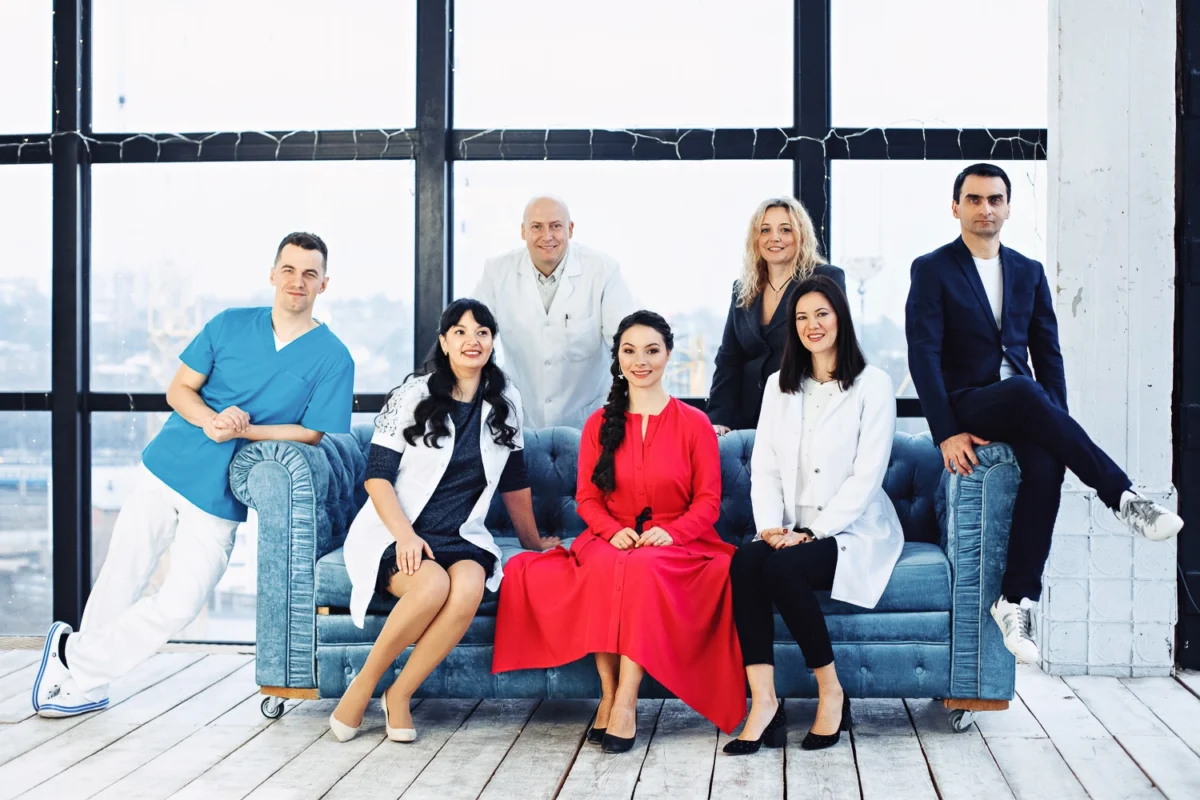
How We Help Patients at Experts Medical
At Experts Medical, we work with patients who need treatment abroad and try to simplify the entire process. Most often, patients come to us already with a diagnosis but without a clear understanding of where to go and how to organize everything.
We do not limit ourselves to selecting a clinic. Our task is to guide the patient through the entire journey — from the first request to returning home and subsequent follow-up.
What Exactly We Do
- Study the medical situation, review documents, and, if necessary, help prepare them
- Select a doctor and clinic based on the diagnosis, specialist experience, and the patient’s capabilities
- Organize the trip: appointments, tickets, accommodation, transfers
- Provide on-site support and remain in contact throughout all stages of treatment
- Help resolve organizational and everyday issues during the stay
- Help patients under 18 raise funds for treatment
- Maintain contact after treatment when the patient returns home
Our work is built not around “one solution,” but around the patient’s specific situation. Doctor selection takes many factors into account, not just the clinic’s reputation.
It is also important to note separately: our services are free for the patient. Payment is made directly to the clinic, without additional commissions or hidden markups.
Over the years, we have helped more than 12,000 patients organize treatment abroad. This experience allows us to understand quite accurately which options truly work in practice.
In short, we take care of the organizational side so the person can focus on treatment rather than logistics and searching for solutions.
Conclusion
There is no universally “best” clinic in Turkey — everything depends on the diagnosis and the task.
Anadolu Medical Center is more often chosen for oncohematology and BMT, Acibadem Healthcare Group — when technology is important, and Memorial Hospitals Group — as a balanced option with strong practical expertise.
In practice, the choice almost always comes down to the doctor and the treatment protocol, not the clinic’s name. That is why it makes sense to first understand the available options and only then make a decision.
At Experts Medical, we usually help patients through this stage — reviewing the case, comparing clinics, and selecting the optimal option. For the patient, this is free of charge, since payment goes directly to the clinic.
FAQ
How Can You Understand the Real Level of a Clinic?
It is better to look not at popularity, but at how treatment is organized. The most important factors are whether the clinic has experience specifically with your type of cancer, how the tumor board functions, and which treatment methods are actually available. Often, a specialized center may turn out to be stronger than a large network for a specific diagnosis.
How Important Are International Accreditations?
They provide guidance, but they do not guarantee the same level of treatment everywhere. JCI indicates safety standards, while ESMO or OECI relate more specifically to oncology requirements. At the same time, even with the same accreditations, treatment quality may differ because of the medical team.
Where Is It Better to Treat Complex Cases?
This always depends on the type of disease. For example, Anadolu Medical Center is more often chosen for oncohematology, while Acibadem Healthcare Group or Hisar Intercontinental Hospital are preferred for complex radiotherapy. Overall, the decision is always based on the specific case rather than the clinic’s general reputation.
Is a Second Medical Opinion Necessary?
In complex cases, it is almost always justified. Even if the diagnosis does not change, the treatment approach may differ — and this directly affects the outcome.