





 Best clinics for biopsy
 Cost of biopsy
 Biopsy of various organs
 Biopsy review
 Risks
Risks- At the clinic's price without markups
- with full doctor support
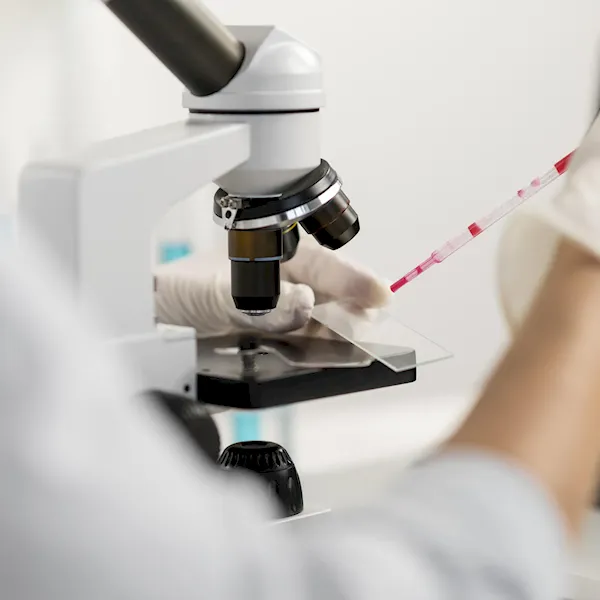
A biopsy is a diagnostic test in which a doctor takes a small fragment of tissue or cells from a suspicious area of the body for further microscopic examination. This method makes it possible to determine whether a lesion is malignant, as well as identify the tumor type and its level of aggressiveness.
For oncology patients, a biopsy is a crucial step in diagnosis. This test can accurately confirm or rule out cancer, and also guide the choice of the most effective treatment strategy: surgery, chemotherapy, or immunotherapy.
Why undergo a biopsy in Turkey?
 There are three main reasons why patients choose Turkish clinics:
- Doctors use advanced biopsy collection and analysis methods — ultrasound, CT, MRI guidance, extended immunohistochemistry panels, and molecular testing.
- Istanbul, and Turkey as a whole, is home to highly skilled oncology and pathology specialists. Tissue samples are often sent here for second opinions. Reviewing results allows doctors to clarify the diagnosis, determine the tumor subtype, and adjust the treatment plan if needed.
- Turkish medical centers are certified according to international standards. Doctors follow globally accepted oncology protocols. For international patients, results are translated and full support is provided.
Top medical centers for biopsy procedures in Turkey
Turkish medical centers combine cutting-edge diagnostic technologies with the high expertise of pathologists. Clinics specialize in complex oncology cases and provide patient care at an international standard.
The best medical centers for biopsies in Turkey

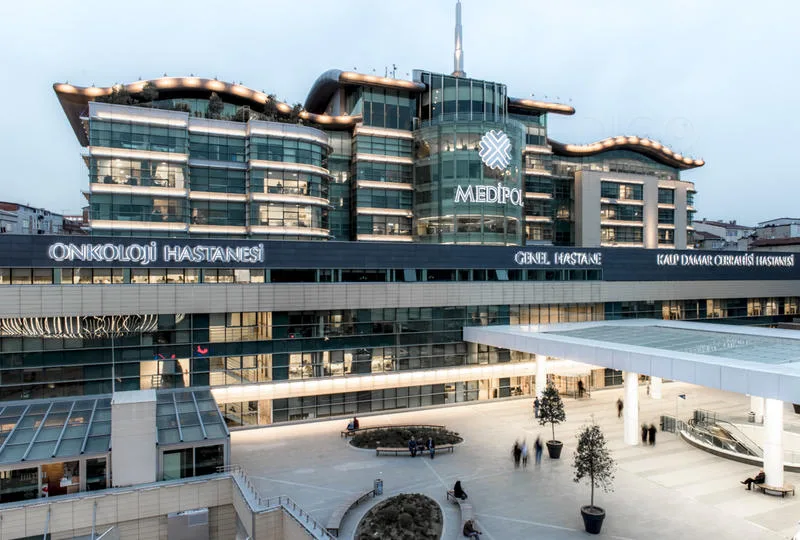


Comparative table of leading Turkish clinics for biopsy procedures
|
Clinic |
Key Advantages |
Prices |
Service Speed (5-point scale) |
|
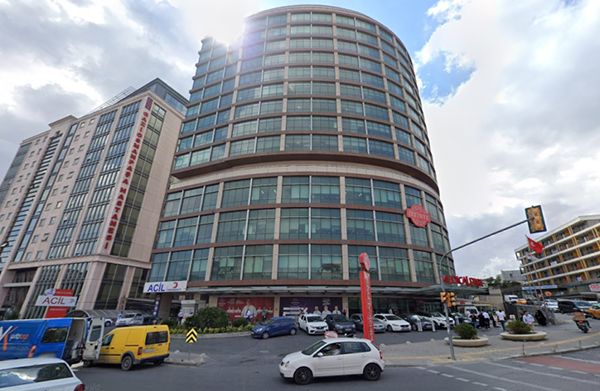
Medical Park Gaziosmanpaşa |
Precise biopsy under visual guidance + multidisciplinary approach |
Affordable |
5/5 |
|
Liv Istinye |
Robotic fusion prostate biopsy + wide range of diagnostic tests |
Affordable |
5/5 |
|
Memorial Hospital |
Capability to create a molecular tumor profile for targeted therapy selection |
Affordable |
4/5 |
|
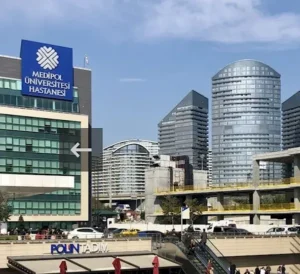
Medipol University |
Navigation biopsy + in-house lab, JCI accreditation |
Moderate |
4/5 |
|
Anadolu Medical Center |
Results according to CAP standards + liquid biopsy and BMT expertise |
High |
4/5 |
Cost of biopsy in Turkey
Cost of biopsy in Turkey
Biopsy costs in Turkish clinics are significantly lower than in Europe and the USA, while maintaining a high standard of medical care.
For example, a breast biopsy in Turkey costs on average $1200–1500. In comparison, the same procedure in the USA and Western Europe costs around $1500–4000, and in some cases up to $7000–8000. Thus, the price in Turkey is almost twice as low as in Western countries.
A lung biopsy in Turkey costs about $2800. In the USA, prices start from $3500–6000 and can reach $14,000 in complex cases. In European clinics, biopsy prices begin at $3300, making Turkish rates considerably more affordable compared to the US and Europe.
Therefore, undergoing a biopsy in Turkey allows patients to receive high-quality diagnostics from experienced specialists at a cost significantly lower than in the USA and most European countries.
What Types of Biopsies Are Performed in Turkey?
Turkish clinics offer a full range of biopsy procedures using state-of-the-art equipment and high-precision navigation systems. The choice of method depends on the location of the suspected lesion, its size, and accessibility for different approaches.
Types of Diagnostics and Indications for Biopsy
|
Type of Biopsy |
Description |
Indications |
|
Fine Needle / Core Needle |
Sample collection with a thin or thick needle |
Thyroid nodules, breast tissue, lymph nodes |
|
Trephine |
Tissue column collection with a special needle |
Bone tumors, soft tissue masses, liver lesions |
|
Stereotactic |
Precise targeting guided by CT/MRI |
Brain tumors, hard-to-reach lesions |
|
Endoscopic |
Sample collection using an endoscope through natural pathways |
Tumors of the gastrointestinal tract, airways, bladder |
|
Surgical |
Open removal of a fragment or the entire tumor |
Large lesions, complex locations |
|
Liquid |
Analysis of circulating tumor cells in the blood |
Treatment monitoring, detection of metastases |
|
Sentinel |
Examination of sentinel lymph nodes |
Breast cancer, melanoma |
How are biopsies of different organs performed?
How are biopsies of different organs performed?
Turkish clinics apply organ-specific biopsy protocols that take into account the anatomical, histological, and clinical features of each organ. This approach ensures maximum accuracy and safety during tissue sampling for analysis.
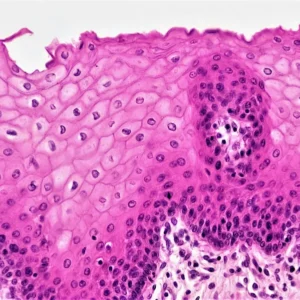 Brain Biopsy:
- Types: stereotactic biopsy, intraoperative biopsy
- Duration: 2–4 hours, under general anesthesia
- Features: MRI/CT navigation, neurosurgical access, rapid intraoperative analysis
Thyroid Biopsy:
- Types: fine-needle aspiration or core needle biopsy
- Duration: 10–15 minutes, outpatient
- Features: ultrasound guidance, local anesthesia, results within 3–5 days
Breast Biopsy:
- Types: core biopsy, vacuum-assisted, or stereotactic biopsy
- Duration: 20–40 minutes under local anesthesia
- Features: ultrasound/mammographic guidance, marker placement (for future follow-up), compression bandage after the procedure
Lung Biopsy:
- Types: percutaneous biopsy under CT guidance, bronchoscopic or thoracoscopic biopsy
- Duration: 30–60 minutes, thoracoscopy up to 2 hours
- Features: pneumothorax monitoring, sedation or general anesthesia
Liver Biopsy:
- Types: percutaneous puncture under US/CT, transvenous, or laparoscopic biopsy
- Duration: 15–30 minutes, local anesthesia
- Features: coagulation control, 4–6 hours observation after the procedure
Prostate Biopsy:
- Types: TRUS-guided (transrectal ultrasound), MR-fusion, or transperineal biopsy
- Duration: 20–45 minutes under sedation
- Features: antibiotic prophylaxis, collection of 12–18 samples, results within 7–10 days
Cervical Biopsy:
- Types: Pipelle biopsy, colposcopic biopsy, cervical conization
- Duration: 5–20 minutes, outpatient
- Features: colposcopic guidance, local anesthesia, post-procedure restrictions
What is a biopsy review and why is it important in oncology?
What is a biopsy review and why is it important in oncology?
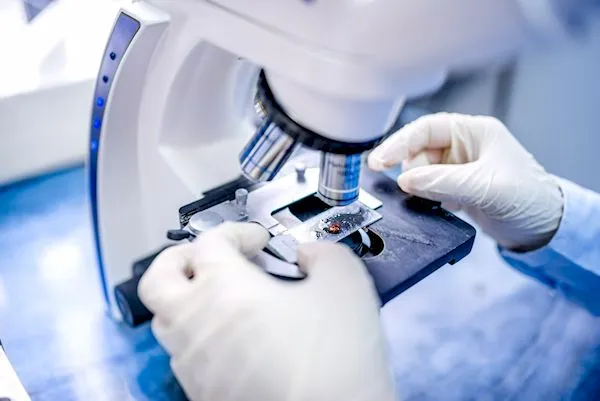
 A biopsy review is a re-examination of already collected biological material by another pathologist or in a specialized laboratory. Experts re-analyze the specimen under a microscope, using additional staining techniques and molecular tests.
The significance of this procedure in oncology lies in the complexity of diagnosing malignant tumors. According to Anticancer Research, discrepancies in result interpretation occur in about 13% of complex cancer cases. Inaccurate initial diagnosis can lead to inappropriate treatment.
A review is especially critical for rare tumor types, borderline conditions between benign and malignant processes, and when determining molecular subtypes for targeted therapy.
When is a biopsy review recommended for patients?
- When biopsy results do not match imaging data or the clinical picture of the disease.
- For diagnosing rare histological tumor types—sarcomas, lymphomas, neuroendocrine neoplasms—which require expert-level pathologist evaluation.
- When differential diagnosis is needed between atypia, high-grade dysplasia, and carcinoma in situ.
- To determine prognostic markers (e.g., receptor status in breast cancer or the mutational profile of tumor cells for selecting targeted therapies).
- When there are doubts about the quality of the biopsy sample—fixation artifacts, insufficient material, or technical errors during processing.
- When the oncology multidisciplinary board requests an additional expert opinion before starting treatment.
How is a biopsy review performed in Turkish clinics?
The review process in Turkish medical centers is organized according to international standards and involves the country’s leading pathologists:
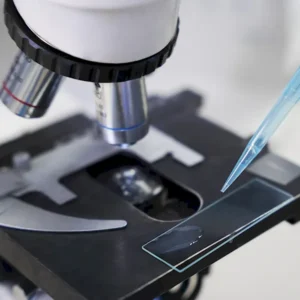 Sample preparation. The original blocks and slides are delivered to a reference laboratory. If necessary, additional sections are prepared using special staining techniques.
- Expert evaluation. The material is examined by a senior pathologist specializing in the specific tumor type. Turkish specialists apply modern immunohistochemistry and molecular diagnostics methods.
- Consultation process. Complex cases are discussed at multidisciplinary tumor boards with oncologists, surgeons, and radiologists.
- Turnaround time. A standard review takes 5–7 business days, while urgent cases are completed within 2–3 days. Molecular tests may take up to 14 days.
- Final report. The final report is issued in both Turkish and English, including a detailed description of morphological findings and treatment recommendations.
How safe is it to have a biopsy?
How safe is it to have a biopsy?
Biopsy is considered a minimally invasive diagnostic procedure with low complication risks when performed according to modern safety protocols. Turkish clinics follow international standards for biopsy procedures.
General safety statistics
According to systematic reviews and meta-analyses, the overall complication rate for biopsies of different organs ranges from 6% to 15%, with about 1–2% being serious complications, such as bleeding, hematomas, or tissue damage requiring additional medical intervention. Mortality is extremely rare, not exceeding 0.02%. Most complications are minor and temporary, including pain, minor bleeding, and small hematomas.
Organ-specific risks
- Lungs: according to the American Journal of Roentgenology, pneumothorax develops in 17–26% of patients after transthoracic biopsy, but chest drainage is required in only 1–14% of cases.
- Prostate: according to clinical studies, including the randomized ProBE-PC trial, more than 98% of patients do not experience serious complications after prostate biopsy. Urinary retention requiring catheterization occurs in less than 2% of cases, and the rate remains low even with template transperineal biopsy.
- Breast: according to the American Cancer Society, core needle biopsy of the breast rarely causes serious complications.
Can a biopsy cause cancer to spread or recur?
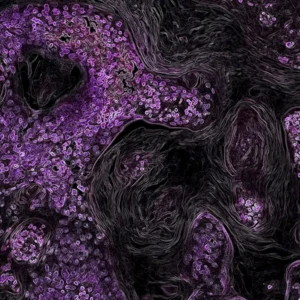 One of the most common fears among patients is the possibility of cancer cells spreading during a biopsy. This concern is understandable, but scientific evidence shows it is unfounded.
Experts at the Mayo Clinic, based on numerous medical studies, confirm that needle biopsy does not increase the risk of cancer cell spread or worsen disease prognosis. Research demonstrates that biopsy is a safe and essential procedure for accurate cancer diagnosis.
Modern biopsy needles are less than 1 mm in diameter and equipped with special mechanisms that prevent “trapping” cells during withdrawal. Ultrasound, CT, and MRI navigation allow physicians to precisely target the tumor center without affecting healthy tissue.
How to get a biopsy in Turkey?
To undergo a biopsy in Turkey, simply contact Experts Medical. Whether you need an initial test or a review of an already performed biopsy, our team will provide full support at every stage.
The process includes selecting the right clinic and specialist, coordinating the medical program, and assisting with travel arrangements. All doctors and medical centers we partner with have been vetted through years of collaboration and patient feedback. This ensures Experts Medical directs patients to highly qualified specialists.
Throughout the process, Experts Medical acts as a trusted intermediary between the patient and the clinic: we handle direct communication with the treating physician, monitor compliance with agreements, and prevent unnecessary services or expenses. If needed, we also help organize a biopsy review by leading experts.
Payment for medical services is made directly to the clinic or physician, ensuring full price transparency. In most cases, no prepayment is required – settlement is done upon completion of the service.
This approach allows patients to undergo a biopsy in Turkey with minimal organizational hassle, in a short time frame, and with specialists who have proven clinical success.