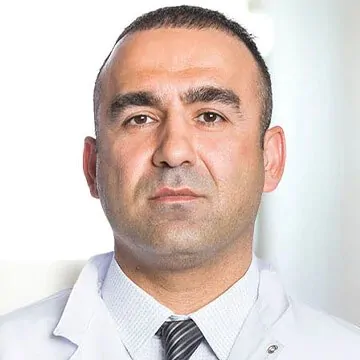




- At the clinic's price without markups
- with full doctor support
Esophageal cancer is one of the most challenging oncological diseases. The success of treatment here largely depends on how well the medical team is selected and how correctly the entire sequence of stages is planned — from chemotherapy to surgery.
At Experts Medical, we help patients with this diagnosis. Over time, more than 12 thousand people have come through us, and we clearly see where esophageal cancer treatment outcomes are truly stable.
According to Turkish studies, the incidence of esophageal cancer in Eastern Anatolia is significantly higher than the national average, while the 5-year survival rate after combined treatment ranges from 6.6% to 13.4% (PubMed). The right choice of doctor and clinic can significantly influence these numbers.
That is why it is so important not to make a mistake when choosing a specialist. This often determines how successfully the treatment will go and how quickly a person can return to normal life.
You do not need to spend energy searching and comparing. We have already done this for you at Experts Medical.
1. Acibadem Hospitals
Acibadem is one of the most advanced networks in Turkey for the treatment of esophageal cancer and gastroesophageal junction (GEJ) cancer. The clinic offers a full cycle of care: from precise diagnostics and neoadjuvant therapy to robot-assisted esophagectomy and modern immunotherapy regimens. Perioperative FLOT and CROSS protocols are actively used here, as well as immunotherapy (nivolumab and pembrolizumab) depending on PD-L1 status and the molecular profile of the tumor.
Clinic advantages:
- Full cycle of esophageal cancer treatment — from neoadjuvant therapy to robotic esophagectomy
- Strong GI/Thoracic tumor board involving experienced oncologists and surgeons
- Modern equipment: da Vinci, TrueBeam, CyberKnife, and MR-LINAC
- High level of JCI accreditation and compliance with ESMO standards
- Active use of immunotherapy and molecular-targeted treatment
Leading clinic specialists:
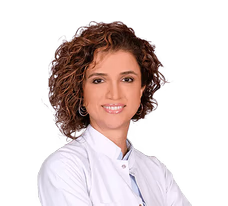
Prof. Leyla Ozer
Experienced medical oncologist specializing in perioperative therapy for esophageal cancer and GEJ cancer. She actively participates in multicenter TOG studies on immunotherapy and has significant experience in selecting modern treatment regimens based on the molecular characteristics of the tumor.
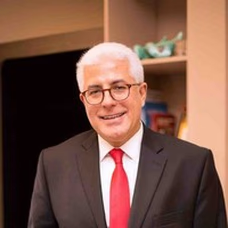
Prof. Gokhan Demir
Medical oncologist with extensive clinical experience in the use of immunotherapy for esophageal cancer. He works with nivolumab and pembrolizumab protocols, paying special attention to PD-L1 status and individualized therapy selection for patients with locally advanced disease.
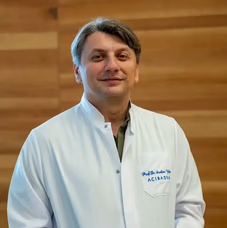
Prof. İbrahim Yıldız
Specialist in systemic therapy for esophageal cancer and GEJ cancer. Has extensive experience using combined FLOT and CROSS protocols and actively participates in multidisciplinary treatment planning for complex cases.
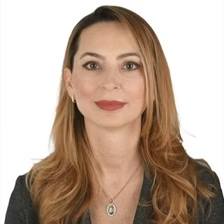
Prof. Banu Atalar
Radiation oncologist responsible for radiation therapy according to the CROSS protocol. She expertly uses modern technologies to increase treatment effectiveness and reduce side effects in esophageal cancer.
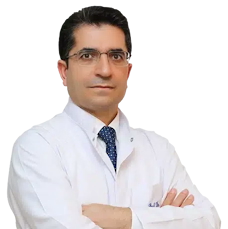
Prof. Faysal Dane
Medical oncologist. The doctor’s key advantages:
- Co-author of TOG studies on the use of nivolumab for esophageal cancer and GEJ adenocarcinoma
- Extensive experience working with CheckMate-649 protocols
- Specialization in perioperative immunotherapy
- Active implementation of international standards in esophageal cancer treatment

2. Medipol University Hospital
Medipol University Hospital is a large university center that successfully treats esophageal cancer and GEJ adenocarcinoma. The clinic offers a full cycle of treatment: neoadjuvant chemotherapy, immunotherapy, radiation therapy, and surgical tumor removal, including robot-assisted procedures.
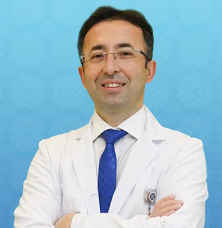
Ahmet Bilici — Professor of Medical Oncology. The doctor’s key advantages:
- Co-author of TOG studies on the use of nivolumab for esophageal cancer and GEJ adenocarcinoma
- Extensive experience working with CheckMate-649 protocols
- Specialization in assessing PD-L1 status to select optimal immunotherapy
- Active participation in personalized treatment of esophageal cancer in real clinical practice
Clinic advantages:
- Participation in major international studies on immunotherapy for esophageal cancer
- Access to modern FLOT, CROSS, nivolumab, and pembrolizumab protocols
- da Vinci robotic surgery and highly precise radiation therapy
- University-level molecular diagnostics and treatment planning
- Comprehensive approach to the treatment of esophageal cancer and GEJ adenocarcinoma
3. Koç University Hospital
Koç University Hospital is a modern academic center with a strong gastrointestinal oncology team that successfully treats esophageal cancer and GEJ adenocarcinoma. The clinic applies up-to-date perioperative strategies, immunotherapy, and robot-assisted surgery, paying special attention to multidisciplinary discussion of each case.
Leading clinic specialists:
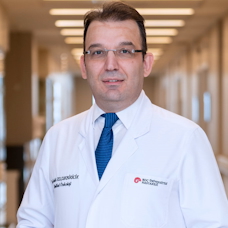
Prof. Fatih Selçukbiricik — medical oncologist. The doctor’s key advantages:
- Co-author of TOG studies on immunotherapy for GEJ adenocarcinoma
- Expertise in developing prognostic nomograms for patients with esophageal cancer
- Deep experience in personalized therapy selection
- Participation in multidisciplinary treatment planning for complex cases
Clinic advantages:
- Strong multidisciplinary tumor board in gastrointestinal oncology
- Partnership with Johns Hopkins and a high academic level
- Modern da Vinci robotic surgery for esophageal procedures
- Access to advanced FLOT, CROSS, and immunotherapy protocols
- Comprehensive treatment from diagnostics to postoperative follow-up
4. Anadolu Medical Center
Anadolu Medical Center is one of Turkey’s leading oncology centers with OECI accreditation that successfully treats esophageal cancer. The clinic offers a full cycle of combined treatment: neoadjuvant chemoradiotherapy, immunotherapy, and complex surgical interventions, including robot-assisted procedures.
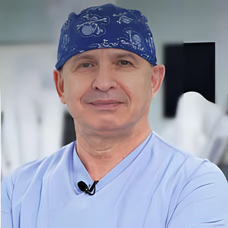
Prof. Altan Kır (Altan Kır) — Professor of Thoracic Surgery. The doctor’s key advantages:
- Experience at Royal Brompton Hospital (London) and Memorial Sloan Kettering Cancer Center (New York)
- Large volume of robotic esophagectomies for esophageal cancer
- One of the leaders in robotic thoracic surgery in Turkey
- High precision in performing minimally invasive esophageal surgeries
Clinic advantages:
- OECI accreditation and partnership with Johns Hopkins
- 11 specialized tumor boards, including a thoracic board
- Modern equipment: Da Vinci XI, CyberKnife M6, TrueBeam, and MR-LINAC
- Strong multidisciplinary approach to esophageal cancer treatment planning
- High level of combined therapy (chemoradiotherapy + surgery)

5. Memorial Şişli Hospital
Memorial Şişli Hospital is an experienced center for systemic treatment of esophageal cancer in Turkey. The clinic actively applies advanced molecular testing and modern combined therapy protocols, including neoadjuvant treatment and immunotherapy for locally advanced and metastatic forms of the disease.
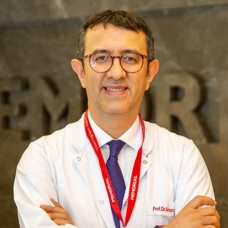
Serkan Keskin — medical oncologist, specialist in systemic therapy for esophageal cancer. The doctor’s key advantages:
- Expertise in advanced NGS molecular testing covering 600+ genes
- Accurate determination of PD-L1 status, HER2, and other biomarkers for immunotherapy selection
- Extensive experience using nivolumab, pembrolizumab, and trastuzumab for esophageal cancer and GEJ tumors
- Individualized therapy selection for advanced forms of the disease
Clinic advantages:
- High level of JCI accreditation and extensive experience with international patients
- Well-organized multidisciplinary oncology tumor boards
- Modern equipment for radiation therapy and surgical treatment of esophageal cancer
- Access to up-to-date international combined therapy protocols
- Comprehensive approach from diagnosis to supportive care

6. Liv Hospital
Liv Hospital is a modern clinic with a strong focus on high-tech treatment for esophageal cancer. A comprehensive approach is used here, including neoadjuvant chemoradiotherapy, immunotherapy, and robot-assisted surgery with advanced equipment and individualized treatment planning.
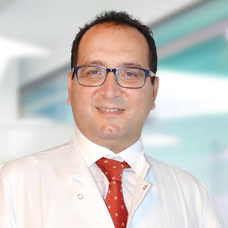
Prof. Saadettin Kılıçkap — medical oncologist. The doctor’s key advantages:
- Extensive experience in clinical research and immunotherapy for gastrointestinal tumors
- Specialization in selecting modern treatment regimens for esophageal cancer
- Participation in developing personalized approaches based on molecular markers
- Active use of immunotherapy in combined treatment
Clinic advantages:
- Leadership in da Vinci robotic surgery for esophageal procedures
- Academic status of Istinye University and modern equipment (MR-LINAC, CyberKnife)
- Access to current immunotherapy and combined treatment protocols
- Partnership with the University of Pennsylvania for the development of advanced technologies
- High level of organization for individualized treatment of international patients
Final Analysis: Who to Trust for Esophageal Cancer Treatment in Turkey
In esophageal cancer, treatment success strongly depends on choosing the right team. It is especially important that the medical oncologist has deep expertise in modern perioperative protocols (FLOT and CROSS), while the surgeon has extensive experience in esophagectomy.
Most suitable specialists:
- Leyla Ozer (Acibadem) — the best choice for most patients with adenocarcinoma of the lower esophagus and GEJ. She has a first-author publication on perioperative therapy and deeply understands FLOT, CROSS, and immunotherapy protocols.
- Ahmet Bilici (Medipol) — the optimal specialist for advanced or metastatic esophageal cancer. He is the first author of real-world TOG studies on nivolumab.
- Altan Kır (Anadolu Medical Center) — the most experienced thoracic surgeon for robotic esophagectomy.
The best balance of expertise and technology is currently demonstrated by the Acibadem team (Leyla Ozer + Gokhan Demir + Banu Atalar + thoracic surgeons). Here, patients can undergo the entire treatment chain — from chemotherapy and radiation therapy to surgery — under one roof with state-of-the-art equipment.
Top 3 for initial consideration:
- Leyla Ozer (Acibadem) — for discussing systemic and perioperative therapy in esophageal/GEJ adenocarcinoma.
- Ahmet Bilici (Medipol) — for advanced disease and cases requiring immunotherapy.
- Altan Kır (Anadolu) — when the main question concerns the surgical stage (robotic esophagectomy).
Important note
In 2024–2025, the standard treatment for resectable esophageal adenocarcinoma shifted toward perioperative FLOT chemotherapy. Therefore, the first step is accurate histological determination (adenocarcinoma or squamous cell carcinoma) and discussion of the strategy with an experienced medical oncologist.
You do not need to independently search for information, compare publications, or analyze protocols.
At Experts Medical, we have already done this for you and selected the strongest options specifically for esophageal cancer treatment in Turkey.
How Esophageal Cancer Treatment Is Performed in Turkey
Esophageal cancer treatment in Turkey is almost always carried out by a multidisciplinary team and depends on the stage of the disease, its location, and histological type (adenocarcinoma or squamous cell carcinoma). In early stages, endoscopic tumor removal may be possible. For locally advanced cancer, the standard approach is neoadjuvant therapy (chemotherapy or chemoradiotherapy using FLOT or CROSS protocols), followed by surgery — esophagectomy. In advanced stages, systemic therapy and immunotherapy are used.
Main advantages of this approach in Turkey:
- Combined treatment according to modern international protocols (FLOT, CROSS, CheckMate)
- Availability of robot-assisted esophagectomy (da Vinci), which reduces surgical trauma
- Accurate molecular testing for immunotherapy selection (PD-L1, HER2)
- Coordinated work of thoracic surgeons, medical oncologists, and radiation oncologists within the tumor board
How long does treatment take?
- Neoadjuvant therapy usually takes 2–3 months.
- The surgery itself (esophagectomy) lasts 4–8 hours.
- The full course of active treatment (from the start of chemotherapy to surgery and recovery) most often takes 4–7 months.
Recovery
After open esophagectomy, the patient usually stays in the clinic for 10–14 days. With robotic surgery, this period is reduced to 7–10 days. Full recovery takes from 2 to 4 months. During the first weeks, it is important to follow a special diet and gradually return to normal nutrition. Doctors closely monitor complications such as anastomotic stricture or reflux.
An individualized treatment plan is created for each patient to ensure the treatment is as effective and gentle as possible.
Statistics of Esophageal Cancer Treatment in Turkey
Esophageal cancer in Turkey has pronounced regional differences. The incidence is significantly higher in Eastern Anatolia, where this type of cancer accounts for up to 16% of all oncological diseases.
According to a retrospective study conducted in Eastern Anatolia involving 135 patients with locally advanced esophageal cancer who received radiation therapy and/or chemoradiotherapy, the median overall survival was 13 months. One-year survival was 51.3%, three-year survival was 20.1%, and five-year survival was 13.4% (PubMed).
The best results were observed in patients who received chemoradiotherapy at a dose of 50.4 Gy simultaneously with chemotherapy. Significant prognostic factors included age, overall patient condition, disease stage, and the selected treatment method.
Additionally, a comparative regional analysis showed that the incidence of esophageal cancer in Eastern Anatolia is significantly higher than in the Eastern Black Sea region (Turkish Journal of Oncology).
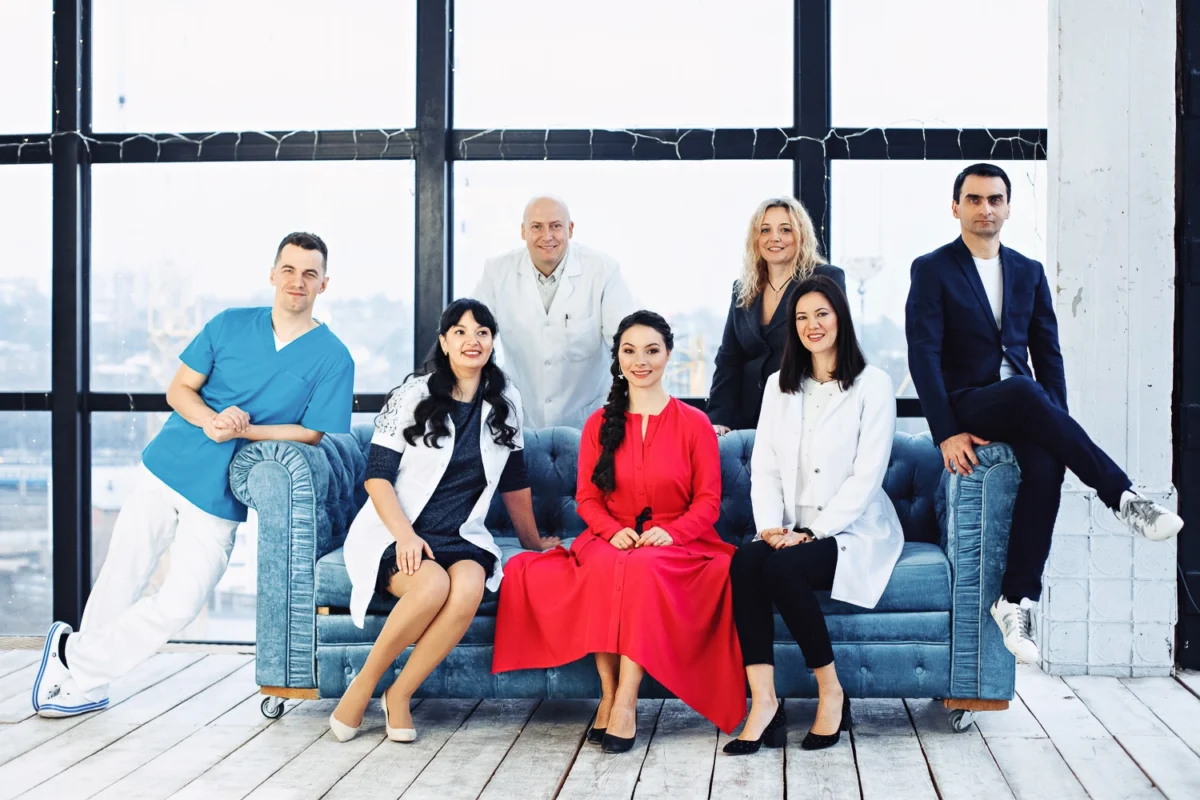
Why You Should Contact Experts Medical
At Experts Medical, we have been helping patients with esophageal cancer organize treatment in Turkey for 9 years. During this time, we have deeply studied the capabilities of Turkish centers and know exactly which specialist teams demonstrate consistently strong results with this complex diagnosis.
All our services are completely free for you. We do not charge any commissions or increase the cost of treatment. You only pay for medical services directly to the clinic and doctors.
For each patient, we prepare an individualized treatment plan with a fixed price. This amount is fixed in advance and is guaranteed not to change even after your arrival in Turkey.
Why patients choose us:
- We create a clear and detailed treatment plan with transparent pricing and a full list of all stages
- We handle all trip organization, documents, and communication with doctors
- We personally review medical recommendations to avoid unnecessary examinations and procedures
- We always stay in touch and quickly resolve any issues during treatment
- We guarantee that the announced price will remain unchanged until the end of treatment
- We support you after returning home with any medical questions
We do everything possible to make the esophageal cancer treatment process as calm, clear, and safe as possible.
Conclusion
Esophageal cancer treatment in Turkey today includes modern approaches: neoadjuvant chemotherapy and chemoradiotherapy using the FLOT and CROSS protocols, robot-assisted esophagectomy, and immunotherapy for advanced forms of the disease. Turkish centers have the necessary equipment and expertise to carry out all stages of treatment — from diagnosis to surgery and recovery.
The correct choice of medical oncologist and thoracic surgeon plays a decisive role. This often determines how successfully the treatment proceeds and how quickly the patient can return to normal life.
You do not need to independently search for information, compare doctors, study protocols, or try to understand whom you can trust.
At Experts Medical, we have already done this for you. Based on our 9 years of experience, we have selected the strongest specialist teams specifically for esophageal cancer treatment in Turkey.
If you or your loved ones are facing this diagnosis, contact us. We will help you choose the right option and organize the entire treatment process with care and attention to every step.
Frequently Asked Questions
Which treatment method for esophageal cancer is most commonly used in Turkey?
For locally advanced esophageal cancer, the standard approach is neoadjuvant therapy (chemotherapy or chemoradiotherapy using the FLOT or CROSS protocols), followed by surgery — esophagectomy. In early stages, endoscopic treatment may be possible, while advanced disease is treated with immunotherapy.
How long does esophageal cancer treatment in Turkey take?
Neoadjuvant therapy usually lasts 2–3 months. The surgery itself (esophagectomy) takes 4–8 hours. The full course of active treatment most often takes from 4 to 7 months, including the postoperative recovery period.
Can I come to Turkey for esophageal cancer treatment if I have already started therapy in my home country?
Yes, you can. Many patients come for the second stage — surgery, continuation of chemoradiotherapy, or immunotherapy. We help organize second medical opinions and smoothly continue treatment without losing time.
How long does recovery after esophageal surgery take?
After robotic esophagectomy, the patient usually stays in the clinic for 7–10 days. Full recovery takes from 2 to 4 months. During the first weeks, it is important to follow a special diet. Doctors carefully monitor nutrition and the patient’s condition to ensure treatment is as comfortable and effective as possible.