



- At the clinic's price without markups
- with full doctor support
Choosing a neurosurgeon is one of those decisions where details really matter. When it comes to brain and spine surgery, even small differences in skill and approach can have a serious impact on recovery and long-term results. India has become a place many patients look to for neurosurgery, not only because of advanced equipment, but also because outcomes are generally strong. Studies show patient satisfaction levels often range between 80% and 90%, with some reports noting around 80.4% overall satisfaction and dissatisfaction rates as low as 6–20% depending on timing and procedure type (PubMed, 2025)
At Experts Medical, we selected the surgeons for this list based on the experience of more than 12,000 patients and over 10 years of organizing treatments and surgeries abroad. The goal here is simple - to help narrow down the options and point toward specialists who consistently work with complex neurosurgical cases.
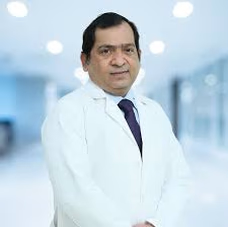
1. Dr. Anil Kumar Kansal
Dr. Anil Kumar Kansal is a neurosurgeon based at BLK-Max Hospital in New Delhi, with a strong focus on complex spine and brain procedures. His work mainly revolves around spine surgery, including minimally invasive and instrumentation techniques, along with endoscopic brain and spinal procedures. He has also been involved in vascular and functional neurosurgery, which adds to his range when handling more complicated cases. Over the years, he has held leadership roles such as Head of Neurosurgery at multiple hospitals, which usually means a steady flow of surgical cases and hands-on experience.
- Specialization: Complex spine surgery, minimally invasive spine surgery, endoscopic brain and spinal surgery, vascular and functional neurosurgery
- Accreditation: Member of Neurological Society of India, Delhi Neurological Association, Delhi Spine Society, Neuro Spine Society of India, DMA, IMA
- Hotel and transfer: included
- Years of experience: 29+
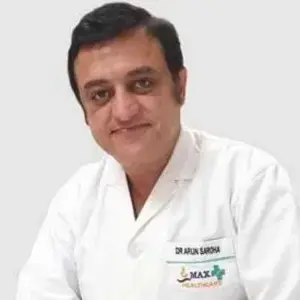
2. Dr. Arun Saroha
Dr. Arun Saroha is a neurosurgeon at Max Super Speciality Hospital in Gurugram, focusing mainly on brain tumours and spine surgeries. A large part of his work involves craniotomy procedures for tumour removal, along with minimally invasive and endoscopic techniques. He regularly handles cases like gliomas, spinal degeneration, and disc-related issues. With thousands of surgeries behind him, including a high number of brain tumor operations, his practice is clearly centred on complex neurosurgical cases rather than general procedures.
- Specialisation: Brain tumor surgery, craniotomy, minimally invasive and endoscopic neurosurgery, spine surgery
- Number of procedures performed: 8000+ brain and spine surgeries, including a high volume of craniotomies
- Accreditation: Member of AANS, NSI, NASS, ASSI, Neurotrauma Society of India and others
- Hotel and transfer: included
- Years of experience: 28+ years
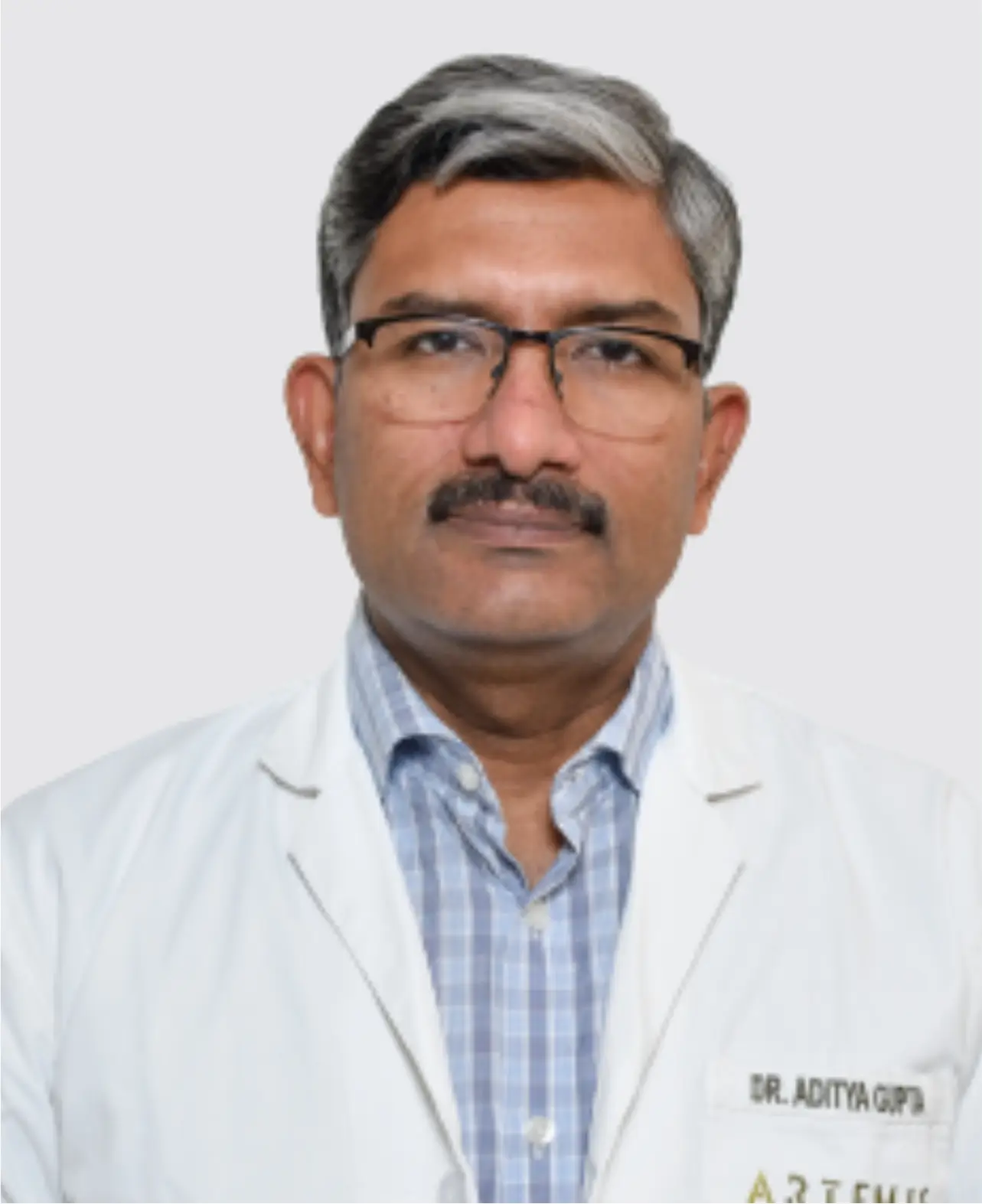
3. Dr. Aditya Gupta
Dr. Aditya Gupta is a neurosurgeon at Artemis Hospitals in Gurugram, with a strong focus on brain tumor surgery and advanced neurosurgical procedures. A large part of his work involves treating conditions like gliomas, hydrocephalus, and complex neurological disorders, along with spine surgeries. He also works with techniques like deep brain stimulation and epilepsy surgery, which are usually used in more specialized cases. With over three decades in the field and a high number of brain tumor surgeries, his practice is clearly centered on complex neurosurgical work.
- Specialization: Brain tumor surgery, neuro-oncology, deep brain stimulation, epilepsy surgery, minimally invasive spine surgery
- Number of procedures performed: 1200+ brain tumor surgeries
- Accreditation: Member of Congress of Neurological Surgeons, Neurological Society of India, International Gamma Knife Society and others
- Hotel and transfer: included
- Years of experience: 30+ years
4. Dr. Harnarayan Singh
Dr. Harnarayan Singh is a neurosurgeon at Shalby Sanar International Hospital in Gurugram, focusing on brain and spine surgeries. His work mainly includes brain tumor removal and minimally invasive spine procedures, along with craniotomy and microscopic techniques. He regularly operates on gliomas and other brain conditions, as well as spine disorders that require surgical intervention. With over a thousand brain tumor surgeries completed, his experience is built around consistent hands-on work in neurosurgical cases.
- Specialization: Brain tumor surgery, craniotomy, minimally invasive spine surgery, microscopic spine surgery
- Number of procedures performed: 1200+ brain tumor surgeries
- Accreditation: Member of Neurological Society of India, Neurotrauma Society of India, Association of Spine Surgeons of India and others
- Hotel and transfer: included
- Years of experience: 13+ years
5. Dr. Dilip Panikar
Dr. Dilip Panikar is a senior neurosurgeon at Aster Hospitals in Kochi, with extensive experience across a wide range of brain and spine conditions. His work includes brain and spinal tumor surgeries, skull base procedures, and treatment of vascular conditions like strokes and malformations. He also handles complex cases involving epilepsy, movement disorders, and pediatric neurosurgery. With more than three decades of experience, his practice covers both routine and highly complex neurosurgical procedures.
- Specialization: Brain and spinal tumor surgery, skull base surgery, neurovascular surgery, functional neurosurgery
- Accreditation: Member of Neurological Society of India, Skull Base Surgery Society of India, Neurovascular Society of India and others
- Hotel and transfer: included
- Years of experience: 31+ years
6. Dr. Rajan M Shah
Dr. Rajan M Shah is a neurosurgeon at Nanavati Max Super Speciality Hospital in Mumbai, with a long track record in brain, spine, and peripheral nervous system surgeries. His work covers a broad range of neurosurgical procedures, which usually means dealing with both routine and complex cases across different areas. With nearly four decades in practice and a leadership role as Head of Neurosurgery, his experience comes from consistently handling diverse neurosurgical conditions over time.
- Specialization: Brain, spine, and peripheral nervous system surgery
- Accreditation: Member of American Neurology Association, Neurological Society of India, Cerebrovascular Society of India and others
- Hotel and transfer: included
- Years of experience: 40+ years
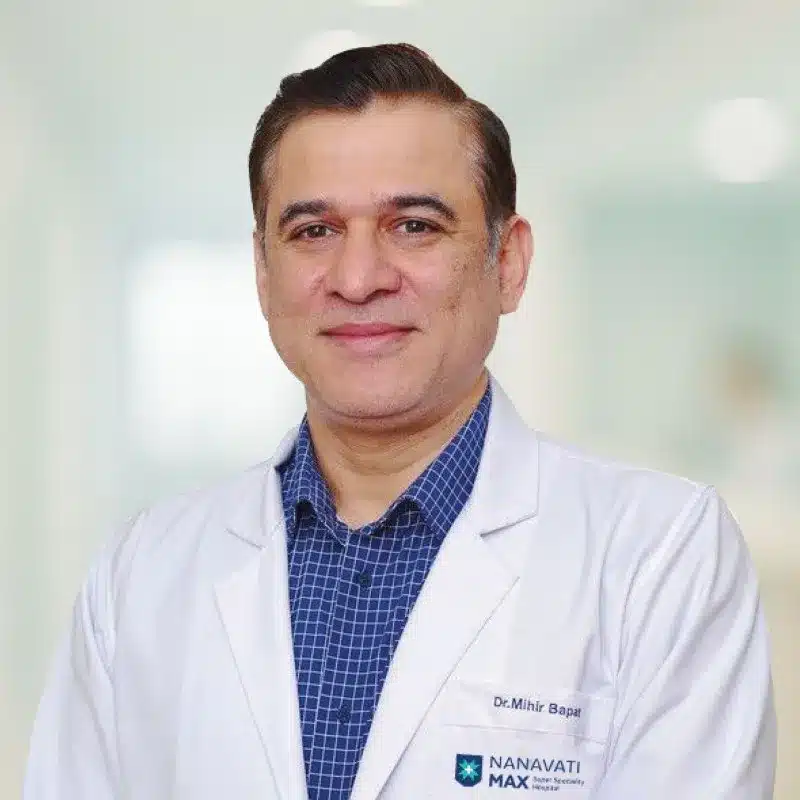
7. Dr. Mihir Bapat
Dr. Mihir Bapat is a spine surgeon at Nanavati Max Super Speciality Hospital in Mumbai, focusing on complex and minimally invasive spine procedures. His work includes spinal deformity correction, tumor-related spine surgery, and reconstruction after fractures. He is typically involved in technically demanding spine cases, especially where revision or complex reconstruction is required.
- Specialization: Minimally invasive spine surgery, deformity correction, tumor and fracture reconstruction
- Accreditation: Member of AO Spine, Association of Spine Surgeons of India and other orthopedic associations
- Hotel and transfer: included
- Years of experience: 20+ years
8. Dr. Karanjit Singh Narang
Dr. Karanjit Singh Narang is a neurosurgeon at Medanta - The Medicity in Gurugram, working across brain and spine surgery with a focus on advanced techniques. His work includes minimally invasive spine surgery, disc replacement, skull base procedures, and brain tumor surgery using navigation systems. He has also been involved in applying newer surgical methods, especially in complex spine and endoscopic neurosurgery. His experience includes both clinical practice and involvement in quality and audit processes within the hospital system.
- Specialization: Minimally invasive spine surgery, brain tumor surgery, skull base surgery, endoscopic neurosurgery
- Accreditation: Associated with Medanta quality systems and NABH standards
- Hotel and transfer: included
- Years of experience: 16+ years
9. Dr. Sudhir Dubey
Dr. Sudhir Dubey is a neurosurgeon at Medanta - The Medicity in Gurugram, with a strong focus on minimally invasive brain and spine surgery. His work is centered around endoscopic techniques, including skull base and pituitary surgeries, along with spine procedures that aim to reduce recovery time. With over 10,000 neurosurgeries performed, his experience is heavily built around high surgical volume, especially in minimally invasive approaches.
- Specialization: Endoscopic brain surgery, skull base surgery, minimally invasive spine surgery, pituitary surgery
- Number of procedures performed: 10,000+ neurosurgeries
- Accreditation: Member of Congress of Neurological Surgeons, Society of Neuro-Oncology and others
- Hotel and transfer: included
- Years of experience: 30+ years
10. Dr. S. K. Rajan
Dr. S. K. Rajan is a spine-focused neurosurgeon at Artemis Hospitals in Gurugram, working primarily with minimally invasive and corrective spine procedures. His practice includes keyhole spine surgery, deformity correction such as scoliosis and kyphosis, and spinal fixation techniques. His training includes international exposure in the UK and US, which reflects in his focus on structured surgical approaches for spinal disorders rather than general neurosurgery.
- Specialization: Minimally invasive spine surgery, deformity correction, spinal fixation and fusion
- Accreditation: Member of North American Spine Society, Neurological Society of India, World Federation of Neurosurgical Societies
- Hotel and transfer: included
- Years of experience: 15+ years
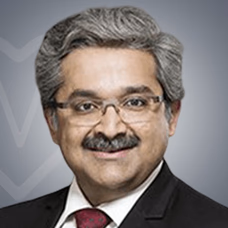
11. Dr. Ravi Gopal Varma
Dr. Ravi Gopal Varma is a senior neurosurgeon at Aster Hospitals in Bangalore, with experience across both brain and spine surgeries. His work includes brain tumor procedures, craniotomy, spinal fusion, and advanced treatments like deep brain stimulation for movement disorders. He has also been involved in setting up neurosurgical programs and training initiatives, which usually reflects a deeper involvement in complex and evolving surgical techniques.
- Specialization: Brain tumor surgery, craniotomy, spinal surgery, deep brain stimulation
- Accreditation: Member of Neurological Society of India, Indian Society for Stereotactic and Functional Neurosurgery and others
- Hotel and transfer: included
- Years of experience: 33+ years
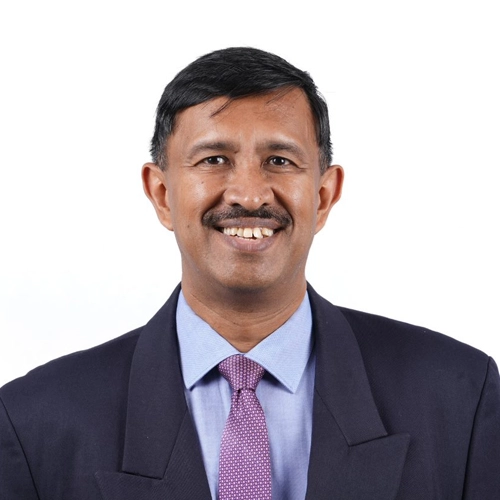
12. Dr. Anandh Balasubramaniam
Dr. Anandh Balasubramaniam is the Director of Neurosurgery at Amrita Hospital in Faridabad, with a strong focus on brain tumor surgery and functional neurosurgery. A large part of his work involves treating gliomas, movement disorders, and pediatric neurosurgical cases. He also performs deep brain stimulation and endoscopic procedures for conditions like hydrocephalus and pituitary tumors. With thousands of complex cases, including a high number of brain stem tumor surgeries, his experience is clearly centered on advanced neurosurgical treatment.
- Specialization: Brain tumor surgery, functional neurosurgery, deep brain stimulation, endoscopic neurosurgery
- Number of procedures performed: 2400+ brain tumour surgeries, 1500+ VP shunt procedures
- Accreditation: Member of Neurological Society of India, Congress of Neurological Surgeons and other international societies
- Hotel and transfer: included
- Years of experience: 26+ years
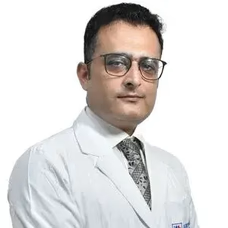
13. Dr. Yawar Shoaib Ali
Dr. Yawar Shoaib Ali is a neurosurgeon at Sarvodaya Hospital in Faridabad, focusing on brain tumor and general neurosurgical procedures. His work includes surgeries for brain hemorrhage, stroke, epilepsy, and spine-related conditions. He is also involved in procedures for movement disorders and neurological complications like paralysis. His practice is built around handling a wide range of neurosurgical cases, with a focus on tumor-related surgeries.
- Specialization: Brain tumor surgery, brain hemorrhage surgery, spine surgery, epilepsy and stroke surgery
- Accreditation: Member of Neurological Surgeons Society of India, Association of Spine Surgeons of India
- Hotel and transfer: included
- Years of experience: 20+ years
How Neurosurgery Is Performed and What to Expect
How the Procedure Is Done
Neurosurgery is not one single procedure, it depends a lot on the condition. It can be brain tumor removal, vascular surgery, or spine operations like disc repair. That said, most procedures follow a similar structure.
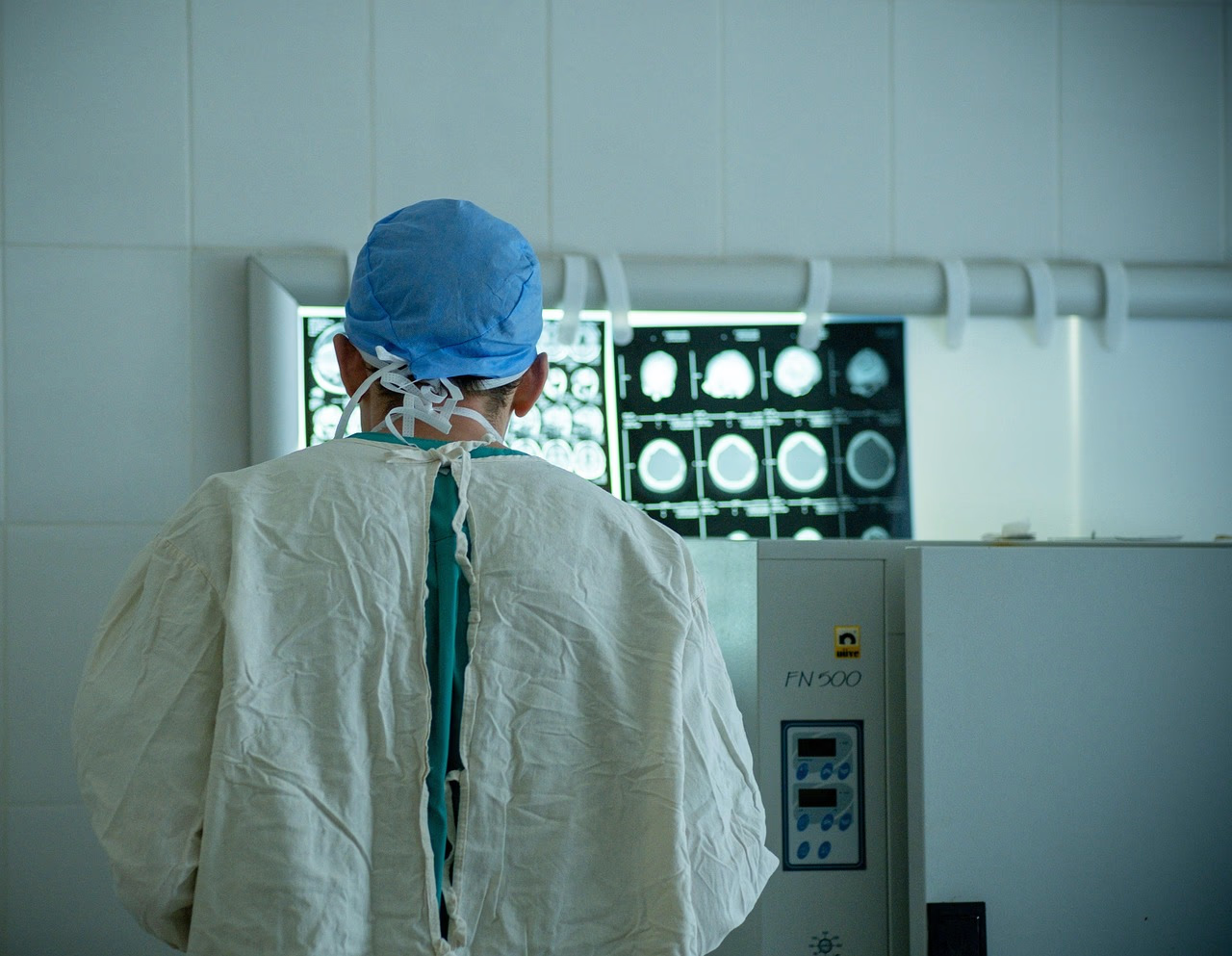
The process usually starts with detailed imaging - MRI, CT scans, sometimes angiography. Based on that, the surgical team plans the approach very carefully. During the operation, surgeons use microscopes, navigation systems, and in some cases robotic assistance to work with high precision. For brain procedures, this often means accessing a very small area while protecting surrounding tissue as much as possible.
Some surgeries are open, while others are minimally invasive, especially in spine cases. The choice depends on complexity, location, and overall patient condition.
How Many Days in the Clinic
Hospital stay varies, but there are some general patterns. For most standard neurosurgical procedures, patients stay in the clinic for about 3 to 7 days.
- 1–2 days are usually spent in intensive care or close monitoring
- The rest of the time is for stabilisation, basic recovery, and observation
More complex cases, like large tumour removals or combined procedures, can extend the stay up to 7–10 days or more. For simpler spine surgeries, some patients are discharged earlier if recovery is smooth.
Recovery Time and What It Feels Like
Recovery is probably the part people underestimate. It does not end when you leave the hospital.
In general:
- Initial recovery takes about 2 to 4 weeks
- Full recovery can take 6 to 12 weeks, sometimes longer
For brain surgeries, recovery may involve a gradual return of cognitive and physical functions. For spine procedures, it is often about regaining mobility and reducing pain step by step.
Some days feel normal, others don’t, and that’s expected. Most patients start noticing steady improvement within the first month, but full results take time. The key is that recovery is not linear, and progress usually comes in small steps rather than a single big change.
Patient Satisfaction with Neurosurgery in India
Overall Patient Experience
Studies from India generally show high patient satisfaction after neurosurgical procedures, with many patients rating their experience positively when outcomes are stable, and recovery follows expected patterns. In one clinical study, average satisfaction scores were above 8 out of 10 across different types of neurosurgical cases (Indian Journal of Neurotrauma, 2025).
Outcomes and Recovery
Patient satisfaction is closely tied to surgical outcomes, especially in procedures such as tumour removal, vascular procedures, and spine surgery. Research shows that when procedures lead to improved function or symptom relief, satisfaction rates tend to stay consistently high across both public and private hospitals (Asian Journal of Medicine and Health, 2024).
Satisfaction Despite Postoperative Discomfort
Even when recovery includes pain or temporary limitations, overall satisfaction often remains strong. A prospective study found that a significant number of patients experienced postoperative discomfort but reported positive overall outcomes as recovery progressed (Journal of Neurosciences in Rural Practice, 2023).
In simple terms, patients tend to look at the bigger picture - how they feel a few weeks or months later, not just the immediate recovery phase.
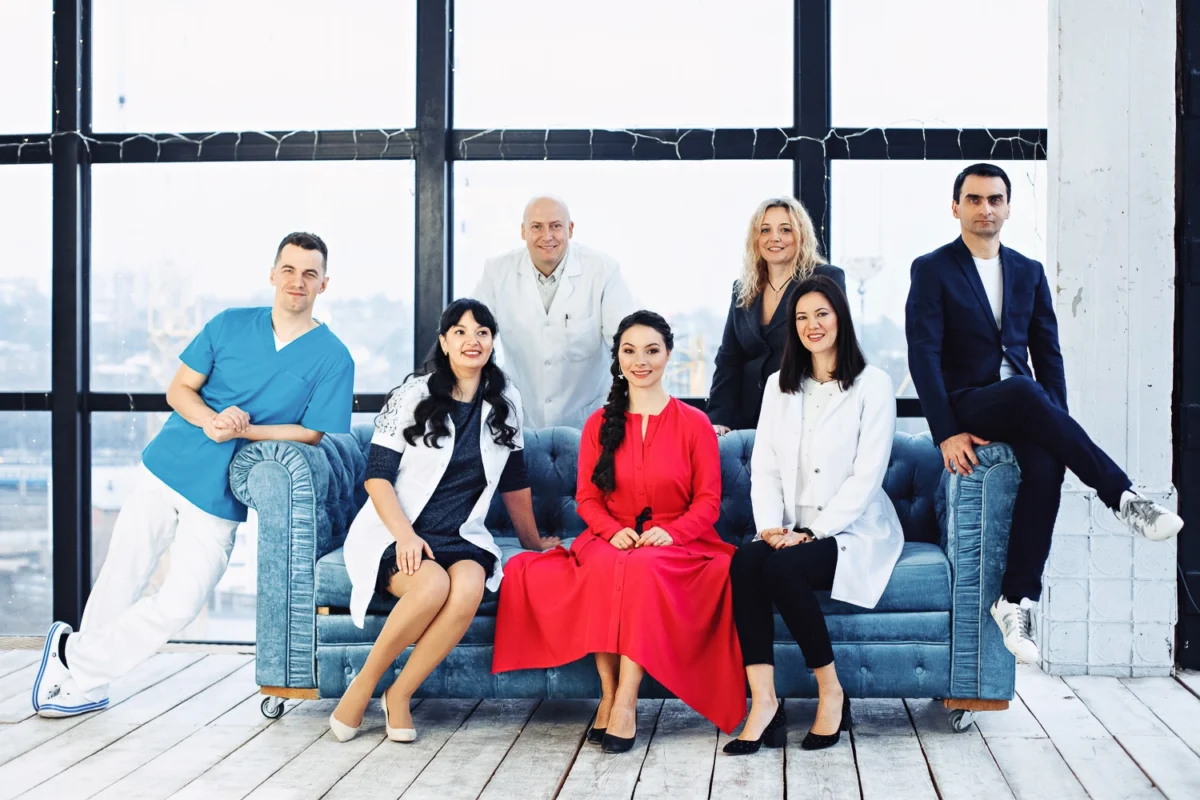
How Experts Medical Guides You Through Treatment Abroad
When people start looking for treatment abroad, the hardest part is usually not the surgery itself, but everything around it. Where to go, which doctor to trust, how to organise the trip, what to expect at each step. That’s where we step in.
At Experts Medical, we work with patients every day, and over time the process has become very structured. From the first request to the moment you return home, our role is to make things clearer, more predictable, and a bit less stressful. We don’t just suggest options - we stay involved through the whole process.
What We Do for Patients
- We review your case and help you understand possible treatment options
- We select surgeons based on your diagnosis, not just general reputation
- We organise consultations and second medical opinions
- We plan the full trip - clinic, appointments, travel, and accommodation
- We stay in touch during treatment and recovery, not just before surgery
- We help with logistics like translation, transfers, and scheduling
- We support financial clarity - payments go directly to the clinic, no hidden fees
In simple terms, we act as a bridge between you and the medical system abroad. The goal is not to complicate things, but to make sure you always know what’s happening and what comes next.
Conclusion
Choosing a neurosurgeon is rarely about finding a single “best” name. It’s more about fit - the surgeon’s experience with your exact condition, the techniques they use, and how often they handle similar cases. A doctor who performs complex brain tumour resections every week is a very different choice from someone focused mainly on spine procedures, even if both are highly qualified.
What becomes clear when looking at these specialists is that India has a deep bench of neurosurgeons working across a range of subspecialties, including neuro-oncology, minimally invasive spine surgery, functional neurosurgery, and more. The key is to narrow it down based on your diagnosis and not rush the decision. In most cases, taking a bit more time upfront leads to better clarity and fewer surprises later.
FAQ
How do I choose between open surgery and minimally invasive neurosurgery?
It depends less on preference and more on the condition's location and complexity. Minimally invasive approaches are often used for spine procedures and some brain tumours, but not all cases are suitable. For deep or irregular tumours, open surgery may still provide better control and visibility.
What should I look for in pre-surgical planning?
You want to see a detailed imaging review, a discussion of possible risks, and a clear surgical plan. Advanced centres often use navigation systems, intraoperative imaging, or functional mapping. If those are part of the plan, it usually means a more structured approach.
How important is surgical volume for outcomes?
It’s one of the key factors. Surgeons who perform high volumes of specific procedures tend to have more consistent outcomes and better complication management. This is especially relevant for complex brain and spine surgeries.
Can I get a second opinion remotely before travelling?
Yes, and it’s often recommended. Most hospitals and coordination teams can arrange remote case reviews using MRI and CT scans. This helps confirm the diagnosis and refine the treatment plan before making travel decisions.
How do you select surgeons at Experts Medical?
At Experts Medical, we base our recommendations on real case experience, not just titles. Over the past 10 years, we’ve worked with more than 12,000 patients, which gives us a clear view of which surgeons consistently handle specific types of cases. We match patients with doctors based on diagnosis, surgical complexity, and expected outcomes, rather than offering a general list.