




- At the clinic's price without markups
- with full doctor support
According to clinical studies, the 5-year survival rate for breast cancer in Turkey is around 82–86%, which is comparable to European indicators (PMC, 2019). Turkey often becomes the focus of attention not because of advertising, but because oncology care here is genuinely strong. Treatment is structured as a system: not just one doctor is involved, but an entire team that looks at the situation as a whole and adjusts the treatment plan when necessary.
Choosing the right clinic plays a key role — safety, outcomes, and the entire course of treatment largely depend on it. When it comes to breast cancer, this is no longer about convenience, but about diagnostic accuracy, physician experience, and how the entire process is organized. This review is based on practical experience and more than 12,000 patients who underwent treatment abroad through Experts Medical. It is built on real cases, results, and patient feedback rather than formal rankings.
1. Memorial Hospitals
Memorial is one of Turkey’s leading networks for breast cancer treatment. The clinics provide a full cycle of care: from high-precision diagnostics and molecular profiling to breast-conserving and oncoplastic surgery, modern systemic therapy regimens, and multidisciplinary support. NGS (next-generation sequencing — advanced analysis of tumor genes for selecting targeted therapy), CDK4/6 inhibitors (oral medications that block the division of HR+ cancer cells), T-DXd (trastuzumab deruxtecan — a targeted therapy for HER2-positive and HER2-low breast cancer), and personalized treatment protocols based on NCCN/ESMO standards are actively used here.
Clinic Advantages:
- The first JCI-accredited clinic in Turkey with many years of experience treating international patients
- Regular multidisciplinary Tumor Boards dedicated to breast cancer
- Access to advanced technologies: NGS with 600+ genes, robot-assisted surgery, CyberKnife
- High surgical volume and extensive experience specifically in breast cancer treatment
Leading Clinic Specialists:
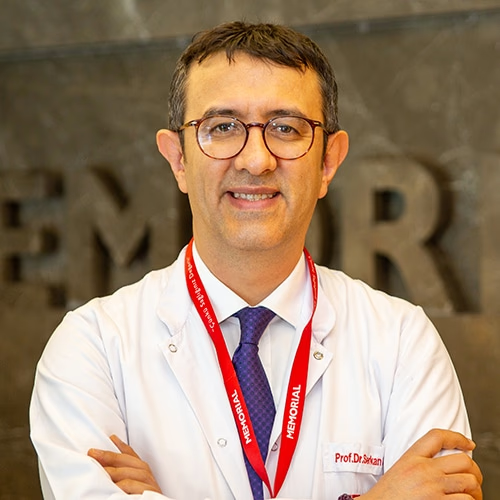
Prof. Dr. Serkan Keskin
Medical oncologist and head of the oncology center at Memorial Şişli Hospital. Ranked #1 in Turkey’s national medical oncology qualification exam. Specializes in personalized breast cancer treatment using advanced NGS, CDK4/6 inhibitors, T-DXd, and modern targeted therapies. Co-author of publications in the Journal of Clinical Oncology. Particularly suitable for patients with HR+, HER2+, and metastatic breast cancer.
Prof. Dr. Fatih Aydoğan
Breast surgical oncologist and director of the Breast Health Center at Memorial Bahçelievler Hospital. Has performed more than 1,100 breast surgeries. Holds extensive international experience (Memorial Sloan Kettering, MD Anderson, Harvard/Dana-Farber). Expert in breast-conserving and oncoplastic surgery, as well as breast reconstruction. Developed his own surgical techniques.
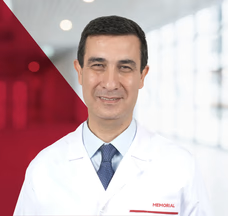
Prof. Dr. Bahadır Güllüoğlu
Breast surgeon working within the Memorial network and Marmara University Pendik. Founder of the first specialized breast unit in Turkey. EUSOMA-accredited specialist. Expert in complex cases, oncoplastic reconstruction, hereditary breast cancer (BRCA), and repeat surgeries.

2. Florence Nightingale Hospital
Florence Nightingale Hospital is one of Turkey’s most respected academic centers for breast cancer treatment. The clinic is known for its certified Breast Center, where a highly coordinated multidisciplinary team works together. A large number of breast cancer patients at different stages — from early forms to advanced and complex cases — are treated here annually. Special attention is paid to preserving patients’ quality of life through modern breast-conserving surgery, aesthetic reconstruction, and individualized therapy selection.
Clinic Advantages:
- One of the most experienced breast cancer centers in Turkey (more than 450 new cases per year)
- Weekly multidisciplinary tumor board meetings involving all specialists
- High level of international accreditations: JCI, EUSOMA, Senologic International Society Dual Accreditation
- Strong oncoplastic surgery department and high academic standards
Leading Clinic Specialists:
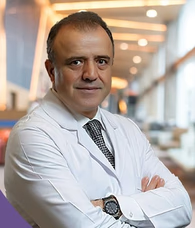
Prof. Dr. Vahit Özmen
Breast surgeon and director of the Breast Center. President of the Senologic International Society, founder of the Turkish Federation of Breast Disease Societies and the Istanbul Breast Society. Author of more than 200 publications and editor-in-chief of the European Journal of Breast Health. One of the creators of the modern breast cancer treatment system in Turkey. Expert in complex cases and second medical opinions.
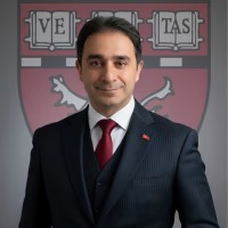
Assoc. Prof. Dr. Enver Özkurt
Breast surgeon. Completed a two-year research fellowship at Harvard Medical School / Dana-Farber Cancer Institute. Specializes in oncoplastic and breast-conserving surgery, as well as breast reconstruction after neoadjuvant therapy. Patients highly appreciate his attentive approach and excellent surgical outcomes.
3. Acibadem Hospitals
Acibadem is one of the most technologically advanced and respected hospital networks in Turkey for breast cancer treatment. Patients receive a full cycle of care here: from precise diagnostics with molecular profiling to modern surgery and systemic therapy. The clinics are particularly strong in personalized approaches, breast preservation, and the use of the latest targeted therapies.
Clinic Advantages:
- Dual international oncology accreditation (ESMO Designated Centre and Breast Centres Network)
- Regular multidisciplinary tumor boards dedicated exclusively to breast cancer
- Advanced genetic testing and modern equipment (da Vinci, MRIdian, TrueBeam)
- Active participation in international clinical trials
- Comfortable conditions and excellent organization for international patients
Leading Clinic Specialists:
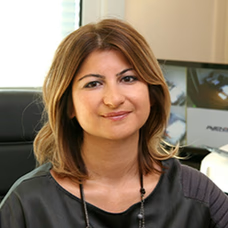
Prof. Dr. Yeşim Eralp
Medical oncologist at Acıbadem Maslak Hospital. Participant in the international phase III RIGHT Choice study (published in the Journal of Clinical Oncology, 2024). Specializes in HER2-positive and HR+/HER2- breast cancer, molecular profiling, and personalized therapy. Completed a fellowship at MD Anderson Cancer Center (USA).
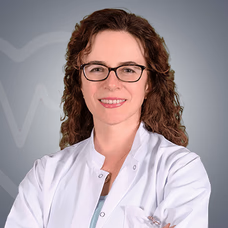
Prof. Dr. Gül Başaran
Medical oncologist at Acıbadem Altunizade Hospital. Has extensive experience treating breast cancer in young women and metastatic disease. Specializes in the use of CDK4/6 inhibitors, combination therapies, and modern treatment protocols. Co-author of multicenter studies by the Turkish Oncology Group.

4. Anadolu Medical Center
Anadolu Medical Center is one of the most high-tech and respected clinics in Turkey for breast cancer treatment. The clinic operates according to American Johns Hopkins Medicine protocols and holds one of the highest levels of international accreditation in the country. A powerful multidisciplinary system has been established here, where all stages of treatment — from diagnostics to radiation therapy — are managed under the supervision of a unified specialist team.
Clinic Advantages:
- One of the highest levels of accreditation: JCI (7 times), ESMO Designated Centre, OECI, Johns Hopkins partner
- Weekly Tumor Boards involving all key specialists
- Advanced radiation therapy equipment (Varian Edge, MR-guided adaptive RT, CyberKnife)
- Excellent treatment organization and support for international patients
Leading Clinic Specialists:
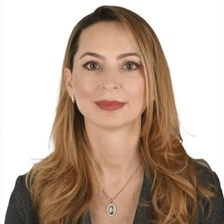
Prof. Dr. Banu Atalar
Radiation oncologist and director of the radiation oncology department at Anadolu Medical Center. Current president of the Turkish Society for Radiation Oncology (TROD, 2025–2027). More than 25 years of experience and author of over 80 scientific publications. Specializes in precision radiation therapy for breast cancer: hypofractionation, IMRT/IGRT, and MR-guided adaptive radiotherapy. Expert in stereotactic radiosurgery (SRS) for brain metastases. Completed a fellowship in stereotactic radiosurgery at Stanford University. Awarded the title of Honorary Fellow of the American College of Radiology.
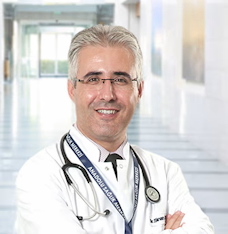
Dr. Sinan Karaaslan
Medical oncologist with more than 20 years of experience. Specializes in systemic breast cancer treatment according to Johns Hopkins and ESMO protocols. Uses modern chemotherapy, targeted therapy, and immunotherapy regimens. Has experience managing patients with various breast cancer subtypes, including HR+, HER2+, and triple-negative disease. Actively participates in multidisciplinary tumor boards.
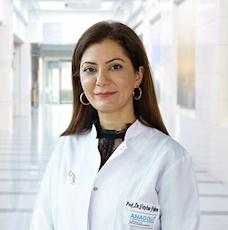
Prof. Dr. Yeşim Yıldırım
Medical oncologist. Professor with extensive experience in immunotherapy and targeted therapy. Pays special attention to the treatment of aggressive forms of breast cancer, including triple-negative disease, using modern immuno-oncology medications. Has more than 80 publications on tumor biology and immunotherapy.

5. Istanbul Oncology Hospital
Istanbul Oncology Hospital is a unique specialized oncology clinic in Turkey, where more than 70% of patients receive treatment specifically for breast cancer. It is one of the few centers in the country with a narrow oncology specialization, where the entire infrastructure, team, and protocols are focused exclusively on the diagnosis and treatment of cancer. The clinic operates according to high European standards and holds the German Deutsche Krebsgesellschaft (DKG) accreditation — one of the strictest in Europe.
Clinic Advantages:
- Fully oncology-focused profile with an emphasis on breast cancer
- German Deutsche Krebsgesellschaft accreditation and membership in the Breast Centres Network (ESO)
- Strong dedicated Tumor Board with regular weekly meetings
- Complete specialist team (surgery, medical oncology, breast radiology, and pathology) in one place
- High level of personalized treatment and comfort for international patients
Leading Clinic Specialists:
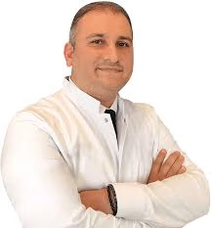
Assoc. Prof. Dr. Ekrem Ferlengöz
Breast surgeon. Works in a fully oncology-focused clinic with a predominance of breast cancer patients. Specializes in breast-conserving surgery, mastectomy with immediate reconstruction, and complex cases requiring oncoplastic surgery. Patients note his calm demeanor, detailed explanations of the diagnosis, and the high level of trust he establishes even in difficult psychological situations.
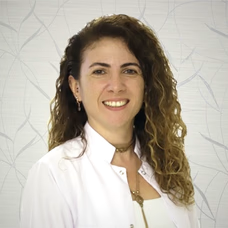
Dr. Sinemis Çelik
Medical oncologist with more than 14 years of experience. Specializes in systemic breast cancer treatment (chemotherapy, targeted therapy, immunotherapy, hormone therapy). Has experience managing patients with various disease subtypes, including HER2-positive and triple-negative breast cancer. Co-author of scientific publications in international journals (Tumour Biology, Clinical and Translational Oncology, Journal of Oncology Pharmacy Practice). Participates in multicenter registries of the Turkish Oncology Group. Patients highly value her attentive approach, clear explanations of the treatment plan, and support throughout all stages of therapy.
6. Private Practice of Prof. Dr. Ömer Bender (Şişli)
Prof. Dr. Ömer Bender is one of Turkey’s most experienced and respected specialists in breast surgery. Since 2003, he has dedicated his practice entirely to the diagnosis and treatment of breast diseases. He consults patients at the modern Vital Fulya Plaza medical complex in the Şişli district of Istanbul and performs surgeries at Medicana Zincirlikuyu Hospital. Dr. Bender is widely known as a pioneer and leading expert in ductoscopy — an endoscopic method for examining and treating milk ducts. He was the first physician in Turkey to introduce this technology and the first in the world to develop and apply therapeutic ductoscopy for the non-surgical removal of intraductal lesions.
Advantages of the Practice:
- Exclusive specialization in breast diseases for more than 20 years
- Accurate early diagnostics for nipple discharge and intraductal abnormalities when mammography and ultrasound are inconclusive
- High rate of breast-conserving treatment thanks to endoscopic techniques
- More than 1,500 ductoscopy procedures performed
- Large collection of detailed reviews from real patients with oncological and precancerous conditions
- Individualized approach and attentive care especially valued by patients in complex diagnostic cases
How to Choose a Clinic and Doctor for Breast Cancer Treatment
Sometimes a long list of clinics only creates more confusion. In practice, the choice is almost never based on a “top-1” ranking, but rather on the specific clinical situation. Below is a more practical guide that helps quickly understand which direction to consider depending on the case.
Early-Stage Cancer and Breast-Conserving Surgery
If the diagnosis is made at an early stage, the key priorities are precise surgery and the correct initial treatment strategy. In such cases, patients often consider Istanbul Oncology Hospital as a highly specialized breast cancer center or clinics with a strong surgical background.
Complex Oncoplastic Surgery and Reconstruction
When oncology must be combined with aesthetics, it is important not only to remove the tumor, but also to properly restore breast shape. In these situations, patients usually look for surgeons with extensive experience in university hospitals or clinics such as Florence Nightingale, where breast reconstruction is a dedicated field.
Suspicion of Early Changes or DCIS
If there is nipple discharge, uncertain imaging findings, or very early-stage disease, diagnostic precision becomes the main priority. In such cases, clinics with specialized breast diagnostics and narrow breast-focused expertise are preferred.
Hereditary Cancer and Genetic Risk
In cases involving mutations such as BRCA, the approach changes significantly. The focus is not only on surgery, but also on long-term preventive strategy. University hospitals and centers with strong genetic and oncology departments are often considered in these situations.
Systemic Therapy and Standard Cases
If treatment involves chemotherapy, targeted therapy, or hormone therapy, the experience of the medical oncologist becomes critical. Patients frequently consider Acibadem Maslak with Prof. Eralp or Acibadem Altunizade with Prof. Başaran — these are highly system-oriented centers with access to all modern medications.
HER2+ Breast Cancer and Complex Treatment Regimens
For aggressive forms requiring medications such as T-DXd, access to advanced protocols and real clinical experience with these therapies is especially important. Such cases are usually managed in large oncology centers with international expertise.
Triple-Negative Breast Cancer and Immunotherapy
TNBC requires a more flexible and aggressive treatment strategy. Clinics that actively use modern immunotherapy protocols and have experience with these subtypes — such as Anadolu Medical Center or university hospitals — are often preferred.
Radiation Therapy and Difficult Anatomical Areas
If radiation therapy becomes a key stage of treatment, the quality of equipment and the expertise of the radiation oncology team are essential. For IMRT or accelerated protocols, patients commonly look toward Anadolu Medical Center or specialized oncology hospitals with strong radiotherapy departments.
Maximum Specialization Specifically in Breast Cancer
If the goal is to be treated in a clinic where the majority of cases are breast cancer, Istanbul Oncology Hospital is often the preferred option. The clinic has fewer unrelated departments and greater concentration specifically on breast oncology.
When Organization and Comfort Matter
For patients who value logistics, translation support, and a clear treatment process, larger international centers with established infrastructure — such as Anadolu or Acibadem — are usually preferred.
Breast Cancer Survival Statistics in Turkey
According to large national studies, survival outcomes in Turkey are generally in line with international expectations. The 1-year overall survival rate is around 96–97%, the 5-year survival rate is approximately 82–86%, and the 10-year survival rate ranges from 64–76% (PubMed).
Impact of Disease Stage
The difference in prognosis depending on stage is especially significant. With early detection (localized cancer, stage I), the 5-year survival rate can reach 98–99%. When cancer spreads to regional lymph nodes (stage II–III), survival rates decrease to approximately 80–87%. In metastatic breast cancer (stage IV), prognosis becomes substantially more difficult, with 5-year survival rates around 30–35% (BCRF).
How Breast Cancer Treatment in Turkey Usually Works
Treatment usually begins not with surgery, but with a review of the diagnosis. Doctors request imaging studies, pathology reports, and sometimes repeat tests locally. This is standard practice because confirming the stage and tumor subtype is critical for choosing the correct treatment strategy.
After that, a multidisciplinary team becomes involved. Instead of relying on one physician, several specialists — including a medical oncologist, surgeon, and radiologist — evaluate the case together and create a treatment plan. In Turkey, this team-based approach is standard and significantly reduces the risk of mistakes or unnecessary procedures.
The treatment pathway itself may differ depending on the situation. In some cases, surgery is performed first. In others, chemotherapy is started before surgery to shrink the tumor. Whenever possible, breast-conserving approaches and less invasive techniques are preferred. After surgery, radiation therapy or systemic medications are often added to reduce the risk of recurrence.
Advantages of Treatment in Turkey
The main advantage most patients notice is not only technology, but organization. Treatment pathways are usually structured clearly and without long delays. The time from diagnosis to the start of therapy is often shorter than in many other countries.
Another important factor is experience. Turkish oncology centers treat a high volume of patients, including international patients, and physicians regularly encounter a wide variety of clinical scenarios. This provides practical expertise that smaller clinics often cannot accumulate.
Modern therapies are also widely used — including targeted therapy, immunotherapy, and precision radiation therapy. At the same time, treatment plans remain flexible and may be adjusted if the patient responds differently than expected.
Recovery After Treatment
The recovery phase is often underestimated, although it may last just as long as the treatment itself. In Turkey, this aspect usually receives more attention than many patients initially expect.
After surgery, patients remain under medical supervision. Doctors monitor healing, assess general condition, and may add physiotherapy if needed. If chemotherapy or radiation therapy was used, side effects are monitored separately and supportive care is adjusted accordingly.
Patients gradually return to normal life, but without rushing the process. Additional courses of therapy or long-term hormone treatment may sometimes be required and can continue for years.
As a result, recovery is viewed not as something that starts “after treatment,” but as a continuation of the entire therapeutic process. This is one of the key differences in approach — attention is focused not only on surgery or therapy itself, but also on what happens afterward.
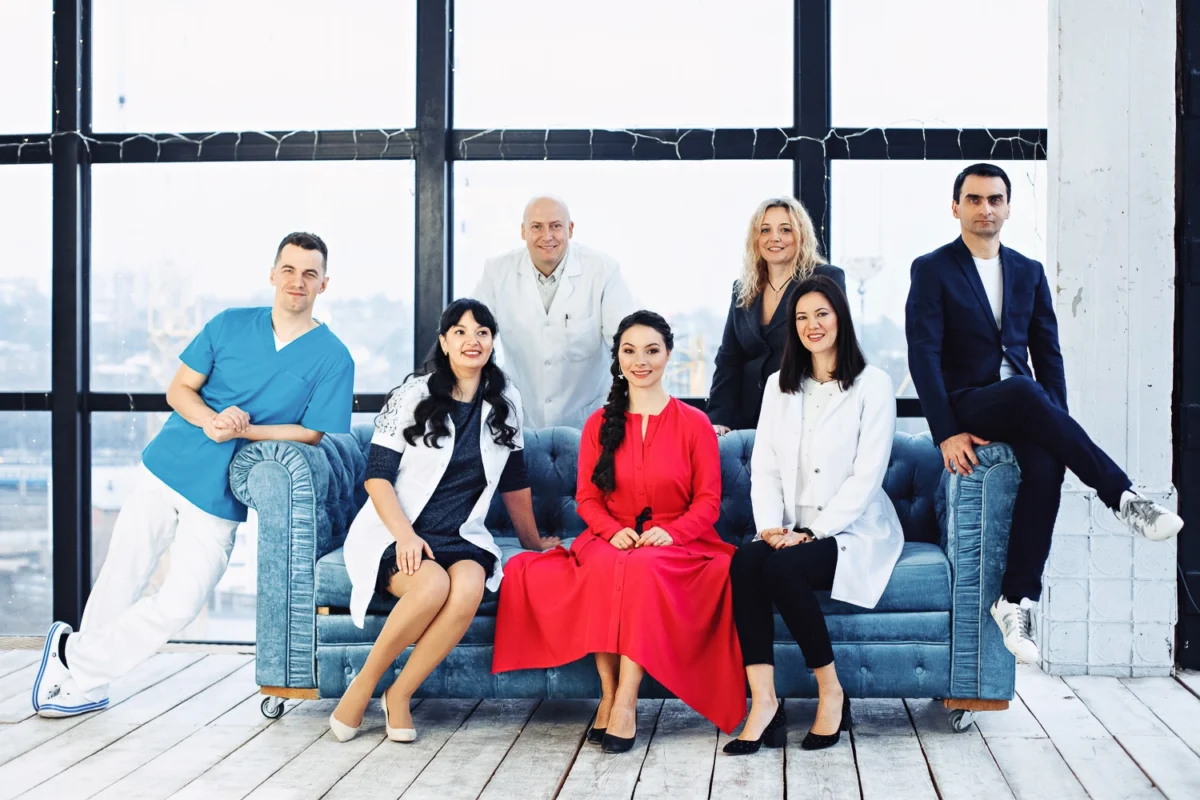
How We Support Patients at Experts Medical
At Experts Medical, we begin with the most important step — carefully and calmly reviewing the medical situation. We request medical documents, scans, and reports and analyze them thoroughly. Sometimes even at this stage, the diagnosis becomes clearer and treatment options become more structured.
After that, our medical coordination team becomes involved. We do not simply choose a “good clinic.” Instead, we select a physician and medical center that regularly works with this specific diagnosis and similar clinical cases.
We then take over the organizational side of the process. In practice, we assemble the entire treatment journey into one clear and understandable system so the patient does not have to manage dozens of complex details alone.
What Exactly We Do:
- Analyze medical documents and help clarify the diagnosis
- Select a physician and clinic for the specific case based on more than 10 years of experience
- Prepare a preliminary treatment strategy
- Coordinate appointments, treatment dates, and the stay schedule
- Assist with flights, accommodation, translation, and transfers
- Provide support throughout all stages of treatment and remain in contact with the patient
We do not disappear once treatment starts. We continue helping with both medical and organizational issues throughout the process. This is simply part of our work.
Conclusion
If we look at breast cancer treatment in Turkey without oversimplification, the difference between clinics is not only in equipment or famous names. The difference is in the overall approach. Some centers stand out because of scale and access to the latest technologies, while others are stronger because of narrow specialization and deep expertise in a specific diagnosis.
That is why the choice is usually built not around the “best clinic,” but around the specific clinical task. In early-stage disease, precise diagnostics and careful surgery are often the priority. In more complex cases, access to systemic therapies, clinical trials, and experienced multidisciplinary teams becomes more important.
Ultimately, the key factor is not the country — and not even the technology itself — but how accurately the treatment strategy is tailored to the individual patient. In most cases, this is what truly determines the outcome.
FAQ
How can you tell whether a treatment plan follows international standards rather than only local practice?
Usually, this becomes clear from the details. Physicians refer to specific international guidelines such as ESMO or NCCN, explain the rationale behind therapy choices, and are willing to discuss alternatives. If the treatment plan does not change when new information appears or does not consider the molecular characteristics of the tumor, it is reasonable to ask additional questions.
When does it make sense to request a second opinion abroad?
Not only when there are doubts about the diagnosis. A second opinion is especially useful for rare tumor subtypes, unusual treatment dynamics, or situations where highly aggressive therapy is recommended without a clear explanation. In some cases, this allows the treatment strategy to be adjusted without changing clinics completely.
How does Experts Medical choose a clinic and doctor for a specific case?
We do not rely on lists of “popular clinics.” First, we carefully review the medical situation, analyze documents, and уточняем details of the diagnosis. Only after that do we select a physician and medical center that regularly works with similar clinical scenarios. The goal is not simply matching the specialty, but finding real experience with comparable cases.