




 Trusted clinics
 Cost of treatment
 Leading oncologists
 Experts Medical
 Treatment outcomes and survival
- At the clinic’s price without markups
- with full doctor support
Pancreatic cancer is one of the most complex oncological diseases, and the success of treatment directly depends on the accuracy of diagnosis, the choice of protocol, and the experience of the surgeons. The five-year survival rate for localized cases is about 44%, while for metastatic disease it is only 3% (SEER, National Cancer Institute). These figures highlight how important it is to receive the right care as early as possible. In Turkey, there are several specialized centers where patients with this diagnosis receive personalized treatment plans based on international standards. Modern methods are used here, including surgery, targeted therapy, chemotherapy following NCCN and ESMO protocols, as well as palliative care approaches for advanced stages. Below, we explain how treatment is organized, what methods are used, and where foreign patients turn to get a real chance for a positive outcome.
Treatment outcomes and survival rates for pancreatic cancer in Turkey
Objectively speaking, pancreatic cancer remains one of the most difficult oncological diseases. But even in this category, Turkey shows real progress: there are proven protocols and important survival data.
Data from Turkish clinics and studies
A study conducted at Karadeniz Technical University (Asian Pacific Journal of Cancer Prevention, 2013) examined 64 patients with locally advanced or metastatic pancreatic cancer.
- The median overall survival was 11.2 months.
- The five-year survival rate was 7.9%.
- Various chemotherapy and radiotherapy regimens were used.
Another Turkish study from Izmir Bozyaka Training and Research Hospital (Turkish Journal of Pathology, 2018) included 56 patients with confirmed pancreatic adenocarcinoma.
- The average survival time was 15.7 months.
- Most patients received chemotherapy based on gemcitabine or FOLFIRINOX.
Why the stage determines everything
As with other types of cancer, the key prognostic factor is the stage at the time of diagnosis. In localized cases, surgical resection is possible, which remains the main chance for long-term survival. In inoperable cases, the goal is to maximize symptom control and extend life without worsening its quality.
This is why it’s important not to waste time: even in advanced cases, patients in Turkey have access to cutting-edge treatments, including international clinical trials, as well as targeted and immunotherapy (for example, in the presence of BRCA or MSI-H mutations).
What this means for the patient
If the tumor is detected early, there is a chance for a successful surgery and disease control. At a later stage, quality palliative care and personalized therapy selection can prolong life and improve its quality. In Turkish oncology centers, each case is reviewed by a multidisciplinary board, which helps avoid delays in diagnosis reassessment.
The summary is simple: early intervention gives a chance. And in Turkey, patients receive that chance with strong technical resources, experienced teams, and proven treatment protocols.
How much does pancreatic cancer treatment cost in Turkey?
Diagnostics
Before starting treatment, a full examination is carried out, including PET-CT, MRI, and consultations with relevant specialists.
- PET-CT: from $500 to $800
- Biopsy (for example, lungs): from $2,800
Surgical treatment
If the tumor is resectable, the patient may undergo a Whipple procedure or distal pancreatectomy.
- Pancreatic tumor removal surgery (with neuronavigation): from $15,000 to $20,000
- Minimally invasive procedures (laparoscopy, robotics): from $18,000 (LIV Hospital)
- Inpatient stay (3–7 days): included in the package
Chemotherapy and targeted therapy
- One course of chemotherapy: from $1,300 to $2,400
- Port placement: $2,800
- Immunotherapy: $680–$2,600 (depending on the medication)
- Molecular therapy (targeted): $1,300–$2,600
The cost of treatment in Turkey largely depends on the stage of the disease, the extent of the procedure, and the clinic chosen. However, even based on estimated prices, it’s clear that Turkey offers a balanced ratio of quality and cost compared to Israel or Germany.

At Experts Medical, we don’t just help you choose a clinic and a doctor – we guide you through every step of the treatment process. Our goal is to relieve you from stress and uncertainty so you can focus on what truly matters: recovery.
We work only with clinics and doctors we have personally verified over the past 10 years – we know who truly helps, who has strong results for specific diagnoses, and where patients achieve the outcomes they need. In case of any doubts, we seek a second opinion, clarify the diagnosis, or suggest an alternative. And if any issues arise with the clinic or doctor, we take your side and make sure everything is resolved.
What you get by contacting us:
- Free consultation with a coordinating physician
- Analysis of your medical records
- Selection and comparison of treatment plans from different clinics
- Assistance with visa applications, flight and accommodation bookings
- Meeting at the airport and transfer to the clinic
- Constant support of a translator and coordinator
- Financial control, assistance in case of force majeure
- Post-treatment support and, if necessary, re-arrangement of travel
- Possibility of connecting a fund to pay for children's treatment
Important: you do not pay for our services. We are official representatives of international clinics, and our assistance is free for you. Moreover, if you are seeking treatment for a child, we can involve a charity foundation to help cover the costs.
Your story matters to us. We collect feedback from every patient and use that experience to recommend the most effective approaches to others. You are not just another case. We are here to be your medical partner and advocate abroad.
The best clinics in Turkey for pancreatic cancer treatment

1. Anadolu Medical Center

Anadolu Medical Center in Istanbul is one of Turkey’s leading clinics, where the diagnosis and treatment of oncological diseases are organized according to American standards. Through collaboration with Johns Hopkins Medicine and the use of the latest technologies, the center provides patients with a high level of safety and effectiveness, especially in complex areas such as pancreatic cancer.
The clinic welcomes patients from around the world, including those from CIS countries. Its doctors have trained in the USA and Europe, and all treatment protocols are based on international guidelines. The center offers both standard treatment and the latest approaches, including targeted therapy, CyberKnife radiosurgery, and bone marrow transplantation.
Features of cancer treatment at Anadolu Medical Center:
- Treatment based on international protocols with access to innovative methods
- Center for targeted, immune, and radionuclide therapy
- Use of CyberKnife M6, Radixact, and Varian Edge technologies
- Experience in treating rare and advanced cancer types

2. Memorial Sisli Hospital

Memorial Şişli Hospital is part of Turkey’s largest private medical network and is recognized as one of the most well-equipped clinics in the country. The center specializes in the treatment of oncological diseases, including pancreatic cancer, offering patients personalized programs based on a multidisciplinary approach. It follows international protocols, performs complex surgeries, and actively uses modern methods of radiotherapy, chemotherapy, and targeted therapy.
The Memorial oncology center employs leading oncologists, radiologists, and surgeons who have trained in clinics across Europe and the USA. Thanks to the advanced technical base and regular multidisciplinary consultations among specialists from different fields, patients receive well-considered and precise treatment even in complex clinical cases.
Features of cancer treatment at Memorial Şişli:
- Advanced methods: targeted therapy, immunotherapy, CyberKnife, IONM
- Over 76,000 surgeries performed annually, including complex oncological procedures
- High safety standards: JCI accreditation, international ISO certifications

3. Liv Hospital Ulus

Liv Hospital Ulus is a modern medical center in Istanbul and one of the leading private clinics in Turkey. The oncology department of the clinic is known for its capabilities in treating complex tumors, including pancreatic cancer. Multidisciplinary teams work here to develop a personalized treatment plan for each patient – from surgery to the latest forms of systemic therapy and radiation treatment.
The clinic follows international NCCN and ESMO protocols and collaborates with major academic centers in Europe and the USA. The doctors at Liv Hospital regularly participate in international conferences and research, and the clinic itself is accredited by JCI, ensuring a high level of medical safety and quality.
Features of cancer treatment at Liv Hospital:
- Use of advanced technologies: Da Vinci robotic surgery, TrueBeam, IMRT
- Surgeons and oncologists with international certification
- Comprehensive diagnostics using PET-CT, ERCP, and endoscopic ultrasound (EUS)
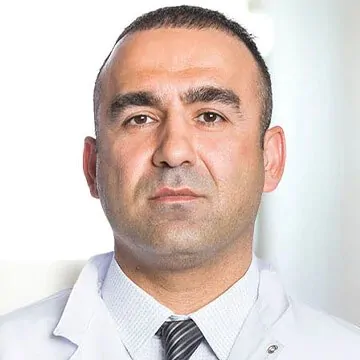
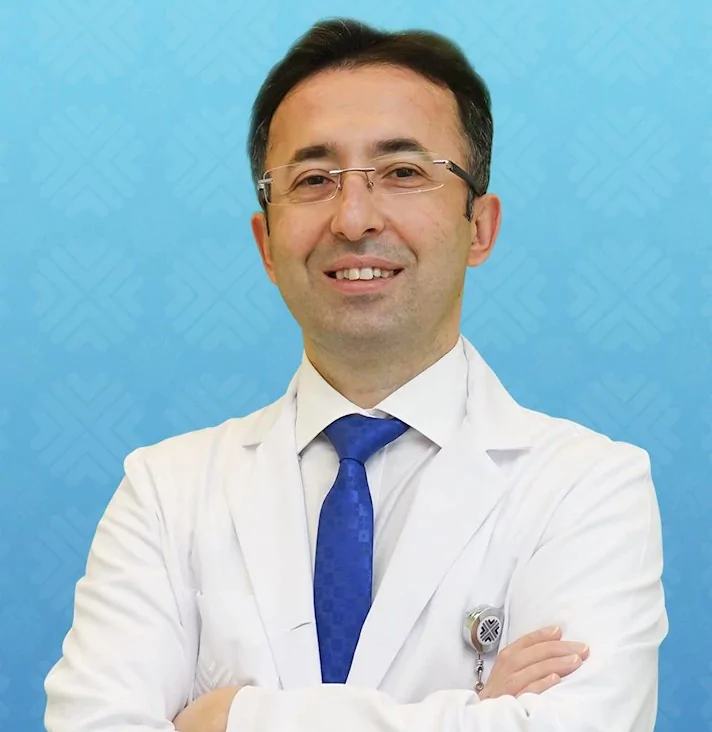
Turkey's leading oncologists specializing in pancreatic cancer

How to start treatment with Experts Medical
Starting treatment in Turkey with Experts Medical is simple and safe. We support patients every step of the way, from their initial consultation to their return home after treatment. To make everything as clear as possible, we’ve outlined the process step by step below.
1. Free consultation with a physician coordinator
The first step is to contact our physician coordinator. The consultation is free and is held in your native language. At this stage, we determine your medical situation and what documents you need to prepare.
2. Collection and transfer of medical documents
The patient provides us with:
- extracts from the medical record,
- test results and CT/MRI scans,
- reports from attending physicians,
- other important data, if available.
This is necessary so that doctors in the clinics can objectively assess the condition and prepare an accurate treatment proposal.
3. Consultations with oncologists in clinics
We send the documents to several specialized clinics. After reviewing the case, doctors prepare:
- a preliminary treatment plan,
- a list of required procedures and hospitalization,
- an estimated cost and duration of therapy.
Sometimes several options are offered at once – the patient chooses the one that suits them best.
4. Receiving the treatment plan and organizing the trip
After consultations, we provide the patient with:
- a clear and detailed treatment plan,
- a cost estimate,
- an expected timeline for the stay in Turkey,
- answers to all questions — from visa matters to daily logistics.
If necessary, we help with booking flights, arranging transfers, and finding accommodation near the clinic.
After the very first step, you already have a clear understanding of what will happen, where, and how. No unnecessary visits, no payments at the inquiry stage – everything is as transparent and convenient as possible.
Conclusion
Pancreatic cancer remains one of the most challenging oncological diagnoses, requiring quick diagnosis and a comprehensive treatment approach. Turkish clinics offer patients exactly this model – with personalized protocols, multidisciplinary boards, and high safety standards. Here, modern technologies (such as CyberKnife, PET-CT, and laparoscopic surgery) are combined with the expertise of specialists trained in international oncology centers.
It’s important to understand that the patient is not left alone in this process. Organizing treatment through Experts Medical allows you to get a second opinion, understand the real picture regarding methods, timelines, and costs, and, if desired, start treatment within just a few days. No risk, no overpayment, and with clear coordination at every stage.
If you or your loved ones have been diagnosed with this disease, don’t delay. The earlier therapy begins, the higher the chances of controlling the disease and achieving long-term remission.
Frequently Asked Questions
1. How long does the treatment take?
The duration depends on the method: surgery may take about a week including preparation, radiation therapy is carried out in courses lasting 4 to 6 weeks, and chemotherapy is given in cycles of several days every 2–3 weeks. Doctors create a clear schedule before therapy begins.
2. What treatment protocols are used for cervical cancer?
Turkey follows international standards – primarily NCCN (USA) and ESMO (Europe). These include surgical procedures for early stages and combined protocols with chemo- and radiotherapy for more advanced cases.
3. How much does cervical cancer treatment cost in Turkey?
Diagnostics range from 500 euros (PET-CT) to 1300 euros (extended tests). One course of chemotherapy costs from 1300 to 2400 USD, radiation therapy – from 7300 to 7700 USD. The “PET-CT + chemotherapy + radiotherapy” package is around 6800 USD. The final cost depends on the stage of the disease, chosen medications, and treatment duration.
4. What happens after treatment and returning home?
After discharge, the patient receives a detailed report with recommendations. Coordinating physicians stay in touch, assist with document translation, interpretation of prescriptions, and arrange follow-up online consultations if needed.