



- At the clinic's price without markups
- with full doctor support
India has become a steady choice for heart surgery, with patient satisfaction after cardiac procedures such as heart transplantation typically ranging between 75% and 85% in hospital-based studies (Journal of Cardiac and Pulmonary Surgery, 2019). Choosing the right cardiac surgeon matters more than most people expect. It’s not just about the procedure itself. It’s about judgment, timing, and how decisions are made before and during surgery. Even small differences in approach can affect recovery, complications, and long-term results.
There are 420 advanced cardiac centres in India where 300 000 cardiac surgeries are performed every year, according to the Indian Journal of Thoracic and Cardiovascular Surgery
At Experts Medical, we selected the surgeons in this list based on real treatment experience — more than 12,000 patients and over 10 years of work in organizing surgeries and care abroad . This isn’t a random selection. It comes from seeing how different surgeons work in practice, how patients recover, and where things actually go right or wrong.
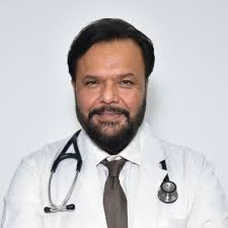
1. Dr. (Col) Manjinder Sandhu
Dr. Manjinder Sandhu works as Principal Director of Cardiology at Fortis Healthcare in Gurugram and has long experience in interventional cardiology. His work is centered around procedures like coronary angioplasty, structural heart interventions, and device-based treatments for heart defects. With more than 20,000 procedures performed, most done through radial access, his practice leans toward minimally invasive approaches where possible, which often helps reduce recovery time and complications.
- Specialization: Interventional cardiology, angioplasty, structural heart procedures
- Number of procedures performed: 20,000+
- Accreditation: FACC, FSCAI
- Hotel and transfer: included
- Years of experience: 35 years
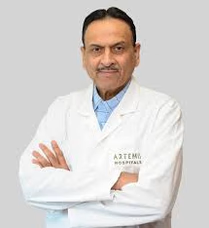
2. Dr. DK Jhamb
Dr. DK Jhamb is Director of Interventional Cardiology at Artemis Hospitals in Gurugram, with long-standing experience in procedures like angioplasty, valve interventions, and device implantation. His work is heavily focused on interventional cardiology, including PTCA and minimally invasive techniques. Over the years, he has performed thousands of angioplasties and coronary procedures, which reflects a strong procedural background, especially in catheter-based treatments.
- Specialization: Interventional cardiology, angioplasty, valve procedures
- Number of procedures performed: 5,000+ PTCA, 10,000+ angiographies, 500+ pacemakers
- Accreditation: Member of CSI, ACC (Associate), ESC
- Hotel and transfer: included
- Years of experience: 30 years
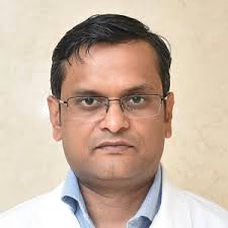
3. Dr. Amit Kumar Chaurasia
Dr. Amit Kumar Chaurasia works at Artemis Hospitals as Head of Cath Lab and TAVI Unit. His practice is centered around complex coronary interventions and structural heart procedures, especially TAVI. He has performed over 10,000 cardiac procedures, including more than 1,000 TAVI cases, which is a fairly specific area requiring advanced expertise. His work often involves patients who need minimally invasive valve replacement rather than open surgery.
- Specialization: TAVI, structural heart interventions, coronary procedures
- Number of procedures performed: 10,000+ cardiac procedures, 1,000+ TAVI
- Accreditation: Fellow of ESC, Asia Pacific Society of Interventional Cardiology
- Hotel and transfer: included
- Years of experience: 30 years
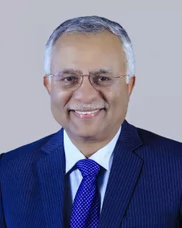
4. Dr. Anil Kumar
Dr. Anil Kumar practices at Aster Hospitals and focuses on interventional cardiology and management of complex heart conditions in adults. His work includes heart failure management and preventive cardiology, with experience across both India and the UK. His profile leans more toward long-term cardiac care and disease management alongside interventional work.
- Specialization: Interventional cardiology, heart failure management, preventive cardiology
- Accreditation: MRCP (UK) training involvement, examiner roles
- Hotel and transfer: included
- Years of experience: 25 years
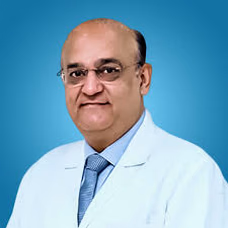
5. Dr. Neeraj Bhalla
Dr. Neeraj Bhalla works at BLK Hospital in New Delhi and focuses on complex interventional cardiology and peripheral vascular procedures. His practice includes high-volume angioplasty work, with more than 10,000 coronary angioplasties performed. He regularly uses advanced tools like IVUS and rotablator, which are typically applied in more challenging or high-risk cases rather than routine procedures.
- Specialization: Complex interventional cardiology, peripheral vascular procedures
- Number of procedures performed: 10,000+ angioplasties
- Accreditation: Fellow of SCAI, Endovascular Society of India
- Years of experience: 35+ years
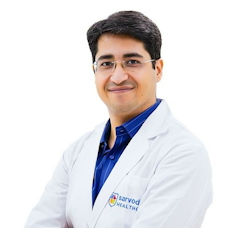
6. Dr. Jay Relan
Dr. Jay Relan is a paediatric cardiologist at Sarvodaya Hospital, working mainly with congenital heart defects and heart conditions in children. His work includes interventional procedures, fetal cardiology, and advanced cardiac imaging. Compared to adult cardiac surgeons, his focus is narrower but more specialized, especially in diagnosing and treating heart conditions early, even before birth in some cases.
- Specialization: Paediatric cardiology, congenital heart defects, fetal cardiology
- Accreditation: Fellowship in Fetal Echocardiography, AIIMS-trained
- Hotel and transfer: included
- Years of experience: 13 years
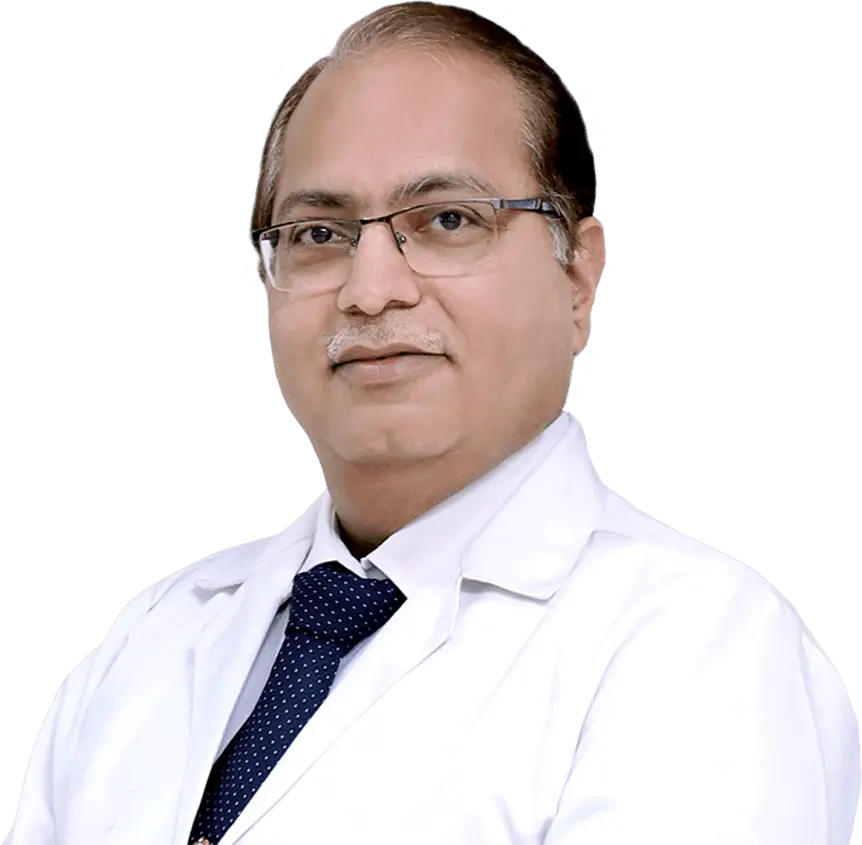
7. Dr. Sameer Mehrotra
Dr. Sameer Mehrotra works at Artemis Hospitals and focuses on interventional cardiology and cardiac rhythm management. His practice includes angioplasty procedures, electrophysiology studies, and ablation treatments for arrhythmias. He also performs pacemaker and device implantations, which are often required in patients with rhythm disorders rather than structural heart issues.
- Specialization: Interventional cardiology, electrophysiology, pacemaker implantation
- Accreditation: Member of CSI, IHRS, Delhi Medical Council
- Hotel and transfer: included
- Years of experience: 16 years
8. Dr. Balbir Singh
Dr. Balbir Singh is Chairman of Cardiology at Max Super Speciality Hospital in Gurugram, with a strong focus on interventional cardiology and cardiac rhythm disorders. His work includes coronary angioplasty, electrophysiology, and radiofrequency ablation for arrhythmias, along with pacemaker and device-based treatments. He is also known for introducing and working with newer techniques in invasive cardiology, which places him more on the advanced and complex procedure side of cardiac care.
- Specialization: Electrophysiology, angioplasty, arrhythmia treatment
- Accreditation: Fellow of American College of Cardiology
- Hotel and transfer: included
- Years of experience: 32 years
9. Dr. Amit Gupta
Dr. Amit Gupta works as a Consultant Cardiologist at Manipal Hospital and focuses on interventional cardiology procedures done through minimally invasive methods. His practice includes coronary angioplasty, valve interventions, and device implantation such as pacemakers and ICDs. He also treats congenital heart defects like ASD and PDA closures, covering both adult and some structural heart cases.
- Specialization: Interventional cardiology, angioplasty, valve procedures
- Accreditation: DNB Cardiology, member of multiple medical societies
- Hotel and transfer: included
- Years of experience: 23 years
10. Dr. Gaurav Garg
Dr. Gaurav Garg works at BLK Hospital as Associate Director in Paediatric Cardiology, focusing on heart conditions in children and congenital defects. His work includes pediatric cardiac interventions, fetal cardiology, and advanced imaging techniques like echocardiography. His practice is more focused on early diagnosis and treatment of heart conditions in infants and children.
- Specialization: Paediatric cardiology, congenital heart disease
- Accreditation: Member of IAP, PCSI
- Hotel and transfer: included
- Years of experience: 14 years
How Cardiac Surgery Works In Practice
What Happens Before Surgery
Most cases don’t go straight to the operating room. It usually starts with a detailed evaluation - scans, blood tests, and a review of symptoms. Surgeons look at the full picture, not just one issue. In some cases, what seems like a need for surgery can be managed with medication or less invasive procedures.
If surgery is confirmed, the plan is built step by step. That includes choosing the right technique, estimating risks, and preparing the patient physically. Things like blood pressure, diabetes, or lung function are stabilised first. This part is often quiet but important - it sets the tone for everything that follows.
What Happens During Surgery
Cardiac surgery itself can vary a lot depending on the condition. The most common procedures include bypass surgery, valve repair or replacement, and sometimes combined operations. Some are done as open-heart surgery, others use minimally invasive methods with smaller incisions.
In many cases, the heart is temporarily stopped and a heart-lung machine takes over circulation. It sounds intense, and it is, but it’s a standard part of many procedures. The key difference between surgeons often comes down to how they handle complexity - unexpected findings, tissue condition, or anatomy variations.
What Recovery Actually Looks Like
|
Surgery Type |
Typical Hospital Stay (Days) |
Approximate Cost (INR) |
Approximate Cost (USD) |
Notes / Sources |
|
Cataract Surgery (per eye) |
0–1 (often day care) |
15,000 – 1,40,000 |
180 – 1,700 |
Phaco/laser; premium lenses add cost. Government: much lower. |
|
Appendectomy (Laparoscopic) |
1–3 |
30,000 – 80,000 |
360 – 950 |
Often quick discharge. |
|
Hysterectomy (Laparoscopic/Abdominal) |
1–4 |
50,000 – 2,00,000 |
600 – 2,400 |
Varies by type (partial/total). |
|
Gallbladder Removal (Cholecystectomy, Lap) |
1–4 |
40,000 – 1,20,000 |
480 – 1,450 |
Common laparoscopic procedure. |
|
Knee Replacement (Unilateral) |
3–7 |
1,50,000 – 5,00,000+ |
1,800 – 6,000 |
Implant cost major factor; bilateral higher. |
|
Hip Replacement (Total) |
3–7 |
1,50,000 – 5,00,000 |
1,800 – 6,000 |
Similar to knee; implant-dependent. |
|
Heart Bypass (CABG) |
5–10 (1–3 in ICU) |
2,00,000 – 7,00,000+ |
2,400 – 8,400 |
Varies by grafts & hospital; premium centers higher. |
Why The Surgeon Still Matters Most
Even though cardiac surgery follows structured protocols, it’s not a “standardized” process in the strict sense. Every case is slightly different. The surgeon’s experience shows up in small decisions - how to approach the heart, how to handle complications, when to adjust the plan.
That’s why choosing the right surgeon isn’t just a formality. It directly affects how the surgery goes and how recovery feels afterward.
Patient Satisfaction After Cardiac Surgery in India
What the Numbers Show
Studies from Indian cardiac centers show patient satisfaction levels around 75% to 85%, even in complex cases like heart transplants. One study from AIIMS New Delhi reported overall satisfaction close to 80%, with higher scores in areas like doctor communication and attention (Journal of Cardiac and Pulmonary Surgery, 2019)
What Influences Satisfaction
It’s not just about surgical success. Research shows patients care a lot about how clearly things are explained and how staff behave during treatment. Communication, empathy, and time spent with doctors often shape the overall experience just as much as the outcome itself (ResearchGate Study, 2022)
Role of Recovery and Care
Post-surgery care plays a bigger role than many expect. Patients who feel supported during recovery tend to rate their experience higher overall. Improvements in hospital systems and follow-up care have also pushed satisfaction levels up in recent years.

How Experts Medical Guides You Through Treatment Abroad
At Experts Medical, we work with patients who need more than just a list of doctors. In most cases, people come to us already overwhelmed - different opinions, unclear diagnosis, too many options. Our role is to bring structure into that process and help make decisions based on real medical logic, not guesswork.
We go step by step. First, we study the medical case and prepare documents for review. Then we select a surgeon based on the actual condition, not just reputation. After that, we organize everything around the treatment - travel, appointments, communication with the clinic. And we stay involved the whole time, not just until the surgery is scheduled.
What We Do In Practice
- We review medical history and prepare documents for clinics
- We select surgeons based on diagnosis, not popularity
- We organize consultations and treatment plans
- We handle travel, hospital booking, and logistics
- We stay in touch 24/7 during treatment and recovery
- We help control costs and check invoices
- We support communication with clinics and doctors
Why Patients Work With Us
- No extra fees - all payments are made directly to the clinic
- Access to a network of verified international hospitals
- Experience based on more than 12,000 patient cases
- Fast response, including urgent cases when timing matters
- Ongoing support, not just coordination at the start
In the end, it’s not just about finding a surgeon. It’s about having someone on your side who understands how the whole process works and can guide it without adding more stress.
Conclusion
Cardiac surgery in India today is not just about access or cost. It’s really about volume and experience. Surgeons here handle a wide range of cases every day, from routine angioplasty to complex structural procedures, and that consistency tends to show in outcomes.
But one thing becomes clear when you look closely - results don’t come from the procedure alone. They depend on how well the case is assessed, how the right technique is chosen, and how carefully recovery is managed. That’s where the difference between surgeons starts to show. For patients coming from abroad, having a structured process around that decision often matters just as much as the surgery itself.
FAQ
How do I know if I need open surgery or a minimally invasive procedure?
This usually depends on anatomy and disease severity, not preference. In many cases, angioplasty or TAVI can replace open surgery, but not always. A proper decision requires imaging review like angiography or CT scans, not just symptoms or reports.
What are the risks of high-volume interventional procedures like angioplasty?
Even though angioplasty is considered routine, risks still include restenosis, stent thrombosis, or incomplete revascularization. These are not common but become more relevant in complex or multi-vessel disease cases.
Can multiple cardiac conditions be treated in one procedure?
Yes, in some cases. Combined procedures are possible, for example valve repair along with bypass surgery. But this depends on overall risk and patient stability. Not every case should be combined, even if technically feasible.
How does Experts Medical help in complex cardiac cases?
We review each case in detail before recommending a surgeon or hospital. This includes checking medical reports, discussing options with specialists, and selecting a treatment plan that actually fits the condition. We also coordinate the full process - from consultation to travel and recovery - and stay involved throughout, so decisions are not made in isolation.