





 Top Hospitals
 Treatment Options and Costs
 Leading Oncologists
 Experts Medical
 Why Patients Choose India
- At the clinic's price without markups
- with full doctor support
Uterus cancer, often called endometrial cancer, is one of the more common gynecological cancers. The good news is that when caught early, it can be treated effectively. In India, studies from leading cancer centers show that women diagnosed at stage I have survival rates of 80–90%, while overall 5-year survival across all stages averages around 85%. India has become a destination for women seeking care because of its combination of skilled doctors, advanced technology, and treatment costs that are often lower than in Western countries. Patients here have access to a wide range of options, from minimally invasive surgery and radiation therapy to newer approaches like immunotherapy and targeted treatments.
Treatment Success Rates for Uterus Cancer in India
Outcomes for uterine cancer treatment in India are generally encouraging, especially when the disease is caught early. A recent study from a large cancer center in Northwest India found that overall survival at five years was about 85 percent, and disease-free survival was around 76 percent. For women in the low- and intermediate-risk groups, survival at five years reached 100 percent in that cohort (LWW – Cancer Research, Statistics and Treatment, 2024).
Stage continues to be the deciding factor. Broad survival patterns from Indian centers mirror global figures: about 80–90 percent at stage I, around 80 percent for stage II, closer to 50–70 percent for stage III, and near 20 percent for stage IV disease (NCCN Guidelines, 2023)
Not all uterine cancers behave the same. Endometrial carcinoma, which makes up the majority, responds well to surgery and, when needed, adjuvant therapy. Uterine sarcomas are far rarer and more aggressive. Studies from Indian tertiary centers show that leiomyosarcoma and carcinosarcoma carry poorer survival, while low-grade endometrial stromal sarcoma has better long-term outcomes, sometimes above 80 percent in early cases (Uterine Sarcoma: The Indian Scenario, 2015).
Put simply: Women who reach care in India at an early stage of endometrial cancer have an excellent chance of long-term survival, very comparable to the best international outcomes. The picture is more complicated in advanced stages or sarcoma subtypes, which is why timely diagnosis and a tailored treatment plan remain so important.
Treatment Options and Costs in India
- 1. Surgery
- Hysterectomy: Removal of the uterus. May also involve the fallopian tubes and ovaries (salpingo-oophorectomy).
- Lymph node dissection: To check if the cancer has spread.
- Minimally invasive or robotic surgery: Growing in popularity due to smaller cuts, faster recovery, and fewer complications.
Typical surgical costs in India:
- Hysterectomy: USD 2,100 – 6,000
- Mastectomy (when part of combined treatment): USD 2,850 – 4,450
- Robotic procedures (Da Vinci system): from USD 11,200 – 14,150 for complex pelvic surgeries
- 2. Radiation Therapy
- External beam radiation therapy (EBRT): USD 6,100 – 7,600
- CyberKnife treatment: USD 2,000 – 3,500
- Brachytherapy for uterine cancer: about USD 2,000
- General brachytherapy range: USD 1,280 – 4,890
- 3. Chemotherapy
Drugs such as carboplatin and paclitaxel are used in advanced or recurrent cases.
- Per cycle chemotherapy: USD 6,620 – 14,350
- Some centers may offer basic regimens starting at USD 500 per cycle
- 4. Hormone Therapy
Hormonal treatment (like progestins or aromatase inhibitors) is typically reserved for hormone-sensitive endometrial cancers. This option is lower in cost compared to systemic chemotherapy, though prices vary by drug.
- 5. Targeted Therapy and Immunotherapy
These newer approaches are now available at major Indian cancer hospitals.
- Targeted drugs (such as for specific pathways) typically start from USD 1,180 – 1,680 per course.
- Immunotherapy (like PD-1 inhibitors) is offered for advanced or recurrent cases; costs depend on the specific drug and dosing schedule.

When people reach out to us, they often feel overwhelmed by the idea of traveling abroad for cancer treatment. We understand that stress, and our role is to take the weight off their shoulders. At Experts Medical, our team helps patients choose the right doctor, prepare a treatment plan, and organize the entire journey from start to finish. And to be clear, payments never go through us. Everything is handled directly with the hospital, so families have full transparency.
What This Means for Patients:
You don’t pay anything for the services of Experts Medical – our support is free of charge.
We provide second opinions along with a personalized treatment plan that clearly explains what’s included, what the costs are, and how risks are minimized.
Every program is personally reviewed by a doctor on our team to make sure nothing unnecessary is added.
We support you through every step of the journey, from medical planning to organizing the trip, so you don’t carry the stress alone.
We follow up for feedback and track outcomes. This helps us keep statistics on the success rates of individual doctors and choose the best paths for future patients.
We act as your advocate if questions or concerns come up about your doctor.
You’ll have personal guidance through the entire process, with our team taking responsibility for making sure every promise is delivered.
Our support team is always available to answer quickly, day or night.
We are in direct contact with your doctor, which means we can resolve delays or issues right away.
We only work with top doctors we’ve vetted over the past 10 years.
Over time, we’ve worked with more than 12,000 patients across different areas of medicine. While oncology is a big part of what we do, we’ve also guided people through cardiology, neurosurgery, orthopedics, and more. We don’t just set things up and step back either. We’re present throughout the journey, helping with things like booking flights, arranging places to stay, or even translating documents. Our coordinators are available day and night, because nobody should feel alone when they’re far from home.
One part of our work that’s close to our hearts is helping children. For families with kids under 18, we often connect them with charitable foundations that can ease the financial strain. For us, it’s not only about medical results. It’s about making sure people feel supported, listened to, and cared for while they go through something so difficult.
Top Hospitals for Uterus Cancer Treatment in India

1. Fortis Healthcare

Fortis is among India’s best-known private medical centers, recognized for advanced technology, international accreditations, and strong oncology departments. The network has extensive experience in gynecological oncology, including treatment of uterine, ovarian, and cervical cancers. For patients with uterus cancer, Fortis offers surgery ranging from minimally invasive hysterectomies to complex cytoreductive procedures for advanced disease. Their specialists also perform advanced techniques such as video endoscopic lymph node removal (VEIL) and HIPEC for cases that require more aggressive management.
Radiation therapy, chemotherapy, targeted therapy, and immunotherapy are available as part of individualized treatment plans. The hospitals are equipped with modern tools like robotic surgical systems and precision radiotherapy, helping reduce complications and recovery time. Fortis emphasizes safety and quality of care, with strict infection control standards and a dedicated international patient program.
Key Aspects of Uterus Cancer Care at Fortis:
- Specialists in gynecologic oncology available across multiple Fortis centers
- Minimally invasive surgical options designed to reduce recovery time
- Precision radiation platforms such as MR LINAC, IMRT
- Access to advanced medical therapies like immunotherapy and targeted drugs
- Preventive oncology services, including genetic counseling and screenings

2. Medanta, Gurgaon

Medanta is one of India’s largest private hospitals and a recognized leader in oncology care. The hospital’s Institute of Oncology is equipped with advanced technologies like Tomotherapy, CyberKnife radiosurgery, Rapid Arc radiotherapy, and Da Vinci robotic surgery. These allow doctors to treat uterine cancer with high precision, whether through minimally invasive hysterectomies, targeted radiation, or complex cytoreductive surgery for advanced cases. Every patient is assessed by a multidisciplinary tumor board, ensuring that treatment decisions are based on input from specialists in surgery, medical oncology, radiation oncology, and pathology.
For women with uterus cancer, Medanta provides the full range of therapies: surgery, radiation, chemotherapy, targeted therapy, and immunotherapy under one roof. The hospital is also known for combining cutting-edge Western medicine with proven protocols adapted to the needs of Indian and international patients.
Key Aspects of Uterus Cancer Care at Medanta:
- Collaborative team of oncologists, surgeons, and specialists
- Robotic and minimally invasive surgical techniques
- Image-guided and intensity-modulated radiation therapy
- Regular tumor board reviews for complex cases
- Dedicated focus on gynecologic and uterine cancers

3. Apollo Indraprastha

Apollo Indraprastha in New Delhi is one of the flagship hospitals of the Apollo Group and is often chosen by international patients for complex cancer care. The oncology department brings together advanced diagnostics like PET-CT, MRI, and liquid biopsy with modern treatment methods such as robotic surgery, CyberKnife radiosurgery, and proton therapy. For uterus cancer, Apollo offers minimally invasive hysterectomies, targeted radiation, chemotherapy, and, in select cases, immunotherapy or hormone therapy – all planned by a multidisciplinary tumor board to ensure the most effective and safe approach.
The hospital has extensive experience treating gynecologic cancers and is known for tailoring protocols to match international standards while keeping treatment affordable compared to the US or Europe. With JCI accreditation and a strong focus on clinical outcomes, Apollo Indraprastha has built trust among patients worldwide.
Key Aspects of Uterus Cancer Care at Apollo:
- Robotic and minimally invasive gynecologic cancer surgeries
- Proton therapy and targeted therapies for advanced cases
- Specialized units for radiation oncology and chemotherapy
- Genetic testing and counseling for hereditary cancer risk
- Comprehensive diagnostic services including PET-CT and advanced imaging

4. Artemis Health Institute

Artemis Health Institute in Gurgaon has built a strong reputation since its founding in 2007, especially for international patients seeking advanced cancer care. The hospital combines modern infrastructure with a patient-centered approach, making it one of the top destinations for women’s oncology in India. For uterus cancer, Artemis offers minimally invasive hysterectomies, brachytherapy, targeted radiation, chemotherapy, and newer options like immunotherapy. Treatment is planned by a multidisciplinary tumor board, and complex cases often get reviewed by international experts through telemedicine.
The center is equipped with a 3-Tesla MRI, PET-CT, and a linear accelerator for image-guided radiotherapy. Robotic-assisted surgeries are used for greater accuracy and faster recovery. The hospital also emphasizes fertility-preserving options where appropriate, allowing women of reproductive age to consider treatment plans that protect future possibilities. With JCI and NABH accreditations, Artemis maintains international standards while keeping treatment costs considerably lower than Western countries.
Key Aspects of Uterus Cancer Care at Artemis:
- Minimally invasive and robotic-assisted gynecologic cancer surgeries
- Advanced radiation therapies including IMRT, IGRT, and brachytherapy
- Chemotherapy, immunotherapy, and targeted therapies tailored to each case
- Bone marrow and stem cell transplant units for blood-related cancers
- Genetic profiling and molecular diagnostics for precision medicine
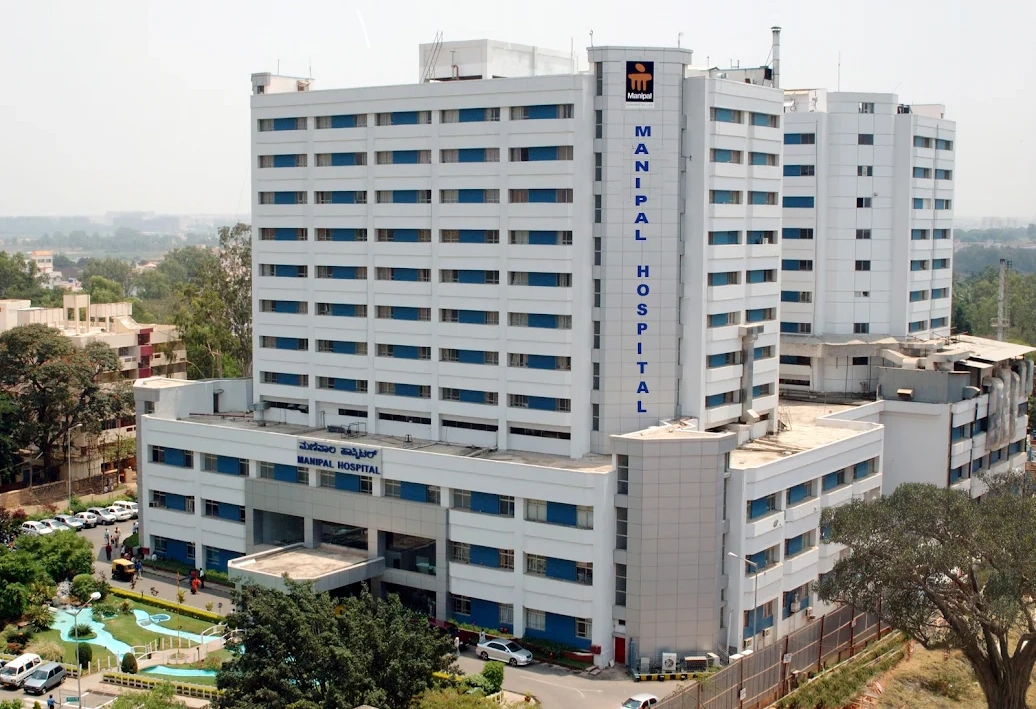
5. Manipal Hospital

Manipal Hospital, with its network across India, is one of the country’s best-known names in healthcare. The Delhi branch alone treats over two million patients each year, including many who travel from abroad. For women diagnosed with uterus cancer, the hospital offers a full spectrum of care: from robotic-assisted hysterectomies and minimally invasive procedures to chemotherapy, radiation therapy, and advanced targeted treatments.
Technology is a major strength here. Patients have access to PET-CT, MRI, and high-precision radiation systems, which help doctors detect and treat cancer with accuracy. Manipal has also invested in robotic surgery, which is increasingly used in gynecologic oncology because it allows surgeons to perform delicate operations with smaller incisions and quicker recovery. On top of that, the hospital is accredited by NABH and NABL, which means its safety and quality standards align with international benchmarks.
Key Aspects of Uterus Cancer Care at Manipal Hospitals
- Gynecologic oncology surgery with minimally invasive and robotic options
- Chemotherapy, hormone therapy, and immunotherapy for advanced care
- Precision-driven radiation therapy, including SBRT, IGRT, and brachytherapy
- Multidisciplinary Tumor Board for careful treatment planning
- Bone marrow transplant services for complex cases
Leading Oncologists for Uterus Cancer in India

Why Patients Choose India
For many people seeking cancer care abroad, India offers more than cost savings. Patients often highlight a combination of expertise, technology, and supportive services that make their experience smoother:
- Highly experienced doctors who handle large numbers of cancer cases each year, giving them deep, practical insight into complex treatments
2. Access to advanced technologies, including robotic surgery systems and modern radiation therapies used at leading global centers
3. International accreditations like NABH and JCI at several hospitals, ensuring global standards of safety and quality are met
4. Holistic approach to recovery, with counseling, nutritional guidance, and rehabilitation services integrated into the treatment journey
This mix of medical expertise, technology, and personalized care is what convinces many patients to travel to India for treatment.
Conclusion
India has become a place where advanced medical treatment and human connection come together. For uterus cancer, the country offers more than just surgery and medications – it provides access to highly trained oncologists, modern facilities, and an environment where patients don’t feel like they’re navigating the journey alone. What makes the difference is the balance: world-class technology on one side, and genuine, patient-focused care on the other. For many families, that combination is what turns India into not just an option, but the right choice for treatment.
Frequently Asked Questions (FAQ)
1. Can Experts Medical help me get a second opinion before traveling?
Yes. We provide a free second opinion from oncologists along with a preliminary treatment plan once your medical reports are reviewed. This helps you understand the options and costs before deciding to travel.
2. Can brachytherapy for uterine cancer be done in India, and how much does it cost?
Yes, brachytherapy is widely available and is a standard option after surgery or for recurrent cases. The cost in India usually starts from around 2,000 USD, depending on the hospital and technique used.
3. Do Indian hospitals offer minimally invasive or robotic hysterectomy for uterine cancer?
Yes. Many tertiary centers like Apollo, Artemis, and Manipal Hospitals provide robotic and laparoscopic hysterectomy. These options typically mean smaller incisions, shorter recovery time, and fewer complications compared to open surgery.
4. How do doctors in India decide between surgery, radiation, and chemotherapy for uterine cancer?
Treatment decisions depend on stage, grade, and histology of the tumor. For early-stage disease, surgery alone may be sufficient. In higher stages, oncologists combine surgery with adjuvant radiation, chemotherapy, or hormone therapy, often guided by NCCN protocols.
6. What is the typical recovery time after hysterectomy for uterine cancer in India?
For minimally invasive surgery, recovery is usually 2–3 weeks. For open surgery, full recovery may take 4–6 weeks. Most patients are able to walk within a day or two of surgery.