




 Top Hospitals
 Treatment Options and Price
 Leading Doctors
 Experts Medical
 How to Choose a Clinic and Doctor
- At the clinic’s price without markups
- with full doctor support
Getting diagnosed with thyroid cancer can stir up a lot of questions, and not just about the disease itself, but also about where to go and what treatment actually looks like. India has become a leading destination for thyroid cancer care, offering a thoughtful mix of medical expertise, modern technology, and treatment plans that actually make sense for patients, not just protocols. Survival rates for thyroid cancer are generally high, global data shows 5-year survival above 95% for papillary and follicular cancers, and Indian tertiary centers report outcomes that closely match these numbers, with early-stage cases doing particularly well. Even in more advanced cases, hospitals in India have improved survival through multidisciplinary care and access to targeted therapies. Whether you're looking at surgery, radiation therapy, or a second opinion, the process here isn’t cold or clinical. It’s personalized. Indian hospitals don’t just offer treatment, they create a care path that’s focused on real people, not just diagnoses. In this guide, we’ll walk you through what thyroid cancer treatment in India really involves, how hospitals approach it, and how to find the right doctor to lead your journey.
How Effective Is Thyroid Cancer Treatment in India?
Thyroid cancer outcomes in India are very encouraging for differentiated types, though prognosis varies depending on subtype and stage. Data from Indian tertiary hospitals such as AIIMS and Tata Memorial provide real-world insight, showing that results here closely mirror global standards when cancers are detected early.
Differentiated Thyroid Cancer (Papillary and Follicular)
A retrospective study of patients with differentiated thyroid carcinoma (DTC) at an Indian tertiary center found that those with distant metastases had a 5-year survival of 47.3% overall, with papillary at 54% and follicular at 34% (Thyroid Research and Practice, 2020). For patients treated in earlier stages with surgery and radioactive iodine, survival in India exceeds 90% at 5 years, similar to international benchmarks (Medscape, Papillary Thyroid Cancer Overview, 2023).
Medullary Thyroid Cancer (MTC)
Indian case series show 5-year survival rates of 70–80% for localized MTC, though outcomes worsen significantly in advanced cases. Early genetic screening for RET mutations and prophylactic thyroidectomy in high-risk families have improved results in India.
Anaplastic Thyroid Cancer (ATC)
At Tata Memorial Hospital, a retrospective audit of 134 patients with ATC (2008–2020) reported a median overall survival of just 80 days, with 1-year survival under 20%, underscoring the aggressiveness of this cancer in the Indian population (PubMed, 2023). Indian guidelines emphasize that multimodality treatment (surgery, chemoradiation, and targeted agents) may prolong survival in select patients (Journal of Head & Neck Physicians and Surgeons, 2024).
Targeted Therapy in Advanced DTC
A real-world study at Tata Memorial Hospital on lenvatinib for radioiodine-refractory DTC showed a median progression-free survival of 12.2 months and a median overall survival of 35.3 months, demonstrating meaningful outcomes with modern targeted agents in India (Ecancer, 2023).
Why These Results Matter
For most patients diagnosed with papillary or follicular thyroid cancers in India, survival outcomes are excellent, exceeding 90–95% at 5 years if detected early. More aggressive cancers like medullary and especially anaplastic thyroid cancer carry poorer outcomes, but with advanced treatments such as IMRT, IGRT, proton therapy, and targeted drugs, Indian hospitals are increasingly able to match global standards and improve both survival and quality of life.
Treatment Options and Price: What You Can Expect
Surgery
Surgery is usually the first step for thyroid cancer:
- Hemi-thyroidectomy: Only one lobe of the thyroid is removed.
- Total thyroidectomy: The entire gland is taken out.
- Neck dissection: Needed if cancer has spread to lymph nodes.
At hospitals like Apollo, robotic and endoscopic systems are often used for more precise and less invasive procedures.
Estimated costs in India:
- Standard thyroidectomy: $1,500 – $3,500
- Neck dissection (if required): $2,500 – $4,500
- Robotic or endoscopic thyroid surgery: $5,000 – $7,000
Radioactive Iodine (RAI) Therapy
After surgery, RAI is often given to destroy remaining thyroid cells and reduce recurrence risk, especially for papillary and follicular thyroid cancers.
Estimated costs in India:
- RAI treatment (single dose, including hospital stay): $1,200 – $2,500
External Radiation Therapy
External beam radiation is not needed for every thyroid cancer case, but it can be important for advanced or aggressive tumors. At centers like Apollo Proton Cancer Centre, techniques like proton therapy, IMRT, and IGRT allow doctors to deliver highly precise doses.
Estimated costs in India:
- IMRT/IGRT: $3,500 – $5,000
- Proton therapy (for complex cases near voice box or spinal cord): $8,000 – $12,000
- CyberKnife or Gamma Knife (stereotactic radiosurgery): $2,500 – $4,000
Chemotherapy and Targeted Drugs
Chemotherapy is rarely needed for thyroid cancer, except in anaplastic thyroid cancer. In advanced or metastatic cases, targeted drugs like lenvatinib or sorafenib may be prescribed.
Estimated costs in India:
- Standard chemotherapy (per cycle): $1,200 – $2,500
- Targeted therapy (e.g., lenvatinib, sorafenib): $1,000 – $1,800 per month
- Immunotherapy (checkpoint inhibitors like pembrolizumab, if used): $2,500 – $3,500 per cycle
Advanced Radiation Techniques
For complex thyroid cancers, precision methods like IMRT, IGRT, and stereotactic radiotherapy help reduce damage to nearby organs (such as vocal cords, esophagus, or spinal cord).
Estimated costs in India:
- IMRT (25–30 fractions): $4,000 – $6,000
- TrueBeam or RapidArc (advanced linear accelerator systems): $4,500 – $6,500
- Brachytherapy (in select cases, though less common in thyroid): $1,000 – $2,500
India’s hospitals now cover the full spectrum of thyroid cancer care, from standard surgery to advanced targeted therapies. Below you’ll find the main treatment options along with typical costs in India (approximate, as prices vary by hospital, city, and whether robotic or advanced technologies are used).

Trying to arrange thyroid cancer treatment in another country can feel overwhelming. That’s where we step in. At Experts Medical, we’ve already supported more than 12,000 patients in finding the right doctors abroad, and we stay with you from the first consultation until recovery is complete.
We begin by carefully reviewing your medical history and reports. From there, our team works with a panel of doctors to select the most suitable specialist for your case. It’s not about sending you to the most famous hospital, it’s about matching you with a doctor who has proven experience treating your exact condition. Once that’s decided, we handle everything else: scheduling appointments, arranging visas, booking flights and hotels, providing a translator, and organizing airport pickup. If any issues arise during or after treatment: whether medical, logistical, or financial, our team is available 24/7 to resolve them quickly.
Advantages of Working With Us
- Second opinions and clear plans:
We provide access to trusted oncologists for second opinions, along with a transparent treatment plan that details procedures, costs, and potential risks.
- Comprehensive support:
From organizing your entire trip to staying by your side during hospital visits, we take responsibility for making sure everything agreed upon is delivered.
- Direct doctor access:
We are in constant contact with your treating doctor. If something gets delayed, we can step in immediately to sort it out.
- Trusted network:
We only work with top doctors and hospitals we’ve vetted over the past 10 years, using real patient outcomes to guide recommendations.
- No extra costs:
The price is never higher than if you went directly to the clinic yourself. In fact, in some cases, we can even secure better terms.
- Proven track record:
All our reviews are 5-star, and we have over a decade of experience helping patients avoid common mistakes when choosing hospitals or doctors abroad.
- Ongoing guidance:
We follow up for feedback after every case and maintain statistics on individual doctors’ success rates. This helps us refine our recommendations and ensures patients are always in good hands.
- Child treatment support:
We also help organize and manage payments for children’s treatments, making the process easier for families.
- Aftercare support:
If medical questions come up after surgery, our team is available right away, especially important during the first days of recovery.
Our role is simple - we make sure you get the right treatment, from the right doctor, without the stress of figuring it all out alone. With a decade of experience, strong hospital partnerships, and round-the-clock support, we’re here to guide you through every step of your thyroid cancer treatment journey in India.
Top Hospitals in India for Thyroid Cancer
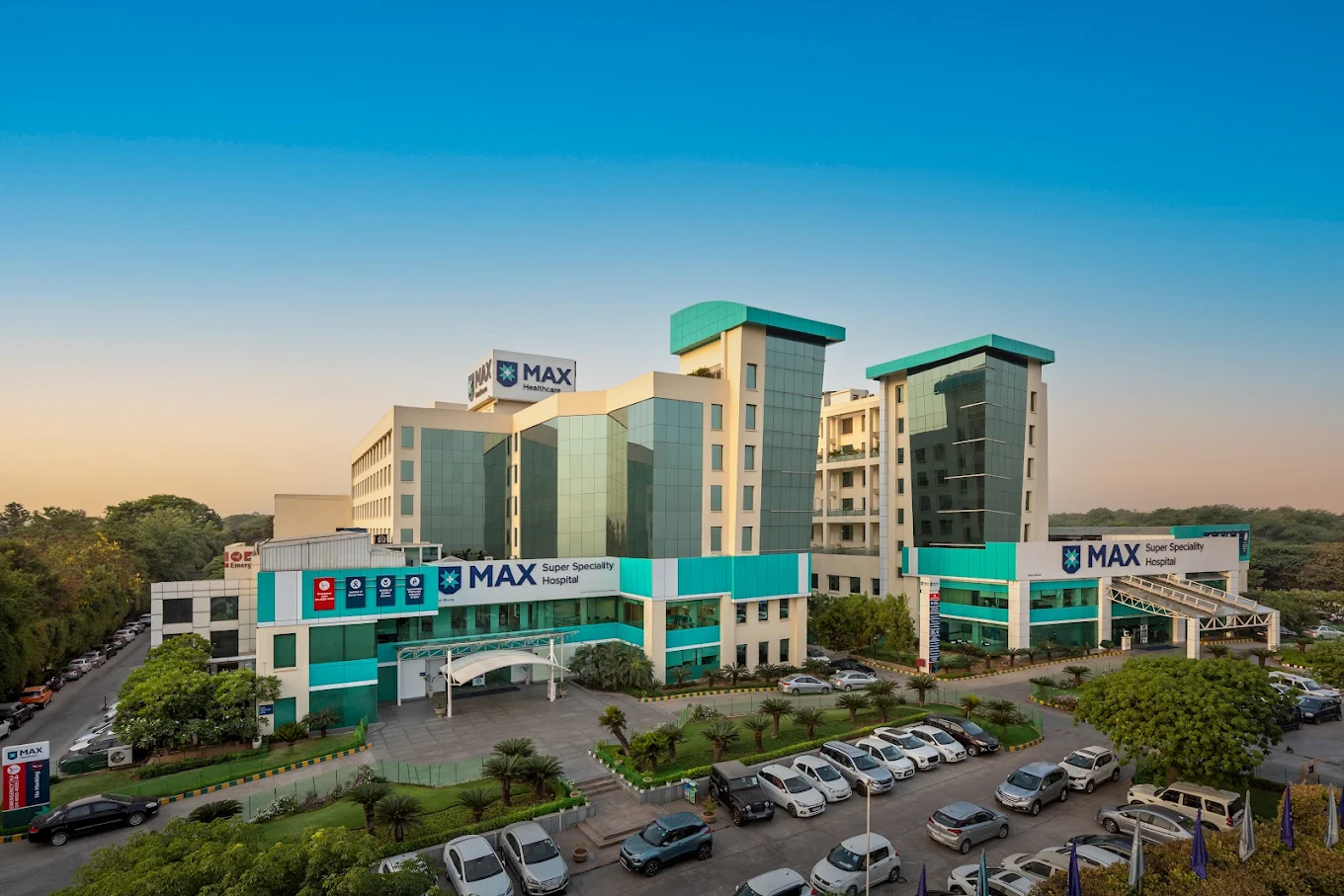
1. Max Healthcare

At Max Healthcare, thyroid cancer is managed by a multidisciplinary tumor board that includes endocrine surgeons, head and neck oncologists, radiation oncologists, nuclear medicine specialists, and pathologists. Diagnosis is streamlined with 3 Tesla MRI, PET-CT, high resolution ultrasound, and in house labs, so patients get a clear staging and plan without delays. For surgery, the team performs hemi thyroidectomy or total thyroidectomy with selective or comprehensive neck dissection when nodes are involved. Minimally invasive options are available through the Da Vinci Xi robotic system and endoscopic approaches, designed to reduce scarring and shorten recovery while maintaining oncologic precision.
Postoperative care is built around evidence based protocols. Radioactive iodine is used when indicated for papillary and follicular cancers, with dosimetry guided by nuclear medicine. For cases that need radiation, Max deploys Novalis Tx, TrueBeam, IMRT, IGRT, and stereotactic techniques to deliver focused doses while protecting the voice box, parathyroids, and spinal cord. Complex or aggressive disease, including recurrent or metastatic thyroid cancer, is discussed in tumor boards to align surgery, RAI, precision radiation, and systemic options.
Services Available to Thyroid Cancer Patients:
- Advanced diagnostic imaging with 3 Tesla MRI, PET-CT, and high-resolution ultrasound
- Fine-needle aspiration cytology (FNAC) with on-site pathology for quick confirmation
- Hemi- and total thyroidectomy with selective or comprehensive neck dissection
- Robotic and minimally invasive thyroid surgeries using the Da Vinci Xi system
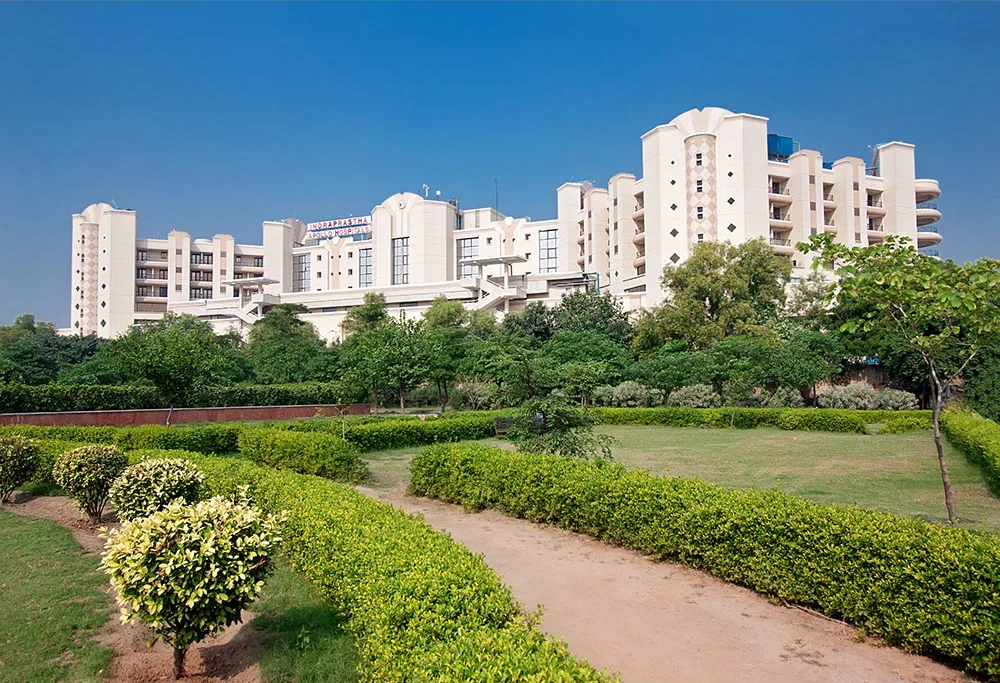
2. Apollo Indraprastha

For thyroid cancer, Apollo Indraprastha stands out for its breadth and depth rather than a one-size-fits-all pathway. Workup is fast and layered: neck ultrasound and FNAC are routine, with 3 Tesla MRI or 320-slice CT for anatomy mapping, and PET-CT when staging or radioiodine planning calls for it. The center pairs high-volume endocrine and head-and-neck teams with tools like Da Vinci robotic systems and transoral approaches for select nodal and primary resections, which helps with margin control while keeping scars minimal. A practical advantage here is the network itself: pathology, nuclear medicine, and inpatient care run on standardized protocols across 52 specialties, backed by JCI accreditation and large-case logistics in a 710-bed setting.
Therapy is sequenced around what your biology needs. Papillary and follicular cancers move swiftly to surgery with risk-adapted radioactive iodine and thyroglobulin-led follow-up. When external radiation is appropriate, Apollo offers Novalis, TrueBeam, and CyberKnife, and can triage complex neck re-irradiation or close-to-critical-structure cases into its proton therapy program. For advanced or refractory disease, clinicians lean on targeted agents and immunotherapy, adjusting early based on interim response rather than waiting for late scans.
Services Available to Thyroid Cancer Patients:
- High-resolution ultrasound, FNAC, 3T MRI, CT, and PET-CT for precise diagnosis and staging
- Robotic and minimally invasive thyroidectomy (Da Vinci, transoral, and endoscopic approaches)
- Conventional and advanced neck dissections for nodal disease
- Radioactive iodine (RAI) therapy with dosimetry and nuclear medicine monitoring
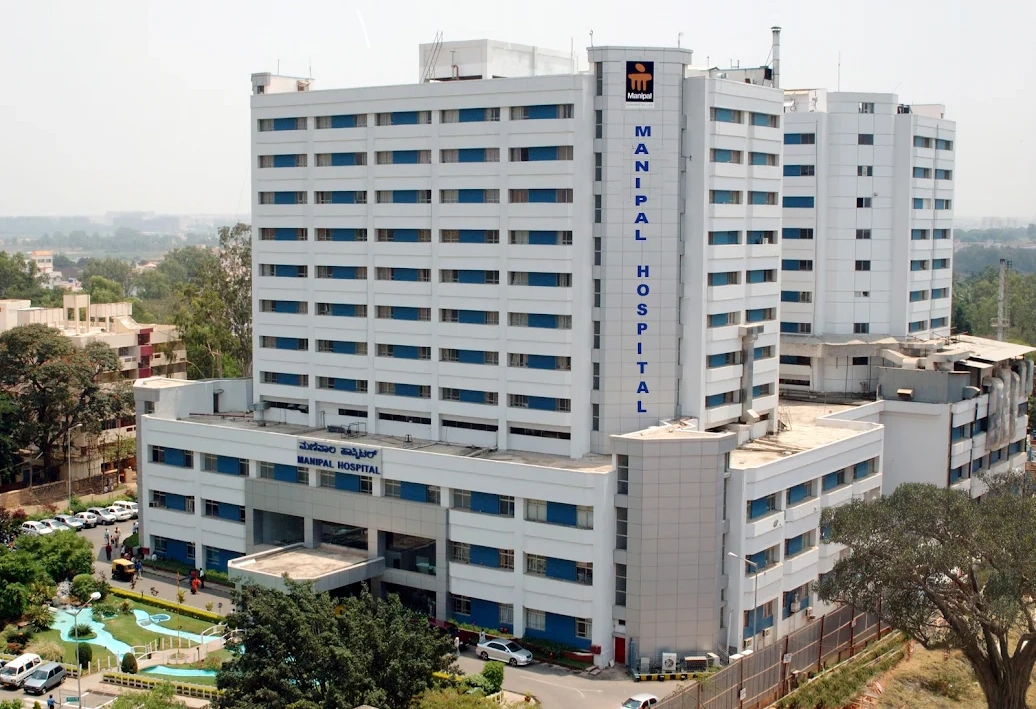
3. Manipal Hospital

Manipal Hospital is one of the largest centers in India treating thyroid cancer with a strong emphasis on robotic and minimally invasive surgery. Their oncology team includes pioneers, who are widely recognized for robotic head and neck and thyroid procedures. Patients with papillary, follicular, medullary, or aggressive thyroid tumors are assessed through a multidisciplinary tumor board that reviews radiology, pathology, and molecular findings before surgery. Diagnostic capabilities include PET-CT, high-resolution ultrasound, and rapid FNAC supported by NABL-accredited labs, which ensures accurate staging and treatment planning.
Treatment at Manipal is often surgery-led, with options like hemi- or total thyroidectomy, neck dissection when nodes are involved, and robotic transoral techniques that reduce visible scarring and speed recovery. Radioactive iodine (RAI) therapy and targeted systemic treatments are offered for advanced or recurrent cancers. Patients needing radiation benefit from IMRT, IGRT, and stereotactic techniques available within the hospital’s radiation unit.
Services Available to Thyroid Cancer Patients:
- Conventional and advanced neck dissections for nodal disease
- Radioactive iodine (RAI) therapy for differentiated thyroid cancers
- External beam radiation using IMRT, IGRT, and stereotactic methods
- Targeted therapy and immunotherapy for advanced or refractory cancers

4. Fortis Healthcare

Fortis approaches thyroid cancer as a precision problem, not a routine surgery. Evaluation starts with high resolution ultrasound and FNAC backed by NABL labs, with CT or MRI for anatomy mapping and laryngoscopy when voice preservation is a concern. For surgery, endocrine and head and neck teams perform hemi or total thyroidectomy with selective or comprehensive neck dissection as indicated. Where cosmesis and recovery matter, surgeons use minimally invasive and robotic techniques to shorten hospital stays while protecting parathyroid and recurrent laryngeal nerve function. The clinical culture at Fortis leans on real time navigation, anesthesia protocols that enable early mobilization, and strict infection control, which international patients often call out in reviews.
Adjuvant treatment is tailored rather than automatic. Patients who benefit from radioactive iodine are managed by nuclear medicine with uptake guided dosing and clear isolation instructions. When external beam radiation is needed for aggressive or recurrent disease, Fortis deploys IMRT, IGRT, VMAT, MR LINAC planning, and stereotactic radiosurgery to spare the esophagus and voice box. For advanced cases, the oncology team layers targeted therapies or immunotherapy with close toxicity monitoring, and every complex decision goes through a tumor board. After surgery, patients are handed a practical follow up plan that includes thyroid hormone replacement setup, calcium monitoring, thyroglobulin and ultrasound schedules, and access to voice and swallowing rehab.
Services Available to Thyroid Cancer Patients:
- High resolution neck ultrasound, FNAC, laryngoscopy, CT or MRI, and PET CT when indicated
- Endocrine and head and neck surgery for hemi thyroidectomy or total thyroidectomy
- Selective or comprehensive neck dissection for nodal disease
- Minimally invasive and robotic thyroid surgery to reduce scars and recovery time
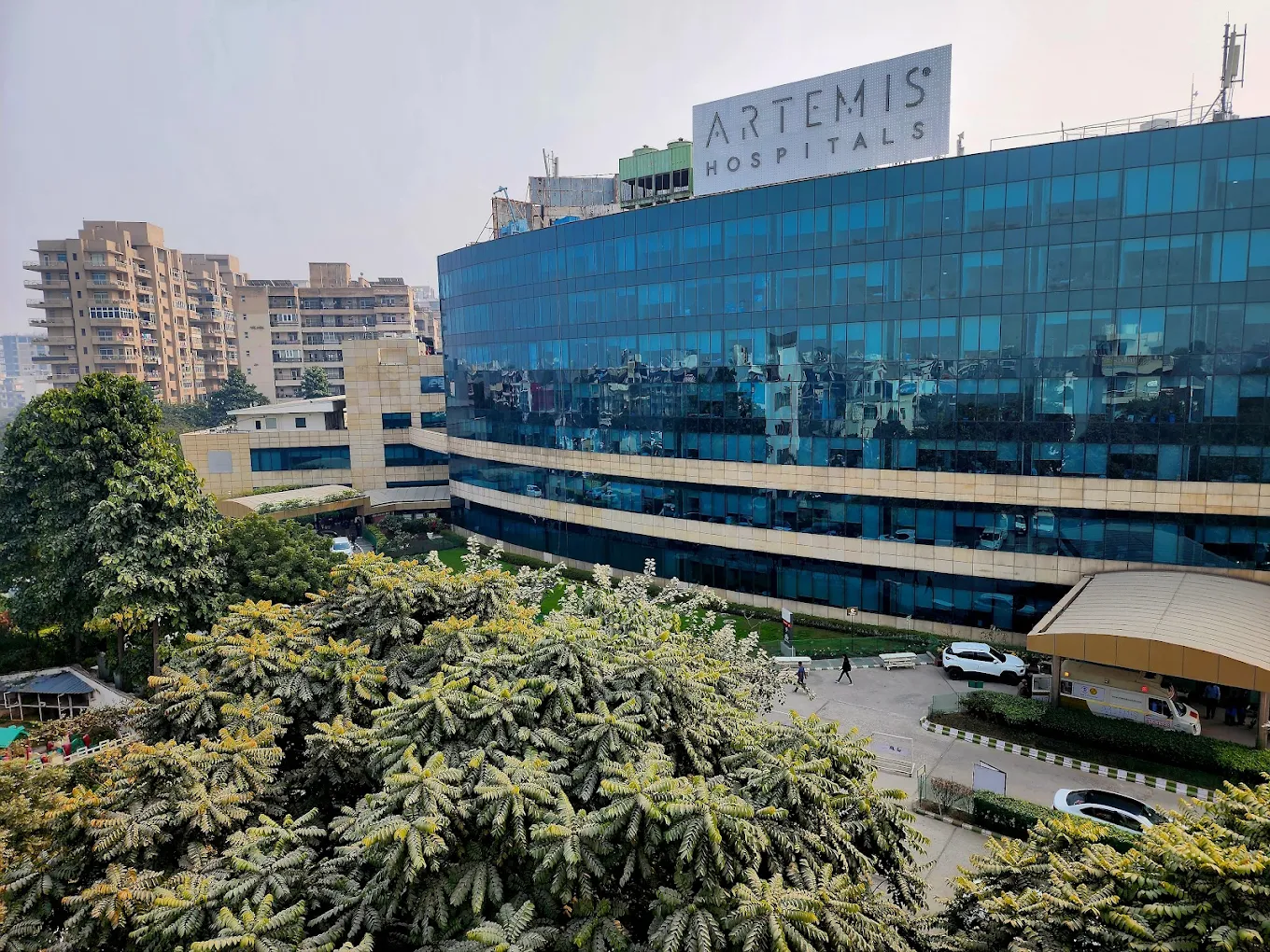
5. Artemis Health Institute

Artemis runs a tightly coordinated endocrine–head & neck program where thyroid cases are discussed at a multidisciplinary tumor board (endocrine surgery, nuclear medicine, radiation oncology, pathology, endocrinology, speech therapy). Surgeons perform hemi- and total thyroidectomies with routine intraoperative nerve monitoring and parathyroid identification/preservation (with on-table autotransplant when needed). For patients prioritizing cosmetics, the team offers minimally invasive and scar-sparing approaches, along with day-by-day ERAS pathways that shorten hospital stay without compromising safety.
Post-op, Artemis integrates nuclear medicine and radiation services on site: risk-adapted radioactive iodine (RAI) ablation with dosimetry, isolation rooms, and standardized hypothyroid/T3 withdrawal or rhTSH protocols. Radiation oncologists plan conformal external beam options (IMRT/VMAT/SBRT on Elekta/Trilogy platforms) for aggressive, residual, or unresectable disease. Long-term follow-up is centralized: TSH-suppressive therapy, calcium/Vit-D checks, thyroglobulin/anti-Tg monitoring, and scheduled high-resolution neck ultrasound, plus voice/swallow rehab and nutrition.
Services Available to Thyroid Cancer Patients:
- Comprehensive diagnostics: high-resolution neck ultrasound, elastography when indicated, FNAC/US-guided core biopsy, laryngoscopy, CT/MRI, and PET-CT for selected cases
- Endocrine surgery: hemithyroidectomy or total thyroidectomy; central/lateral neck dissection
- Minimally invasive/robotic options for eligible patients
- Intraoperative nerve monitoring; parathyroid identification with selective autotransplant
Top Thyroid Cancer Specialists in India


How to Choose a Clinic and Doctor
Experts Medical’s Experience
For more than 10 years, we’ve been helping patients access advanced cancer treatment abroad. During this time, we’ve organized care for over 12,000 people. This experience gives us a clear understanding of where patients truly get the help they need, and where there may be risks of wasted time and money.
Verified Clinics and Doctors
-
- We work only with hospitals and specialists who have consistently shown strong treatment outcomes.
- Our recommendations are based not on marketing promises, but on years of collaboration and real patient results.
- We know which doctors deliver measurable success for specific cancer types, including thyroid cancer.
Personalized Selection
-
-
- Every patient’s case is different, so we match the clinic and doctor based on cancer type, stage of disease, and individual needs.
- For some diagnoses, a center with an advanced surgical team is the best choice, while for others, a hospital with innovative targeted or immunotherapy options is more effective.
-
Why This Matters
On your own, it’s almost impossible to evaluate the real expertise of a hospital or doctor. At Experts Medical, we have direct feedback from thousands of patients and outcome data confirmed in practice, giving you confidence in the choice you make.
Wrapping Up
The reality is, thyroid cancer doesn’t have to be overwhelming. With the right medical team, clear communication, and some planning, your chances of a good outcome are high. India offers a mix of quality, affordability, and personal care that’s hard to beat.
If you’re just starting to explore your options, this guide is a great place to begin. And remember, you don’t have to figure this out alone.
Frequently Asked Questions
Can advanced thyroid cancer patients undergo robotic thyroidectomy in India?
Yes. Robotic and endoscopic thyroidectomy is available in select Indian hospitals for cases where the tumor is localized but technically challenging. For advanced cases with lymph node involvement, surgeons often combine robotic techniques with neck dissection to ensure complete removal.
Is radioactive iodine therapy effective after thyroidectomy for metastatic disease?
Radioactive iodine (RAI) remains a standard approach in India for treating differentiated thyroid cancers that spread beyond the thyroid. Its success depends on tumor uptake, which is evaluated with whole-body scans. Patients with RAI-refractory disease may be considered for targeted therapy instead.
What options exist in India for RAI-refractory thyroid cancer?
Hospitals like Apollo use tyrosine kinase inhibitors (TKIs) such as sorafenib and lenvatinib for patients who no longer respond to radioactive iodine. These therapies are available under strict oncology supervision and can significantly prolong progression-free survival.
Can external beam radiotherapy be used for thyroid cancer in India?
Yes. While not commonly used for early-stage disease, external beam radiation is offered for locally advanced tumors invading nearby structures, or for palliation in metastatic disease. Modern techniques like IMRT and proton therapy are available in specialized centers.
How do Indian oncologists manage thyroid cancers with aggressive histology, like anaplastic thyroid cancer?
Anaplastic thyroid cancer is treated with a combination of surgery (when operable), radiotherapy, and systemic therapy. Many top hospitals in India also offer immunotherapy or clinical trials for patients with limited standard treatment options.
Can Experts Medical arrange for a second opinion before traveling?
Absolutely. Patients can share medical records with us, and we forward them to experienced oncologists in India. Within a short time, you’ll receive a detailed treatment plan and cost estimate. giving clarity before making the trip. And all of this for free.