




 Best clinics
 Treatment methods and costs
 Recommended doctors
 Experts Medical
 Treatment results
- At the clinic’s price without markups
- with full doctor support
Stomach cancer is among the ten most common malignant tumors in the world. However, the prognosis largely depends on the stage at which it is diagnosed and the quality of treatment. According to international studies, the average 5-year survival rate for this disease in Turkey is around 40%, but with early detection, it can reach 70% or higher (Gastrointestinal Cancer Research, 2009). Turkey has oncology centers that follow international protocols, employ highly qualified surgeons and oncologists, and use technologies that are not yet widely available in CIS countries. Here, patients can undergo both comprehensive diagnostics and full treatment — from laparoscopic surgeries to targeted and immunotherapy. In this article, we will take a closer look at how treatment is organized, which methods are used, which clinics patients choose, and what to pay attention to when making a decision.
Stomach cancer treatment results in Turkey: what the research shows
Stomach cancer remains one of the leading causes of cancer-related deaths, but Turkey has accumulated significant experience in its surgical and combined treatment. Statistics show that the results are comparable to those in European countries, and in specialized centers, survival rates are higher than the population average.
Data from National and Regional Studies
According to population-based analyses, the overall 5-year survival rate for stomach cancer in Turkey is around 38–41%. However, the prognosis varies sharply depending on the stage:
- Stage I — up to 75–78%
- Stage II — around 40–45%
- Stage III — around 30–35%
- Stage IV — less than 10%
The main prognostic factor remains the possibility of performing radical surgery with lymph node dissection (Journal of Surgery and Medicine, 2019).
Practice of Major Oncology Centers
In Turkish university and private hospitals, patients are more likely to receive treatment according to modern international protocols. With radical gastrectomy and D2 dissection, the 5-year survival rate for stage I–II patients reaches 70% or more. In recent years, neoadjuvant chemotherapy (for example, the FLOT regimen) has been increasingly used, which improves tumor operability and raises the median survival for locally advanced stages to about 24 months (BMC Microbiology, 2022).
What This Means for the Patient
- If the cancer is detected early and a radical operation is performed, the chance of living 5 years or more reaches 70–75%.
- At later stages, modern chemotherapy protocols and targeted therapy (such as trastuzumab for HER2+ tumors) help extend life and improve its quality.
- Turkey offers minimally invasive surgical techniques and access to innovative drugs, making treatment not only more effective but also less traumatic.
Treatment methods and costs for stomach cancer in Turkey
Diagnosis
A comprehensive examination helps determine whether the tumor can be surgically removed and which medications will be most effective. In major clinics, diagnostics include an oncologist consultation ($150-220), gastroscopy with biopsy (~$1500), histology review ($200-500), CT scan with contrast ($350-500), MRI ($320-750), and PET-CT ($500-1100). To clarify molecular characteristics, NGS testing is often recommended (~$1450). The basic diagnostic package usually costs between $1500 and $3000.
Surgery
If the tumor is operable, the main treatment method remains gastrectomy – a partial or complete removal of the stomach along with lymph nodes. In Turkey, such surgeries are performed laparoscopically or using the Da Vinci robotic system, which reduces trauma and shortens the recovery period. The average cost of the operation starts at $15,000, but the exact price depends on the stage and scope of the procedure.
Systemic Therapy
For locally advanced cases, chemotherapy is prescribed according to NCCN and ESMO protocols. One cycle costs $1300-2400, and the installation of a port system is about $2800. For patients with HER2-positive gastric cancer, targeted drugs are used (the cost depends on the specific medication). Immunotherapy costs $700-2600 per session. Clinics also offer combined packages, such as “PET-CT + 1 course of chemotherapy + 1 course of radiation” for around $6800.
Radiation Therapy
Radiation is not prescribed for all patients, but in some cases, it helps control tumor growth or relieve symptoms. In Turkey, modern IMRT and TrueBeam systems are used to target the tumor precisely. The cost of a treatment course ranges from $3700 to $7900, while IMRT/TrueBeam procedures cost around $7500-7700. Radiation for one area at Liv Istinye costs about $5500.
Estimated Costs
- Basic diagnostics and treatment planning – $1500-3000
- Full FLOT course (chemotherapy before and after surgery) – from $10,000
- Surgical treatment – from $15,000
- Palliative program for metastases (diagnostics, port installation, several chemotherapy cycles, targeted or immunotherapy) – $7000-12,000 excluding the cost of original drugs
Thus, the total cost depends not only on the chosen clinic but also on the stage, extent of surgery, and the need for additional therapy courses. The earlier the tumor is detected, the fewer treatment stages are required, and therefore the lower the expenses.
Treatment of stomach cancer in Turkey follows international protocols and includes all major approaches: surgery, chemotherapy, targeted drugs, immunotherapy, and radiation therapy. The patient first undergoes a complete diagnostic evaluation to determine the stage and biological characteristics of the tumor. Based on this information, a medical board develops an individualized treatment plan. The total cost consists of diagnostics, surgery or systemic therapy, and subsequent follow-up care.

At Experts Medical, we take care of everything that makes treatment abroad clear and safe. From the first call to your return home, you are not alone. We select a clinic and doctor based on your diagnosis, coordinate the treatment plan, calculate the estimate, organize the trip, and stay in touch 24/7. You do not pay for our services. Payment is made only at the clinic’s cashier without any extra charges.
How we help
- We analyze your situation and collect documents.
- We select a specialist doctor and clinic based on real outcomes, not advertising.
- We get a second opinion and several program options
- We check the estimate like doctors, remove unnecessary parts and explain each line
- We organize visas, tickets, transfers, translators, and accommodations.
- We accompany you to the clinic and resolve issues on-site and after discharge.
- We remain your patient advocate and ensure compliance with agreements.
Why is it safer with us?
- We work directly with leading clinics and doctors, selected over 10 years.
- We have internal statistics on the success of specific specialists.
- The price for you is no higher than the clinical one, and we can often agree on special conditions.
- In urgent cases, we put together a plan and logistics as quickly as possible.
- We tell you honestly where the results are better for your diagnosis and explain why.
About money and documents
- Our services are free for the patient.
- Payment is always made directly to the clinic or doctor.
- In most cases, no advance payment is required.
- We help children with the registration of funds and collections, and we connect our charitable foundation
We are on your side. We ask the clinic tough questions when necessary, ensure transparent billing and clear timelines. If there’s any delay, we contact the treating doctor directly and work to resolve the issue. After the surgery, we stay in touch and continue to answer medical questions for as long as you need.
The best clinics according to our patients' experience
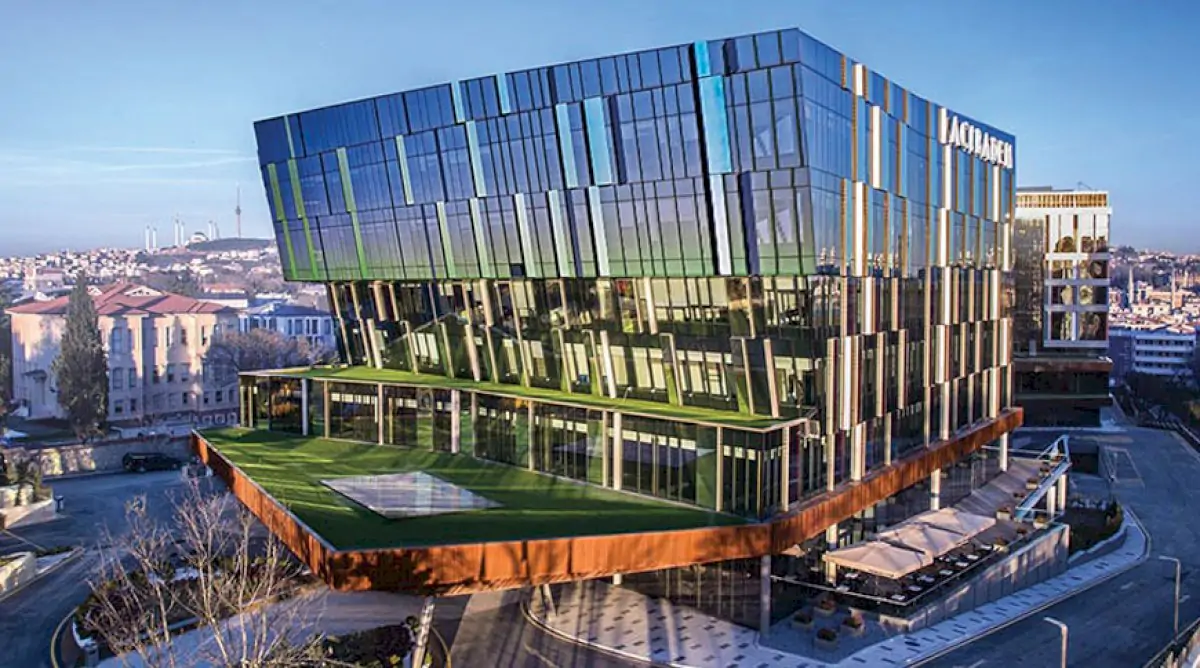
1. International Medical Center Acibadem
International Medical Center Acibadem is a network of 22 university hospitals and specialized oncology centers that treat tens of thousands of international patients every year. It combines strong multidisciplinary teams (oncologists, radiologists, surgeons, geneticists, transplant specialists) and a full cycle of care — from precise diagnostics to rehabilitation and follow-up. In oncology, Acibadem focuses on personalized treatment and high technology. Programs are developed based on PET-CT, 3-Tesla MRI, spectral CT, intraoperative navigation, and molecular tumor profiling. For complex cases, rare options are available, including CAR-/CAT-T cell therapy, high-precision radiosurgery, and bone marrow transplantation with access to international donor banks.
Acibadem Oncology Capabilities:
- MR-LINAC / SBRT for precise MRI-guided radiation therapy
- Gamma Knife and CyberKnife for non-surgical treatment of brain and head tumors
- Da Vinci robotic surgery for urology, gynecology, and colorectal oncology
- Multidisciplinary tumor boards and individualized therapy plans

2. Medicana International Istanbul
Medicana International in Istanbul is one of the leading private hospitals in Turkey, frequently visited by patients with oncological diagnoses. It offers a full range of services — from molecular diagnostics and genetic panels to combined treatment involving oncologists, surgeons, radiologists, and transplant specialists. The clinic follows international NCCN and ESMO protocols, and in complex cases, doctors hold multidisciplinary consultations that include input from international colleagues.
Medicana Oncology Capabilities:
- IMRT and 3D-CRT radiotherapy using LINAC systems
- Chemotherapy according to international protocols
- Immunotherapy and targeted treatment with molecular verification
- Robotic and laparoscopic oncologic surgery

3. Medical Park Clinic
Medical Park Clinic is one of the largest private healthcare networks in Turkey, with oncology centers in Istanbul, Antalya, Izmir, and other cities. It treats a wide range of tumors in both adults and children, using advanced diagnostic and therapeutic methods, as well as offering bone marrow transplantation and high-precision radiotherapy. Treatment follows international protocols and involves a multidisciplinary team.
Medical Park Oncology Capabilities:
- Radiation therapy (IMRT, RapidArc, stereotactic radiosurgery)
- Chemo-, targeted, and immunotherapy
- Surgical tumor treatment using laparoscopy and Da Vinci robotic systems
- Pediatric oncology with access to innovative protocols and multidisciplinary team support
Recommended doctors
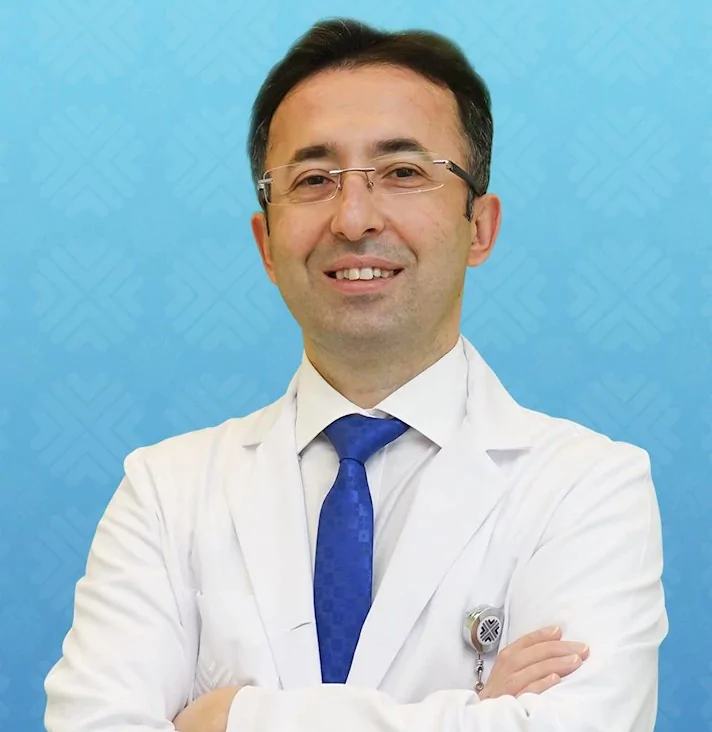
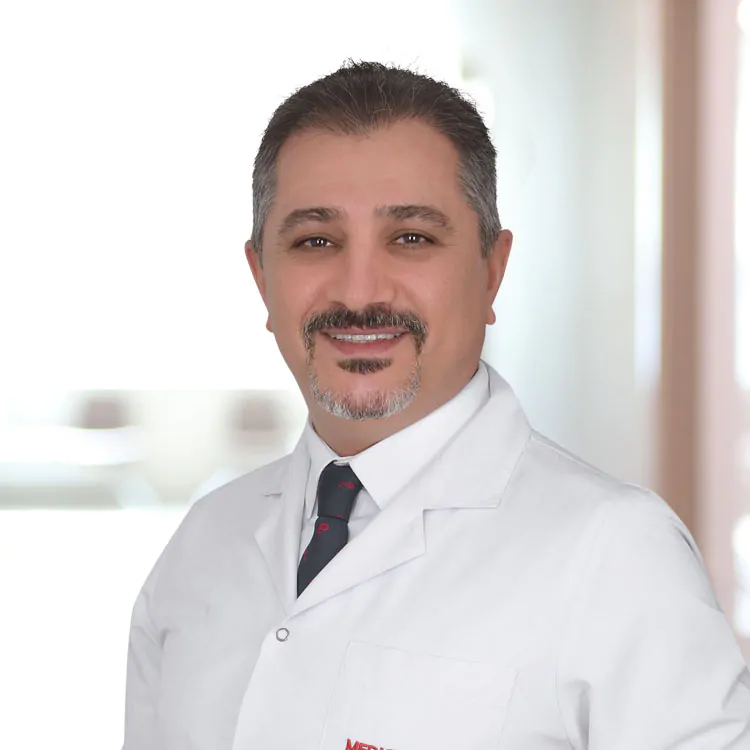

This list of specialists is based on the practical experience of patients who sought treatment through Experts Medical. We take into account not only the doctors’ qualifications and years of practice but also real treatment outcomes, patient feedback, and the effectiveness of specific methods. This approach helps identify doctors who can be trusted with the most complex cases.
How long does stomach cancer treatment take in Turkey?
The duration of treatment depends on the diagnosis, disease stage, and chosen therapy strategy. Doctors always provide patients with a clear timeline so that travel, accommodation, and recovery can be properly organized. Below are the approximate timeframes for the key stages:
Diagnosis
It usually takes about 5 days. It includes laboratory tests, consultations with specialized doctors, MRI, CT, and other imaging studies. After collecting all the data, a multidisciplinary board meeting is held to create an individual treatment plan.
Chemotherapy
One course lasts about a month. After each cycle, the treating doctor examines the patient, and if the condition remains stable, a temporary return home may be possible. In this case, therapy continues locally, and follow-up test results are sent for remote evaluation. On average, an in-person check-up in Turkey is done once every 3 months.
Radiation Therapy
Most often, 30 daily sessions are prescribed (without breaks). The full course takes about one month. During this period, the patient stays near the clinic, and the treatment is carried out on an outpatient basis.
Genetic Tests and Selection of Targeted Therapy
The analysis of biomaterial takes about 14 days. While doctors wait for the results, supportive treatment may be prescribed. After that, a precise treatment plan is developed based on the tumor’s molecular profile.
Surgical Treatment
If only surgery is required without additional therapy, hospitalization lasts about 7–10 days, which includes preparation, the operation itself, and the early recovery phase.
Thus, the duration may vary: from 1 week (if only surgery is needed) to several months (in case of a combined approach). But the main advantage is that the patient always receives a clear treatment plan with a step-by-step schedule, which helps in both physical and psychological preparation for the process.
How to choose a clinic and doctor
- Experts Medical Experience
During this time, we have arranged treatment for more than 12,000 patients. We know which clinics truly have strong oncology surgery departments, where the best equipment is available, and where doctors show consistent results — as well as where there is more advertising than real medical practice.
- Trusted clinics and doctors
We recommend only those specialists we have been working with for years.
We base our choices on actual treatment results, not on attractive promises.
We look at real patient stories and survival statistics.
- Individual selection
Each oncology case is unique, so we select:
a clinic depending on the treatment focus (surgery, radiotherapy, targeted therapy, etc.),
a doctor based on the tumor profile and the specialist’s experience.
For example, in stomach cancer, it is better to trust a surgical center, while for lymphomas — a clinic with strong hematology and bone marrow transplantation expertise.
- Why it’s important to trust the choice to experts
It’s difficult for a patient to independently assess the real capabilities of a doctor or clinic. We, however, see the full picture thanks to hundreds of patient stories and continuous feedback. This helps avoid risks and guide a person to the place where they truly have a chance for the best outcome.
Conclusion
Treatment of stomach cancer in Turkey combines access to advanced technology, the expertise of skilled oncologic surgeons, and a well-structured patient care system. All treatment options are available here — from fast diagnostics and minimally invasive surgery to targeted and immunotherapy — while the overall cost remains lower than in most European countries.
It’s also important that international patients don’t have to go through the process alone. At Experts Medical, we help choose the right clinic, coordinate the treatment plan, and arrange travel and support.
If you already have a diagnosis and are looking for a clear and reliable plan of action, Turkey remains one of the most balanced options in terms of quality and cost.
Frequently Asked Questions
1. Are NCCN, ESMO, or Japanese guidelines used in Turkey for stomach cancer treatment?
Yes, in most specialized oncology centers in Turkey, treatment is based on international NCCN and ESMO protocols. In certain cases, especially with early-stage stomach cancer, doctors may also refer to Japanese guidelines for organ-preserving surgery or D2 lymph node dissection.
2. Is it possible to have a laparoscopic gastrectomy with stomach function preservation?
Yes, leading Turkish clinics perform laparoscopic and robotic subtotal gastrectomies, including function-preserving procedures. The indications are evaluated on a case-by-case basis after a multidisciplinary consultation.
3. Is HIPEC performed in Turkey for peritoneal carcinomatosis in stomach cancer?
Yes, HIPEC (hyperthermic intraperitoneal chemotherapy) is available in several oncology surgery centers, including university hospitals and private clinics with oncology surgery departments. The method is used in selected cases of peritoneal metastasis.
4. Can molecular tumor profiling (NGS or FoundationOne) be done in Turkey?
Yes, major clinics collaborate with international laboratories or have their own NGS platforms. The waiting time for results is around 10–14 days. Based on the test findings, a personalized targeted or immunotherapy plan is developed.
5. What if the patient has already undergone treatment and is facing a recurrence?
Turkish doctors readily take on retreatment cases, including local recurrence or metastases. Recent CT/PET-CT scans and histology are required. A repeat biopsy is often recommended to refine the molecular profile.