




 Top Hospitals
 Price Guide
 Leading Doctors
 Experts Medical
 Treatment Duration
- At the clinic's price without markups
- with full doctor support
Getting diagnosed with rectal cancer is hard enough. Figuring out where and how to get the right treatment shouldn’t add more stress. That’s why more people are turning to India for care that’s not just affordable, but genuinely advanced. We're talking about robotic surgeries, internationally trained specialists, and care plans that follow global standards, all without the long wait times or sky-high bills. In fact, studies show that patients with early-stage rectal cancer in India can achieve 5-year survival rates of 80%–90%, which is on par with leading global centers. Whether you’ve just been diagnosed or you're exploring second opinions, this guide will walk you through what rectal cancer treatment in India really looks like. From the types of procedures available to the doctors and hospitals leading the charge, here's what to expect and how to get started.
What Survival Rates Look Like for Rectal Cancer Patients in India
Outcomes for rectal cancer in India today compare favorably with international standards, especially when the disease is detected early. Studies from the National Cancer Registry Programme (ICMR-NCRP, 2020) and large Indian cancer centers show that the 5-year survival rate for localized rectal cancer (Stage I-II) is between 80% and 90%. This mirrors global averages reported by the American Cancer Society (2023), where Stage I rectal cancer survival is around 90%.
When the cancer has spread to nearby lymph nodes (Stage III), survival rates in India typically fall to 60%–70%, depending on tumor biology and the success of multimodal treatment (surgery plus chemoradiation). For advanced or metastatic rectal cancer (Stage IV), survival is lower, averaging 10%–15%, though newer therapies like targeted drugs and immunotherapy are extending life expectancy in selected patients (NCCN Guidelines, 2023; Tata Memorial Hospital data, 2021).
Key Data at a Glance
- Stage I rectal cancer: 5-year survival 85%–90% (ICMR, 2020; ACS, 2023)
- Stage II rectal cancer: 5-year survival 70%–80%
- Stage III rectal cancer: 5-year survival 60%–70% (with surgery + chemoradiation)
- Stage IV rectal cancer: 5-year survival 10%–15% (higher in selected patients with targeted therapy)
What’s particularly encouraging is that hospitals in India are increasingly using robotic surgery, advanced radiotherapy (IMRT, IGRT, VMAT), and precision medicine approaches. This is improving not only survival but also quality of life, with more patients able to avoid permanent colostomies and maintain normal bowel function.
What You Can Expect to Pay for Rectal Cancer Care in India
- Surgery: Procedures such as low anterior resection (LAR) or abdominoperineal resection (APR) typically range from 3,000 to 6,500 USD in India. Robotic-assisted surgeries may be at the higher end of this range.
- Chemotherapy: A full course usually costs between 3,500 and 7,500 USD, depending on the drug protocol (single-agent vs combinations like FOLFOX or CAPOX).
- Radiation therapy: Modern techniques like IMRT or VMAT generally cost 3,000 to 5,500 USD for a full cycle, while highly specialized radiosurgery options such as CyberKnife can reach 2,000 to 3,000 USD per session.
- Targeted therapy and immunotherapy: Prices vary widely, but on average fall in the 1,000 to 3,000 USD per cycle range, depending on the drug.
- Diagnostics: Key investigations such as a PET-CT scan cost around 400–600 USD, while a tumor biopsy can be done for 200–800 USD.
One of the questions patients often ask is how much rectal cancer treatment in India really costs. The answer depends on the type of treatment, the stage of the disease, and whether advanced technologies like robotic surgery or targeted therapies are needed. Compared to countries like Turkey or Germany, India’s prices are usually 25–50% lower while still maintaining international standards of care.
Overall, a complete treatment plan for rectal cancer in India may range anywhere from 8,000 to 20,000 USD, depending on stage and complexity. This is significantly lower than Western Europe or North America, where similar care often exceeds 50,000 USD.

At Experts Medical, we know that navigating cancer treatment abroad can feel overwhelming, especially when you’re already dealing with a diagnosis. Since 2016, we’ve been helping patients from all over the world find the right doctors, in the right clinics, with the right treatment plan. And we stay with you through every step of the process.
Here’s something important: you don’t pay for our services. As official representatives of more than 100 foreign clinics, we’re able to provide full support without adding any extra costs. You make all payments directly at the clinic upon arrival, just like any local patient would. In some cases, we can even secure special terms.
Why Patients Choose Experts Medical
We provide second opinions and a clear treatment plan that shows what’s included, what it costs, and how risks are minimized.
We’re in direct contact with your doctor, if there’s ever a delay or concern, we step in right away.
Our support team is available 24/7, so your questions never go unanswered.
We’ve spent over 10 years vetting top oncologists and tracking their success rates to make sure you’re matched with the right specialist.
We act as your advocate throughout treatment, ensuring that everything agreed upon is delivered.
All payments are transparent – no advance fees, no hidden costs, no commissions.
We continuously follow up with patients, keep outcome statistics, and use that knowledge to guide future patients toward the best options.
At the end of the day, our role is simple – we’re on your side. We take responsibility for the details, so you can focus on your health and recovery.
Top Hospitals in India for Rectal Cancer Treatment
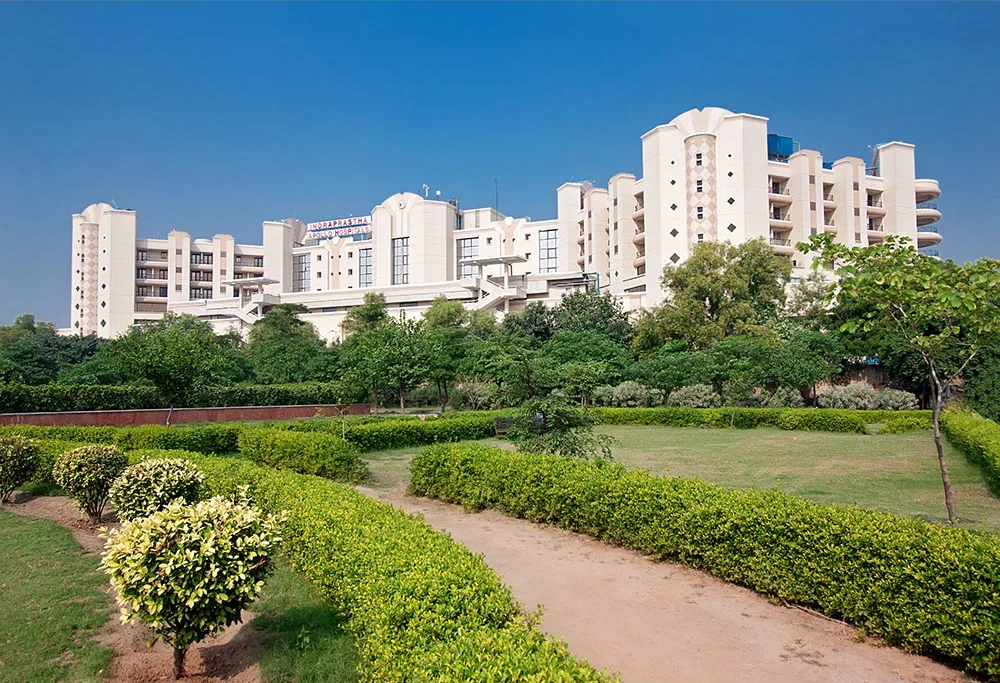
1. Apollo: Precision Care That Feels Personal

Apollo is one of India’s most recognized cancer centers, offering comprehensive care for patients with rectal cancer. The hospital’s colorectal surgery program is among the first in the country, performing more than 1,200 procedures each year, many of them using minimally invasive or robotic techniques. Surgeons here specialize in procedures such as low anterior resection (LAR), abdominoperineal resection (APR), and sphincter-preserving approaches, giving patients better chances of maintaining normal bowel function while achieving complete tumor removal.
Patients also benefit from Apollo’s strong oncology team, which works within a multidisciplinary tumor board to design individualized treatment plans. Advanced technologies like PET-CT, MRI, Da Vinci robotic surgery, CyberKnife, and Novalis radiation therapy are used to ensure precision at every stage of care. Combined with access to targeted therapy and immunotherapy options, Apollo Indraprastha provides treatment that aligns with international protocols, while keeping costs more affordable than in Western centers.
What Apollo Offers for Diagnosing Rectal Cancer:
- High-resolution colonoscopy to spot and remove tricky polyps
- Genetic testing to identify inherited cancer risks
- PET-CT scans for clear staging and surgical planning
- Blood-based biomarker tests to monitor cancer without invasive procedures
- Fast-track biopsy and pathology from an experienced diagnostics team
How They Treat It:
- Robotic and laparoscopic surgeries like LAR and ISR that aim to preserve function
- Chemotherapy plans customized through detailed genomic analysis
- Precision radiation using advanced systems like IMRT, IGRT, and VMAT
- Pharmacogenomic testing to find the right drug at the right dose
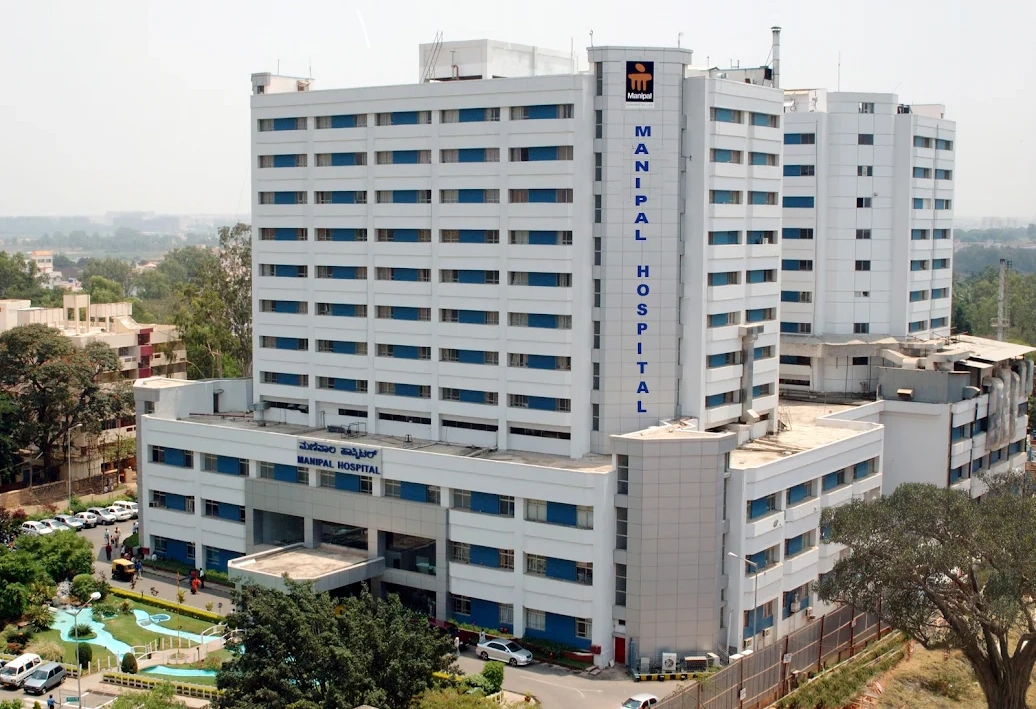
2. Manipal Hospital: Collaborative, Technology-Driven Rectal Cancer Care

Manipal Hospital treats rectal cancer through a coordinated tumor board where surgical, medical, and radiation oncologists review each case together. Surgeons perform LAR, APR, and sphincter-preserving ISR with laparoscopic or robotic assistance when suitable to reduce pain, complications, and hospital stay. High-resolution MRI and PET-CT guide staging and surgical planning, while on-site labs and pathology speed up decisions.
For locally advanced disease, Manipal commonly uses neoadjuvant chemoradiation to shrink tumors and improve chances of function-preserving surgery. Patients have access to precision radiation techniques like IMRT, IGRT, and VMAT, plus systemic regimens such as FOLFOX or CAPOX.
What Manipal Offers for Diagnosing Rectal Cancer:
- Access to advanced imaging like PET-CT, MRI, and high-resolution CT
- Core needle biopsy and molecular testing for detailed cancer profiling
- Multidisciplinary Tumour Board reviews to finalize treatment approach
- Genetic screening for inherited risk factors
- On-site labs for quick biopsy results and treatment adjustments
How They Treat It:
- Robotic and laparoscopic colorectal surgeries, including ISR and LAR
- IMRT, IGRT, VMAT, and 3D-CRT for precise radiation therapy
- Intracavitary and interstitial chemo for targeted delivery
- Personalized chemotherapy plans, including day-care and home options

3. Fortis Healthcare: A Thoughtful, Team-Based Approach to Rectal Cancer Care

Fortis Healthcare manages rectal cancer through its Fortis Cancer Institute network, bringing colorectal surgeons, medical oncologists, radiation oncologists, radiologists, and pathologists into one plan. Surgeons are experienced in complex GI procedures including LAR, APR, and resection with total mesorectal excision, using minimally invasive or robotic techniques to preserve continence whenever possible.
Radiation programs at Fortis include IMRT, IGRT, VMAT, and centers equipped with MR LINAC for adaptive precision. Systemic therapy spans standard chemotherapy, targeted agents, and immunotherapy when indicated by tumor profiling. Fortis emphasizes perioperative critical care, pain control, and long-term follow-up, aiming for lower complication rates, faster recovery, and strong functional outcomes after surgery.
What Fortis Offers for Diagnosing Rectal Cancer:
- In-house labs for pathology, staging, and genetic testing
- Full access to diagnostic tools like PET-CT, colonoscopy, and MRI
- Multispecialty Tumour Board input for every complex case
- Genetic counseling and screening for inherited GI cancers
- Next-gen sequencing to guide targeted treatment
How They Treat It:
- Robotic and minimally invasive surgeries like LAR and APR
- Precision radiation therapies including IGRT, VMAT, IMRT, and MR LINAC
- Custom chemotherapy and immunotherapy regimens
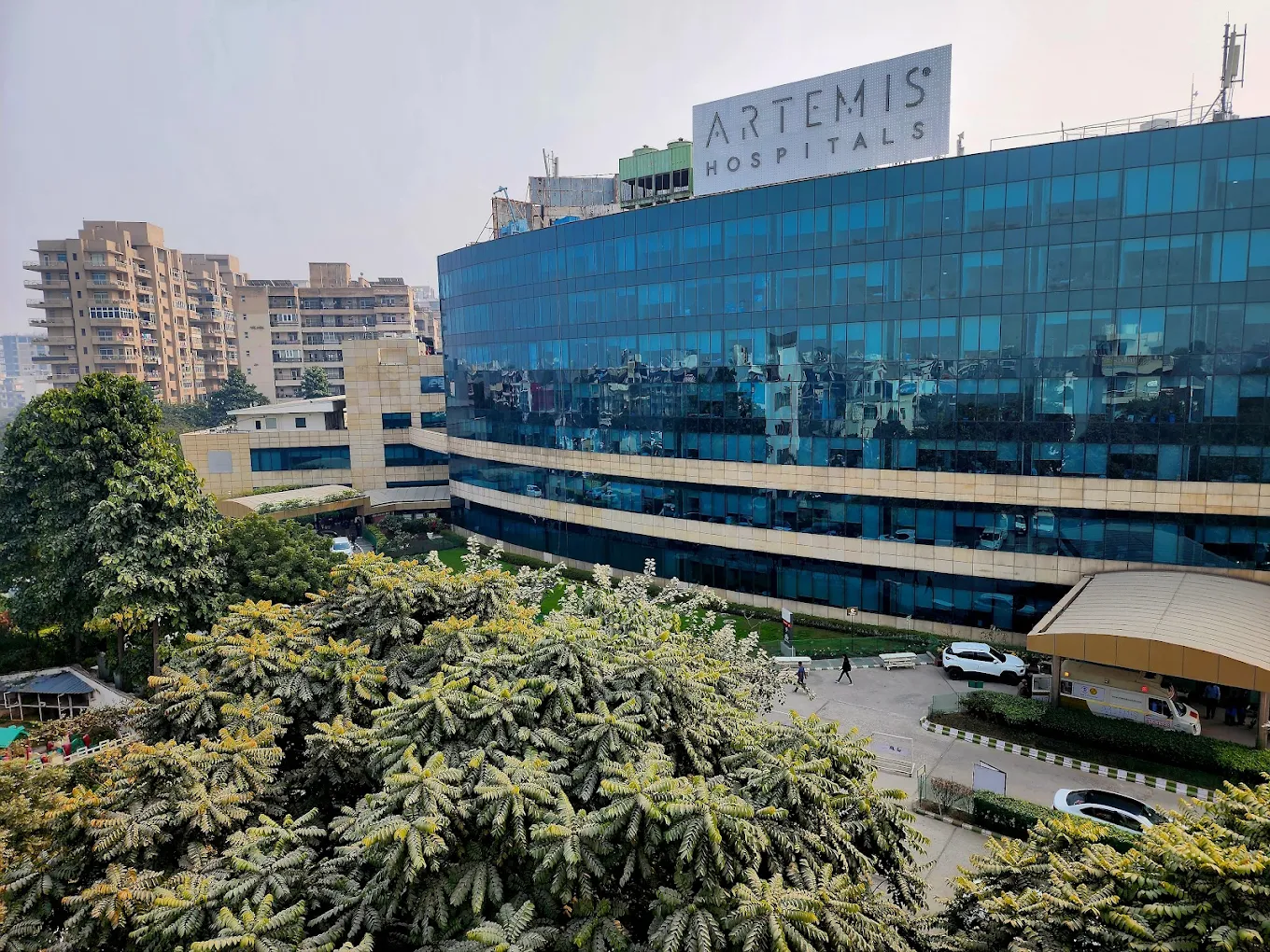
4. Artemis Hospital: Personalized, Tech-Driven Rectal Cancer Care in Gurgaon

Artemis Hospital builds individualized rectal cancer plans using detailed imaging, pathology, and molecular testing to define the best sequence of therapy. The colorectal team performs minimally invasive and robotic surgeries such as LAR and ISR, aiming to avoid permanent stomas when it is oncologically safe. Rapid-turnaround pathology and tumor board discussions help fine-tune the approach in real time.
When preoperative treatment is needed, Artemis combines concurrent chemoradiation with precision delivery using IMRT or IGRT to limit toxicity. Medical oncology tailors regimens to tumor biology, including targeted therapy where markers support benefit.
What Artemis Offers for Diagnosing Rectal Cancer:
- Access to PET-CT, MRI, colonoscopy, and molecular diagnostics
- Genetic testing and profiling to guide treatment decisions
- Tumour Board evaluations with input from multiple specialists
- Screening for hereditary colorectal cancers
- Histopathology labs with quick turnaround
How They Treat It:
- Robotic-assisted and minimally invasive GI surgeries
- Advanced radiation options like IGRT, IMRT, and Brachytherapy
- Chemotherapy, immunotherapy, and targeted therapy tailored to the tumor
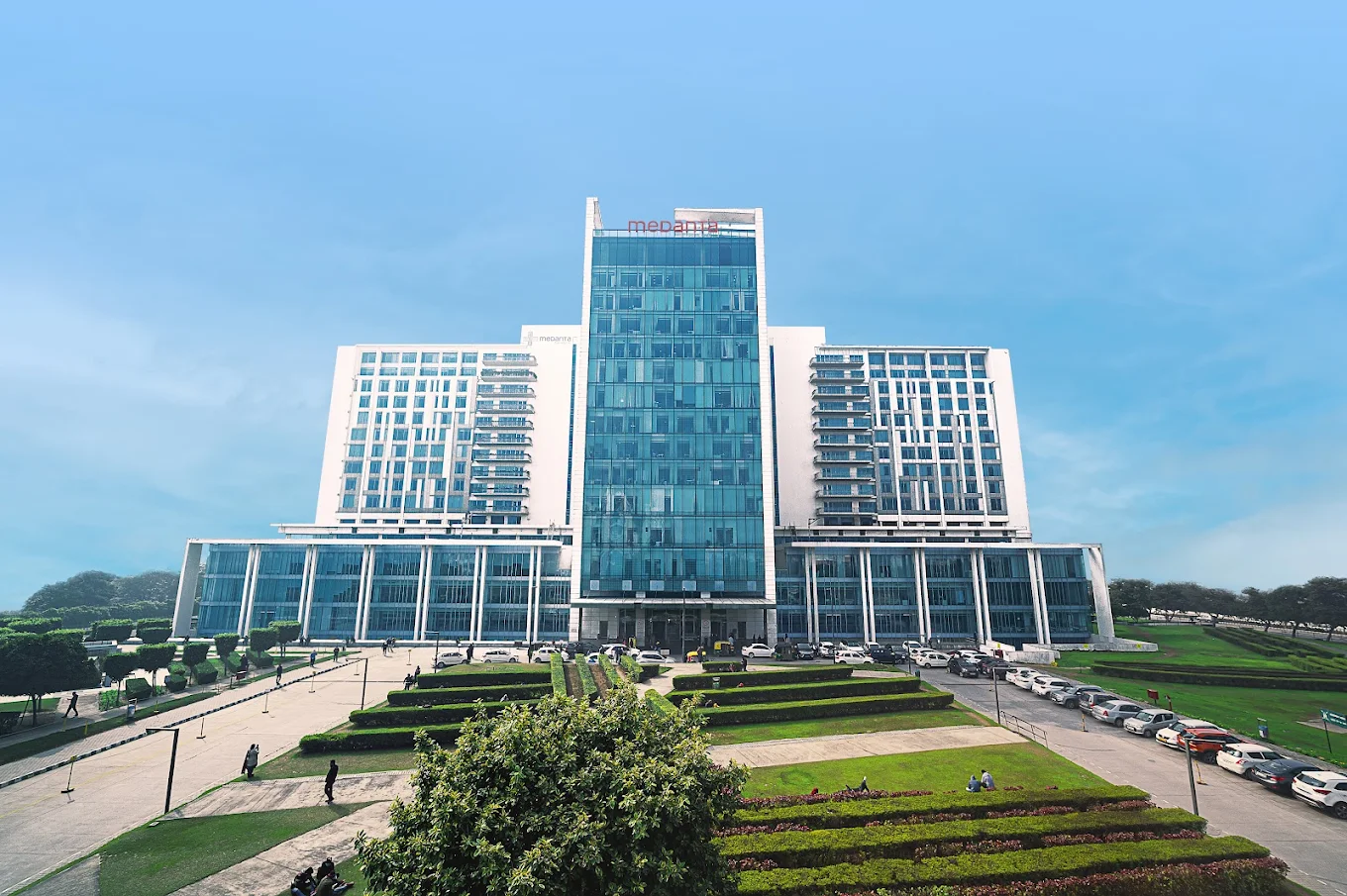
5. Medanta Hospital: Where Surgical Skill Meets Thoughtful, Personalized Cancer Care

Medanta treats rectal cancer with a comprehensive team that includes colorectal surgeons, medical oncologists, radiation oncologists, and specialized radiology and pathology. Surgeons perform laparoscopic and robotic LAR and APR with meticulous total mesorectal excision, and they manage complex or recurrent cases that may require multivisceral resection. Imaging with pelvic MRI and PET-CT supports accurate staging and margin planning.
For locally advanced or node-positive disease, Medanta integrates neoadjuvant chemoradiation using IMRT or VMAT to downstage tumors and improve sphincter preservation. Systemic therapy is protocol-driven and can include targeted or immunotherapy in selected patients.
What Medanta Offers for Diagnosing Rectal Cancer:
- Advanced imaging: PET-CT, MRI, CT scans, and colonoscopy
- In-house labs for pathology, tumor markers, and genetic profiling
- Tumour Board consultations with input from multiple disciplines
- Screening and counseling for inherited or high-risk cancers
- Molecular diagnostics and next-gen sequencing to fine-tune therapy
How They Treat It:
- Minimally invasive and robotic-assisted surgeries (LAR, APR)
- HIPEC for advanced or recurrent cancer cases
- Targeted radiation therapies like IGRT, VMAT, and IMRT
- Chemo and immunotherapy plans based on tumor biology
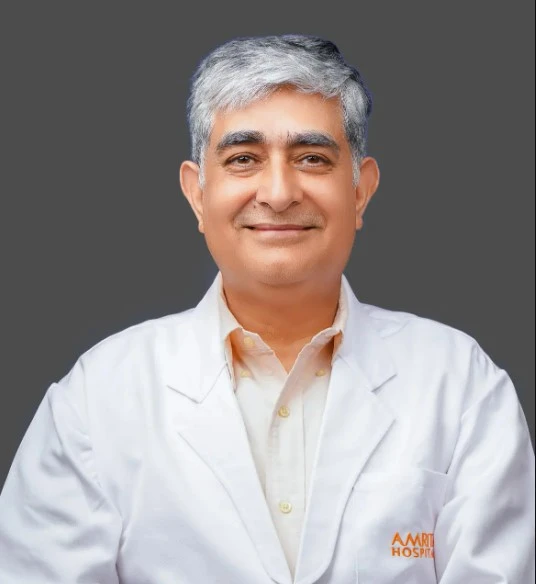
Leading Doctors for Rectal Cancer in India

How Long Does Rectal Cancer Treatment Take?
Diagnostics
- Average duration: about 5 days
- Includes lab tests, specialist consultations, and imaging such as MRI or CT scans.
- After results are ready, a multidisciplinary tumor board meets to decide the best treatment strategy.
Chemotherapy
- One cycle usually lasts around 1 month.
- After each cycle, the patient is monitored by the oncologist.
- If stable, many patients can return home with medication and continue therapy according to the prescribed plan.
- Follow-up checkups are done every 3 months, either by sending test results to the doctor or by visiting the hospital in person.
Radiation Therapy
- Typically consists of 30 daily sessions without breaks, lasting about 1 month in total.
Genetic Testing for Targeted Therapy
- Tests take about 2 weeks to process.
- Once results are ready, the doctor selects a personalized treatment approach.
- To avoid losing time, patients are usually given supportive therapy while waiting for the test results.
Surgical Treatment
- If surgery alone is required, the stay in India is usually 7–10 days.
- This covers preoperative preparation, the surgery itself, and the early recovery period.
The duration of treatment depends on the type of therapy and the individual diagnosis.
What You Can Expect to Pay for Rectal Cancer Care in India
- Surgery: Procedures such as low anterior resection (LAR) or abdominoperineal resection (APR) typically range from 3,000 to 6,500 USD in India. Robotic-assisted surgeries may be at the higher end of this range.
- Chemotherapy: A full course usually costs between 3,500 and 7,500 USD, depending on the drug protocol (single-agent vs combinations like FOLFOX or CAPOX).
- Radiation therapy: Modern techniques like IMRT or VMAT generally cost 3,000 to 5,500 USD for a full cycle, while highly specialized radiosurgery options such as CyberKnife can reach 2,000 to 3,000 USD per session.
- Targeted therapy and immunotherapy: Prices vary widely, but on average fall in the 1,000 to 3,000 USD per cycle range, depending on the drug.
- Diagnostics: Key investigations such as a PET-CT scan cost around 400–600 USD, while a tumor biopsy can be done for 200–800 USD.
Final Thoughts: What You Should Take Away
India is no longer just an affordable option for rectal cancer treatment. It’s a serious contender in terms of quality, innovation, and patient-first care. With highly skilled oncologists, robotic surgical techniques, and a track record of successful outcomes, patients are flying in not just to save money, but to receive some of the best care available anywhere.
Whether you're coming for surgery, looking to avoid a colostomy, or need comprehensive cancer management, India offers options worth exploring.
Frequently Asked Questions (FAQ)
Can rectal cancer patients in India undergo sphincter-preserving surgery even with low tumors?
Yes. Techniques such as intersphincteric resection (ISR) and transanal total mesorectal excision (TaTME) are performed at top hospitals. These procedures are designed to avoid a permanent colostomy in carefully selected patients with low rectal tumors, provided oncological margins can be maintained.
How do Indian hospitals decide between short-course and long-course chemoradiation before surgery?
The choice depends on tumor stage, location, and patient fitness. Long-course chemoradiation (5–6 weeks) is often used for bulky or locally advanced tumors to allow downsizing and increase the chance of sphincter preservation. Short-course radiotherapy (5 fractions) may be considered in selected Stage II–III cases where faster surgery is preferred.
Are molecular tests like RAS, BRAF, and MSI available in India for rectal cancer patients?
Yes. Major oncology centers routinely perform molecular profiling, including KRAS/NRAS, BRAF mutation, and microsatellite instability (MSI) testing. These results guide the use of targeted therapies such as anti-EGFR drugs or immunotherapy for advanced disease.
Do Indian hospitals offer robotic rectal cancer surgery, and how does it compare with laparoscopy?
Yes. Leading centers use Da Vinci robotic systems for rectal cancer resections. Robotics improves visualization and dexterity in the narrow pelvic space, especially for low rectal tumors, and has shown lower conversion rates compared to laparoscopy while maintaining equivalent oncological outcomes.
Can Experts Medical arrange a second opinion before I travel to India?
Yes. You can send us your medical records, and these will be reviewed by oncology specialists in India. Within a short time, you receive a treatment plan, cost estimate, and risk assessment so you can decide with confidence before committing to the trip.