




 Top Hospitals
 Treatment Options and Costs
 Leading Specialists
 Experts Medical
 Success of Treatment
- At the clinic’s price without markups
- with full doctor support
Facing an ovarian cancer diagnosis is overwhelming, no matter where you are. For many, it sparks a wave of research, questions, and tough decisions. One option that keeps coming up for international patients is India. Not just because the costs are lower, but because the care is comprehensive, the doctors are highly experienced, and the technology is world-class. Survival rates tell the story too: in early-stage ovarian cancer treated at leading Indian centers, 5-year survival can reach around 90 percent, while even advanced cases see steadily improving outcomes when surgery and chemo are combined. In this article, we’ll walk through what ovarian cancer treatment in India actually involves, how hospitals approach care, and what you can expect if you decide to seek treatment there. No fluff, just straight answers and real insights to help you make informed choices.
How Successful Is Ovarian Cancer Treatment in India?
When it comes to ovarian cancer, the outcome really depends on two things: how early it’s caught and whether surgeons are able to remove all visible disease. That’s true everywhere, and India is no exception.
The numbers show a mixed picture. On the big scale, across studies in Asia, India’s overall 5-year survival rate sits at around 36 percent. That’s on the lower side compared to some countries, mostly because many women here are diagnosed late, when the disease is already advanced (BMC Cancer, 2023).
But if you zoom in on large Indian cancer centers, you see a different story. For women diagnosed at an early stage (stage I or II), the 5-year survival can be as high as 90 percent. Once the disease has spread (stage III or IV), survival drops to around 50 percent, still better if doctors can achieve what’s called “optimal cytoreduction,” basically leaving no visible tumor behind. In fact, one study showed survival of 72 percent when surgeons cleared everything they could see, compared to just 31 percent if more than a centimeter of cancer was left (Indian Journal of Cancer, 2023).
Other centers report similar patterns. For example, a North India study found median survival times of about 72 months for stage I, 60 months for stage II, 30 months for stage III, and 20 months for stage IV (Journal of Global Oncology, 2022). Tata Memorial Hospital in Mumbai, one of the largest cancer hospitals in the country, reported a median survival of about 35 months for advanced ovarian cancer patients treated with chemo and surgery, and they were able to completely remove tumors in more than 80 percent of cases (Indian Journal of Cancer, 2018).
Long-term follow-ups from South India also show that about 37 percent of women were alive at 5 years, dropping to 23 percent at 7 years and 18 percent at 10 years. Again, the best results were seen in women whose cancer could be completely removed and who stayed cancer-free for at least 20 months after treatment (Indian Journal of Cancer, 2021).
There are also some interesting newer approaches coming out of places like AIIMS Delhi. For carefully chosen advanced cases, adding systematic lymph node removal pushed the 5-year survival close to 49 percent. It’s still an evolving technique, but it shows how much surgical strategy can change outcomes.
What Does This Mean for Patients
If the cancer is caught early and surgeons can get all of it out, the chances of long-term survival in India are really encouraging. Even in advanced cases, survival has been improving, especially at top centers where modern chemo, surgery, and newer options are available.
Treatment Options and Costs in India
1. Surgery
Surgery plays a central role in ovarian cancer treatment. The goal is to remove as much of the tumor as possible - what doctors call debulking.
Depending on the stage and type, surgery may include:
- Removal of one ovary (for early-stage cancer)
- Removal of both ovaries and fallopian tubes
- Hysterectomy (removal of uterus)
- Omentectomy (removal of fatty abdominal tissue)
- Lymph node dissection
Minimally invasive approaches like laparoscopy or robotic-assisted surgery (such as the da Vinci system at Apollo Hospitals) are also available.
Surgery costs in India typically range between 5,000 and 12,000 USD, depending on the complexity of the operation. Standard procedures like a hysterectomy or oophorectomy may be at the lower end, while full debulking or robotic-assisted procedures are at the higher end. Most patients stay in the hospital for 7 to 10 days, with preoperative work-up taking around 3 to 5 days.
2. Chemotherapy
After surgery, chemotherapy is often used to destroy any remaining cancer cells. It usually involves:
- Intravenous chemotherapy (IV)
- Oral medications (in select cases)
- Intraperitoneal chemo (directly into the abdomen - in advanced cases)
Common drugs include paclitaxel and carboplatin, with regimens tailored to each patient.
Chemotherapy costs in India usually range from 6,600 to 14,300 USD for a full course. One cycle may cost from 500 USD upwards depending on the medication. Patients typically undergo 4 to 6 cycles spread across 3 to 6 months, with each cycle given every 2 to 3 weeks. A short hospital stay (1 to 3 days per cycle) is often required for IV administration, while oral chemo may be managed on an outpatient basis.
This makes chemotherapy a medium-term treatment strategy, frequently combined with surgery, radiotherapy, or targeted therapy depending on the stage and pathology.
3. Targeted Therapy
Newer drugs target cancer more precisely, often with fewer side effects than traditional chemo.
- Bevacizumab (Avastin): Blocks blood supply to tumors
- PARP inhibitors (like Olaparib): Especially useful for BRCA-mutated cases
- Hormone therapy: Used in slow-growing types to block estrogen
4. Immunotherapy
Still considered experimental in ovarian cancer, immunotherapy works by helping the body’s own immune system fight the disease. It’s usually used in advanced, treatment-resistant cases.
Immunotherapy costs in India generally range from 1,000 to 2,600 USD per cycle. A full course can involve several cycles spread over a few months, depending on the response and the specific drug used (such as checkpoint inhibitors like pembrolizumab or nivolumab). Patients are usually monitored closely during treatment, often requiring hospital visits every 2 to 3 weeks.
5. Fertility-Sparing Options
For young patients who want children, fertility-preserving surgery may be possible. One ovary and the uterus are left intact, depending on cancer type and stage.

We started Experts Medical because too many people were being left to figure out life-changing medical decisions on their own. Since 2016, our focus has been helping patients get the right treatment in the right place, without the usual overwhelm that comes with traveling for care. You’re already dealing with enough, so we take the weight off: organizing records, finding top specialists, sorting out travel and translation, whatever it takes to make things easier when everything feels hard.
Our service is completely free to patients. There’s no markup, no surprise charges. You pay the clinic or doctor directly, not us. Behind the scenes, we’re constantly reviewing outcomes, credentials, and patient feedback so we can give you options that actually make sense for your situation. And once treatment starts, we don’t disappear. If you need help mid-journey, we’re on it: flights, schedules, paperwork, you name it.
Here’s what that looks like in practice:
All services are free for patients, with direct payments to the clinic and no extra costs.
We handle everything: records, travel, accommodation, translation, and treatment coordination.
Each treatment program is personally reviewed by a doctor to avoid unnecessary procedures.
We provide second opinions and clear treatment plans with costs and inclusions upfront.
Our network is built on 10+ years of vetting top doctors and tracking real outcomes.
We act as your advocate if something goes wrong and stay available 24/7 for support.
Most clinics don’t require advance payment, making the process easier to manage.
We follow up after treatment, gather feedback, and use it to guide future patients.
For us, this work is personal. We remember the people behind every file: the young woman who flew to India for a second opinion, the family who found hope after months of dead ends. These aren’t just cases, they’re stories we carry with us. That’s why we care about getting it right, not just medically but emotionally too. Because in the middle of all the decisions, you deserve someone in your corner who’s already been down this road.
Leading Hospitals for Lung Cancer Treatment in India

1. Medanta

At Medanta, ovarian cancer treatment is managed within the dedicated Institute of Oncology, which brings together gynecologic oncologists, surgical oncologists, radiologists, and medical oncologists under one roof. The first step for most patients is a detailed work-up with PET-CT, MRI, and histopathology, so the team can stage the cancer accurately and plan the right sequence of treatments. Surgery is central here, and Medanta’s specialists perform everything from standard hysterectomy and oophorectomy to complex debulking procedures for advanced disease. For selected cases, minimally invasive and robotic-assisted approaches with the da Vinci system are used, which can reduce recovery time while still aiming for complete tumor removal.
Chemotherapy and systemic treatments are also handled in-house. Medanta uses international protocols with drugs like paclitaxel and carboplatin, given either intravenously or intraperitoneally in advanced cases. The hospital also offers access to targeted therapy and, in select situations, immunotherapy for treatment-resistant ovarian cancer. Radiation oncology is supported by advanced systems like CyberKnife and RapidArc, which help control difficult or metastatic lesions. Importantly, care at Medanta is multidisciplinary – treatment decisions are made by a tumor board, so patients benefit from input across specialties.
Why Patients Choose Medanta for Ovarian Cancer Care
- Multispecialty Tumor Board that designs a customized treatment plan for every patient
- Robotic and laparoscopic surgery options that reduce recovery time
- Access to advanced techniques like stereotactic body radiotherapy (SBRT)
- Expertise in managing complex cases, including recurrent or late-stage ovarian cancer
Ovarian Cancer Services at Medanta Include
- Advanced imaging and diagnostics, including PET-CT and transvaginal ultrasound
- BRCA and genetic mutation screening for personalized risk assessment
- Oncofertility counseling and egg preservation for younger patients
- Minimally invasive surgery options for faster recovery and fewer complications
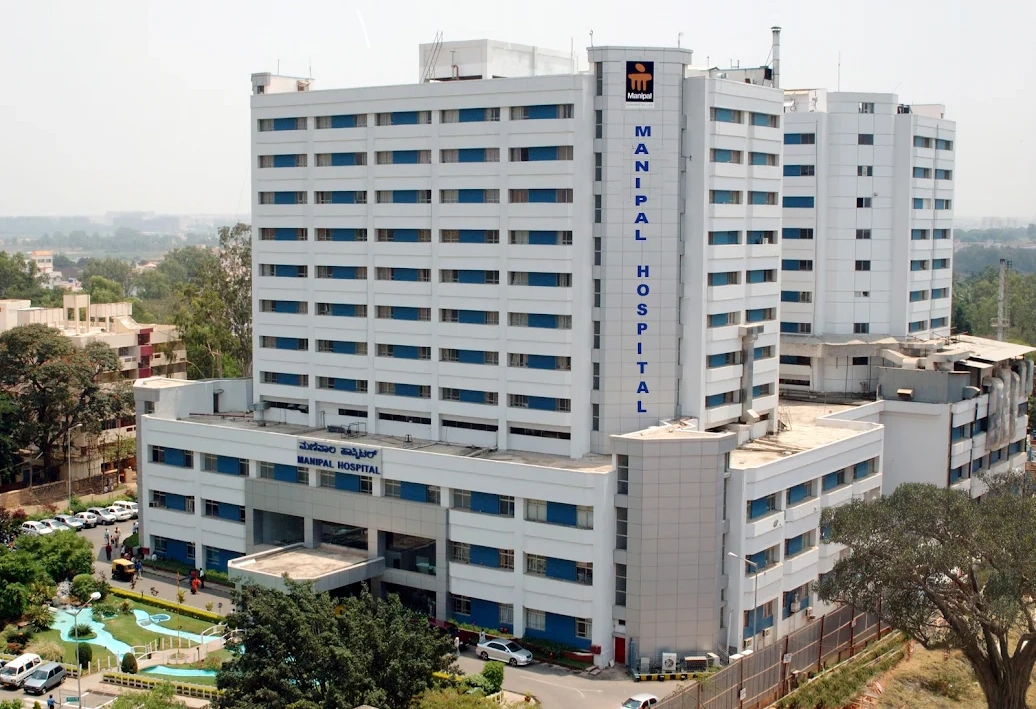
2. Manipal Hospital

Manipal Hospital in Bengaluru is part of one of India’s largest healthcare networks and has built a strong reputation for its oncology services. When it comes to ovarian cancer, the hospital takes a very structured approach that starts with accurate diagnosis. PET-CT, MRI, and advanced pathology testing are readily available, which helps doctors determine the stage and spread of the disease before recommending surgery or systemic treatments. The gynecologic oncology team works closely with specialists in radiology, pathology, and medical oncology, so patients benefit from a tumor board approach rather than a single doctor’s opinion.
Surgery for ovarian cancer at Manipal ranges from fertility-preserving procedures in younger women to full debulking operations in advanced cases. The hospital is equipped for minimally invasive and robotic-assisted surgeries, which can shorten recovery times without compromising outcomes. Chemotherapy is delivered under international protocols, often using paclitaxel and carboplatin, and the hospital also provides access to targeted drugs and clinical trial options when standard treatments aren’t enough.
Why Patients Choose Manipal Hospitals for Ovarian Cancer Care
- Teams include gynecologic oncology specialists who really know ovarian cancer
- Minimally invasive and robotic surgery options help make recovery smoother
- Every case is reviewed by a full tumor board, you get more than one opinion
Ovarian Cancer Services at Manipal Include
- Detailed diagnostic tools like PET-CT, MRI, and transvaginal ultrasound
- BRCA and genetic screening for those with a family history
- Advanced chemo protocols and targeted drugs, when they fit the case
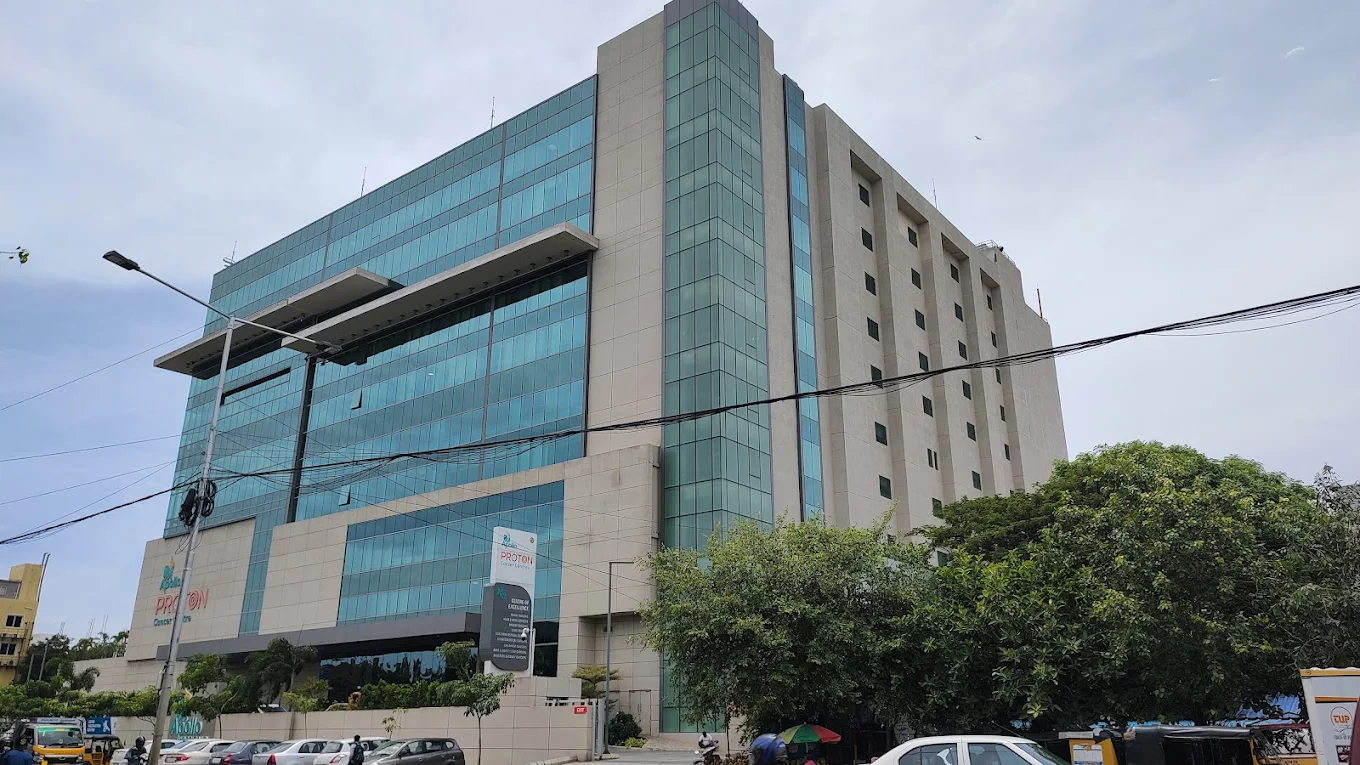
3. The Apollo Proton Cancer Centre

The Apollo Proton Cancer Centre (APCC) in Chennai stands out because it’s the first and only proton therapy facility in South Asia and the Middle East. Opened in 2019 as part of the Apollo Hospitals network, it has quickly become a hub for international patients looking for advanced radiation therapy. What makes APCC different is the use of proton beams instead of conventional radiationö this allows doctors to deliver high doses directly into the tumor while sparing healthy tissues. For ovarian cancer patients, this can be particularly helpful in cases of recurrence or when tumors are located close to sensitive organs in the pelvis.
Treatment at APCC isn’t limited to proton therapy alone. Patients also have access to the full range of oncology care: surgery, chemotherapy, targeted therapy, and supportive treatments, all guided by a multidisciplinary tumor board. The center is staffed by specialists trained in Europe and the US, and the technology includes systems like the Proteus Plus and C230 Cyclotron, which make precise, image-guided therapy possible. For women coming to India for ovarian cancer treatment, APCC offers something unique: access to proton therapy that is usually only available in the US or Europe, but at a fraction of the cost.
Why Patients Choose Apollo for Ovarian Cancer Care
- Collaborative Tumor Boards that shape every decision with multiple expert voices
- Robotic surgery options for greater precision, fewer complications, and quicker recovery
- Access to personalized treatment plans and clinical trials
Ovarian Cancer Services at Apollo Include
- Advanced diagnostics including PET-CT, MRI, and molecular testing
- Robotic and laparoscopic surgeries tailored for ovarian cancer cases
- Chemotherapy, targeted therapies, and immunotherapy when appropriate
- Genetic counseling and testing for BRCA and related mutations
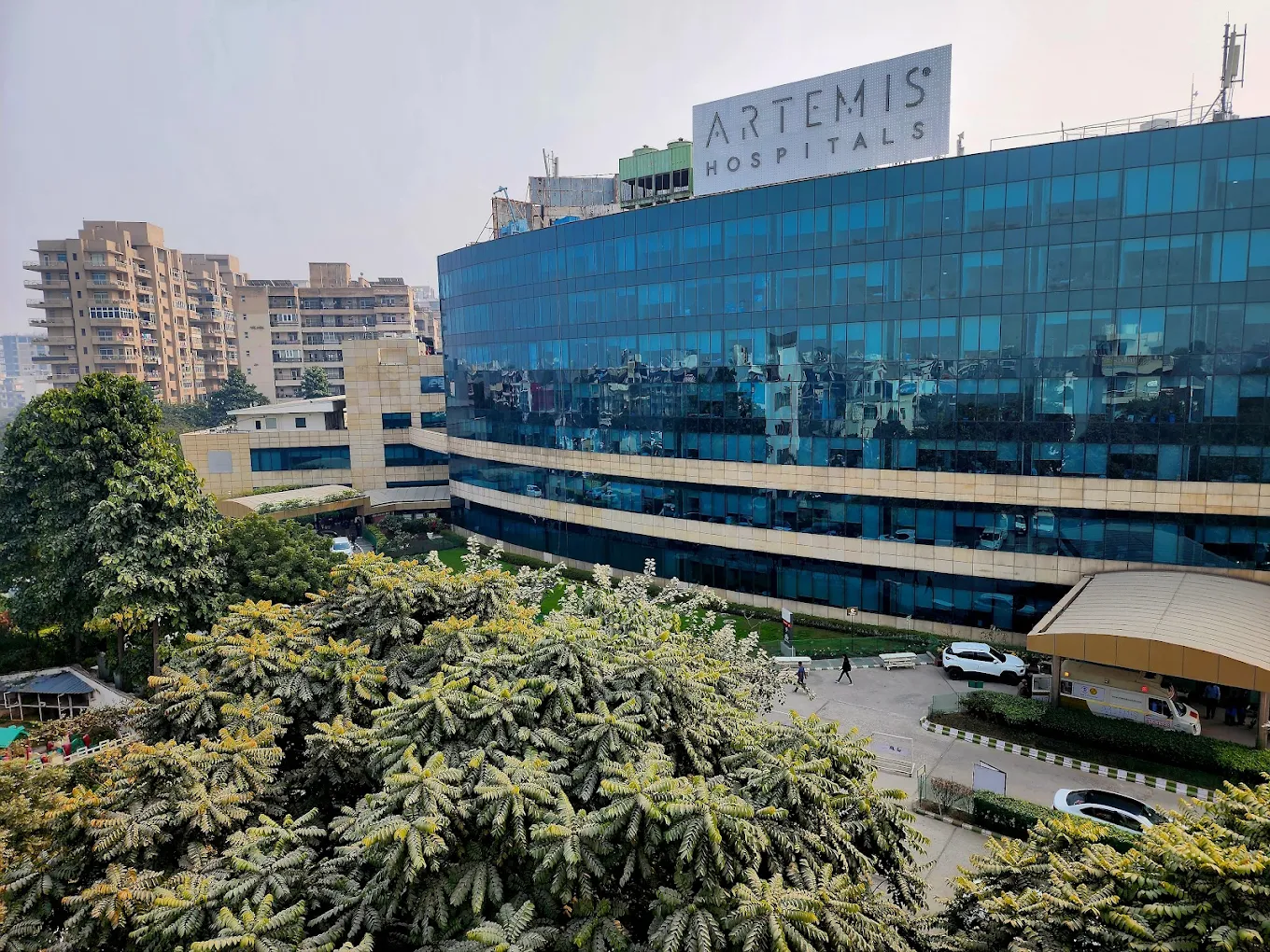
4. Artemis Hospitals

Artemis Health Institute in Gurgaon has built a strong reputation for women’s cancer care, including ovarian cancer treatment. The hospital brings together gynecologic oncologists, surgeons, and medical oncologists who follow global treatment protocols. For ovarian cancer, that usually means starting with advanced imaging such as PET-CT or MRI 3-Tesla to stage the disease accurately, followed by surgery and chemotherapy. Depending on the case, doctors may perform fertility-sparing procedures, full debulking surgeries, or minimally invasive operations with robotic assistance. Chemotherapy regimens with drugs like paclitaxel and carboplatin are tailored to each patient, and targeted treatments are available for women with BRCA mutations or resistant disease.
The center is equipped with CyberKnife and Elekta Synergy for precision radiotherapy when it’s needed, and it also runs one of India’s leading bone marrow transplant programs for patients requiring advanced interventions. For ovarian cancer patients, this means access to the full range of therapies under one roof, from surgery to systemic treatments and follow-up rehabilitation.
Why Patients Choose Artemis for Ovarian Cancer Care
- Tumor Board planning for tailored, multidisciplinary treatment strategies
- Robotic and minimally invasive surgeries that reduce recovery time and improve precision
- Oncologists with extensive experience managing complex gynecologic cancers
Ovarian Cancer Services at Artemis Include
- Early detection tools, including high-end PET-CT, MRI, and molecular testing
- Laparoscopic and robotic surgery for ovarian tumor removal
- Targeted therapy, chemotherapy, and immunotherapy based on tumor profile
- Genetic counseling for BRCA and related mutations
Leading Ovarian Cancer Specialists

Final Thoughts
Getting treated for ovarian cancer is tough, but you don’t have to go through it blind. India offers solid options with top-notch care, whether you’re looking for surgery, chemo, advanced therapies, or even fertility preservation. What truly makes a difference is having a knowledgeable, trustworthy oncologist guiding you through each step.
If you or a loved one is dealing with ovarian cancer, don’t hesitate to ask questions, get second opinions, and explore your options. Treatment is not one-size-fits-all – the right plan should fit your body, your goals, and your life.
FAQ
How long will I need to stay in India for treatment?
You’ll usually need about 5 days for diagnosis, 1 month for a course of chemotherapy or radiation, 2 weeks for genetic testing, and 7–10 days if only surgery is required. The exact stay depends on your treatment plan and recovery.
Do Indian hospitals have the latest cancer treatment options?
Absolutely. Many top hospitals in India offer advanced technologies like robotic surgery, HIPEC (heated chemo during surgery), targeted therapies, and genetic testing. The key is choosing a center with a strong oncology department and doctors who specialize in gynecologic cancers. Some hospitals have dedicated tumor boards that review each case together, which really helps with getting a tailored plan.
Will I be able to talk directly with the doctor before coming to India?
In most cases, yes. Reputable hospitals or medical coordinators will help set up an online consultation once you’ve shared your medical reports. This gives you a chance to ask questions, get a second opinion, and understand the plan before making the trip. It also helps build trust, which really matters when you're far from home.
Is ovarian cancer treatment in India really more affordable?
Yes, ovarian cancer treatment in India is significantly more affordable. Chemotherapy cycles start from $500–1,200, while a full course ranges $6,000–9,000. Radiation therapy runs about $3,600–5,800, and even advanced options like genetic testing ($700–1,000) or immunotherapy ($1,800–2,500 per cycle) are far cheaper than in many other countries.
Can I start ovarian cancer treatment in India right after completing initial tests at home?
Yes, if you bring recent scans and pathology reports, doctors can review them and often begin treatment within a few days. Sometimes additional tests are repeated to confirm details before starting therapy.