





 Clinics
 Diagnostics
 Treatment methods
 Cost of treatment
 How to undergo treatment
- At the clinic's price without markups
- with full doctor support
Lymphoma is a malignant disease affecting immune system cells – lymphocytes. Each year, more than 630,000 new cases are diagnosed worldwide. Timely and accurate diagnosis plays a critical role in successful treatment: when the disease is detected early, five-year survival rates exceed 90%, whereas in advanced stages they drop to 40–50%.
Clinics in Turkey demonstrate high effectiveness in lymphoma treatment. They utilize modern therapy regimens, advanced early-detection methods, and innovative drugs, achieving better outcomes than many post-Soviet countries. At the same time, treatment costs in Turkey are significantly lower than in European or US clinics, while maintaining comparable medical quality.
The cost of lymphoma treatment in medical centers in Turkey
The cost of lymphoma treatment in medical centers in Turkey
The cost of lymphoma treatment in Turkish clinics is notably lower than in oncology centers in Europe and the USA. The total expense depends on the type of lymphoma, disease stage, and the required procedures. On average, therapy costs in Turkey are 70–80% lower than in Western countries.
Below are approximate prices for key stages of treatment.
|
Treatment Stage |
Turkey (USD) |
|
Consultation with a hematology-oncology specialist |
$150–250 |
|
Initial diagnostics (tests, biopsy, CT scan) |
$2,500–3,500 |
|
PET-CT scan |
$800–1,200 |
|
ABVD Chemotherapy (6 cycles) |
$5,000–10,000 |
|
R-CHOP Chemotherapy (6 cycles) |
$15,000–25,000 |
|
Radiation therapy (full course) |
$4,000–7,000 |
|
Autologous bone marrow transplantation |
$35,000–50,000 |
|
Allogeneic bone marrow transplantation |
$80,000–120,000 |
|
CAR-T therapy (academic programs) |
$50,000–70,000 |
For comparison: similar programs in Germany and the USA cost 3–5 times more. For instance, a full R-CHOP course in the USA may reach $100,000–150,000, while bone marrow transplantation can cost up to $350,000.
Which Factors Affect the Cost of Lymphoma Treatment in Turkey?
Increase the Cost:
- Aggressive or rare lymphoma subtypes (requiring intensive treatment regimens);
- Need for multiple lines of therapy (refractory or relapsed cases);
- Complications during treatment (infections, cytokine release syndrome);
- Donor search and preparation for allogeneic stem cell transplantation.
Decrease the Cost:
- Early detection of localized lymphoma;
- Good response to first-line therapy;
- Absence of comorbidities;
- Possibility of outpatient treatment (e.g., chemotherapy administered in a day-care setting).
Top Clinics for Lymphoma Treatment in Turkey
Experts Medical partners with trusted Turkish medical centers specializing in comprehensive treatment of onco-hematological diseases. All recommended clinics have international JCI accreditation, state-of-the-art equipment for lymphoma diagnosis and treatment, and experienced onco-hematology teams trained in leading European and American centers.
Top 5 clinics for lymphoma treatment in Turkey
Liv Hospital Istinye. This university hospital in Istanbul features 12 operating theaters and specialized chemotherapy and immunotherapy units. The hospital has its own Organ Transplantation Center, which is critically important for patients with lymphomas requiring bone marrow transplantation. Targeted therapy for onco-hematological conditions is administered based on molecular profiling.
Medical Park Gaziosmanpasa. This clinic specializes in treating hematological cancers, including leukemias and lymphomas. It is renowned for high success rates in bone marrow transplantation — around 87%. The hospital in Turkey features dedicated rooms with HEPA filtration to prevent infections in immunocompromised patients.
Medipol Hospital. One of Turkey’s largest university medical centers, equipped with a strong onco-hematology department. The hospital actively participates in international research and clinical lymphoma treatment protocols. PET-CT diagnostics are available, with results within 24–48 hours. An intensive care unit is also on-site to monitor chemotherapy-related complications.
Acibadem Healthcare Group. The largest private medical network in Turkey, with multiple specialized oncology centers. PET-CT is used for early tumor detection and assessment of malignancy in lymphoma treatment. Acibadem actively collaborates with international oncology centers, constantly exchanging knowledge and adopting best practices from overseas colleagues.
Medicana Hospitals Group. One of Turkey’s largest medical holdings, comprising several multidisciplinary clinics specializing in onco-hematology. The hospital actively implements CAR-T cell therapy, providing new treatment options for patients with resistant forms of lymphoma. Medicana operates a Bone Marrow Transplant Center performing both autologous and allogeneic transplants. Molecular diagnostics and tumor genetic profiling are available, enabling optimal selection of targeted and immunotherapy regimens. The clinic is equipped with sterile rooms featuring HEPA filtration, which is critically important for protecting immunocompromised patients during treatment.
Why Choose Turkey for Lymphoma Treatment?
 Turkey has secured a prominent place on the global map of onco-hematology treatment thanks to several technological advantages:
- Turkish medical centers provide quick access to PET-CT diagnostics without long waiting times – the procedure can be completed within 2-3 days of initial consultation.
- Turkey’s advanced onco-hematology programs allow doctors to implement modern chemotherapy protocols and monoclonal antibody targeted therapies. Turkish specialists have extensive experience handling complex cases and relapsed forms of lymphoma. As a result, hundreds of patients unable to receive effective treatment in their home countries travel to Turkey for care.
- Special attention is given to the development of bone marrow transplantation programs. Leading Turkish clinics perform both autologous and allogeneic transplants, using international donor registries.
- For patients with refractory disease, experimental therapies are available, including CAR-T cell therapy (genetically reprogramming the patient’s own immune cells), offered at Medicana and Acibadem clinics.
How Effective Is Lymphoma Treatment in Turkey?
Turkish medical centers demonstrate high efficacy in treating various forms of lymphoma, as confirmed by numerous clinical studies.
Outcomes in B-Cell Lymphomas
According to a 2023 study on primary mediastinal B-cell lymphoma in Turkey, modern R-CHOP and DA-EPOCH-R protocols achieved an overall response rate of 77% with a five-year survival rate of 64.9%. These results align with global standards for this lymphoma subtype.
Successes in Hodgkin Lymphoma Treatment
Particularly impressive outcomes have been achieved in pediatric Hodgkin lymphoma. A large 34-year study reported overall survival of approximately 83%, demonstrating the high qualification of Turkish pediatric onco-hematologists and the effectiveness of current chemo- and radiotherapy protocols.
Treatment of Complex Lymphoma Cases
A multicenter study by the Turkish hematology service on peripheral T-cell lymphomas demonstrated that bone marrow transplantation significantly improves long-term outcomes for patients with these aggressive lymphomas. This is particularly important as T-cell lymphomas are among the most challenging to treat.
Comparison with Global Outcomes
These data show that lymphoma treatment outcomes in Turkey meet or exceed global averages. Five-year survival rates across various lymphoma types range from 63% to 83%, comparable to leading oncology centers in the US and Europe.
How is lymphoma diagnosed in Turkey?
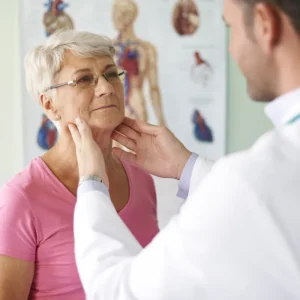
Turkish clinics are equipped with a full range of modern diagnostic tools for detecting lymphoma. This is why many patients come here not only for initial diagnosis but also for repeat examinations and second opinions.
 Laboratory Diagnostics:
- Complete blood count to detect anemia, thrombocytopenia, or leukopenia;
- Biochemical panel including LDH measurement (a tumor activity marker and prognostic factor);
- Flow cytometry immunophenotyping to determine lymphocyte clonality and B- or T-cell lineage.
Morphological Verification
Excisional biopsy of an entire lymph node remains the "gold standard" for diagnosis. Histological examination is complemented by immunohistochemistry using a panel of specific markers (CD20, CD3, CD15, CD30, Ki-67).
In Turkish clinics, histology results are available within 5-7 days, with immunohistochemistry requiring an additional 3-4 days.
Imaging Diagnostics
The use of PET-CT has become a major breakthrough in lymphoma diagnostics. It is essential during initial staging to detect hidden lesions. In Turkey, PET-CT is available within 48-72 hours, whereas in European countries the wait can be 2-3 weeks. A follow-up PET-CT after 2-4 therapy cycles allows assessment of metabolic response and adjustment of treatment.
CT scans of the chest, abdomen, and pelvis remain the baseline method for evaluating disease spread. MRI is used to clarify involvement of the central nervous system or bone marrow.
Molecular and Genetic Diagnostics
Cytogenetic studies and molecular marker analysis are performed to guide personalized therapy. Detection of mutations in BCL2, MYC, and TP53 genes impacts prognosis and informs the choice between standard chemotherapy and intensive regimens.
Lymphoma Diagnostic Methods in Turkey
|
Test Method |
What It Detects |
Turnaround Time |
Impact on Treatment Strategy |
|
Complete Blood Count |
Cytopenia, blast cells |
2-4 hours |
Detection of leukemic transformation |
|
LDH, β2-microglobulin |
Tumor burden |
1 day |
Risk stratification |
|
Immunophenotyping |
B/T-cell lineage |
2-3 days |
Selection of therapy line |
|
Lymph Node Biopsy |
Histological type |
5-7 days |
Basis for protocol selection |
|
PET-CT (Initial) |
All lesion sites |
48-72 hours |
Staging and radiation planning |
|
PET-CT (Interim) |
Metabolic activity |
48-72 hours |
Therapy escalation or de-escalation |
|
Molecular Diagnostics |
Driver mutations |
10-14 days |
Indications for targeted therapy |
|
Trephine Biopsy |
Bone marrow involvement |
3-5 days |
Change to Stage IV |
What methods of lymphoma treatment are used in Turkey?
What methods of lymphoma treatment are used in Turkey?
Turkish clinics offer the full spectrum of therapeutic approaches included in international lymphoma treatment protocols.
Systemic Therapy: The Foundation of Modern Treatment
 The choice of chemotherapy regimen depends on the histological type and stage of the disease. For Hodgkin lymphoma, the ABVD protocol remains the standard, according to clinical studies achieving a cure rate of 85–90% in early-stage patients.
For non-Hodgkin lymphomas, immunochemotherapy with R-CHOP is applied. According to Blood Cancer Journal, the addition of a monoclonal antibody to standard chemotherapy increased 5-year survival from 60% to 80% in diffuse large B-cell lymphoma.
Targeted therapy is another treatment modality, involving precise action on cancer cells. Modern targeted therapy protocols are prescribed individually based on the tumor's molecular and genetic characteristics.
Radiotherapy: Precision Targeting
Radiotherapy is used selectively as a consolidation step following systemic therapy in localized lymphoma. Modern methods available in Turkey, such as IMRT (Intensity-Modulated Radiotherapy) and VMAT (Volumetric Modulated Arc Therapy), allow toxicity minimization, which is particularly important when irradiating the mediastinum.
Bone Marrow Transplantation: An Option in Relapsed Cases
Autologous transplantation (using the patient’s own cells) is indicated for patients with relapsed or chemotherapy-resistant lymphomas who remain responsive to salvage therapy. The procedure involves three stages:
- Mobilization and collection of the patient’s stem cells.
- High-dose chemotherapy.
- Infusion of the previously collected progenitor cells back into the patient.
Allogeneic transplantation (from a donor) is considered in multiple relapses of aggressive lymphomas, especially T-cell types. The procedure carries the risk of graft-versus-host disease but provides immunologic tumor control.
Is CAR-T Therapy for Lymphoma Available in Turkey?
 CAR-T cell therapy is available in Turkey through the ISIKOK-19 academic program – the first local product for the treatment of CD19-positive relapsed B-cell lymphomas. The technology involves:
- Collection of the patient’s lymphocytes;
- Genetic reprogramming of lymphocytes to recognize CD19 tumor antigen-expressing cells;
- Infusion of the modified cells back into the patient.
According to research data from Medipol Medical Center, ISIKOK-19 demonstrated safety and efficacy in previously treatment-refractory patients, offering a cost-effective alternative to commercial products. Overall response to ISIKOK-19 therapy reached 72%: 2 of 3 patients with acute lymphoblastic leukemia and 3 of 4 patients with non-Hodgkin lymphomas achieved complete or partial remission.
How is CAR-T Therapy Performed?
The therapeutic protocol includes the following stages.
Stage 1: Screening and Preliminary Preparation (7–10 days)
Candidates for CAR-T therapy are patients with relapsed or refractory CD19-positive lymphomas after failure of at least two lines of systemic therapy. Mandatory criteria include:
- ECOG performance status 0–2 (the patient remains fully capable of self-care and daily activities but may require rest during the day);
- adequate organ function;
- absence of active infection.
Turkish centers conduct an extensive workup, including:
- PET-CT to assess metabolic activity;
- echocardiography;
- liver and kidney function tests.
Patients with central nervous system involvement require additional neuroimaging (brain MRI) and cerebrospinal fluid analysis.
Stage 2: Leukapheresis – Cell Collection (1 day)
Leukapheresis is performed using a cell separator over 4–6 hours. The physician collects 2–4 liters of blood to isolate mononuclear cells containing T lymphocytes. Concurrently, the patient receives albumin and calcium replacement therapy to prevent citrate toxicity—a potential complication of blood collection.
The collected material is immediately transported to a GMP laboratory for processing. The ISIKOK-19 program utilizes a Turkish technological platform, minimizing logistical risks and time delays.
Stage 3: CAR-T Cell Manufacturing (14–21 days)
The isolated T lymphocytes are activated with specialized microspheres coated with CD3 and CD28 antibodies. The final product contains at least 0.2×10⁶ CAR-positive cells per kilogram of the patient’s body weight.
Stage 4: Lymphodepletion (3 days)
One week before CAR-T infusion, the patient receives conditioning (high-dose) chemotherapy to eliminate the maximum number of cancer cells. This creates “immunological space” and removes regulatory T cells that suppress the anti-tumor response.
Stage 5: Infusion and Monitoring (30 days)
CAR-T cells are administered intravenously over 15–30 minutes via a central venous catheter. The patient remains in the intensive care unit under continuous supervision by a hematologist, intensivist, and neurologist.

Cancer treatment is always a challenging journey. It demands not only physical strength but also immense emotional resilience. When a patient faces such a diagnosis, it can be difficult to focus on logistical matters: where to undergo treatment, which doctor to consult, how to understand costs, and how to avoid mistakes in choosing a clinic. This is precisely when Experts Medical comes to the rescue.
Our team ensures that your treatment journey is as calm and confident as possible. We assist with:
- Selecting the right clinic and doctor based on over 10 years of experience and verified treatment success statistics for specific specialists.
- Obtaining a second opinion and creating a personalized treatment plan.
- Handling all administrative matters with the clinic—from scheduling appointments to managing payments. All transactions are processed directly through the hospital, with no hidden fees.
- Coordinating every step: from consultations and diagnostics to treatment and returning home. Our team remains in constant contact to promptly answer any questions.
- Reducing stress and anxiety, knowing that a dedicated team is fully on your side and responsible for ensuring all arrangements are honored.
With Experts Medical, you have a reliable partner, allowing you to focus solely on what matters most—regaining your health.