




 Top Hospitals
 Price Range
 Leading Doctors
 Experts Medical
 Treatment Duration
- At the clinic's price without markups
- with full doctor support
Neck cancer can be life-altering, but it’s also one of the cancers where early diagnosis and the right treatment team make a huge difference. In India, medical centers are stepping up with specialized care that’s not just effective but also accessible: financially and geographically. Across studies, survival for neck cancers can reach 70–80% in early stages, while advanced cases see outcomes drop to around 40% or less, underscoring the importance of timely detection and comprehensive care. Whether you're facing cancer of the throat, voice box, or lymph nodes in the neck, India offers options that rival global standards, with teams that look at more than just the disease. They look at you: your voice, your appearance, your ability to swallow and speak, and build a plan that fits the full picture. In this guide, we’ll break down what treatment looks like in India, from diagnosis to recovery, and share where to find the best hospitals and doctors who know how to treat neck cancer with skill and compassion.
Treatment Results and Survival for Neck Cancer in India
A long-term study out of Mumbai tracked survival by subsite and the contrasts were striking. Lip cancers had 5-year survival close to 75%, but cancers of the tongue, throat, and pharynx dropped much lower, some in the 25–40% range (Cancer, 2000). Another look at cases treated back in the late 1980s showed something similar: oral cancers had survival in the 20–43% range, pharyngeal cancers only 8–25%, while laryngeal cancers fared a bit better at 25–62% (Clinical Oncology, 1998).
More recent data paints a slightly brighter picture in the right setting. At Tata Memorial Hospital in Mumbai, one of India’s biggest cancer centers, oral cancer patients treated with surgery plus radiation saw survival at 78%. Overall, the 5-year survival rate for their oral cancer cohort was 65%, but that dropped sharply for late-stage cases (ecancer, 2024).
Not all reports are as encouraging. A study from a Central India center found a 5-year survival rate of only 26%, showing how much advanced-stage diagnosis still weighs down outcomes (Healthcare Bulletin, 2024). On the flip side, a national consensus report highlighted that patients diagnosed early can do very well, with survival close to 100% in stage I. By stage IV, though, survival falls to around 42%, and coexisting health problems cut chances even further (Indian Clinical Practice Consensus, 2024).
Finally, when researchers looked across 10 population-based registries covering more than 14,000 patients, the real-world number landed at 37.2% overall 5-year survival. That’s lower than what top centers report, but it reflects the reality of patients arriving late to care in many parts of the country (JAMA Network Open, 2025).
Price Range for Neck Cancer Care in India
- 2,000 – 3,500 USDCyberKnife Radiotherapy
- 3,000 – 6,000 USDConventional Radiation Therapy (IMRT/IGRT/VMAT)
- 1,200 – 3,500 USDBrachytherapy (targeted internal radiation)
- 3,500 – 8,000 USDChemotherapy (per course)
- 1,500 – 4,000 USDImmunotherapy (per cycle, depending on drug)
- 1,200 – 3,000 USDTargeted Therapy (modern drugs like EGFR/PD-L1 inhibitors)
- 250 – 1,700 USDTumor Biopsy
- 70 – 300 USDHistology / Pathology Review
- 4,500 – 8,000 USDSurgery for Neck/Throat Tumor Removal
- 4,500 – 6,500 USDSurgery for Tongue Cancer
One of the reasons many international patients consider India is the cost difference. Treatments that can be prohibitively expensive in other countries are often 25–50% cheaper here, while still being delivered in advanced cancer centers with modern technology. Actual prices vary depending on the hospital, city, and complexity of the case, but here’s a general idea of what patients might expect for common neck cancer procedures and therapies.
In India, the lower range reflects differences in healthcare economics, not in medical standards, as most large cancer hospitals use the same international technology platforms (Varian, Elekta, TrueBeam, CyberKnife).
Patients should also consider additional costs for PET-CT scans (400–700 USD), MRI scans (250–500 USD), and consultations with oncologists (50–150 USD). These are often bundled into a full treatment package, which makes budgeting easier.

When you’re facing a serious diagnosis and considering treatment abroad, the last thing you need is added stress or confusion. That’s where we come in. At Experts Medical, we handle the entire process from the first medical document to your return home, and we do it without charging you for our services. Why? Because we officially represent over 100 foreign clinics, our partnerships cover our costs, not you.
You don’t pay us.
You don’t pay extra.
You make all your payments directly at the clinic when you arrive. That’s it. No hidden markups, no middlemen taking a cut.
What We Do for You:
- Review your medical history and prepare the documents for foreign specialists
- Select the right doctor through a medical commission based on your case
- Provide a second opinion and a detailed treatment plan with costs and inclusions
- Help with funding through international foundations (especially for children)
- Arrange travel, visas, accommodation, transfers, and translators
- Stay in touch 24/7 to support you during and after treatment
- Advocate for you if any issues come up with doctors or clinics
- Follow up after your treatment to check results and collect feedback
- Recommend specialists based on real outcomes, not marketing
We’ve been doing this for over 10 years and have helped more than 12,000 patients find the right care. Every plan is reviewed by a doctor from our team to make sure it includes only what’s needed. And if something doesn’t feel right during the process, we step in and sort it out.
You’re never on your own - we’re with you every step of the way.
Hospitals You’ll Want to Know About

1. Fortis Healthcare

Fortis Healthcare treats head and neck cancers with a team that actually sits together on each case – surgical oncology, ENT, radiation, and medical oncology. Plans are built in tumor boards, then delivered with modern radiotherapy techniques (IMRT/IGRT/VMAT), image-guided surgery when needed, and reconstructive options to preserve appearance and function.
For neck cancer specifically, they handle the full range from early lesions to complex, node-positive disease. That includes organ-preserving chemoradiation when it makes sense, precise neck dissections and thyroid or laryngeal procedures when surgery is the better route, and targeted or immunotherapy for advanced cases.
Neck Cancer Treatment Services at Fortis:
- Surgery for head and neck cancers, including reconstructive options
- Thyroid and larynx cancer surgeries
- Oncoplastic care to restore function and appearance after tumor removal
- High-precision radiation therapy using IMRT, VMAT, and MR LINAC
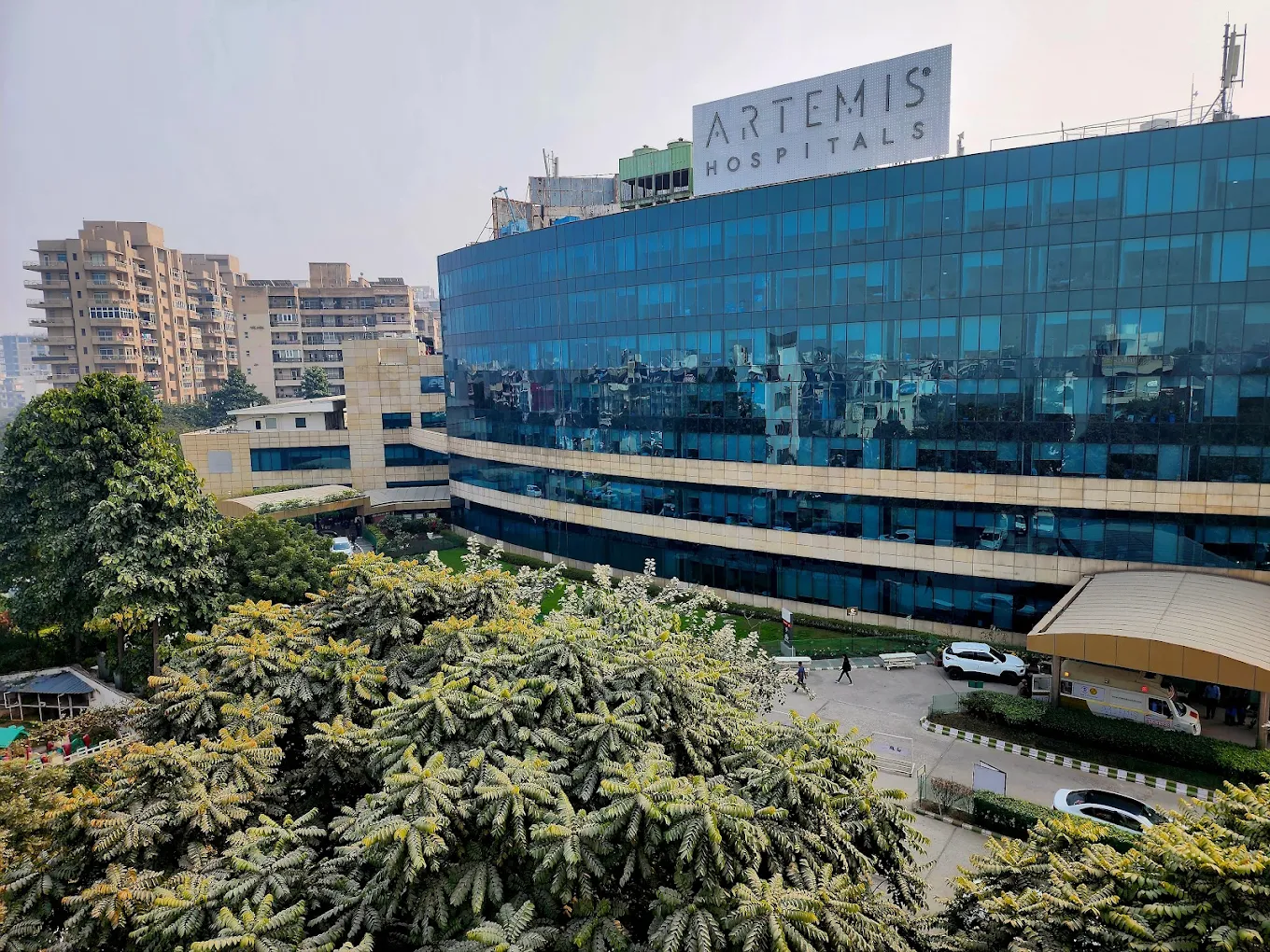
2. Artemis Hospital

Artemis Hospital has developed a strong reputation for its oncology care, especially for complex cases like head and neck cancers. Their cancer center combines advanced imaging, precision radiotherapy, and minimally invasive surgery to treat tumors while sparing as much healthy tissue as possible. The hospital relies on tools such as PET-CT, 3T MRI, and linear accelerators like Elekta Synergy and Trilogy Tx to design highly targeted treatment plans. Each case is reviewed by a multidisciplinary tumor board, ensuring that surgeons, medical oncologists, and radiation specialists align on the best approach for every patient.
For neck cancer patients, Artemis offers a broad spectrum of options: organ-preserving surgery, robotic procedures for difficult-to-reach areas, intensity-modulated and image-guided radiotherapy, and systemic therapies like chemotherapy, targeted drugs, or immunotherapy.
Neck Cancer Treatment Services at Artemis:
- Minimally invasive and robotic cancer surgeries for breast, prostate, GI, and more
- Chemotherapy, targeted therapy, and newer immunotherapy options
- Radiation techniques like IMRT, IGRT, and brachytherapy
- Personalized treatments based on genetic testing and tumor profiling

3. Medanta

Medanta’s head and neck oncology team works in tight coordination across surgery, radiation, medical oncology, speech therapy, and rehabilitation. For tumors of the oral cavity, oropharynx, larynx, thyroid, and neck nodes, they use image-guided planning, 3T MRI and PET-CT for staging, and precise radiation platforms like SBRT, IGRT, and VMAT to target disease while protecting swallowing and voice structures. Complex resections are paired with microvascular reconstruction so patients keep function and appearance in mind, not just tumor control.
For advanced or recurrent disease, Medanta builds combination plans that can include robotic or minimally invasive surgery, organ-preserving chemoradiation, and modern systemic options like targeted drugs or immunotherapy where indicated.
Neck Cancer Treatment Services at Medanta:
- Robotic and minimally invasive surgeries for head and neck cancers
- High-precision radiation therapies like SBRT, IGRT, and VMAT
- Medical oncology with chemotherapy, immunotherapy, and targeted drugs
- Genetic profiling to guide treatment decisions based on your tumor’s biology
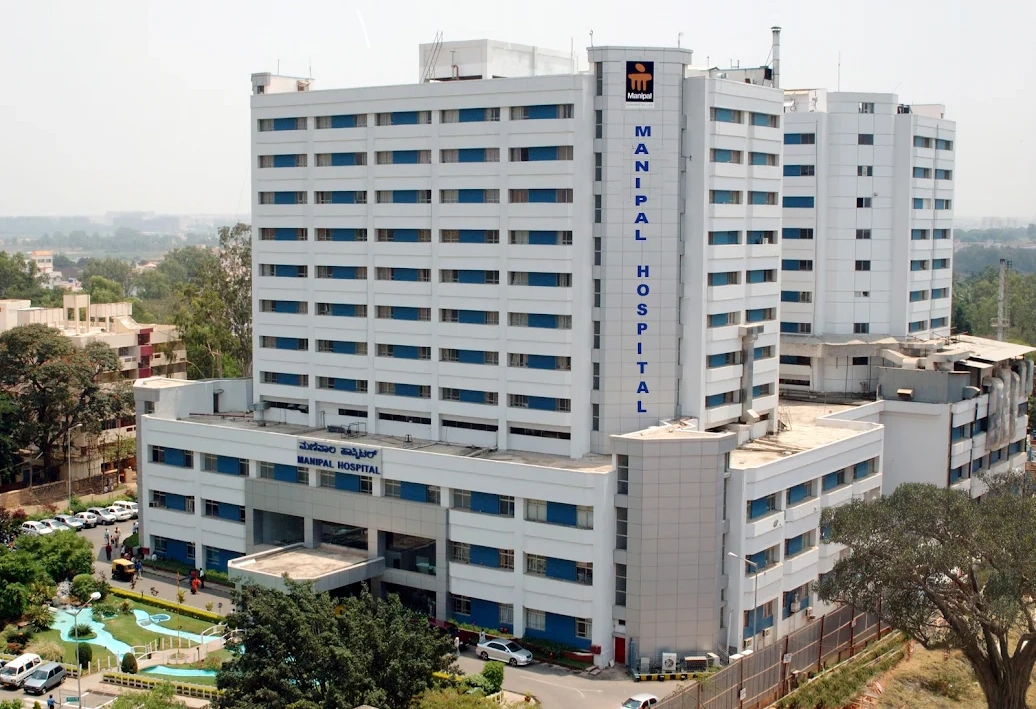
4. Manipal Hospital

Manipal Hospital runs a coordinated head and neck oncology program built around tumor boards, precise imaging, and modern radiation platforms. For cancers of the oral cavity, oropharynx, larynx, thyroid, and neck nodes, plans often combine IMRT or VMAT with image-guided techniques to protect swallowing and voice structures. Surgeons use minimally invasive and robotic approaches where suitable, and pair complex resections with reconstructive options to restore speech, appearance, and airway function.
Manipal integrates systemic therapy like chemotherapy, targeted agents, or immunotherapy, alongside selective neck dissection or organ-preserving chemoradiation.
Neck Cancer Treatment Services at Manipal:
- Advanced radiation options like SBRT, IGRT, VMAT, and brachytherapy
- Robotic and minimally invasive head and neck cancer surgeries
- Chemotherapy and immunotherapy tailored to tumor type
- Day care and at-home (domiciliary) chemotherapy programs
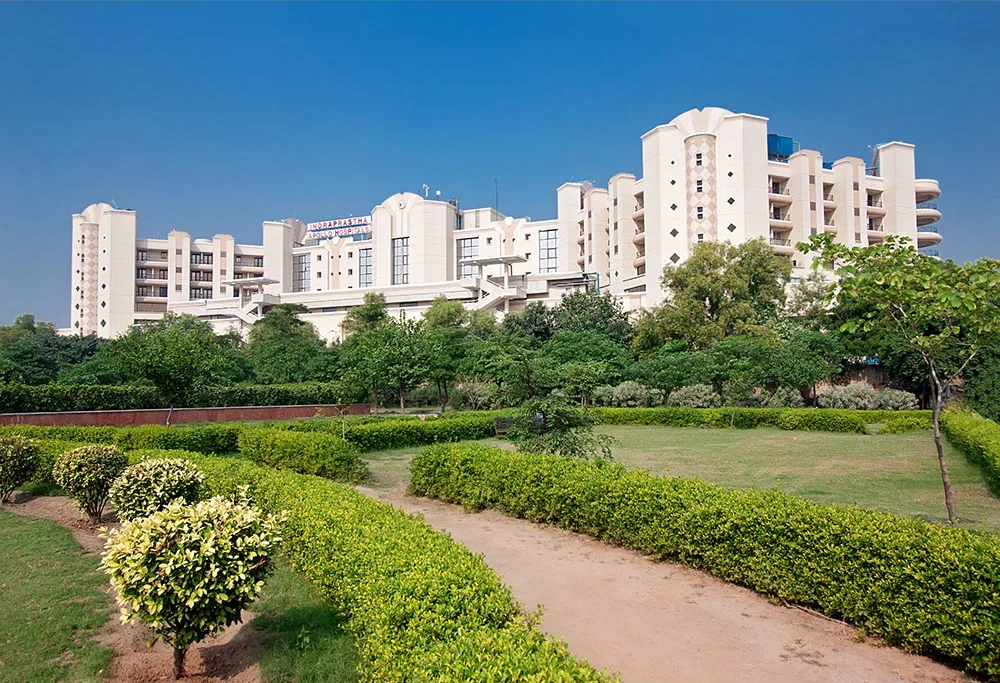
5. Apollo Hospital

Apollo Hospital runs a high-volume head & neck oncology service that’s built around a true team model, ENT/head-neck surgeons, radiation oncologists, medical oncologists, radiology and pathology all plan together so treatment moves quickly and nothing gets missed. For organ-preserving care, the center leans on IMRT/IGRT, VMAT, and stereotactic radiosurgery (CyberKnife/TruBeam/Novalis) to target tumors while protecting the salivary glands, vocal cords, and swallowing muscles. Surgeons offer transoral robotic surgery (TORS) for select throat and laryngeal tumors and perform selective or modified neck dissections when nodal disease needs control.
Microvascular reconstruction is paired with speech and swallowing therapy from day one, so recovery focuses on voice, appearance, and nutrition not just the scan. If you’re comparing centers, Apollo’s combination of advanced tech, coordinated tumor boards, and tight rehab integration makes it a solid pick for complex neck cancer cases.
Neck Cancer Treatment Services at Apollo:
- Collaborative treatment planning with input from multiple specialists
- Robotic and minimally invasive surgery (including the da Vinci system)
- Advanced radiation therapy options like IMRT, IGRT, SBRT, and brachytherapy
- Genetic and molecular profiling to tailor treatment plans
Doctors Who Know Their Stuff


How Long Neck Cancer Treatment Takes in India
- Diagnosis
The initial diagnostic stage usually takes about 5 days. This includes blood work, imaging such as MRI or CT scans, and consultations with specialists. Once results are ready, a multidisciplinary tumor board meets to outline the most effective treatment plan.
- Chemotherapy
A single chemotherapy cycle typically lasts about a month. Patients remain under medical supervision during the cycle, but if their condition is stable, they may continue the treatment protocol at home between visits. Follow-ups are scheduled roughly every three months, either in person or via updated test reports.
- Radiation Therapy
Standard radiation treatment involves around 30 daily sessions, often without breaks, lasting about one month in total.
- Genetic Testing for Targeted Therapy
When targeted therapy is considered, genetic and molecular testing may take about two weeks. While waiting for results, doctors often provide supportive or bridging therapy so no time is lost.
- Surgery
For patients needing only surgical intervention, the hospital stay and recovery in India usually lasts 7 to 10 days, covering preparation, the procedure itself, and the immediate post-op phase.
In short, treatment can range from just over a week for surgery alone to several months when chemotherapy, radiation, and advanced genetic testing are combined. Patients always receive a clear, individualized schedule from their care team in advance, making it easier to plan both the trip and recovery.
Wrapping Up
India has become a strong option for neck cancer care – not just because of the costs, but because of how it’s done. The blend of skilled doctors, world-class equipment, and a human-first approach makes a big difference. If you’re looking for treatment that focuses on results and recovery, India is definitely worth considering.
Frequently Asked Questions (FAQ)
Can induction chemotherapy improve outcomes for advanced stage neck cancer before surgery?
Yes. In India, induction chemotherapy using TPF (docetaxel, cisplatin, 5-FU) is often given to shrink bulky stage III–IV tumors of the oropharynx or larynx. This approach can improve operability and allow for organ-preservation protocols when combined later with concurrent chemoradiation.
How often do Indian centers use organ-preservation strategies instead of primary surgery?
At leading hospitals, organ-preservation is considered standard for locally advanced laryngeal and hypopharyngeal cancers. Protocols typically involve concurrent cisplatin-based chemoradiation, with surgical salvage reserved for non-responders. The choice depends on tumor response, airway status, and patient priorities (speech, swallowing).
How are genetic or molecular markers used in neck cancer treatment plans in India?
Indian oncologists increasingly use biomarker testing such as PD-L1 expression for immunotherapy eligibility, EGFR mutation status for cetuximab, and HPV/p16 testing for oropharyngeal cancers. Results are usually ready in about two weeks, and therapy is adjusted accordingly—such as offering immunotherapy for PD-L1–positive metastatic disease.
What is the typical follow-up protocol after completing neck cancer treatment in India?
Follow-up usually involves clinical exams every 6–8 weeks during the first year, with imaging (MRI, CT, or PET-CT) scheduled every 3–6 months. After two years, visits may shift to every 3–4 months, with long-term annual surveillance beyond five years. Patients treated abroad often share scans digitally for remote assessment.
What role does Experts Medical play once I choose a hospital in India?
We, at Experts Medical, coordinate directly with the selected hospital, schedule consultations, and assists with travel arrangements such as visas, transfers, and accommodation. We also remain in touch during the entire treatment process to ensure continuity of care and help resolve any logistical or communication challenges.