




 Top Hospitals
 Cost of Treatment
 Top Doctors
 Experts Medical
 Recovery and Follow-Up
- At the clinic’s price without markups
- with full doctor support
A liver cancer diagnosis can feel overwhelming, with new terms, choices, and uncertainties all arriving at once. Many patients today look to India for treatment, not only because of its advanced medical technology but also because of the way care is delivered: clear, coordinated, and centered around the person, not just the disease. Each year, liver cancer accounts for more than 30,000 new cases in India, and survival strongly depends on the stage at diagnosis, while the overall 5-year survival rate remains under 15%, early treatment with surgery or transplant can raise survival to 60–70%. From surgery and transplants to targeted therapy and supportive care, hospitals here bring together specialists who work as a team. This combination of expertise and compassion has made India a trusted destination for people seeking effective treatment and a more guided path forward.
Success Rates for Liver Cancer Treatment in India
General Survival Outlook
The overall 5-year survival rate for hepatocellular carcinoma (HCC), the most common form of liver cancer in India, remains very low - below 15% (PubMed Central, 2024).
Early-Stage Treatment Outcomes
When liver cancer is detected early and treated with surgery or a transplant, survival rates improve significantly:
- Surgical resection or transplant can yield 60–70% 5-year survival
- Another source supports similar figures, stating that surgery and resection achieve about 70–80% success for early-stage cases (PSRI Hospital, 2025).
- One Indian study highlights the benefit of percutaneous ethanol injection (a localized treatment) with 38–60% 5-year survival in small tumors (≤ 3 lesions, ≤ 3 cm) (PMC, 2021).
Stage-Dependent Survival in the Indian Context
A comprehensive review drawing on ICMR data reports:
- Early-stage (localized) HCC: around 36% 5-year survival
- Regional spread (to nearby tissues or lymph nodes): drops to 13% ( PMC, 2024).
Key Takeaways
- Early detection is critical. When liver cancer is caught early and treated aggressively (surgery, transplant, ablation), outcomes can improve dramatically.
- Most patients in India present late. As a result, the majority fall into categories with poor survival, a major driver of the low national average.
- Focused support for early-stage cases, such as access to transplant, surgical expertise, and minimally invasive treatments, can fundamentally alter prognosis.
Treatment Options in India
- Surgery
Partial hepatectomy: Removal of the affected part of the liver. Suitable for patients with healthy liver function and localized tumors.
Liver transplant: Recommended for patients with severe liver disease or when surgery is not possible. India has some of the world’s top liver transplant centers.
- Ablation Therapies
Radiofrequency ablation
Microwave ablation
Cryoablation
Ethanol injection
- Embolization
Transarterial chemoembolization (TACE)
Radioembolization
Drug-eluting bead embolization
- Radiation Therapy
Techniques like stereotactic body radiation therapy (SBRT) and proton therapy are now offered in select Indian hospitals. These methods allow doctors to deliver highly focused doses of radiation while sparing the surrounding healthy tissue. This precision is especially important because radiotherapy is typically performed as a one-time course. Getting it done on high-quality equipment with the right expertise is critical to destroy as much of the tumor as possible without harming nearby organs.
- Targeted Drug Therapy
This approach uses medications that act on specific genetic changes driving the cancer. Before treatment begins, patients usually undergo genetic testing to identify which mutations are present. Based on these results, doctors can prescribe drugs like kinase inhibitors or monoclonal antibodies that block the abnormal processes fueling tumor growth. Unlike standard chemotherapy, these therapies work at the molecular level, targeting the tumor directly while limiting effects on healthy cells.
- Immunotherapy
This helps the body’s immune system recognize and attack cancer cells more effectively.
- Chemotherapy
Drugs administered orally or intravenously to kill cancer cells. In India, it may be combined with localized delivery through hepatic artery infusion.
Why Choose India for Liver Cancer Treatment?
- Expert doctors: Many of the oncologists and surgeons you’ll find in India have trained or worked abroad, so they bring international experience while staying grounded in local realities.
- Advanced technology: From robotic surgery to CyberKnife and even proton therapy, the tools available are on par with leading centers worldwide.
- Affordable care: Cost is often a big factor. In India, treatment can be a fraction of what it would cost in the US or Europe, yet the quality doesn’t take a back seat.
- Team-based approach: It’s not just one doctor making decisions. Specialists in different fields sit together, discuss the case, and map out the best plan. That coordination makes a big difference.
In short, India offers world-class medical care but also makes the entire process more approachable and less overwhelming for patients and their families.
Cost of Liver Cancer Treatment in India
- from $250 to $1,700Tumor Biopsy
- $70 to $300Histology Review
- $500 to $6,000Chemotherapy (per cycle / protocol)
- $1,000 to $1,300Targeted Therapy (per course)
- $2,000 to $3,500CyberKnife Radiotherapy
- $1,000 to $3,500Brachytherapy
- $3,000 to $5,500Standard Radiation Therapy (per course)
- $7,500 to $12,000Surgery for Liver or Pancreatic Tumors (major resections/Whipple)
- $30,000 to $45,000Liver Transplant
Final costs are always individualized - hospitals issue a detailed estimate after reviewing medical records and scans.

When families come to us, we know they’re already carrying so much. A cancer diagnosis is hard enough, and the idea of arranging treatment in another country can feel overwhelming. That’s where we step in. At Experts Medical, our role is to take the weight of logistics off your shoulders, so patients and their loved ones can focus on what matters most: getting better.
Here’s how we help along the way:
Collect and organize medical records
Match each case with the right liver cancer specialist in India
Arrange second opinions before treatment
Schedule appointments and procedures
Assist with visas, flights, and hotel bookings
Provide translators for hospital visits
Stay in touch 24/7 during treatment and recovery
Ensure payments go directly to the hospital – our service is free
Since 2016, we’ve supported more than 12,000 patients in finding care abroad. Every patient’s journey is different, and we never force a standard solution. Our coordinators specialize in oncology, so you’re not just getting logistics support – you’re getting someone who understands the medical side too. And once treatment begins, we don’t disappear. We stay connected, checking in and making sure no one ever feels alone in the process.
Top Hospitals for Liver Cancer Treatment in India
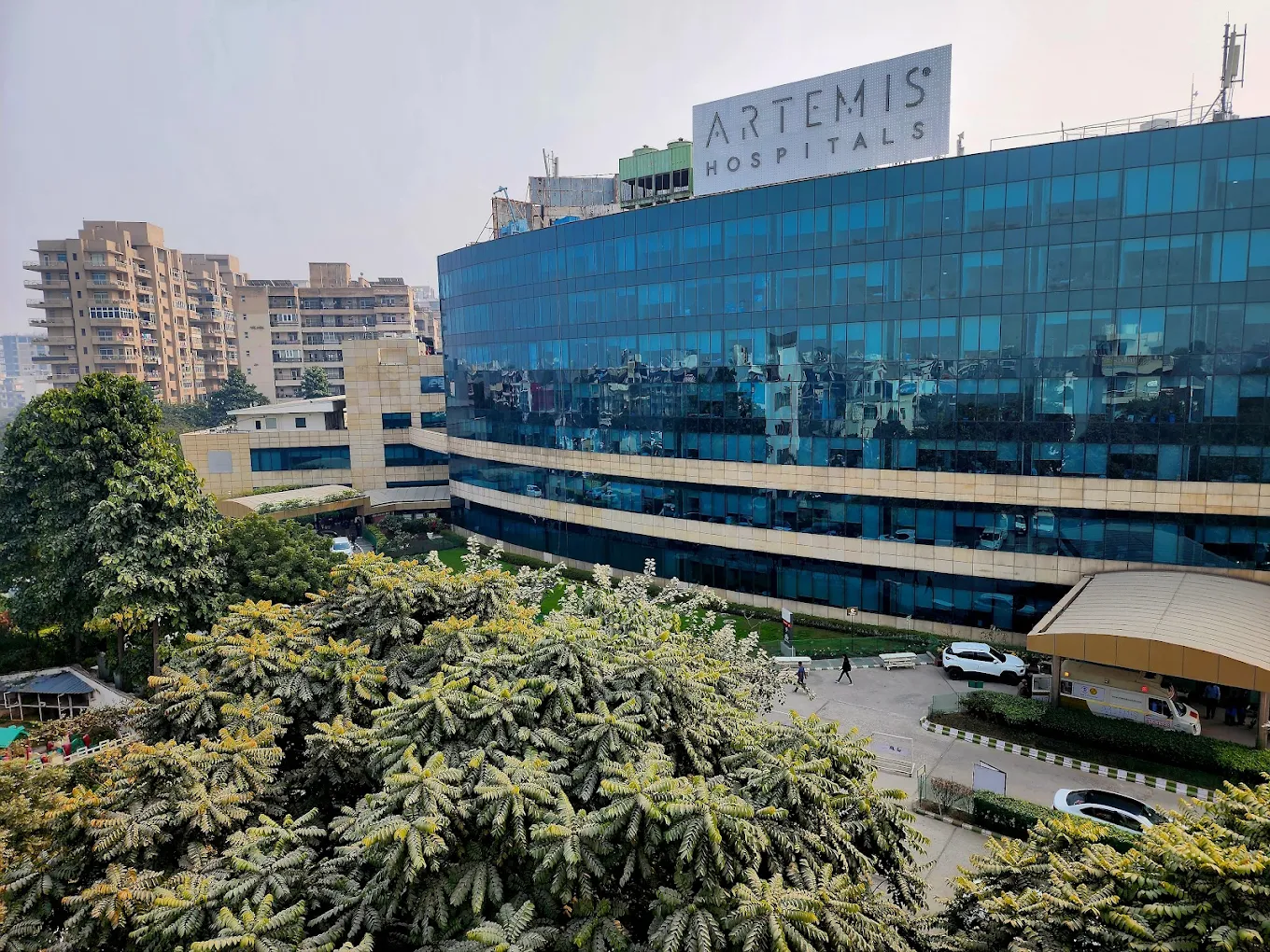
1. Artemis Health Institute, Gurgaon

Artemis Health Institute, located in Gurgaon, is a modern multidisciplinary hospital recognized among the top medical centers in India and the Middle East. Since its opening in 2007, the hospital has become well-known for advanced cancer care, supported by JCI and NABH accreditations. The oncology department uses state-of-the-art diagnostics such as 3 Tesla MRI, PET-CT, and whole-body MRI (DWIBS) to detect tumors at an early stage. For treatment, Artemis offers precision radiotherapy with Elekta Synergy linear accelerators, Trilogy Tx, and CyberKnife radiosurgery, along with targeted therapy and immunotherapy. Each case is reviewed by a multidisciplinary tumor board, ensuring that treatment plans are tailored to the individual patient.
For liver cancer, Artemis provides surgical resection, ablation techniques, and liver transplantation when needed. The hospital is also one of the first in India licensed to perform kidney and liver transplants, with an experienced transplant team supported by advanced infection control and intensive care facilities. Rehabilitation and palliative care services are integrated into treatment, helping patients recover more fully after surgery or long treatment courses.
Key Strengths for Liver Cancer Care at Artemis Hospital:
- Early, accurate diagnosis with advanced imaging
- Minimally invasive and robotic surgeries for liver tumors
- Liver transplant services for cases that need more than surgery
- A tumor board that builds treatment plans together
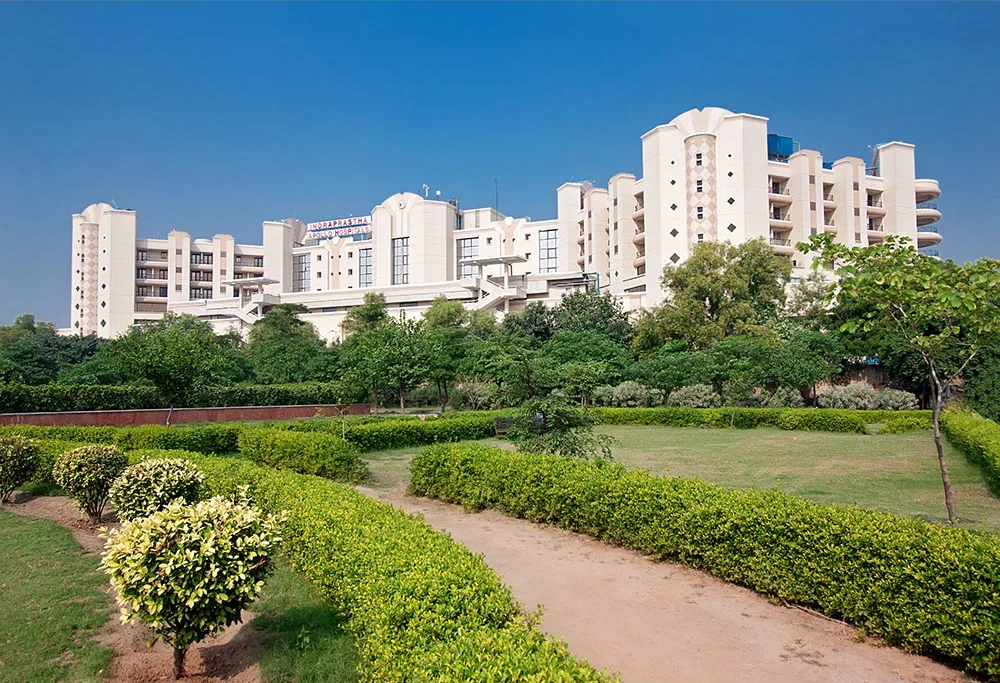
2. Apollo Hospital
Apollo Hospital in New Delhi is part of India’s largest private healthcare network and a recognized leader in oncology. The hospital is equipped with advanced imaging systems like PET-CT, 3 Tesla MRI, and 320-slice CT, which enable highly accurate diagnosis and staging of liver cancer. Treatment is guided by a multidisciplinary tumor board, and patients have access to a wide range of modern options, including targeted therapy, immunotherapy, and radiosurgery using CyberKnife and Novalis Tx. For complex cases, proton therapy is available, offering precise tumor control while minimizing damage to healthy tissue, an important factor in liver cancer care.
The hospital also has one of the most active organ transplant programs in the world, performing thousands of liver transplants for both adults and children. Apollo was the first in India to successfully perform pediatric liver transplantation, and survival rates remain high thanks to strict infection control and advanced surgical expertise. Interventional radiology options such as radioembolization and ablation are available for patients not eligible for surgery, ensuring that even advanced or inoperable cases receive effective management. With its combination of modern technology, experienced specialists, and comprehensive transplant services, Apollo Indraprastha stands out as a trusted center for liver cancer treatment in India.
Key Strengths for Liver Cancer Care at Apollo Hospitals:
- Accurate and early diagnosis with advanced imaging and testing
- Minimally invasive and robotic-assisted surgery options
- Proton therapy and other precise radiation treatments
- Personalized chemotherapy and targeted therapies guided by genetic insights
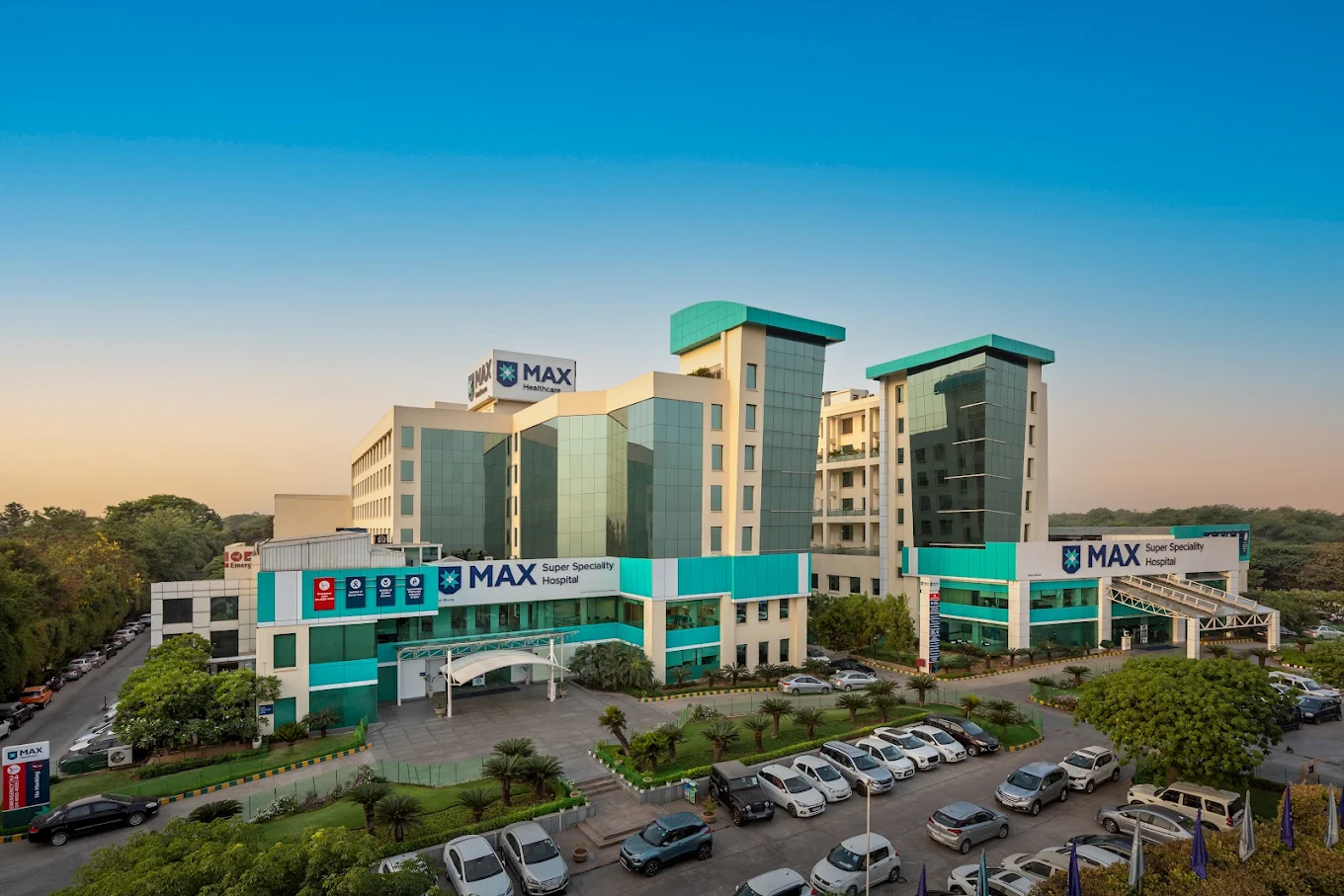
3. Max Healthcare

Max Healthcare is one of India’s leading hospital networks, known for advanced liver cancer treatment. Patients here receive care from a multidisciplinary team of oncologists, transplant surgeons, and interventional radiologists, supported by modern diagnostics such as 3 Tesla MRI and PET-CT. Treatment options range from minimally invasive ablation and chemoembolization to stereotactic radiation therapy and complex liver resections in modular operating theaters. For advanced cases, targeted therapies and systemic treatments are also available.
The hospital’s liver transplant program is among the most established in India, with living donor procedures led by internationally trained surgeons. Reported 5-year survival rates after transplant exceed 80%, comparable to top global centers. Combined with interventional radiology techniques like radioembolization, Max Healthcare offers patients a strong balance of technology, expertise, and supportive care in managing liver cancer.
Key Strengths for Cancer Care at Max Healthcare:
- Holistic treatment that combines surgery, chemotherapy, radiation, and targeted therapy
- Advanced technology like Novalis Tx for IMRT/IGRT and radiosurgery
- Da Vinci XI robotic system for minimally invasive cancer surgeries
- Specialized programs for complex cancers including gastrointestinal and gynecological tumors

4. Medanta

Medanta Clinic in Gurgaon is one of India’s top centers for liver cancer diagnosis and treatment. The hospital houses the Institute of Liver Transplantation, the first specialized center of its kind in Asia, treating liver tumors, cirrhosis, bile duct cancers, and advanced liver failure. Patients benefit from modern imaging systems like 3 Tesla MRI and PET-CT, along with high-precision treatments such as tomotherapy, CyberKnife radiosurgery, and advanced linear accelerators for radiotherapy. For those not suitable for surgery, interventional radiology techniques including ablation, chemoembolization, and radioembolization are used to control tumor growth while protecting healthy tissue.
What makes Medanta stand out internationally is its liver transplant program. The clinic performs both adult and pediatric liver transplants, and ranks first in India and second in the world for the number of successful living donor transplants, with more than 2,500 operations completed. Reported organ survival rates reach 95%, while infectious complications remain below 10%. This combination of surgical expertise, advanced technologies, and strong post-transplant outcomes has made Medanta one of the most trusted hospitals in Asia for patients seeking effective liver cancer care.
Key Strengths for Liver Cancer Care at Medanta:
- A multidisciplinary tumor board where surgeons, oncologists, and radiologists plan together
- Access to CyberKnife and Tomotherapy for accurate radiation treatments
- Robotic surgery options for complicated liver and GI cases
- An established liver transplant program with experienced teams
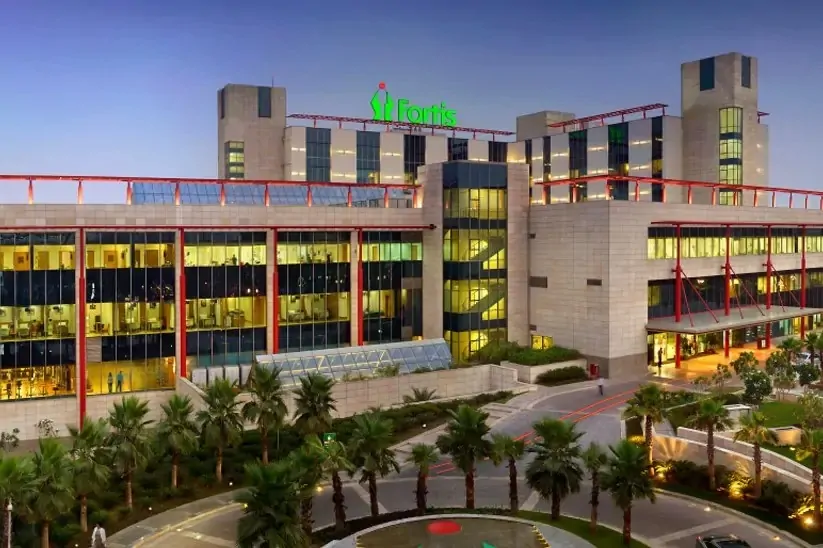
5. Fortis Healthcare

Fortis Healthcare with its flagship center in Gurgaon, has developed a strong reputation for advanced liver cancer care. The network combines modern diagnostics like PET-CT, 3 Tesla MRI, and digital pathology with multidisciplinary tumor boards that design treatment plans tailored to each patient. Surgical teams perform liver resections, minimally invasive procedures, and complex transplants, supported by one of the largest organ transplantation programs in India. Fortis was also among the first centers in the country to use techniques such as HIPEC (hyperthermic intraperitoneal chemotherapy) for patients with advanced abdominal cancers, giving additional options for select liver cancer cases.
Alongside surgery and transplants, Fortis integrates systemic therapies like chemotherapy, targeted drugs, and immunotherapy, often delivered in coordination with precise radiation methods including CyberKnife radiosurgery. This multi-pronged approach helps manage both early and advanced liver cancer. Survival rates for transplants and resections at Fortis are close to international standards, with outcomes published to ensure transparency. Supported by JCI and NABH accreditation, strict infection control, and specialized rehabilitation, the Fortis network provides international patients with comprehensive and reliable care for liver cancer.
Key Strengths for Liver Cancer Care at Fortis:
- One team approach: medical, surgical, and radiation oncology together
- Modern technology including Gamma Knife, MR LINAC, IMRT, VMAT, and IGRT
- Skilled surgeons for both standard and complex liver or GI surgeries
- Advanced therapies like immunotherapy, targeted treatment, and genetic testing
Top Doctors for Liver Cancer Treatment in India


Life After Treatment: Recovery and Follow-Up
Life after liver cancer treatment doesn’t follow a single script. Everyone heals at their own pace, depending on the type of surgery or therapy they’ve had, as well as their overall health going in. For people who undergo a liver transplant or major surgery, doctors usually recommend staying in India for at least two to four weeks. That time allows for proper rehabilitation, wound care, and the follow-up tests that are so important in the early stages of recovery.
During this period, patients can expect:
- Physiotherapy and mobility training: Getting back on your feet takes time, and guided exercises help rebuild strength and balance.
- Pain management and emotional support: Both the physical and emotional sides of recovery are addressed, with counseling or support sessions available when needed.
- Nutritional guidance: Food plays a huge role in healing. Dieticians work with patients to create meal plans that support liver health and overall recovery.
- Regular tests and scans: Blood work and imaging help the care team keep an eye on progress and catch any concerns early.
Even after going home, the care doesn’t just stop. With Experts Medical, patients and families stay connected to their medical team, receive help with follow-up appointments, and have a coordinator available to answer questions or arrange second opinions. This ongoing support makes recovery less overwhelming and helps patients feel guided long after their hospital stay is over.
Wrapping It Up
Facing liver cancer is tough, and the road through treatment can feel overwhelming at times. What makes a difference is knowing you’ve got a team that not only understands the medical side but also the human side of care. In India, that’s exactly what many patients find, experienced doctors who work together across specialties, modern hospitals that have the latest technology, and support systems that cover everything from rehab to travel help.
For families, it often comes down to trust. And whether it’s a liver transplant, targeted therapy, or just getting a second opinion, the healthcare teams here try to make sure no stone is left unturned. India has become a place where people from all over the world come for treatment not just because it’s affordable, but because the care feels coordinated and personal.
FAQs
What kinds of liver cancer treatments are offered in India?
There’s a wide range - surgery like liver resection, full liver transplants, targeted drugs, immunotherapy, chemotherapy, and localized options such as TACE (Transarterial Chemoembolization). The right choice depends on the stage of cancer and the patient’s overall health.
How much does it usually cost?
It really varies. A full liver transplant might cost somewhere around USD 30,000 to 45,000, while less complex treatments like TACE or targeted therapy are usually lower and start from 3000 USD per course. Hospitals typically provide a tailored estimate only after reviewing the patient’s case in detail. By contacting Experts Medical, patients receive a free second opinion from experienced oncologists along with a preliminary treatment plan, provided there are enough medical documents and test results to review. This way, families can have both a clearer picture of the expected costs and more confidence before starting their journey.
Can patients from abroad easily get treated in India?
Yes. At Experts Medical we make the whole process simple and guided for patients coming from abroad. Once we receive your medical documents, our coordinators arrange a free second opinion from oncologists in India along with a preliminary treatment plan. We also help with visa support, flight and hotel bookings, airport transfers, and translators if needed. This way, patients can focus on their health while we handle the logistics.
Can I receive TACE (Transarterial Chemoembolization) in India, and how many sessions are usually needed?
Yes. Through Experts Medical, patients can access TACE procedures in India. The exact number of sessions depends on the tumor size and response, but most patients require between 2 and 4 rounds. The treatment plan is always personalized and confirmed in advance once your case is reviewed.
Do Indian oncologists perform genetic testing before starting targeted therapy for liver cancer?
They do. Genetic or molecular profiling is often recommended to identify specific mutations that guide targeted drug therapy. We ensure that your records are shared with oncologists who can confirm if such testing is necessary for your case.
If I had partial hepatectomy before, can I still be considered for a liver transplant in India?
Yes. Patients with prior surgeries can still qualify for transplant, but it requires detailed evaluation. We help collect your surgical history and present it to transplant teams in India to assess eligibility and prepare a tailored plan.