



- At the clinic's price without markups
- with full doctor support
South Korea has long established itself as a country with one of the highest levels of oncology care in the world. Robotic surgery, proton therapy, molecular diagnostics, and personalized treatment protocols are actively used here. Many patients note that it was in Korean clinics that they first truly felt hope.
According to the latest data from the Korea National Cancer Registry, the overall 5-year survival rate across all cancers combined is 73.7%. With early diagnosis, this figure increases to 92.7%. Particularly strong outcomes are seen in thyroid cancer, breast cancer, stomach cancer, and prostate cancer (PubMed).
It is important to understand that this is averaged statistics across all oncological diseases combined. The actual prognosis for a specific person strongly depends on the type of cancer, the stage at diagnosis, the biological characteristics of the tumor (molecular-genetic profile, degree of aggressiveness), and the response to treatment.
The right doctor and clinic can significantly influence the outcome. Sometimes even a small difference in the specialist’s experience or the center’s equipment changes the course of treatment. That is why it is so important not to make a mistake when choosing.
At Experts Medical, we help people with oncological diagnoses find suitable treatment abroad. Over this time, we have supported more than 12,000 patients and know exactly where the best results are currently achieved for different types of cancer. That is why you do not need to spend energy on long searches and comparisons — we have already studied everything and selected verified options for you.

1. Samsung Medical Center
Samsung Medical Center in Seoul is one of the most modern and technologically advanced oncology centers in South Korea. The clinic combines advanced diagnostics, high-tech treatment for all types of cancer, and active scientific research. Proton therapy, da Vinci robotic surgery, Gamma Knife ICON (a radiosurgery system for brain tumors), and tomotherapy are widely used here, while every case is discussed in detail at a multidisciplinary tumor board.
Clinic specialization
Samsung Medical Center is particularly strong in treating the following types of cancer:
- Lung cancer — one of the strongest centers in Asia thanks to world-class experts in targeted therapy and complex thoracic surgery (including cases with invasion into major vessels).
- Brain tumors — a high-level neuro-oncology program using advanced treatment methods for glioblastoma (the most aggressive malignant brain tumor) and other gliomas, including immunotherapy clinical trials.
- Multiple myeloma and hematological diseases — a powerful myeloma treatment and stem cell transplantation program led by top specialists.
- Head and neck cancer, esophageal cancer — excellent results with combined treatment using proton therapy and robotic surgery.
- Pediatric oncology — one of the best centers in Korea for treating childhood malignancies and pediatric bone marrow transplantation.
- Prostate and kidney cancer — a leader in robot-assisted urological surgery with excellent functional and oncological outcomes.
Especially recommended for:
- Stomach cancer — thanks to close collaboration with leading gastrointestinal oncologists and modern treatment protocols.
- Breast cancer — a strong program in targeted therapy and breast-conserving surgery.
Leading clinic specialists:
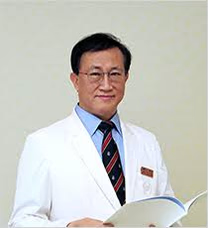
Prof. Jhingook Kim
One of Korea’s leading thoracic surgeons, specializing in the most complex lung cancer surgeries. He is especially known for successful procedures in cases where tumors invade major vessels and bronchi — operations performed by only a handful of surgeons worldwide.
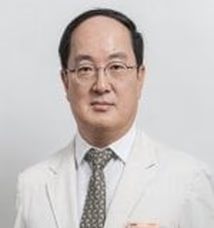
Prof. Do-Hyun Nam
Former Director of the Samsung Medical Center Institute for Refractory Cancer Research (2009–2019). A world expert in glioblastoma and malignant gliomas. He actively conducts clinical research in immunotherapy and personalized treatment for refractory brain tumors.
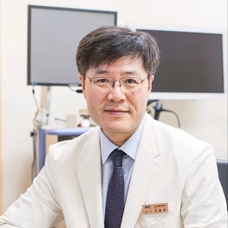
Prof. Yong Chan Ahn
Leading radiation oncologist at the Samsung Proton Therapy Center. Specialist in proton therapy and high-precision irradiation of head, neck, and esophageal tumors. One of the most experienced physicians in Asia in combined radiation treatment.
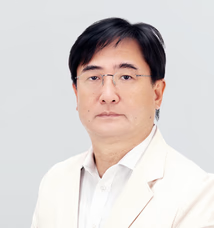
Prof. Kihyun Kim
A world-class expert in multiple myeloma and stem cell transplantation. Leader of the Korean Multiple Myeloma Working Party and author of key myeloma studies and treatment protocols in Korea.
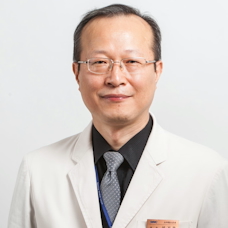
Prof. Ki Woong Sung
Leading specialist in pediatric oncology and bone marrow transplantation in children. Has extensive experience treating neuroblastoma (a tumor arising from nerve cells in children), medulloblastoma (a malignant cerebellar tumor in children), and other pediatric malignancies.
Clinic advantages:
- Its own proton therapy center and two Gamma Knife ICON systems
- High level of da Vinci robotic surgery and tomotherapy
- Active participation in international clinical trials
- Strong support system for international patients, including Russian-speaking coordinators
- One of the best multidisciplinary tumor boards in Asia
2. Asan Medical Center
Asan Medical Center in Seoul is one of the largest and most respected university oncology centers in South Korea. Thanks to its strong scientific foundation and enormous clinical experience, the clinic has become a national leader in the treatment of complex oncological diseases and welcomes tens of thousands of patients from different countries every year.
Clinic specialization
Asan Medical Center is particularly strong in treating the following types of cancer:
- Stomach cancer and GIST — one of the world leaders in comprehensive treatment, including surgery and targeted therapy. Leading experts with many years of experience work here.
- Liver, biliary tract, and pancreatic cancer — the clinic has exceptional expertise in complex hepatobiliary oncology and pancreatic surgery.
- Living donor liver transplantation — Asan is recognized as one of the best centers in the world for living donor liver transplantation in patients with liver cancer.
- Lymphomas and CAR-T therapy (cellular immunotherapy using modified T-lymphocytes) — a powerful lymphoma treatment program with active use of CAR-T cell therapy.
- Breast, head and neck cancer — modern combined protocols and high-tech treatment.
- Complex hepatobiliary and pancreatic surgeries — one of the highest volumes of such procedures in the world with excellent outcomes.
Especially recommended for:
- Stomach cancer (especially complex and advanced cases)
- Liver cancer (including patients requiring transplantation)
- Lymphomas requiring CAR-T therapy
Leading clinic specialists:
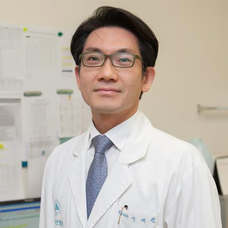
Prof. Jae-Lyun Lee
One of Korea’s leading medical oncologists in kidney cancer treatment. He has extensive experience using modern immunotherapy and targeted combinations for metastatic renal cell carcinoma. Patients with advanced kidney cancer choose him for his precise therapy selection based on the tumor’s molecular profile and strong results even when previous treatment has stopped working.
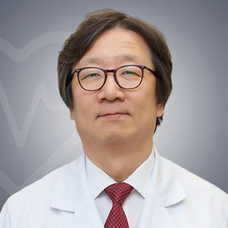
Prof. Yoon-Koo Kang
One of the world’s most respected experts in stomach cancer and GIST. His research has significantly influenced modern treatment standards for these diseases. Patients with advanced stomach cancer and GIST choose him for his deep expertise and ability to achieve strong outcomes even in difficult cases.
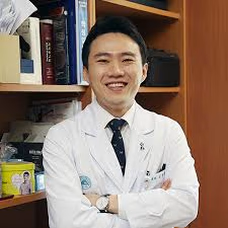
Prof. Changhoon Yoo
An outstanding specialist in liver, biliary tract, and pancreatic cancer. Principal investigator of the NIFTY trial — one of the key studies of recent years. Especially valuable for patients with biliary tract cancer, where effective treatment options are limited.
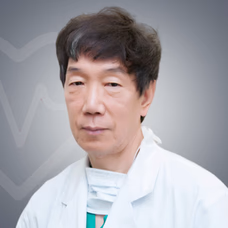
Prof. Sung-Gyu Lee
A world leader in living donor liver transplantation. Thanks to his expertise and outcomes, Asan is considered one of the best centers in the world for patients with hepatocellular carcinoma (the most common type of primary liver cancer) requiring transplantation.
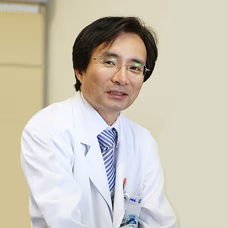
Prof. Song Cheol Kim
One of Korea’s best pancreatic cancer surgeons. Performs highly complex Whipple procedures (pancreaticoduodenectomy — removal of the pancreatic head and part of the intestine) with high success rates. Patients with resectable and borderline pancreatic cancer often choose him for his surgical skill and meticulous approach.
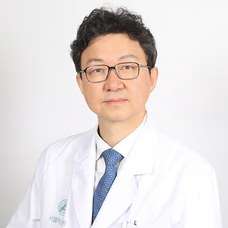
Prof. Sung-Bae Kim
A highly qualified specialist in breast, head and neck, and esophageal cancer. Former scientific co-chair of ESMO Breast. Especially valuable for patients requiring modern combined and targeted treatment regimens.
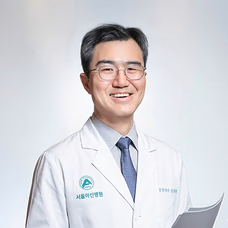
Prof. Dok Hyun Yoon
Director of the Asan CAR-T Center. One of Korea’s leading experts in CAR-T therapy and treatment of refractory lymphomas. His expertise is especially important for patients with relapsed and treatment-resistant lymphomas.
Clinic advantages:
- One of the largest oncology centers in Korea with a strong multidisciplinary approach
- World leader in living donor liver transplantation
- Active participation in international clinical trials
- High level of robotic surgery and modern technologies
- Professional support and comfort for international patients
3. Severance Hospital (Yonsei University Health System)
Severance Hospital is one of the oldest and most respected multidisciplinary medical centers in South Korea. Founded in 1885, it is now part of the Yonsei University Health System and is considered one of the country’s leading oncology institutions. The hospital has 2,437 beds, treats around 2.5 million outpatients annually, and performs more than 840,000 hospitalizations and clinical visits every year.
Clinic specialization
Severance Hospital is especially strong in the following areas:
- Lung cancer (including complex and resistant forms) — one of Korea’s strongest centers for targeted therapy and immunotherapy in NSCLC.
- Prostate cancer and urologic oncology — a high level of robot-assisted surgery with excellent functional outcomes.
- Brain tumors and neuro-oncology — advanced treatment of gliomas, brain metastases, and other CNS tumors using awake surgery techniques.
- Thoracic oncology — complex surgeries involving the lungs and mediastinum.
- Robotic and minimally invasive surgery — one of Korea’s leaders in da Vinci procedures for urology and thoracic surgery.
Especially recommended for:
- Lung cancer (especially EGFR-mutated and resistant disease)
- Prostate cancer (localized and high-risk)
- Brain tumors requiring preservation of important neurological functions
Leading clinic specialists:
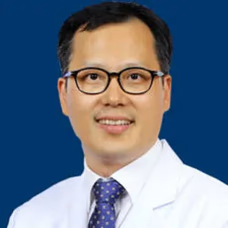
Prof. Byoung Chul Cho
One of the world’s leading experts in lung cancer (NSCLC). Principal investigator of new targeted therapies including lazertinib, amivantamab, and repotrectinib. Patients with EGFR mutations and resistant lung cancer choose him for his deep understanding of modern treatment options and highly personalized therapy selection.
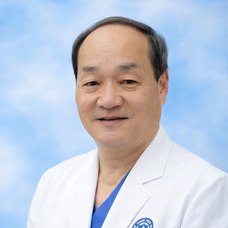
Prof. Sung Joon Hong
Highly skilled uro-oncologist specializing in prostate cancer. Expert in robot-assisted radical prostatectomy. His patients frequently report excellent functional outcomes, including preservation of urinary control and potency, while maintaining strong oncological control.
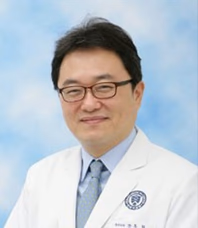
Prof. Jong Hee Chang
Director of the Brain Tumor Center. One of Korea’s top neurosurgeons for gliomas and brain metastases. Specializes in awake craniotomy — surgeries performed while preserving speech and motor functions in patients with tumors located in critical brain areas.
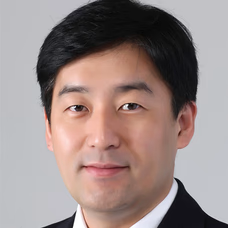
Prof. Koon Ho Rha
Expert in robotic and minimally invasive urologic surgery. Performs complex procedures for prostate, kidney, and bladder cancer. One of the most experienced robotic surgeons in Asia with outstanding long-term outcomes.
Clinic advantages:
- One of Korea’s oldest and most experienced medical centers with strong academic traditions
- Advanced da Vinci robotic surgery and high-precision radiation therapy
- Strong multidisciplinary tumor boards for personalized treatment planning
- Active participation in international clinical trials and development of new protocols
- High level of service and support for international patients, including Russian-speaking coordinators
4. Seoul National University Hospital (SNUH)
Seoul National University Hospital (SNUH) is one of the most prestigious and authoritative university medical centers in South Korea. With a powerful scientific foundation and a rich history, the clinic is considered one of the country’s leading oncology institutions. SNUH actively participates in international clinical research, develops new treatment protocols, and closely collaborates with top medical centers worldwide.
Clinic specialization
Seoul National University Hospital (SNUH) is especially strong in the following areas:
- Breast cancer — one of Korea’s leading centers for HER2+ and HR+ breast cancer with excellent targeted therapy outcomes.
- Colorectal cancer — a high level of molecular diagnostics and personalized treatment, especially in metastatic disease.
- Stomach cancer — a strong surgical tradition and comprehensive treatment protocols.
- Gynecologic oncology (ovarian, endometrial, and cervical cancer) — modern approaches and active participation in international studies.
- Thyroid cancer — one of the best centers for advanced and refractory cases.
- Acute leukemia and bone marrow transplantation — a powerful hematology program with a high level of HSCT expertise.
Especially recommended for:
- Breast cancer (HER2+ and HR+)
- Colorectal cancer with molecular alterations
- Thyroid cancer (including complex cases)
- Acute leukemias requiring intensive therapy and transplantation
Leading clinic specialists:
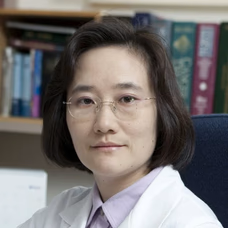
Prof. Seock-Ah Im
One of the world’s leading experts in HER2+ and HR+ breast cancer. Co-author of key NEJM studies including DESTINY-Breast and MONALEESA-7. Patients with HER2-positive and hormone receptor-positive breast cancer choose her for her deep expertise in targeted therapies and excellent results in metastatic disease.
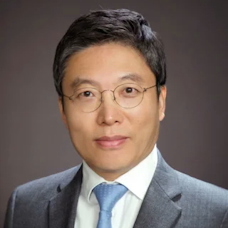
Prof. Tae-You Kim
Highly experienced specialist in colorectal cancer and biomarkers. Co-author of Korean clinical guidelines. Especially valuable for patients with metastatic colorectal cancer due to his precise treatment selection based on the molecular profile of the tumor.
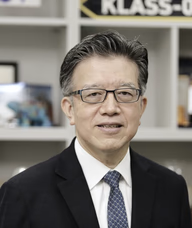
Prof. Han-Kwang Yang
One of the world’s best gastric cancer surgeons. Leader of the KLASS Group, which significantly changed global standards for laparoscopic and robot-assisted gastrectomy. Patients highlight excellent oncological control and fast recovery after surgery.
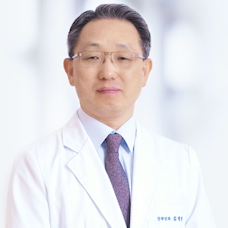
Prof. Jae-Weon Kim
Expert in gynecologic oncology (ovarian, endometrial, and cervical cancer). Co-author of major international KGOG studies. Especially recommended for patients with advanced ovarian cancer requiring comprehensive and personalized treatment.
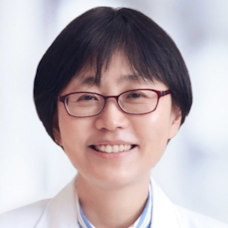
Prof. Young Joo Park
Leading thyroid cancer specialist. Author of the Korean Thyroid Association Guidelines 2023. Has extensive experience treating refractory and advanced forms, including RAI-refractory thyroid cancer.
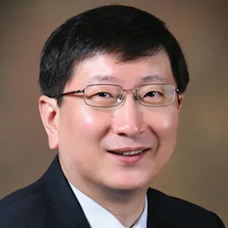
Prof. Sung-Soo Yoon
Specialist in acute leukemia (AML) and bone marrow transplantation. One of SNUH’s most experienced hematologists, actively involved in research and treatment of complex cases requiring intensive therapy and HSCT.
Clinic advantages:
- One of Korea’s most prestigious university oncology centers with a strong scientific foundation
- High level of multidisciplinary tumor boards and personalized treatment planning
- Active participation in international clinical trials
- Strong expertise in gastric surgery, gynecologic oncology, and transplantation
- Modern equipment and a high level of service for international patients
- Excellent reputation in treating complex and rare cancers
Which Clinic to Choose Depending on the Type of Cancer
The choice of clinic in Korea strongly depends on the type and stage of cancer. Here are recommendations based on patient experience and the strengths of Korean medical centers:
Stomach Cancer
The best options are Asan Medical Center or Samsung Medical Center. These hospitals are considered global leaders in gastric cancer surgery. They are especially strong in minimally invasive and robot-assisted procedures, as well as comprehensive treatment of advanced disease.
Lung Cancer
The optimal choice is Samsung Medical Center and Severance Hospital. Samsung is particularly strong in robotic thoracic surgery and targeted therapy, while Severance stands out in immunotherapy and treatment of non-small cell lung cancer.
Liver and Bile Duct Cancer
Here, the undisputed leader is Asan Medical Center. The clinic is one of the world’s top centers for living donor liver transplantation and complex liver and biliary tract surgery.
Lymphomas and CAR-T Therapy
The best results are demonstrated by Samsung Medical Center and Seoul National University Hospital (SNUH). Samsung has a strong CAR-T program, while SNUH actively participates in international research on aggressive lymphoma treatment.
Brain Tumors
Severance Hospital and Samsung Medical Center are highly recommended. Both clinics have excellent neuro-oncology centers with experience in awake surgery and advanced radiation therapy techniques.
Breast Cancer
A good choice would be Samsung Medical Center and Seoul National University Hospital. These hospitals provide a high level of breast-conserving surgery, reconstruction, and modern targeted therapies, including HER2-directed treatment.
If you have another type of cancer or a complex situation (recurrence, rare tumor, metastases), contact us. We will help select the right clinic and doctor specifically for your diagnosis, stage, and health condition.
How Cancer Treatment Works in Korea and Which Types Are Treated Most Successfully
Cancer treatment in South Korea is always tailored individually for each patient. The process begins with comprehensive diagnostics using advanced technology such as PET-CT, high-resolution MRI, molecular and genetic testing. After that, a team of specialists develops a detailed treatment plan, which may include surgery, chemotherapy, radiation therapy, targeted drugs, or immunotherapy. Robotic surgery using the da Vinci system and proton therapy are widely used.
Main advantages of this approach:
- Very accurate and fast diagnostics
- Personalized treatment based on tumor characteristics
- Active use of robotic surgery and modern radiation technologies
- Multidisciplinary teamwork at every stage of treatment
- Comfortable conditions and strong organization for international patients
Which cancers are treated most successfully in South Korea?
Korean clinics are especially known for their results in treating the following cancers:
- Stomach cancer
- Liver cancer
- Colorectal cancer
- Thyroid cancer
- Breast cancer
- Lung cancer
- Prostate cancer
In these fields, Korean specialists активно use minimally invasive and robotic techniques, targeted therapy, and modern multimodal treatment protocols.
How long does treatment take?
Everything depends on the cancer type, stage, and chosen treatment plan. Here are realistic approximate timelines:
- Diagnostics — usually takes 3–7 days. During this time, all necessary examinations are completed, including PET-CT, MRI, and molecular testing.
- Surgery — after surgery, patients generally remain in the hospital for 1–3 weeks.
- Chemotherapy — treatment courses may last several months (usually 4–6 months).
- Radiation therapy — most often takes 1–6 weeks.
- Immunotherapy and targeted therapy — treatment may continue from several months to several years depending on tumor response.
On average, the full process — from arrival for diagnostics to completion of the main treatment phase — takes about 3 to 8 months. After that, patients usually return home for follow-up with local doctors.
Recovery
After robotic surgery, patients usually stay in Korea for 7–14 days. Full return to normal daily life generally takes from one to four months. Korea has a well-developed rehabilitation system that includes physiotherapy, specialized nutrition, and psychological support.
Success Rates of Cancer Treatment in Korea
In 2023, South Korea registered 288,613 new cancer cases. At the same time, 85,271 people died from cancer-related diseases. The total number of people living with a cancer diagnosis exceeded 2.73 million, which is about 5.3% of the country’s population.
In recent years, treatment outcomes in Korea have improved significantly. The overall 5-year relative survival rate for all cancers combined during 2019–2023 reached 73.7%. For localized-stage cancers, this figure rises to 92.7% (PubMed).
Particularly notable progress has been made in early diagnosis. The proportion of cancers detected at a localized stage increased from 45.6% in 2005 to 51.8% in 2023. Thanks to the national screening program, the share of early-stage stomach, colorectal, and breast cancers has significantly increased (Statista).
Korea demonstrates one of the lowest cancer mortality rates among countries with high cancer incidence. The country has some of the world’s lowest mortality-to-incidence (M/I) ratios for stomach cancer, colorectal cancer, and breast cancer compared with other developed nations.
Among individual cancer types, the highest 5-year survival rates are observed in thyroid cancer, prostate cancer, breast cancer, and testicular cancer. At the same time, pancreatic cancer and some bile duct cancers remain among the most challenging diseases to treat.
Why Contact Experts Medical
At Experts Medical, we have been helping people from different countries access high-quality cancer treatment at leading clinics worldwide for more than 9 years. During this time, we have organized treatment for thousands of patients and know how important it is to feel supported and confident at every stage.
All our services are completely free for patients. We do not charge any commissions. You pay only directly to the clinic and doctor according to official pricing.
Before your trip, we prepare a detailed individualized treatment plan. We request an official preliminary treatment plan and estimated cost directly from the clinic in advance.
Advantages of working with us:
- We provide second opinions from leading specialists and carefully verified treatment plans
- We support you throughout the entire journey — from the first medical documents to your return home
- We are always available: our team responds quickly to any questions
- We act on your side and protect your interests in communication with clinics and doctors
- We work only with proven top specialists selected over many years
- Thanks to our experience, you avoid common mistakes and unnecessary expenses
We take care of the entire organization of your trip so that you can focus only on your health. With us, treatment abroad becomes significantly simpler, calmer, and more transparent.
Conclusion
South Korea is rightfully considered one of the global leaders in cancer treatment. Modern technologies, high rates of early diagnosis, robotic surgery, proton therapy, and personalized approaches allow excellent results to be achieved for many types of cancer. Korean specialists are especially strong in the treatment of stomach cancer, breast cancer, thyroid cancer, prostate cancer, and colorectal cancer.
Choosing the right clinic and doctor plays a decisive role. The chances of successful treatment and future quality of life directly depend on this decision.
You do not need to spend time and energy independently searching for information, comparing clinics, or checking specialists. At Experts Medical, we have already done this work for you and selected only those centers and doctors who can truly be trusted.
If you or your loved ones are facing a cancer diagnosis, we are ready to help organize treatment in Korea quickly, smoothly, and with maximum care.
Frequently Asked Questions
How long does cancer treatment in South Korea take?
The diagnostic stage usually takes 3–7 days. The main treatment course (surgery, chemotherapy, radiation therapy, or targeted therapy) may last from several weeks to 3–6 months depending on the type and stage of cancer. The entire process from arrival to completion of active treatment most often takes between 3 and 8 months.
Which cancers are treated most successfully in Korea?
Korean clinics are especially strong in treating stomach cancer, thyroid cancer, breast cancer, prostate cancer, colorectal cancer, and liver cancer. Excellent outcomes are achieved thanks to early diagnosis, robotic surgery, and modern targeted and immunotherapy protocols.
Do I need to pay for the entire treatment in advance?
No. In most cases, payment is made directly to the clinic after arrival and only for the services actually provided. We help prepare a detailed treatment plan in advance.
How does Experts Medical help organize treatment in Korea?
We fully support patients at every stage: helping select the right doctor and clinic, preparing medical documents, arranging online consultations, booking flights and accommodation, and providing interpreters and transfers. All Experts Medical services are free for the patient.