



- At the clinic's price without markups
- with full doctor support
When it comes to cancer, patients are increasingly looking not just for a clinic, but for a specific doctor who truly specializes in their exact diagnosis. In Korea, there are specialists who regularly participate in international research and treat even the most complex cases.
In 2023, 288,613 new cancer cases were registered in the country, and the overall 5-year survival rate across all cancer types reached 73.7%. With early diagnosis, this figure rises to 92.7%. These outcomes largely depend on the experience and approach of the treating physician (PubMed).
Choosing the right doctor can significantly affect the outcome of treatment. Sometimes even a small difference in experience changes the entire picture - from the selected therapy to quality of life after treatment.
At Experts Medical, we help people with cancer diagnoses. We have supported more than 12,000 patients and know exactly which doctors currently achieve the strongest results for different types of cancer. That means you do not need to spend time searching on your own - we have already done the research and selected trusted options for you.
Stomach Cancer
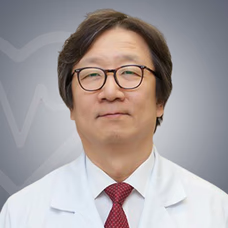
Professor Yoon-Koo Kang
Professor Yoon-Koo Kang from Asan Medical Center has been treating stomach cancer and GIST for many years. He helps patients even in cases where the disease has progressed significantly. In his practice, he often selects medications tailored specifically to the characteristics of each patient’s tumor.
His approach is distinguished by close attention to detail. He carefully monitors how the body responds to treatment and works together with other doctors to adjust the treatment plan if necessary. Many patients note that they feel more confident with him because everything is explained clearly and directly.
- Specialization: stomach cancer and gastrointestinal stromal tumors (GIST)
- Clinical trials: principal investigator in several major international studies on new drugs for stomach cancer and GIST
- Position: Professor in the Department of Oncology at Asan Medical Center
- Experience: more than 30 years working with cancer patients, former president of the Korean Cancer Association
- Score: 35/35
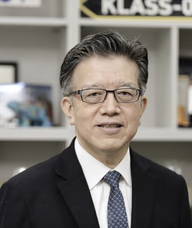
Professor Han-Kwang Yang
Professor Han-Kwang Yang from Seoul National University Hospital (SNUH) has been deeply involved in the treatment of stomach cancer for many years. He helps patients at different stages of the disease and places special emphasis on modern approaches to surgical treatment.
His experience allows him to perform surgeries with high precision, which is especially important in stomach cancer treatment. Many patients note that treatment with him feels more organized and follows a clear plan at every stage.
- Specialization: stomach cancer
- Clinical trials: leader of the KLASS group (Korean Laparoscopic Gastrointestinal Surgery Study Group), which changed approaches to stomach cancer surgery
- Position: Professor in the Department of Surgery at SNUH
- Experience: one of the highest volumes of stomach cancer surgeries in the world
- Score: 33/35
Lung Cancer
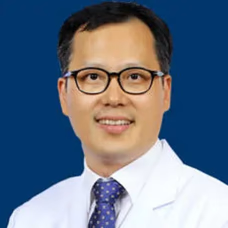
Professor Byoung Chul Cho
Professor Byoung Chul Cho works at Yonsei Cancer Center (Severance Hospital) and has been treating lung cancer for many years. He is particularly experienced in cases where the tumor has specific genetic mutations. Thanks to his work, many patients receive modern targeted therapies that work more precisely than standard chemotherapy.
He is constantly involved in the development of new medications and carefully monitors how the disease behaves in each individual patient. His patients often note that treatment is selected with great attention to all tumor characteristics.
- Specialization: lung cancer (non-small cell), targeted therapy, and immunotherapy
- Clinical trials: participated in more than 60 studies, including key trials of lazertinib, amivantamab, and repotrectinib (modern targeted therapies for lung cancer)
- Position: Director of the Lung Cancer Center at Yonsei Cancer Center
- Experience: more than 570 scientific publications, high citation index, director of a research laboratory
- Score: 35/35
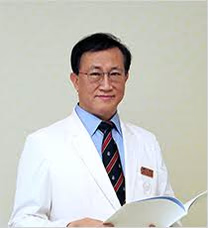
Professor Jhingook Kim
Professor Jhingook Kim from Samsung Medical Center specializes in the treatment of lung cancer. He helps patients with complex tumors involving major blood vessels and critical structures.
Thanks to his extensive experience, he is able to help even in cases where the tumor is located in hard-to-reach areas. His patients often say that treatment is carried out with close attention to detail and a strong understanding of the situation.
- Specialization: lung cancer
- Clinical trials: participation in studies on preoperative therapy for lung cancer
- Position: Professor in the Department of Thoracic and Cardiovascular Surgery at Samsung Medical Center
- Experience: specialist in complex forms of lung cancer involving major blood vessels
- Score: 30/35
Breast Cancer
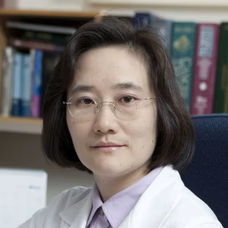
Professor Seock-Ah Im
Professor Seock-Ah Im from Seoul National University Hospital (SNUH) specializes in the treatment of breast cancer. She most often helps patients with HER2-positive and hormone receptor-positive advanced breast cancer. Thanks to her experience, many women receive modern medications that significantly improve disease control.
She actively participates in major international studies and always strives to select treatment that is максимально effective for each individual patient.
- Specialization: breast cancer (HER2-positive and HR-positive)
- Clinical trials: principal or co-principal investigator in several major international phase III studies for advanced breast cancer
- Position: Professor in the Department of Internal Medicine at SNUH
- Experience: co-author of important publications in NEJM and Lancet Oncology, recipient of a university award
- Score: 35/35
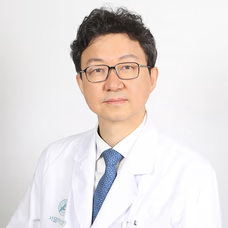
Professor Sung-Bae Kim
Professor Sung-Bae Kim from Asan Medical Center specializes in the treatment of breast cancer. He most often helps women with HER2-negative and triple-negative advanced breast cancer. His experience allows him to select modern treatment regimens even in difficult cases.
He actively participates in major international studies, which helps him apply the newest approaches in patient care. Many women note that treatment with him feels more confident and comes with a clear understanding of every stage.
- Specialization: breast cancer (HER2-negative and triple-negative)
- Clinical trials: principal investigator in several major phase III breast cancer studies
- Position: Director of the Breast Cancer Center at Asan Medical Center (2018–2024), Professor in the Department of Oncology
- Experience: scientific co-chair of the ESMO Breast Congress
- Score: 34/35
Liver and Biliary Tract Cancer
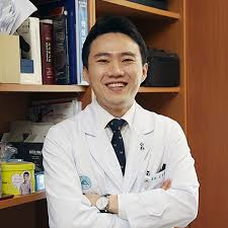
Professor Changhoon Yoo
Professor Changhoon Yoo from Asan Medical Center specializes in the treatment of liver and biliary tract cancer. He helps patients with these complex tumors when the disease requires a highly individualized approach to medication selection. His work is often focused on finding effective options even when treatment choices are limited.
He always works closely with surgeons to ensure that treatment is well coordinated and takes all aspects of the case into account.
- Specialization: liver cancer and biliary tract cancer
- Clinical trials: principal investigator of the key NIFTY study (an international clinical trial for biliary tract cancer) on the treatment of biliary tract cancer
- Position: Professor in the Department of Oncology at Asan Medical Center
- Experience: participation in the development of new treatment approaches for rare gastrointestinal tumors
- Score: 33/35
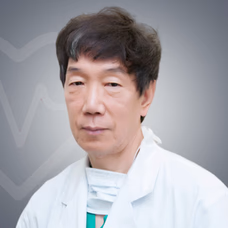
Professor Sung-Gyu Lee
Professor Sung-Gyu Lee from Asan Medical Center has long specialized in the treatment of liver cancer. He helps patients even in cases where the disease has severely affected liver function and major intervention is required. His experience allows him to perform complex treatments, including living donor liver transplantation, with strong outcomes.
He always works together with other physicians to ensure that every stage of treatment is coordinated. This approach helps patients cope better with the disease and feel more confident throughout the process.
- Specialization: liver cancer
- Clinical trials: lead author of studies on liver transplantation for liver cancer in Korea
- Position: Director of the Department of Liver, Biliary Tract, and Transplant Surgery at Asan Medical Center
- Experience: Asan Medical Center is one of the largest liver transplant centers in the world
- Score: 35/35
Colorectal Cancer
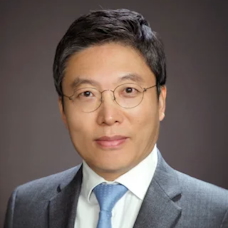
Professor Tae-You Kim
Professor Tae-You Kim works at Seoul National University Hospital (SNUH) and has long specialized in the treatment of colorectal cancer. He has a deep understanding of how different molecular characteristics of a tumor influence the choice of medications and helps patients with advanced forms of the disease.
His approach is based on a thorough analysis of each case. He frequently participates in studies aimed at improving treatment outcomes for metastatic colorectal cancer.
- Specialization: colorectal cancer and other gastrointestinal tumors
- Clinical trials: active researcher in the Korean Cancer Study Group for colon cancer
- Position: Professor in the Department of Internal Medicine at SNUH
- Experience: more than 200 scientific publications in international journals, well-established expert in this field
- Score: 32/35
Pancreatic Cancer
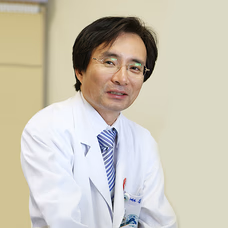
Professor Song Cheol Kim
Professor Song Cheol Kim works at Asan Medical Center and specializes in the treatment of pancreatic cancer. He helps patients with tumors that require a complex and highly careful approach. Even in locally advanced cases, he looks for opportunities to provide effective treatment.
His work is closely coordinated with other specialists, allowing for a comprehensive treatment plan from the beginning to the completion of therapy. Patients often note that treatment with him feels more organized and easier to understand.
- Specialization: pancreatic cancer
- Clinical trials: co-investigator in studies on preoperative therapy for pancreatic cancer
- Position: Professor in the Department of Hepatobiliary and Pancreatic Surgery at Asan Medical Center
- Experience: one of the highest volumes of pancreatic cancer surgeries in Korea
- Score: 33/35
Lymphomas and Blood Disorders
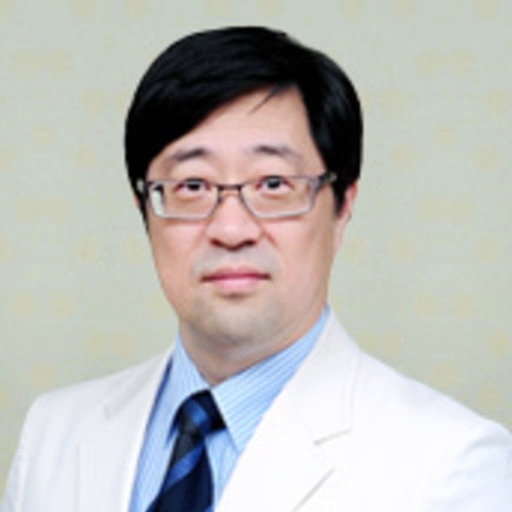
Professor Won Seog Kim
Professor Won Seog Kim works at Samsung Medical Center and has been treating various types of lymphoma for many years. He helps patients with aggressive forms of the disease, including rare subtypes where precise therapy selection is essential.
He pays special attention to cases where standard treatment no longer works and looks for new options using modern therapies.
- Specialization: lymphomas, including rare T-cell and NK/T-cell forms (rare types of lymphoma originating from T-lymphocytes and natural killer cells)
- Clinical trials: leader of numerous phase II and III lymphoma treatment studies
- Position: Professor in the Department of Hematology and Oncology at Samsung Medical Center
- Experience: one of the leading specialists in peripheral T-cell lymphomas in Asia
- Score: 35/35
Professor Cheolwon Suh
Professor Cheolwon Suh works at Asan Medical Center and has been treating lymphomas for more than 30 years. He helps patients with mantle cell lymphoma, diffuse large B-cell lymphoma, and other types, including complex cases involving the central nervous system.
His extensive experience allows him to confidently manage even aggressive forms of the disease. He always carefully analyzes each patient’s situation to select the most appropriate therapy at every stage.
- Specialization: lymphomas (mantle cell, diffuse large B-cell, and others)
- Clinical trials: participant in studies conducted by the Korean Lymphoma Consortium
- Position: Professor in the Department of Oncology at Asan Medical Center
- Experience: more than 30 years of experience treating lymphomas
- Score: 31/35
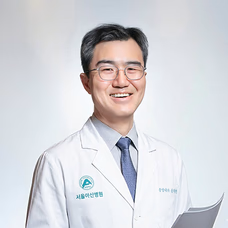
Professor Dok Hyun Yoon
Professor Dok Hyun Yoon works at Asan Medical Center and specializes in the treatment of lymphomas. He most often helps patients with relapsed and refractory forms of the disease, where CAR-T therapy (cell-based immunotherapy using genetically modified T-lymphocytes) and other modern approaches are required.
He is actively developing the CAR-T program at his clinic and carefully monitors how patients tolerate treatment. This approach helps identify solutions even in very complex situations.
- Specialization: lymphomas and CAR-T therapy
- Clinical trials: principal investigator of CAR-T therapy studies at the Asan CAR-T Center
- Position: Director of the CAR-T Therapy Center at Asan Medical Center
- Experience: Asan Medical Center is one of the leading centers for commercial CAR-T therapy in Korea
- Score: 31/35
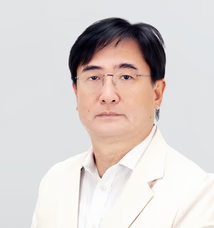
Professor Kihyun Kim
Professor Kihyun Kim works at Samsung Medical Center and has been treating multiple myeloma for many years. He helps patients both in the early and advanced stages of the disease, including cases where previous treatment has stopped working. In his practice, he uses modern drugs and treatment methods to better control the disease.
He pays attention not only to the tumor itself, but also to the patient’s overall condition, striving to select therapy that provides the maximum effect with minimal complications. Thanks to this approach, many patients are able to maintain a good quality of life for a longer time.
- Specialization: multiple myeloma
- Clinical trials: principal investigator in several international myeloma studies
- Position: Professor in the Department of Hematology and Oncology at Samsung Medical Center
- Experience: one of the largest myeloma treatment centers in Korea with a registry spanning more than 20 years
- Score: 34/35
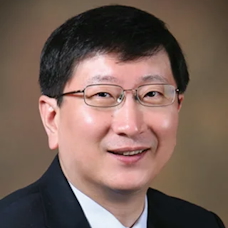
Professor Sung-Soo Yoon
Professor Sung-Soo Yoon at Seoul National University Hospital (SNUH) has been treating acute leukemias for many years, primarily acute myeloid leukemia (AML). He helps patients both at the initial stage of the disease and in complex relapse cases when bone marrow transplantation is required. His approach allows therapy to be carefully tailored to the characteristics of each individual case.
He actively participates in research and always strives to use the most advanced treatment options to improve outcomes. Patients often note that treatment with him feels clearer and follows a well-defined plan at every stage.
- Specialization: acute leukemias (especially AML) and bone marrow transplantation
- Clinical trials: principal investigator in several studies on the treatment of acute myeloid leukemia
- Position: Professor in the Department of Hematology and Medical Oncology at SNUH
- Experience: one of the most active researchers in acute leukemia in Korea
- Score: 32/35
Gynecologic Oncology
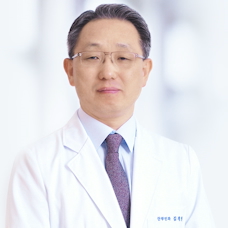
Professor Jae-Weon Kim
At Seoul National University Hospital (SNUH), Professor Jae-Weon Kim specializes in the treatment of gynecologic cancers. He often helps women with ovarian, uterine, and cervical cancer, especially in advanced stages.
His approach is based on a thorough analysis of each case and the use of modern treatment regimens. Patients note that they feel they are in safe hands with him and receive clear explanations throughout every stage of treatment.
- Specialization: gynecologic oncology (ovarian, endometrial, and cervical cancer)
- Clinical trials: co-leader of the AMBITION study (an international clinical trial for ovarian cancer) and other major studies in gynecologic oncology
- Position: Professor in the Department of Obstetrics and Gynecology at SNUH
- Experience: SNUH is one of the largest ovarian cancer treatment centers in Korea
- Score: 31/35
Prostate and Genitourinary Cancer
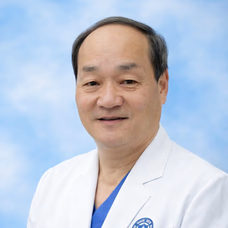
Professor Sung Joon Hong
Professor Sung Joon Hong works at Severance Hospital and has been treating prostate cancer for many years. He helps men with both early-stage and more advanced forms of the disease. In his practice, he strives to select treatment that is effective while also taking the patient’s overall condition into account.
He pays attention not only to the tumor itself, but also to how treatment affects the patient’s quality of life. This approach helps patients feel calmer throughout the entire process.
- Specialization: prostate cancer
- Clinical trials: principal investigator in multicenter prostate cancer studies in Korea
- Position: Director of the Yonsei University Institute of Urological Science
- Experience: Severance Hospital is one of the leading prostate cancer treatment centers in Korea
- Score: 31/35
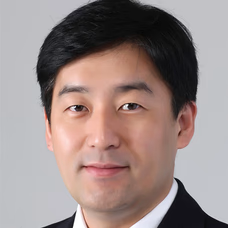
Professor Koon Ho Rha
Professor Koon Ho Rha at Severance Hospital specializes in the treatment of prostate, kidney, and bladder cancer. He uses modern techniques to provide treatment with maximum precision and minimal impact on the patient’s body.
His experience allows him to confidently manage different stages of these diseases. Patients often note that treatment with him feels more organized and that every step is clearly explained.
- Specialization: prostate, kidney, and bladder cancer
- Clinical trials: principal investigator and international trainer in robot-assisted surgery for genitourinary cancers
- Position: Head of the Robotic and Minimally Invasive Surgery Center at Severance Hospital
- Experience: one of the most experienced specialists in robotic treatment of genitourinary cancers in Asia
- Score: 31/35
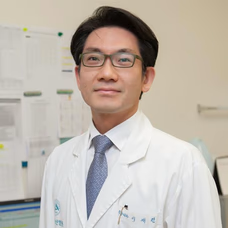
Professor Jae-Lyun Lee
Professor Jae-Lyun Lee works at Asan Medical Center and specializes in the treatment of kidney cancer. He helps patients with metastatic forms of the disease using immunotherapy and other modern medications.
He carefully monitors changes in the course of the disease and adjusts treatment to keep it effective for as long as possible. His approach helps many patients maintain control over the disease even in advanced stages.
- Specialization: kidney cancer (renal cell carcinoma)
- Clinical trials: principal investigator in several international immunotherapy studies for kidney cancer
- Position: Professor in the Department of Oncology at Asan Medical Center
- Experience: Asan Medical Center is one of the largest centers for medical treatment of kidney cancer in Korea
- Score: 30/35
Brain Tumors
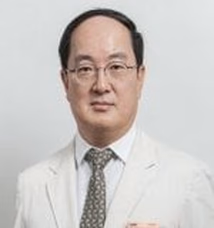
Professor Do-Hyun Nam
Professor Do-Hyun Nam works at Samsung Medical Center and has been treating brain tumors for many years. He helps patients with glioblastoma, other gliomas, and brain metastases. In his practice, he strives to deeply understand how the tumor behaves in each individual patient in order to select the most appropriate treatment and increase the chances of disease control.
He actively applies scientific research findings in patient care and works closely with other specialists. Thanks to this approach, treatment becomes more precise and well thought out, and patients often feel more confident because everything is explained in detail and tailored to their specific situation.
- Specialization: neuro-oncology (glioblastoma, gliomas, and brain metastases)
- Clinical trials: principal investigator of a major phase III immunotherapy study for glioblastoma
- Position: former Director of the Refractory Cancer Research Institute at Samsung Medical Center (2009–2019)
- Experience: head of a large laboratory studying the behavior of brain tumors
- Score: 32/35
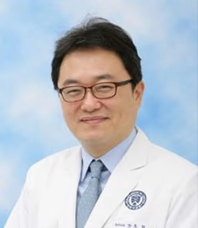
Professor Jong Hee Chang
Professor Jong Hee Chang works at Severance Hospital and specializes in the treatment of brain tumors. He helps patients with gliomas and brain metastases, especially when the tumor is located near critical areas responsible for speech and movement. His approach allows treatment to be carried out with maximum caution.
He uses highly precise methods to preserve important brain functions. Patients often note that they feel they are in safe hands with him because everything is carefully planned and clearly explained.
- Specialization: brain tumors (gliomas and metastases)
- Clinical trials: co-investigator in studies conducted by the Korean Brain Tumor Consortium
- Position: Director of the Brain Tumor Center at Severance Hospital
- Experience: specialist in surgery focused on preserving critical brain functions
- Score: 32/35
Thyroid Cancer
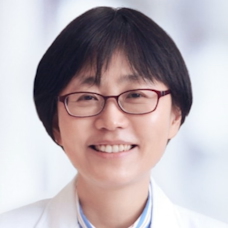
Professor Young Joo Park
Professor Young Joo Park from Seoul National University Hospital (SNUH) specializes in the treatment of thyroid cancer. She helps patients with various forms of the disease, including more aggressive and refractory cases. Her approach allows treatment to be tailored even when standard methods no longer provide the desired effect.
She carefully monitors changes in patients’ conditions and adjusts the treatment plan when necessary. Thanks to this approach, many people are able to achieve better disease control.
- Specialization: thyroid cancer
- Clinical trials: participant in studies on the treatment of advanced thyroid cancer
- Position: Professor in the Department of Internal Medicine at SNUH
- Experience: SNUH has one of the largest thyroid cancer registries in Korea
- Score: 32/35
Radiation Oncology
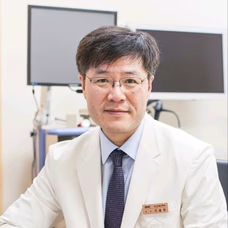
Professor Yong Chan Ahn
Professor Yong Chan Ahn works at Samsung Medical Center and has specialized in radiation therapy for cancer for many years. He most often helps patients with head and neck tumors, as well as esophageal cancer. In his practice, he uses modern radiation techniques, including proton therapy (high-precision radiation using a proton beam), to target tumors as accurately as possible while preserving healthy tissues.
His experience allows him to provide treatment even in complex cases where highly precise dose calculation is critical. Many patients note that the treatment process feels calmer with him because everything is explained in detail and individual disease characteristics are carefully taken into account.
- Specialization: radiation therapy for head and neck cancer, esophageal cancer, and other tumor sites
- Clinical trials: principal investigator in Korean proton therapy studies at the Samsung Proton Therapy Center
- Position: Professor in the Department of Radiation Oncology at Samsung Medical Center
- Experience: Samsung Medical Center is the first private proton therapy center in Korea
- Score: 32/35
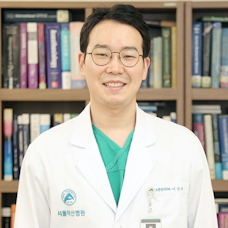
Professor Sang Wook Lee
Professor Sang Wook Lee works at Asan Medical Center and specializes in radiation therapy. He helps patients with lymphomas, glioblastoma, and liver cancer, often combining radiation with other types of treatment. His approach allows tumors to be targeted precisely while reducing the burden on the body.
He works closely with hematologists and other specialists to ensure that all stages of therapy are well coordinated. This team-based approach helps patients receive more comprehensive and carefully planned treatment.
- Specialization: radiation therapy for lymphomas, glioblastoma, and liver cancer
- Clinical trials: leader and co-leader of studies conducted by the Korean Radiation Oncology Group
- Position: Professor in the Department of Radiation Oncology at Asan Medical Center
- Experience: close collaboration with hematologists at Asan Medical Center
- Score: 30/35
Pediatric Oncology
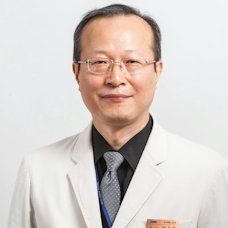
Professor Ki Woong Sung
Professor Ki Woong Sung at Samsung Medical Center specializes in the treatment of pediatric cancers. He most often helps children with neuroblastoma, brain tumors, and sarcomas, including cases that require high-dose chemotherapy and bone marrow transplantation.
His work requires exceptional attention and experience, since treating children is very different from treating adults. He always strives to find a balance between treatment effectiveness and preserving the child’s quality of life.
- Specialization: pediatric oncology and bone marrow transplantation in children
- Clinical trials: principal investigator in studies on high-dose chemotherapy and bone marrow transplantation for pediatric brain tumors
- Position: Professor in the Department of Pediatrics at Samsung Medical Center
- Experience: one of the leading pediatric bone marrow transplantation centers in Korea
- Score: 32/35
How to Choose the Right Doctor for Cancer Treatment in Korea
Choosing an oncologist is one of the most important decisions and directly affects the outcome of treatment. Here are the main recommendations for making the right choice:
- The specialization should match your diagnosis
Look for a doctor who is currently actively treating your specific type of cancer (for example, EGFR-mutated lung cancer, triple-negative breast cancer, glioblastoma, etc.). Experience in “general oncology” is far less valuable than deep specialization.
- Pay attention to key indicators:
- The number of patients with your diagnosis the doctor treats each year
- Participation in international clinical trials (especially as a principal investigator)
- Scientific publications in high-impact journals (NEJM, Lancet Oncology, Journal of Clinical Oncology)
- Experience with targeted therapy, immunotherapy, or complex surgeries specifically for your type of cancer
- Availability of a multidisciplinary team approach
- Get a second opinion
In serious cases, it is recommended to consult at least two doctors. This helps compare treatment approaches, proposed therapy plans, and the doctor’s confidence in the expected outcome.
- Additional important factors:
- The doctor’s age and current level of activity (leading specialists are usually between 45 and 65 years old)
- Reviews from real patients with similar diagnoses
- The level of the hospital (it is best to choose Samsung, Asan, Severance, or SNUH)
- Communication comfort - the doctor should explain everything clearly and answer questions
- You should not rely only on:
- Celebrity status or a large number of publications unrelated to your specific type of cancer
- Advertising and attractive websites
- The highest price (in Korea, treatment costs with a top doctor usually do not differ dramatically)
How Cancer Treatment Works in Korea
In South Korea, cancer treatment is always built around the individual patient. First, doctors conduct an in-depth evaluation using advanced technologies - PET-CT, high-precision MRI, molecular testing, and genetic analysis. This makes it possible to accurately determine the type of tumor and its characteristics. Only after this does a multidisciplinary team of specialists come together to create a detailed treatment plan.
The treatment plan may include surgery, chemotherapy, radiation therapy, targeted drugs, or immunotherapy. Korean hospitals widely use da Vinci robotic systems (robot-assisted surgical systems) and proton therapy, which help provide more precise treatment while preserving healthy tissues.
Main advantages of treatment in Korea:
- High diagnostic accuracy and speed
- An individualized treatment plan tailored to the specific characteristics of your tumor
- Active use of robotic surgery and modern radiation therapy techniques
- Well-coordinated teamwork among specialists at every stage
- Convenient organization and comfort for international patients
How long does treatment take?
Diagnosis is usually completed within a few days or one week. The main course of therapy may last from several weeks to several months, depending on the stage of the disease and the selected treatment regimen. Overall, the period from the initial consultation to the completion of the active treatment phase most often ranges from 3 to 8 months.
Recovery
After robotic surgery, patients usually stay in the hospital for 7–14 days. Full recovery and return to normal daily life typically take from one to four months. Rehabilitation is well developed in Korea: physical therapy, medical nutrition, and psychological support help patients recover faster and return to their usual lifestyle.
Which Types of Cancer Are Treated Most Successfully in South Korea?
Korean oncologists are especially known for achieving strong results in the treatment of the following diseases:
- Stomach cancer - minimally invasive and robotic surgeries are widely used here, along with modern drug therapy regimens, making it possible to achieve strong results even in advanced stages.
- Liver cancer - Korean specialists have extensive experience in both surgical treatment and living donor liver transplantation.
- Colon and rectal cancer - thanks to early diagnosis and precise minimally invasive surgery, doctors are often able to preserve bowel function and achieve excellent long-term outcomes.
- Thyroid cancer - one of the most successful areas of cancer treatment in Korea: modern methods allow surgeries to be performed with minimal incisions and very high recovery rates.
- Breast cancer - targeted therapy and breast-conserving surgery are widely used, often combined with immediate reconstruction.
- Lung cancer - treatment outcomes are especially strong in genetically altered tumor types благодаря precise targeted therapy and immunotherapy.
- Prostate cancer - robotic surgery and modern radiation therapy protocols help treat the disease effectively while preserving quality of life.
How Successfully Is Cancer Treated in South Korea?
In 2023, 288,613 new cancer cases were registered in South Korea, and 85,271 people died from cancer-related diseases. At the same time, more than 2.73 million people in the country are currently living with a cancer diagnosis - about 5.3% of the total population.
Over the past years, treatment outcomes have improved significantly. The overall 5-year survival rate for all cancer types has reached 73.7%. If the tumor is detected at an early, localized stage, this figure rises to 92.7% (PubMed).
One of the most important achievements has been the increase in early diagnosis. The proportion of cases detected at an early stage rose from 45.6% in 2005 to 51.8% in 2023. This is largely due to the national screening program, which allows stomach, colorectal, and breast cancer to be detected more frequently at an early stage (Statista).
Korea also has one of the lowest mortality rates among countries with a high incidence of cancer. The most notable successes have been achieved in the treatment of stomach cancer, colorectal cancer, and breast cancer.
The highest chances of long-term recovery are traditionally seen in thyroid cancer, prostate cancer, breast cancer, and testicular cancer. At the same time, pancreatic cancer and certain types of biliary tract cancer remain among the most challenging diseases to treat.
Why Patients Choose Experts Medical
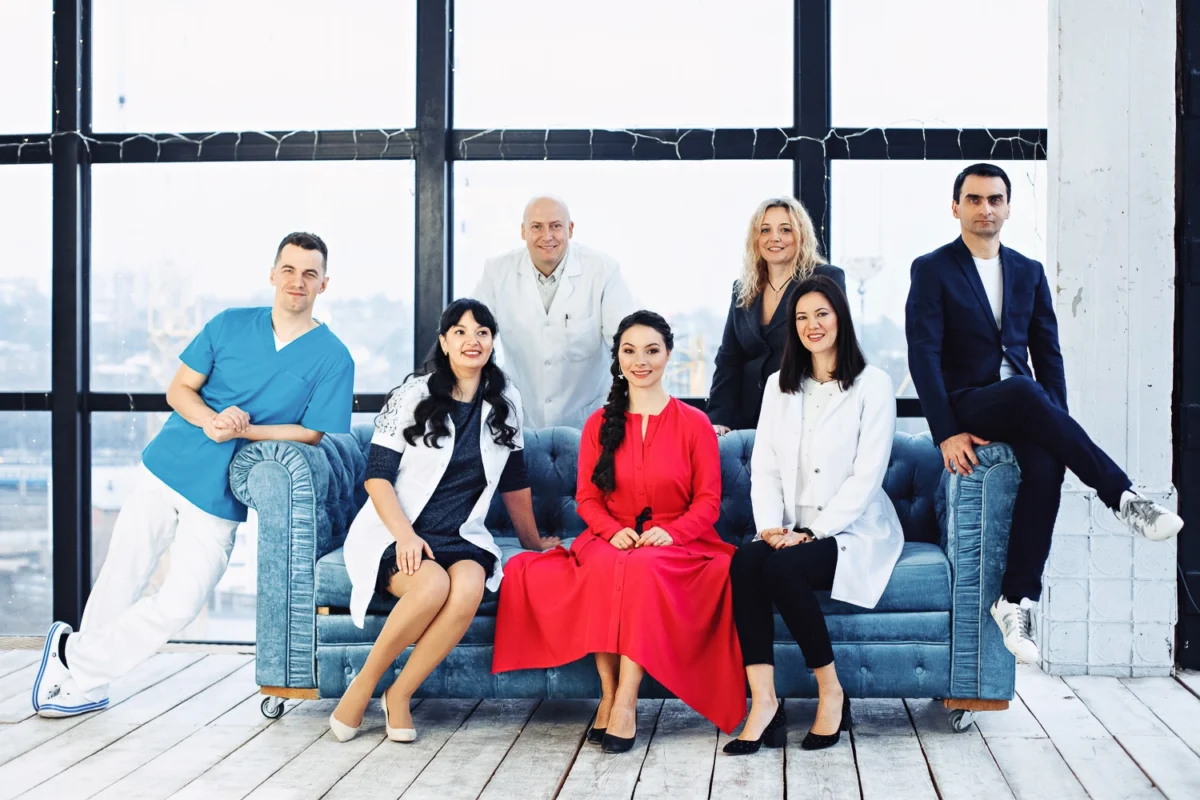
At Experts Medical, we help people from different countries organize cancer treatment abroad. Over the years, we have gained extensive experience and understand exactly how important it is to find the right doctor and clinic to ensure the most effective treatment possible.
All our services are completely free for you. We do not charge any commissions or add hidden fees. You pay the clinic directly according to official pricing.
Before your trip, we always prepare a detailed personalized treatment plan for you.
What we offer:
- We create a verified treatment plan with a clear understanding of what is included in the cost
- We fully support you from document preparation to your return home
- We respond quickly to all questions and always stay in touch
- We protect your interests when communicating with doctors and clinics
- We work only with trusted specialists whom we have carefully selected over many years
- We help you avoid common mistakes and unnecessary overpayments
We do everything possible to make the treatment process calm and easy to understand for you.
Conclusion
South Korea is rightly considered one of the world leaders in cancer treatment. Modern technologies, a high level of early diagnosis, precise targeted therapy and immunotherapy, as well as experienced doctors make it possible to achieve strong results even in complex cases.
Choosing the right doctor and clinic plays a very important role. This often affects not only the effectiveness of treatment, but also how comfortable and manageable the entire process will be for the patient and their family.
You do not need to spend time and energy searching for information, comparing clinics, and evaluating specialists on your own. At Experts Medical, we have already done this work for you. Over the past 9 years, we have studied hundreds of options and selected only those centers and doctors who can truly be trusted.
If you or your loved ones are facing a cancer diagnosis, contact us. We will help organize treatment in Korea quickly, calmly, and with the highest level of care for you.
Frequently Asked Questions
How do I choose the right doctor for cancer treatment in Korea?
The most important factor is the doctor’s experience specifically with your type and stage of cancer. We recommend paying attention to their participation in clinical trials, scientific publications, and work at major university hospitals. It is best to get a second opinion from several specialists in order to compare approaches.
Do I need to know Korean to receive treatment from these doctors?
No, you do not. All major hospitals (Samsung, Asan, Severance, SNUH) have international departments with Russian-speaking or English-speaking coordinators and professional medical interpreters. Doctors usually speak English well or work together with interpreters.
How long does it take to arrange treatment with a specific doctor in Korea?
Usually from 5 to 14 days. We help collect documents, send them to the hospital, receive a preliminary treatment plan, and schedule the arrival date. In urgent cases, the process can be accelerated.
How does Experts Medical help with choosing a doctor in Korea?
We know the best doctors specifically for your type of cancer. This significantly increases the chances of receiving high-quality treatment. We select a doctor for your exact diagnosis and stage free of charge, organize second opinions, help with document translation, coordinate consultations, and fully support the entire treatment process - from the first request to your return home.