




 Top Hospitals
 Cost of Treatment
 Leading Specialists
 Experts Medical
 Treatment Options
- At the clinic's price without markups
- with full doctor support
Each year, around 604,000 new cases of esophageal cancer are diagnosed globally, and more than 544,000 people die from the disease (World Health Organization). In India, it ranks among the top ten cancers by incidence, particularly affecting men in rural and semi-urban populations. The disease often goes undetected until later stages, making access to timely, high-quality treatment absolutely critical.
India has quietly become one of the most trusted destinations for cancer treatment, offering advanced therapies, skilled oncologists, and support systems that actually work – all without the crushing costs you'd see in many other countries. Success rates here reflect this growth: the overall treatment success rate for esophageal cancer in India ranges from 75% to 85%, with early-stage cases achieving up to 90%. Even in advanced stages, many patients experience outcomes between 60% and 70%. Each year, over 52,000 Indians are newly diagnosed with esophageal cancer, making access to timely treatment a growing national priority.
But this isn’t just about affordability. It's about access to real expertise, personalized care, and a smoother experience when you're facing one of the hardest chapters of your life. This guide breaks down what treatment looks like in India, how hospitals approach different stages of the disease, and what it’s like to go through the process – with clarity, not confusion.
Global and Indian Success Rates
Globally, the 5-year survival rate for esophageal cancer is about 35%. But India is outperforming that figure in major centers. According to data compiled across top hospitals:
- Overall success rate in India: 75% to 85%
- Early-stage cancer: up to 90%
- Advanced-stage cases: 60% to 70%
- 5-year survival rate in India: around 65% (National Cancer Registry Program)
In metropolitan hospitals in Mumbai, Delhi, and Chennai, success rates can go even higher due to the availability of robotic surgery, better radiation tools, and more experienced teams.
How Treatment Is Diagnosed and Planned
Initial Diagnostics:
- Endoscopy + Biopsy: A flexible tube with a camera is passed down the throat to visually inspect the esophagus and collect a tissue sample for histopathological examination.
- Imaging: PET-CT scans, MRI, and endoscopic ultrasound (EUS) help assess the depth of tumor invasion, lymph node involvement, and distant metastases.
- Genetic testing: In top-tier hospitals, next-generation sequencing (NGS) or other genetic panels may be used to identify molecular targets for advanced therapies.
Staging:
- Stage I: Cancer is confined to the top layer (mucosa) of the esophagus.
- Stage II: Tumor has invaded deeper layers or regional lymph nodes.
- Stage III: Cancer involves nearby structures or multiple lymph nodes.
- Stage IV: Cancer has spread to distant organs such as the liver, lungs, or bones.
The cancer stage determines the overall strategy – from surgery alone to complex combinations like chemoradiation or palliative care for late-stage diagnoses.
Treatment Options in India
- Surgery
Esophagectomy: Surgical removal of part or all of the esophagus is the gold standard in early to mid-stage cancers. It can be curative when performed in time.
Minimally invasive approaches: Laparoscopic and robotic-assisted esophagectomy reduce recovery time, surgical trauma, and infection risks. Many Indian hospitals now routinely offer this technique.
- Chemotherapy
Used before surgery (neoadjuvant) to shrink tumors or after surgery (adjuvant) to destroy residual cancer cells.
In late-stage or inoperable cases, it serves as the primary treatment. Regimens often combine drugs like cisplatin and 5-FU.
Chemotherapy is frequently paired with radiation for stronger effect.
- Radiation Therapy
External Beam Radiation (EBRT): Widely available and forms the backbone of most treatment protocols.
IMRT / TrueBeam / Proton Therapy: These advanced methods allow precise targeting of tumors while sparing surrounding tissue. They are increasingly available in India’s metro hospitals.
Brachytherapy: Internal radiation is sometimes used for localized esophageal tumors.
- Chemoradiation
A common choice for stage II and III patients, especially when surgery isn’t immediately possible.
Combines the systemic action of chemo with local control from radiation.
Demands nutritional support due to increased side effects, including esophagitis and fatigue.
- Palliative Care
For advanced or metastatic cases, the focus shifts to symptom relief and comfort.
Pain control, feeding tubes, and counseling support are often necessary.
Many Indian centers offer integrative care models that include mental health and family counseling to improve overall well-being.

Choosing to receive medical care in another country is never easy. It involves uncertainty, unfamiliar systems, and a lot of questions. That’s where we at Experts Medical step in – not just as facilitators, but as long-term partners in your treatment journey. We understand that cancer care is not just about appointments and test results. It’s about trust, communication, and having someone in your corner from day one.
Here's what we actually do:
- We study your case:
Before anything else, we carefully review your reports, imaging scans, and medical history. This helps us understand the specifics of your condition and ensures we only suggest relevant options.
- We pick the right doctor:
We don’t guess or send you to whoever is available. We connect you with top oncologists and surgeons in India who specialize in your type of cancer, including those with experience in complex or late-stage esophageal cancer cases.
- We get help for kids:
Through our foundation and partner funds, we actively assist in funding treatments for children under 18, particularly those who need urgent interventions.
- We arrange everything:
Once you decide on a hospital and doctor, we take care of the logistics – visas, airport transfers, hotels, translators, and scheduling. You focus on your health, we handle the rest.
- We stay with you:
Our support doesn’t stop when treatment starts. You’ll have 24/7 access to our coordination team for anything that comes up – questions, translation needs, emergencies, or just emotional support.
We’re here to cut through the stress and confusion, giving you a clear, reliable path forward — no matter how complex your case may seem. And importantly, we do all this without charging you any additional coordination fees – our support is entirely free for patients.
Duration of Treatment
- Diagnostics: ~5 days
- Chemotherapy (1 course): ~1 month
- Radiotherapy (30 fractions): ~1 month
- Surgery only: 7–10 days in-country
- Genetic testing: 14 days
Esophageal Cancer Pricing (USD)
- ~from $375 to $565PET-CT
- ~$700-$1,050Gastroscopy
- ~$900-$1,350Colonoscopy (if relevant)
- ~$975-$1,800One chemo cycle
- ~$3,650-$5,500Radiotherapy (30 fractions)
- ~$3,800-$5,800TrueBeam radiotherapy (25 fractions)
All payments go directly to the hospital or doctor. We don’t charge patients.
Top Indian Hospitals Known for Esophageal Cancer Treatment
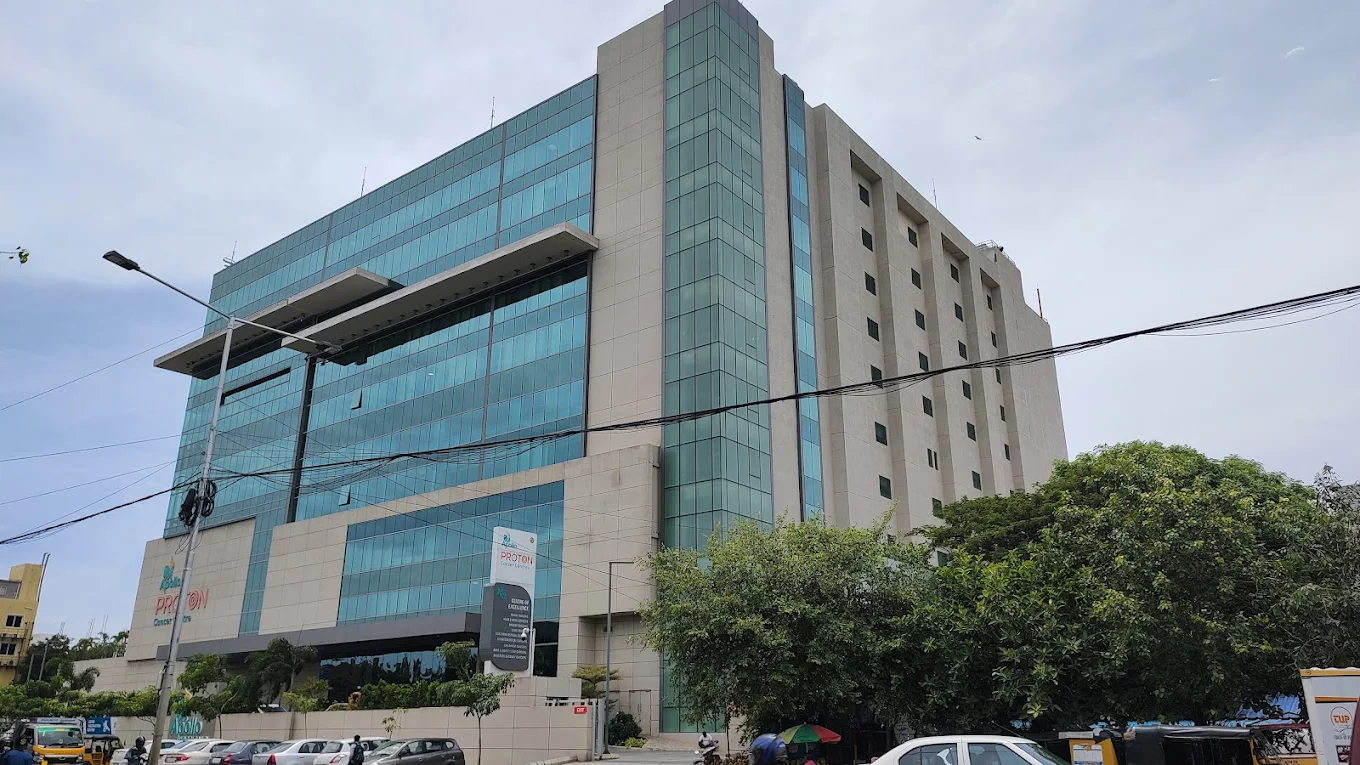
1. Apollo Proton Cancer Centre (APCC)

When it comes to treatment for esophageal cancer in India, Apollo Proton Cancer Centre (APCC) stands out for one key reason: it offers proton therapy – a highly focused form of radiation that’s particularly helpful when tumors are located near sensitive structures, like the esophagus.
Proton therapy lets doctors deliver high doses of radiation directly to the tumor while sparing healthy tissue around it. That matters a lot in esophageal cancer, where even a few millimeters of unnecessary radiation can affect nearby organs like the lungs or heart.
The center is bolstered by renowned clinicians such as Dr. Khader Hussain, a leading thoracic surgical oncologist with over 20 years of experience and a background in minimally invasive techniques. Complementing surgical care is Dr. Sujith Kumar Mullapally, an expert in gastrointestinal medical oncology known for his skill in chemotherapy and immunotherapy, and Dr. Bhawna Sirohi, a seasoned oncologist with international training and extensive experience in managing GI cancers including esophageal malignancies.
Esophageal Cancer-Specific Services:
- Proton therapy for localized esophageal tumors with precision targeting
- Combined modality treatment including chemotherapy and radiation
- Supportive care for swallowing difficulties and nutritional needs

2. Fortis Hospital Network

Fortis Hospital Network is one of the more prominent multispecialty hospital chains in India. Their oncology departments operate under the Fortis Cancer Institute umbrella and bring together medical, surgical, and radiation oncologists in a multidisciplinary setup. The surgical oncology department is led by Dr. Sandeep Nayak, a pioneer in laparoscopic and robotic surgeries, including advanced esophageal procedures, with over two decades of experience. Supporting systemic therapy decisions is Dr. Ankur Bahl, who specializes in immunotherapy and targeted treatments for GI cancers.
Esophageal cancer care at Fortis is offered as part of a broader gastrointestinal oncology program. Treatment options range from endoscopic resections for early-stage tumors to complex surgeries like esophagectomy and esophagogastrectomy. They also offer radiation therapy and medical oncology protocols involving chemotherapy, immunotherapy, and targeted therapies, all tailored to the stage and nature of the disease. Fortis hospitals also provide diagnostic services including biopsy, histopathology, and PET-CT scans, with support from advanced tools like 3D imaging and computer-aided surgical planning.
Esophageal Cancer-Specific Services:
- Endoscopic removal of early-stage tumors
- Esophagectomy and esophagogastrectomy procedures
- Combined chemoradiation protocols for advanced cases
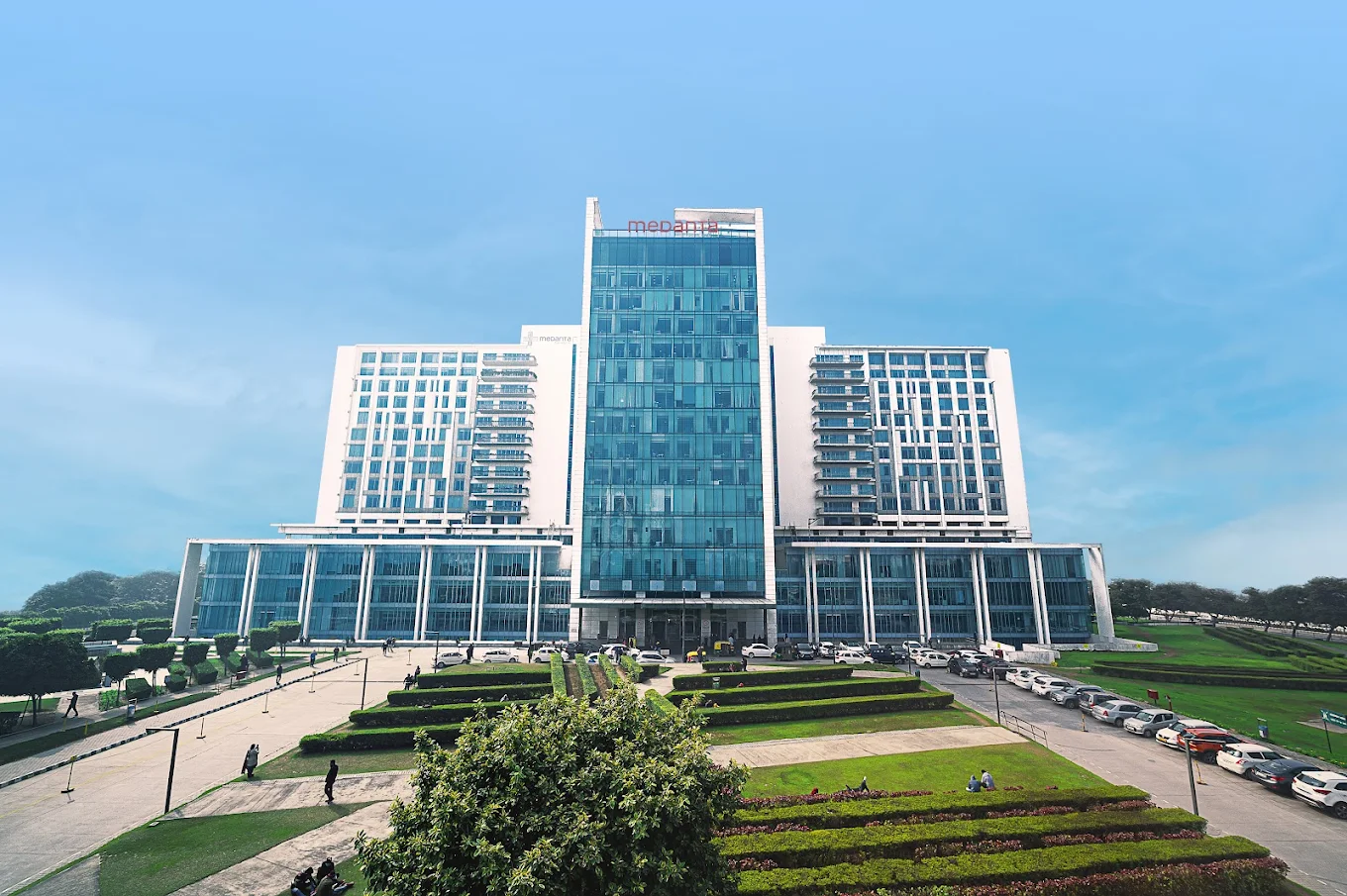
3. Medanta

Medanta is a multi-specialty hospital in India, offering comprehensive care across a range of specialties. It operates as a large-scale medical complex with many international patients treated annually. The hospital is organized into various institutes, each focusing on a specific domain, such as oncology, neurology, orthopedics, and organ transplantation. At its helm is Dr. Arvind Kumar, a veteran thoracic surgeon renowned for introducing VATS and robotic esophagectomy techniques in India. His leadership is matched by Dr. Shyam Singh Bisht, who delivers high-precision radiation using CyberKnife and RapidArc, and Dr. Ashok Kumar Vaid, specializing in precision oncology and cancer genomics.
Esophageal cancer treatment at the hospital often begins with detailed diagnostics like barium swallow, endoscopy, and biopsy. Depending on the case, patients may undergo surgery, chemotherapy, radiation, or a combination. Surgeons perform procedures such as esophagectomy and endoscopic mucosal resections, while radiation specialists use advanced systems like CyberKnife and RapidArc.
Esophageal Cancer-Specific Services:
- Diagnostic tools such as EGD, barium swallow, CT scans, and biopsy
- Surgical procedures including esophagectomy and mucosal resection
- Endoscopic treatments like EMR and ESD for early-stage cancers
Leading Specialists in Esophageal Cancer Treatment in India



Final Word
Esophageal cancer is one of the more challenging cancers to diagnose and treat, but with the right approach, outcomes can be significantly improved. India has emerged as a reliable, accessible, and highly effective destination for comprehensive esophageal cancer treatment. From state-of-the-art diagnostic tools to advanced surgical and radiotherapy technologies, patients can access world-class care at a fraction of the cost found elsewhere.
Most importantly, you're not alone. Whether you're seeking a second opinion, planning treatment from abroad, or trying to understand your options, we at Experts Medical exist to guide and support you every step of the way. With personalized coordination, zero patient fees, and access to India's leading specialists, patients and families can focus on healing, not logistics.
FAQ
How much does esophageal cancer treatment cost in India?
Treatment costs vary based on the type of care required, hospital, and stage of cancer. For example, a PET-CT scan may cost around $375-$565, while full radiotherapy can range from $3,650 to $5,500. Chemotherapy typically costs $975–$1,800 per cycle.
How long will I need to stay in India for treatment?
The stay depends on your treatment plan. Diagnostics take about 5 days. Surgery-only cases may need 7-10 days post-op observation. Chemotherapy and radiation often require 4-6 weeks.
What’s the success rate for esophageal cancer treatment in India?
According to the National Cancer Registry Program, India’s treatment success rate is 75%-85% overall, with early-stage cases achieving up to 90% success. Five-year survival rates in India are nearly double the global average (65% vs. 35%).
Do Indian hospitals use the latest technologies for cancer care?
Yes. Leading hospitals use IMRT, TrueBeam, CyberKnife, RapidArc, and even Proton Therapy. Robotic surgery and genetic testing are also widely available.
Are services from Experts Medical really free?
Yes. We at Experts Medical do not charge patients any fee. Our support – from medical coordination to travel assistance – is entirely free of cost to you.