




 Trusted clinics
 Approximate prices
 Best doctors
 Experts Medical
 Methods and technologies
- At the clinic's price without markups
- with full doctor support
In recent years, Turkey has become one of the most sought-after destinations for oncology treatment abroad. According to a study conducted in 12 oncology centers across Turkey, for patients with rare tumors who received immunotherapy (or a combination of immunotherapy and chemotherapy), the median survival rate exceeded 50%. (PubMed)
This statistic shows that the potential for effective cancer treatment in Turkey is growing. In this article, we will look at what the numbers reveal, the strengths of cancer treatment in Turkey, how Experts Medical works, and how to start treatment step by step.
What Cancer Treatment Statistics in Turkey Show
Looking at the data more closely, several important patient groups and outcomes achieved in Turkish clinics can be highlighted. Here’s what stands out:
- Patients with rare tumors receiving immune checkpoint inhibitors (ICI): The objective response rate (ORR) was about 36.8%, and the disease control rate (DCR) was around 63.2%. Median overall survival reached 13.47 months — a solid outcome, especially considering the complexity of these cases. (PubMed)
- Metastatic germ cell cancer (most commonly testicular): Outcomes depend heavily on the risk category. For patients with seminoma and favorable prognostic factors, the five-year survival rate reaches 96–100%. (PubMed)
- Female gynecological cancers (uterus, ovaries, cervix): The average five-year survival rate for endometrial cancer is about 85%, for ovarian cancer around 50%, and for cervical cancer about 62%. (PubMed)
- Pediatric oncology: Significant progress has been made in recent years. The overall five-year survival rate is now around 74.4%. This improvement reflects not only advances in treatment but also systemic reforms, better diagnostics, and high-quality supportive care. (PubMed)
From these results, it’s clear that in several areas, Turkish oncology is already approaching the level of leading cancer centers in Europe and the United States. Importantly, these figures come not from marketing materials but from real clinical research.

We are Experts Medical – a company that has been helping patients receive medical treatment abroad for 9 years. We understand how difficult it can be when the diagnosis is cancer and so many questions arise: “Where should I go?”, “Which doctor should I choose?”, “How much will it cost?”, “Which procedures are right for me?”.
Here’s how we can help:
- We provide a second opinion and create a personalized treatment program. We make sure the plan includes only what’s necessary – everything is justified and approved by doctors.
- We select the best doctors and clinics abroad for your specific case. We have experience and statistics on the success rates of the specialists we work with.
- We handle logistics. Visas, transfers, accommodation, interpreters – everything to let the patient focus on treatment, not paperwork.
- We provide 24/7 support during and after treatment. We ensure quality control, verify invoices, and stay in touch at every stage.
- We work transparently. Payments go directly to the clinic, with no markups on the prices we provide; special offers are available when possible.
We accompany patients from the first consultation to the completion of therapy, including preparation, travel arrangements, and outcome monitoring. Every step is transparent – the patient always knows what to expect and can plan their time and budget accordingly.
Our services are free of charge – you pay only the clinics directly. No hidden fees.
How to start treatment with Experts Medical
- Meeting the coordinator.
The first step is a free consultation with our physician coordinator. We communicate in your native language to ensure everything is as clear and comfortable as possible. This is your start, and it costs nothing.
- Collection of your medical data.
You send us your documents: medical reports, test results, scans, and conclusions. This information is necessary for doctors to accurately assess your condition and suggest the most appropriate treatment.
- Creating a treatment plan.
We forward your data to top clinics, where it is reviewed by experienced oncologists. Based on their evaluation, you receive:
A personalized treatment plan.
An estimated cost.
Approximate treatment duration.
- Everything for your decision.
You receive a clear picture: which treatment methods are recommended, how much it will cost, and how long it will take. Now you are ready to make an informed decision and begin your path to recovery.
How Cancer is Treated in Turkey: Methods and Technologies
Turkish oncology combines proven methods with innovation. Here are the main approaches:
High-Level Diagnostics
- 3 Tesla MRI, PET-CT, high-resolution CT.
- Image-guided biopsy, liquid biopsy, molecular tumor profiling, and genetic marker analysis.
- Staging to accurately determine the extent of the tumor.
Surgery
- Open surgeries when no other method is possible.
- Minimally invasive techniques – laparoscopy, robotic surgery (Da Vinci and others).
- Endoscopic procedures when the tumor is accessible this way.
Radiation Therapy
- Conformal radiotherapy, intensity-modulated (IMRT), and image-guided (IGRT).
- Stereotactic body radiation therapy (SBRT) for small lesions.
- Brachytherapy and proton therapy where the necessary equipment is available.
Radiation Therapy
- Conformal radiotherapy, intensity-modulated (IMRT), and image-guided (IGRT).
- Stereotactic body radiation therapy (SBRT) for small lesions.
- Brachytherapy and proton therapy where the necessary equipment is available.
Supportive Therapy and Rehabilitation
- Managing side effects – medication, nutrition, and physical rehabilitation.
- Psychological support – a serious diagnosis also affects mental health. During long-term treatment, it’s important to organize the process so the patient can rest and recover.
Approximate Duration of Treatment
The duration depends on the diagnosis, stage of the disease, and chosen therapy plan. During the planning stage, the patient receives a clear treatment schedule and can prepare in advance — arranging travel, documents, time off, and other matters. If needed, treatment can be organized in stages — for example, surgery first, then returning home, followed later by a chemotherapy course.
Approximate timelines may look like this:
- Surgery only – hospital stay of about 7–10 days.
- Combined treatment (surgery, chemo- or radiotherapy) – from 1.5 to 3 months, with breaks between cycles.
- For long-term therapy – treatment can be scheduled with intervals so the patient can recover at home between stages.
The treatment plan is always tailored individually, taking into account the patient’s condition and personal circumstances. We coordinate all stages in advance, help estimate the total duration of stay, and eliminate unexpected issues.
Approximate prices for treatment
- from €135 to €360Oncologist consultation:
- from $1300One course of chemotherapy:
- from $680 to $5200One course of targeted therapy or immunotherapy:
- from $3500Radiation therapy (SBRT, IGRT and other methods):
- from $15,000Brain tumor removal:
- from $15,000Removal of ENT tumor:
- from $8000Bladder tumor removal:
Prices depend on the type and stage of cancer. Here are some guidelines to help you understand the cost. These aren't exact estimates, but they'll give you a general idea.
Trusted Turkish Clinics for Cancer Treatment
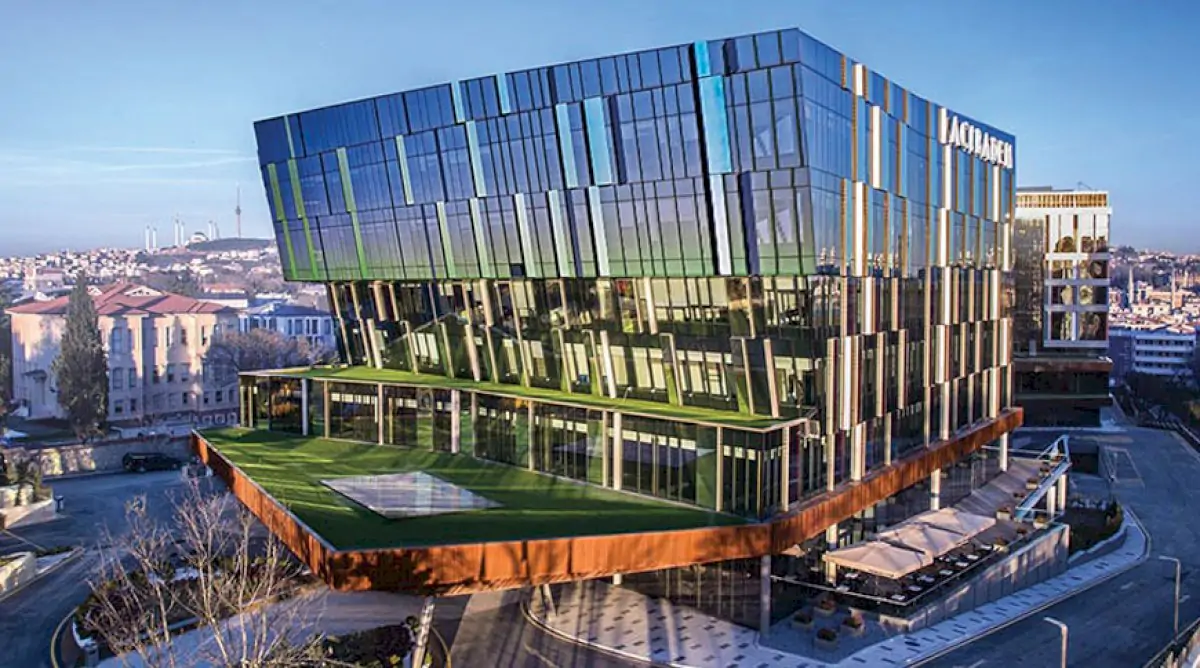
1. International Medical Center Acibadem
International Medical Center Acibadem covers a wide range of specialties, including oncology, neurosurgery, orthopedics, transplantation, cardiac surgery, and more. Its oncology center provides both standard and advanced treatments — from chemotherapy and radiotherapy to CAR-T therapy and bone marrow transplantation with international donor matching.
The hospital departments are equipped with cutting-edge medical technology, including linear accelerators, Gamma Knife and CyberKnife systems, PET-CT, intraoperative MRI, and Da Vinci robotic surgical systems. Acibadem employs highly experienced and internationally accredited physicians, such as Professor Funda Vesile Corapcioglu (Pediatric Oncology), Professor Memet Ozek (Pediatric Neurosurgery), and Professor Mehmet Ufuk Abacioglu (Radiation Oncology).
Key Advantages of the Hospital:
- Comprehensive oncology and surgical services
- Availability of CAR-T therapy and innovative protocols for recurrent cases
- Possibility of bone marrow transplantation
- Support for patients with complex or advanced conditions

2. Medicana International Hospital
Medicana International Hospital treats patients across a wide range of specialties, including oncology. The center is accredited by the international JCI certificate, confirming compliance with global standards of medical quality and safety.
Oncological care at Medicana is based on a combination of traditional and advanced approaches: the clinic provides chemotherapy, targeted therapy, immunotherapy, radiation therapy, and surgeries using robotic technology. For radiotherapy, the hospital uses IMRT-modulated systems and LINAC equipment. The center also performs bone marrow transplants, including allogeneic procedures, with HEPA-filtered patient rooms for infection control.
Among the specialists leading cancer treatment are Professor Mutlu Demiray, a medical oncologist; Professor Zehra Fusun Tokatli, a radiation oncology specialist; and Professor Ener Koc, who leads the transplantation programs.
Key Advantages of the Hospital:
- Use of IMRT and LINAC in radiation therapy
- Capability to perform bone marrow transplantation
- Robotic-assisted surgical procedures
- Nuclear medicine department offering radionuclide-based therapies

3. Anadolu Medical Center

The multidisciplinary medical center Anadolu Medical Center follows international treatment protocols and actively develops its oncology departments. The oncology center uses modern technologies, including CyberKnife M6, Radixact, and Varian Edge systems, as well as neuronavigation and intraoperative CT. Special attention is given to bone marrow transplantation — both allogeneic and autologous. The center works closely with donor registries and international specialists.
Oncology patients receive care through a multidisciplinary approach. Professor Bülent Karagöz oversees targeted and immunotherapy, Professor Ilker Tinay leads oncological urology surgeries, and Professor Hale Basak Caglar manages radiation therapy using Varian and CyberKnife systems. The bone marrow transplantation program is headed by Professor Zafer Gulbas. Pediatric oncohematology is led by Professor Savas Kansoy.
Key Advantages of the Hospital:
- Radiation oncology department equipped with CyberKnife and Radixact technologies
- Minimally invasive and robotic surgeries (Da Vinci)
- Early-stage tumor detection capabilities
- Specialization in pediatric oncohematology
The best cancer doctors in Turkey


We've gathered the most accomplished specialists who practice at leading Turkish clinics, have extensive experience, and have completed training or internships at international universities. Below are brief and honest profiles of those trusted by international patients.
How we help you choose a clinic
- We compare offers from several clinics based on your medical situation.
- We check whether the center has the necessary technologies and specialists.
- We evaluate previous cases and reviews from other patients.
- We offer solutions that fit the patient's budget.
- We provide objective recommendations, without reference to a specific hospital.
Choosing a clinic isn't a formality; it's a crucial step toward achieving results. We consider not only the center's specialty but also the doctors' reputation, experience with a specific tumor type, the availability of technologies, and the level of service.
How to start treatment with Experts Medical
- Meeting the coordinator.
The first step is a free consultation with our physician coordinator. We communicate in your native language to ensure everything is as clear and comfortable as possible. This is your start, and it costs nothing.
- Collection of your medical data.
You send us your documents: medical reports, test results, scans, and conclusions. This information is necessary for doctors to accurately assess your condition and suggest the most appropriate treatment.
- Creating a treatment plan.
We forward your data to top clinics, where it is reviewed by experienced oncologists. Based on their evaluation, you receive:
A personalized treatment plan.
An estimated cost.
Approximate treatment duration.
- Everything for your decision.
You receive a clear picture: which treatment methods are recommended, how much it will cost, and how long it will take. Now you are ready to make an informed decision and begin your path to recovery.
We've created a clear and convenient process so you can focus on your health, not organizational complexities.
Recovery and support after treatment
After cancer treatment, it is important not only to recover physically but also to adapt psychologically to new circumstances. At this stage, patients often feel anxious — wondering how to behave, what is allowed, and what should be avoided. We don’t leave you alone with these questions.
Our coordinator stays in touch even after discharge. You can always reach out for advice, clarify your maintenance therapy plan, or discuss test results.
What you can do after discharge:
Take walks outdoors if there is no severe weakness or contraindication from your doctor.
Gradually return to your usual diet, focusing on protein, vegetables, and fruits.
Engage in light physical activity (for example, yoga or walking), but only after your doctor’s approval.
Socialize, meet with loved ones, and allow yourself positive emotions.
What to avoid for now:
High-intensity physical activity or gym workouts – avoid for at least 1–3 months depending on the treatment received.
Direct sun exposure (tanning beds, beaches) – especially after radiation therapy.
Air travel immediately after surgery or chemotherapy without approval from your doctor.
Changing medication regimens or dosages on your own.
Using alternative remedies or supplements without consulting your oncologist.
When you can return to your usual lifestyle:
After 2–4 weeks following surgery – resume regular walks, partial work, and daily household activities.
After 1–2 months – short trips or vacations (if there are no contraindications).
After 1–3 months – return to office work or remote work.
After 3–6 months – moderate workouts and active sports.After 6–12 months – full physical and social activity without restrictions (provided there is no recurrence and follow-up tests are good).
We will advise when it’s best to come for a follow-up, which tests to take, and which symptoms require attention. If necessary, we can arrange another consultation – online or in person. You are not left alone after treatment.
Conclusion
Cancer treatment in Turkey is a truly life-changing choice with solid chances of success, especially when approached correctly. Statistics show that in certain cases, survival rates are comparable to international standards. Still, it’s important to understand the details — not only the treatment methods but also who your doctor will be, how the process is organized, what the costs include, and how recovery is managed after therapy.
If you’re considering treatment abroad, we’re ready to stand by your side — to help you understand, choose, organize, and support you. We’re not just an intermediary; we’re your partner on the road to recovery.
Frequently Asked Questions
1. How much does treatment cost and what’s included?
We don’t promise exact figures before a personal consultation, as everything depends on your case. However, the approximate costs can include: consultation – from €135, immunotherapy – from $680, tumor removal surgery – from $6000–$8000.
2. Are there any extra fees when working with Experts Medical?
No. You pay the clinic directly, without any added markup from us. We stand for transparency and fairness.
3. Can I come with a family member for treatment?
Yes. We help arrange accommodation for relatives, interpreters, and everything needed so that your loved ones can stay close. Emotional support is very important during treatment.
4. How soon can I start treatment if I contact you now?
The timeline depends on the clinic, diagnosis, and available tests. In straightforward cases, we can prepare everything within 1–2 weeks. More complex cases might take longer, but we do our best to speed up the process wherever possible.
5. Is treatment in Turkey suitable for advanced cancer cases?
Yes, Turkey has specialists and technologies to handle advanced cases — including combined treatment schemes, targeted therapy, and immunotherapy. However, the prognosis and approach vary, and it’s important to know which methods are most effective in your specific situation.
6. What if I still need support after returning home?
We stay in touch. Our team helps you get follow-up recommendations, review results, and connect with the right specialists if needed. Our support doesn’t end when you’re discharged from the clinic.