






 CAR-T in China
 CAR-T in Turkey
 CAR-T in Spain
 CAR-T in Israel
 FAQ
FAQ- At the clinic's price without markups
- with full doctor support
CAR-T therapy has become one of the most significant breakthroughs in modern oncohematology. This approach has restored hope for patients whose standard treatment options had already been exhausted. Drawing on nine years of collaboration with leading medical institutions worldwide, Experts Medical has prepared a carefully curated list of clinics where CAR-T treatment is delivered at the highest international level.
CAR-T therapy in China: GoBroad Healthcare Group
CAR-T therapy in China: GoBroad Healthcare Group
 GoBroad Healthcare Group (GHG) is a leading international cell therapy center demonstrating one of the highest levels of CAR-T implementation worldwide. The clinic specializes in the treatment of severe hematological diseases—leukemias, lymphomas, and multiple myeloma—including the most complex and treatment-resistant cases where standard therapies are no longer effective.
GHG plays a key role in the global development of CAR-T therapy:
- approximately 20% of all CAR-T infusions worldwide are performed here;
- 40% of all CAR-T procedures in China are carried out at GHG;
- more than 200 CAR-T infusions are performed annually, making it one of the busiest and most experienced centers globally.
This vast clinical experience of Chinese oncohematologists contributes to the high effectiveness of cellular therapy.
Effectiveness of CAR-T Therapy
GHG employs some of the most advanced CAR-T technologies available today, which is reflected in consistently strong treatment outcomes:
- GHG uses state-of-the-art CAR-T platforms. According to published studies involving the center, children with relapsed/refractory leukemias achieve long-term remission in approximately 80% of cases, with overall survival exceeding 90% in the first years of follow-up.
- For aggressive lymphomas, multi-target and dual-target CAR-T regimens are applied, enabling high response rates even after standard treatments have failed.
- In pediatric programs, GHG demonstrates survival outcomes comparable to leading global centers and, in some cases, exceeding average international benchmarks.
Clinical and Research Capabilities
GHG provides a full spectrum of hematological care, integrating:
- chemotherapy, targeted therapies, and immunotechnologies;
- advanced CAR-T approaches with single- and dual-antigen targeting;
- autologous and allogeneic bone marrow transplantation;
- personalized treatment strategies for adult and pediatric patients;
- monitoring programs, complication prevention, and multidisciplinary support.
Physicians at the center apply CAR-T therapy against a broad range of antigens, including CD19, CD20, CD22, CD7, CD5, GPRC5D, and CLL1, and when necessary use sequential and combination approaches. These strategies involve either administering different types of CAR-T cells sequentially (for example, CD19 followed by CD22) or infusing cells targeting multiple antigens simultaneously.
 What this means for the patient:
- reduces the risk of relapse when the expression of certain antigens on cancer cells decreases (a phenomenon known as antigen escape);
- increases the likelihood of response in patients for whom all other treatment options have failed;
allows the tumor to be targeted through multiple pathways simultaneously, which is especially important in aggressive and heterogeneous forms of leukemias and lymphomas.
As a result, these regimens expand therapeutic possibilities and offer hope to patients for whom standard single-target approaches may be less effective.
In addition, the center offers donor-derived CAR-T programs, CAR-T as a bridge to transplantation, and CAR-T therapy for multiple myeloma. Such programs are available in only a limited number of clinics worldwide.
Dedicated CAR-T protocols are available for pediatric patients:
- sequential CD19→CD22 regimens for B-cell acute lymphoblastic leukemia;
- specialized CD7 and CD5 CAR-T therapies for T-cell leukemias and lymphomas;
- advanced CD33 CAR-T therapies for the treatment of acute myeloid leukemias.
Treatment is tailored to the molecular profile of the tumor, which helps prolong remission and reduce the risk of relapse.
Cost of Treatment
Despite offering CAR-T therapy at a world-class technological level, GHG remains one of the most affordable providers globally. Treatment here costs 3–5 times less than the global average.
By indication:
- adult leukemias — $30,000–60,000;
- adult lymphomas — $50,000–80,000;
- multiple myeloma — $60,000–80,000;
- pediatric programs — $50,000–100,000.

The Experts Medical team understands that costly cancer treatments for children — including CAR-T therapy — often place a significant financial burden on families. You can apply for financial assistance by submitting a request on the website experts-medical.com . The application will be reviewed by the foundation’s committee, and if approved, the Experts Medical Foundation team will launch an official fundraising campaign for the child’s treatment. All donations are accumulated in the foundation’s account, and once the required amount is reached, 100% of the collected funds are transferred directly to the clinic. After payment is completed, the family can immediately begin organizing the trip and starting the treatment.
In summary, GHG can be considered one of the most cost-effective platforms for such a high level of advanced medical treatment. In most countries, CAR-T therapy starts at $300,000–500,000, which is many times higher than the cost at GHG, despite comparable or even greater clinical expertise.
GHG is one of the global leaders in CAR-T therapy, distinguished by its extensive experience, high treatment accessibility, and consistently strong clinical outcomes. For this reason, the Experts Medical team ranks this clinic first among the world’s top CAR-T treatment centers.
China — GoBroad Healthcare Group (GHG)
- Conditions treated: leukemias, lymphomas, multiple myeloma (including the most complex and treatment-resistant forms).
- Scale: over 200 CAR-T infusions per year, accounting for 20% of all CAR-T procedures worldwide and 40% of all CAR-T therapies in China.
- Technologies: single-target, multi-target, sequential, and combination CAR-T therapies; donor-derived CAR-T programs; CAR-T as a bridge to transplantation; and personalized pediatric protocols.
- Cost: $30,000–100,000 depending on the diagnosis — among the most affordable prices worldwide.
- Key points: vast clinical experience, a wide range of technologies and individualized treatment approaches, and high effectiveness even in heavily pretreated patients.
CAR-T therapy in Turkey: Acıbadem and Medicana
CAR-T therapy in Turkey: Acıbadem and Medicana
 In Turkey, CAR-T therapy is actively developing but is currently used only for the treatment of relapsed or refractory B-cell leukemias and lymphomas. Patients with multiple myeloma either participate in clinical trials or seek treatment abroad.
The effectiveness of CD19 CAR-T programs in Turkey is comparable to international outcomes and reaches 72% (according to the academic ISIKOK-19 protocol). The data are based on a small but poor-prognosis patient group for whom other treatment options had already failed.
Acibadem operates its own cell therapy laboratory (Acibadem Labcell), where the academic ISIKOK-19 product is manufactured. The clinic has documented clinical experience with CD19 CAR-T therapy and participates in international research programs.
Medicana is a large private healthcare network with modern oncohematology and cell therapy departments. CAR-T treatment is provided by specialized teams, and therapy plans are developed on an individual basis.
The cost of CAR-T therapy in Turkey depends on the diagnosis, type of cellular product, and scope of medical services. The average price ranges from $75,000 to $105,000, which is significantly lower than the cost of similar treatment in the United States and Western Europe. As a result, Turkish clinics rightfully take second place in our TOP ranking.
Key takeaway: Turkey — Acibadem and Medicana
 Conditions treated: relapsed/refractory B-cell leukemias and lymphomas.
- Effectiveness: CD19 CAR-T demonstrates a 72% response rate (based on the ISIKOK-19 academic protocol).
- Expertise: Acibadem has its own cell therapy laboratory and documented clinical experience; Medicana offers advanced oncohematology and cell therapy departments.
Cost: $75,000–105,000, lower than in Europe and the United States. - What matters: FDA-approved CAR-T products are used, ensuring predictable outcomes. Turkey offers an optimal balance between cost and high medical standards.
CAR-T therapy in Israel: Ichilov and Schneider
CAR-T therapy in Israel: Ichilov and Schneider
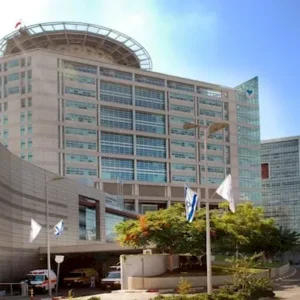 In Israel, CAR-T therapy is used to treat the most complex cases of B-cell leukemias and lymphomas in both adults and children. The country was among the first to implement cellular technologies and has accumulated substantial clinical experience.
Ichilov (Tel Aviv Sourasky Medical Center) is one of Israel’s key centers where CAR-T therapy has been performed since 2016. The clinic has a hematology department equipped with state-of-the-art technology to support the full treatment cycle—from cell collection to modification and subsequent infusion. CAR-T therapy is used here in adult patients with refractory B-cell malignancies when other treatment approaches have proven ineffective.
Schneider Children’s Medical Center is the country’s leading pediatric center. CAR-T therapy is used here for children and adolescents with severe oncohematological diseases. Treatment programs are developed individually, taking into account the disease characteristics, age, and overall clinical condition.
The cost of CAR-T therapy in Israel depends on the diagnosis, treatment protocol, and length of hospitalization. On average, it ranges from $90,000 to $120,000, making Israel a more affordable option compared to most Western clinics. Therefore, Israeli centers complete the top three leaders in terms of accessibility and successful CAR-T outcomes.
Key takeaway: Israel — Ichilov and Schneider
- Conditions treated: severe B-cell leukemias and lymphomas in adults and children.
- Key strengths: Israel was among the first countries to introduce CAR-T therapy; extensive expertise in pediatric cases.
- Unique capabilities: access to personalized CAR-T products manufactured on site in GMP-certified laboratories — available in only a limited number of centers worldwide.
- Cost: $90,000–120,000.
- Important to know: FDA-approved CAR-T products are used. Israel is a strong option for patients seeking the most evidence-based and highly personalized treatment.
CAR-T therapy in Spain: Sant Joan de Déu
CAR-T therapy in Spain: Sant Joan de Déu
 One of the leading CAR-T centers in Spain is Hospital Sant Joan de Déu Barcelona. The hospital specializes in treating children and adolescents with refractory B-cell acute lymphoblastic leukemia.
The hospital operates its own platform for manufacturing advanced cellular and gene therapies, ensuring rapid access to treatment and strict quality control throughout the therapeutic process.
Between 2016 and 2021, 58 patients received CAR-T therapy at this center, with an overall response rate of 88%. According to hospital data, the two-year overall survival rate is approximately 69%, while long-term disease-free remission is achieved in about 43% of cases. These outcomes are consistent with international benchmarks and confirm the high effectiveness of CAR-T therapy at Sant Joan de Déu.
The cost of CAR-T therapy in Spain is among the highest in Europe. Pricing depends on the specific product, clinical situation, and length of hospitalization. The average range is €250,000–370,000, and in some cases the total cost may reach €450,000 or more. The high price reflects the complexity of cellular product manufacturing and the need for specialized multidisciplinary care. For this reason, Experts Medical ranks Spain in 4th place.
Key takeaway: Spain — Sant Joan de Déu Barcelona
- Conditions treated: pediatric B-cell acute lymphoblastic leukemia.
- Effectiveness: among 58 patients — 88% response rate, 69% two-year survival, 43% long-term remission.
- Infrastructure: in-house CAR-T manufacturing platform, full on-site treatment cycle.
- Cost: €250,000–370,000+ — among the highest in Europe.
- Important to know: high clinical effectiveness combined with significantly higher costs.
Final summary
Approaches to CAR-T therapy vary significantly from country to country, and this is an important factor when choosing a clinic.
- Turkey and Israel use FDA-approved CAR-T products, providing more predictable outcomes and a strong evidence base.
- In China, locally developed CAR-T products are predominantly used, which significantly reduces treatment costs. This does not imply lower effectiveness — Chinese centers report impressive clinical results, although their experience is more aligned with an innovative, rapidly evolving segment rather than the classical evidence-based medicine model.
- Israel deserves special mention, as in addition to commercial products it offers individualized CAR-T therapies manufactured on site in accredited GMP laboratories. This approach is particularly valuable for patients with complex or refractory disease who require a truly personalized solution.
Overall, the EU and Israel follow a more classical, evidence-based, and highly regulated approach to CAR-T therapy. China focuses on innovation, a broader range of targets, and expanded treatment protocols, making it one of the most dynamically developing destinations. Turkey occupies an intermediate position, offering a balanced compromise between affordability, evidence base, and a solid level of technological infrastructure.
Frequently asked questions about CAR-T therapy
Frequently asked questions about CAR-T therapy
What is CAR-T therapy in simple terms?
CAR-T therapy is a form of immunotherapy in which a patient’s own T-cells are genetically modified in a laboratory so they can recognize and destroy cancer cells. These reprogrammed cells, equipped with a new chimeric antigen receptor (CAR), are infused back into the bloodstream, where they seek out and attack the tumor.
Which types of cancer are treated with CAR-T?
At present, CAR-T therapy is used for hematologic malignancies, including the treatment of:
- acute lymphoblastic (lymphocytic) leukemia;
- diffuse large B-cell (aggressive non-Hodgkin) lymphoma;
- follicular lymphoma;
- mantle cell lymphoma;
- multiple myeloma.
For solid tumors (such as gastric cancer, glioblastoma, and others), clinical trials are ongoing. Early results are promising, but CAR-T therapy is not yet used in routine clinical practice for these indications.
At what stage of treatment is CAR-T usually prescribed?
As a rule, CAR-T therapy is offered to patients with relapsed or refractory (treatment-resistant) disease, when standard chemotherapy and targeted therapy regimens have already failed to produce results.
How does CAR-T differ from chemotherapy?
Chemotherapy directly destroys rapidly dividing cells, including healthy ones, and works for a limited period of time. CAR-T therapy activates the patient’s own immune system: genetically modified lymphocytes can persist in the body for months or even longer, providing ongoing disease control.
What are the stages of CAR-T therapy?
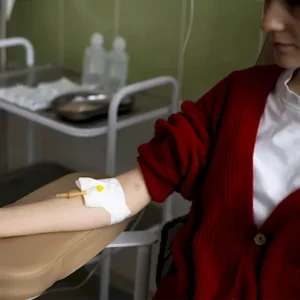
The standard pathway includes several key steps:
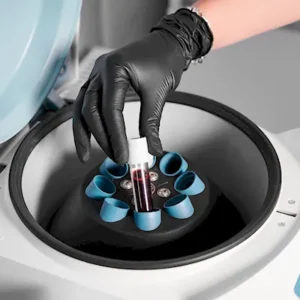
- collection of T cells (apheresis);
- laboratory modification and expansion of the cells (usually 2–4 weeks);
- bridging therapy (temporary treatment before CAR-T infusion), if required;
- preconditioning low-dose chemotherapy;
- CAR-T cell infusion.
This is followed by a monitoring period in the hospital or near the center (at least 2–4 weeks after infusion).
What is the overall effectiveness of CAR-T therapy?
According to data from a meta-analysis of studies used for CAR-T drug approvals, the median overall response rate (ORR) is approximately 66% (range 25–91%). In some centers, response rates for B-cell leukemias and lymphomas exceed 80%, and in certain myeloma programs they reach up to 90%.
Does CAR-T lead to a complete cure?
CAR-T therapy can induce long-term remission, including remission lasting many years, in a proportion of patients who previously had no other treatment options. There are data showing remission lasting more than 5 years for certain commercially available products.
However, in some patients the disease may relapse over time. Therefore, CAR-T is considered a highly effective treatment that can significantly improve prognosis, but not a guaranteed definitive solution for every case.
What are the main side effects of CAR-T?
The most common side effects include:
- cytokine release syndrome with fever, low blood pressure, and breathing difficulties;
- neurotoxicity (confusion, seizures, speech disturbances);
- prolonged cytopenias (anemia, low white blood cell and platelet counts);
- increased risk of infections.
Severe complications occur in approximately 40–60% of patients, which is why the first weeks after infusion require round-the-clock monitoring.
How long does a patient need to stay in the hospital and near the CAR-T center?
In most cases, the patient remains hospitalized or under daily medical supervision for about 2 weeks after infusion, followed by at least another 2 weeks staying close to the center with regular follow-up visits. Many clinics recommend planning 4–6 weeks for post-infusion monitoring.
What is recovery like after CAR-T, and when can a patient return to normal life?
During the first months, fatigue, an increased risk of infections, and fluctuations in blood counts may persist. Gradual recovery typically takes several months. Specific restrictions regarding physical activity, travel, and work depend on the patient’s condition. After treatment, the physician provides individualized recommendations.

Can CAR-T be given to elderly patients?
Yes, age alone is not an absolute contraindication to treatment. Functional status, the presence of severe cardiovascular or pulmonary diseases, and other comorbidities are more important factors. Elderly patients undergo a more detailed risk assessment before CAR-T therapy and may receive enhanced supportive care.
Is CAR-T available for children?
Yes. For children and young adults, CAR-T therapy has long been included in treatment standards for certain forms of relapsed or refractory B-cell acute lymphoblastic leukemia and lymphomas. In this group, some of the highest remission and survival rates have been achieved compared with average population outcomes.
What happens if CAR-T does not work or the disease returns?
If there is no initial response or an early relapse occurs, other options may be considered, including repeat immunotherapy, experimental CAR-T or CAR-NK programs, stem cell transplantation, or participation in clinical trials.
Can CAR-T therapy be repeated?
Repeat use of the same CAR-T product is currently limited: the immune system may develop antibodies against the infused cells, and the tumor may lose the target antigen. Therefore, participation in clinical trials with different targets or technologies (new CAR constructs, CAR-NK cells, bispecific antibodies) is more commonly considered.
Does CAR-T affect fertility and pregnancy?
Preconditioning chemotherapy and prior treatment courses may reduce fertility. Before starting therapy, fertility preservation options such as sperm or egg cryopreservation are discussed, especially for younger patients.
How to choose the best clinic for CAR-T therapy?
It is difficult for patients to independently assess the quality of CAR-T treatment at a medical center. Key indicators—such as the number of successfully performed infusions, the experience of hematologist-oncologists, the availability of an in-house cell therapy laboratory, participation in international studies, and the level of intensive care support—are rarely disclosed publicly. These factors largely determine the safety of the procedure and the likelihood of a good response.
Experts Medical collaborates with leading clinics worldwide and helps select a medical center that matches the specific diagnosis, age, prior treatment, and overall condition of the patient. We consider real-world effectiveness data, the clinic’s profile, technology availability, and specialist expertise to ensure you receive the best possible care.
How can a patient undergo CAR-T therapy?


CAR-T therapy is performed only in specialized centers and requires careful patient selection. To proceed with treatment, medical records must be submitted for preliminary evaluation: discharge summaries, PET-CT or CT results, immunological and genetic tests, and records of previous therapies. After reviewing the patient’s condition, the clinic determines whether CAR-T therapy is feasible, which type of cellular product is appropriate, and which protocol will be most effective.
Although the process may seem complex, all you need to do is submit a request to Experts Medical. Our physician coordinator will: help you gather the required documents, arrange consultations with specialized hematologist-oncologists, select a clinic that matches your diagnosis and medical needs, accompany you through all stages of treatment, and ensure full coordination before and after the procedure. Our services for patients are completely free of charge.