




 Top Hospitals
 Price of Care
 Leading Doctors
 Experts Medical
 Treatment Organization
- At the clinic's price without markups
- with full doctor support
Small intestine cancer is rare, but when it happens, finding the right treatment quickly can make all the difference. Globally, it accounts for less than 3% of all gastrointestinal cancers, and most patients are diagnosed at later stages, which makes timely care even more critical. In India, specialized centers have reported 5-year survival rates of around 50–70% depending on the tumor type and stage, which is comparable to leading international benchmarks. India has quietly built a strong reputation for handling complex cancers like this, thanks to its experienced oncologists, cutting-edge technology, and an approach that puts patients at the center of care. Whether you’re just starting your search or looking for a second opinion, this guide will help you understand what treatment in India really looks like, and who can help you.
Survival Rates and Patient Outcomes in India
Small intestine cancer is rare, so published survival data is limited, but several Indian centers have shared outcomes that help give a realistic picture. Results vary depending on the tumor type, stage, and whether advanced treatments like targeted therapy are used.
Adenocarcinoma
At Tata Memorial Hospital in Mumbai, researchers followed patients with duodenal adenocarcinoma who underwent surgery. They found that about 55% were alive at 5 years, and just under half remained disease-free. Survival was better for patients whose tumors were completely removed with clear margins, and for those with fewer affected lymph nodes (Tata Memorial Hospital, 2023, PubMed).
Gastrointestinal Stromal Tumors (GIST)
An Indian tertiary cancer center reported on 63 GIST patients. For those who had surgery without metastasis, 5-year disease-free survival reached 78%, and overall survival was 67%. Patients with advanced or metastatic disease lived a median of about 51 months, reflecting the benefit of imatinib and other targeted therapies (Indian J Med Paediatr Oncol, 2016, PMC).
Neuroendocrine Tumors (NETs)
At a cancer center in Western India, two-thirds of small bowel NET patients already had metastases when diagnosed, which lowered their outlook. Even so, international data show that small bowel NETs tend to progress slowly, with survival often stretching into years. For localized disease, patients may live over a decade after diagnosis, while those with advanced NETs still see survival averages of 5 years or more (WJGNet, 2023).
What Makes the Difference
The single most important factor is catching the disease early. Complete surgical removal with negative margins, accurate staging, and access to modern therapies (like imatinib for GIST or somatostatin analogues for NETs) significantly improve results. Multidisciplinary tumor boards at leading Indian hospitals ensure that decisions are not left to one specialist, which helps align surgery, pathology, and medical oncology for the best possible outcome.
Price of Care for Small Intestine Cancer in India
- Tumor biopsy:
$250 to $1,700. This is usually the first step to confirm the diagnosis. The price depends on the complexity of the biopsy and the hospital where it’s performed.
- Histology review:
$70 to $300. Pathology re-checks and second opinions on biopsy slides are common, especially before starting a major treatment plan.
- Chemotherapy (per course) –
$500 to $4,500. While a full course can cost $6,600 to $14,000 in some cases, the average per-cycle expense is significantly lower. The total cost depends on how many cycles are needed and the drugs prescribed.
- Targeted therapy or immunotherapy –
$1,000 to $2,000 per cycle. For certain tumor types like GIST or NETs, drugs such as imatinib or somatostatin analogues are used. Prices vary by brand and duration of treatment.
- Surgery for small intestine tumors –
$6,500 to $11,000. Complex gastrointestinal resections, especially those done with robotic or laparoscopic assistance, generally fall in this range in India.
- Radiation therapy (IMRT/VMAT or CyberKnife) –
$2,000 to $5,700. Standard radiation across multiple sessions costs between $3,500 and $6,300 in Turkey, but in India the cost is typically lower. CyberKnife, used in certain advanced or recurrent cases, ranges from $2,000 to $3,500.
- HIPEC (Hyperthermic Intraperitoneal Chemotherapy) –
$12,500 to $15,000. This is a specialized option sometimes used when abdominal cancers spread. It is costly but still 30–40% less expensive in India compared to Turkey, where it is usually priced at $17,000–20,000.
What to Expect Overall
A full treatment plan for small intestine cancer in India (including diagnostics, surgery, hospital stay, and follow-up therapy) can range between $12,000 and $25,000 depending on the complexity. Even at the higher end, it is often half the cost of treatment in Western Europe or the US, while still being performed at internationally accredited hospitals with advanced technologies.

We know that trying to organize treatment in another country can feel overwhelming. Between choosing the right doctor, making travel arrangements, and understanding medical options, it’s a lot to take on. That’s exactly why we’re here. At Experts Medical, we walk with you through every step of the process.
Here’s what we do:
- We study your case carefully:Prepare the necessary medical documents so foreign specialists can assess your condition in detail.
- We select the most suitable doctor: Based on your specific diagnosis, medical history, and personal preferences. Our medical commission takes everything into account, from the doctor’s qualifications to your individual needs.
- We arrange everything for your trip: Appointments, visa assistance, flight tickets, hotel bookings, translator services, and transfers.
- We stay in touch 24/7: Both during and after treatment. Whether it’s questions about billing, local logistics, or ongoing care, we’re always just a message away.
- We help patients under 18: By coordinating with international foundations that can support treatment costs.
You don’t pay us anything for these services. As official representatives of more than 100 foreign clinics, we work directly with hospitals. You make all payments at the clinic upon arrival – without extra fees or hidden charges.
Over 12,000 patients have trusted us with their care. If you’re looking for support that’s professional, personal, and always available, we’re here to help.
Where to Get Treated: Top Hospitals in India
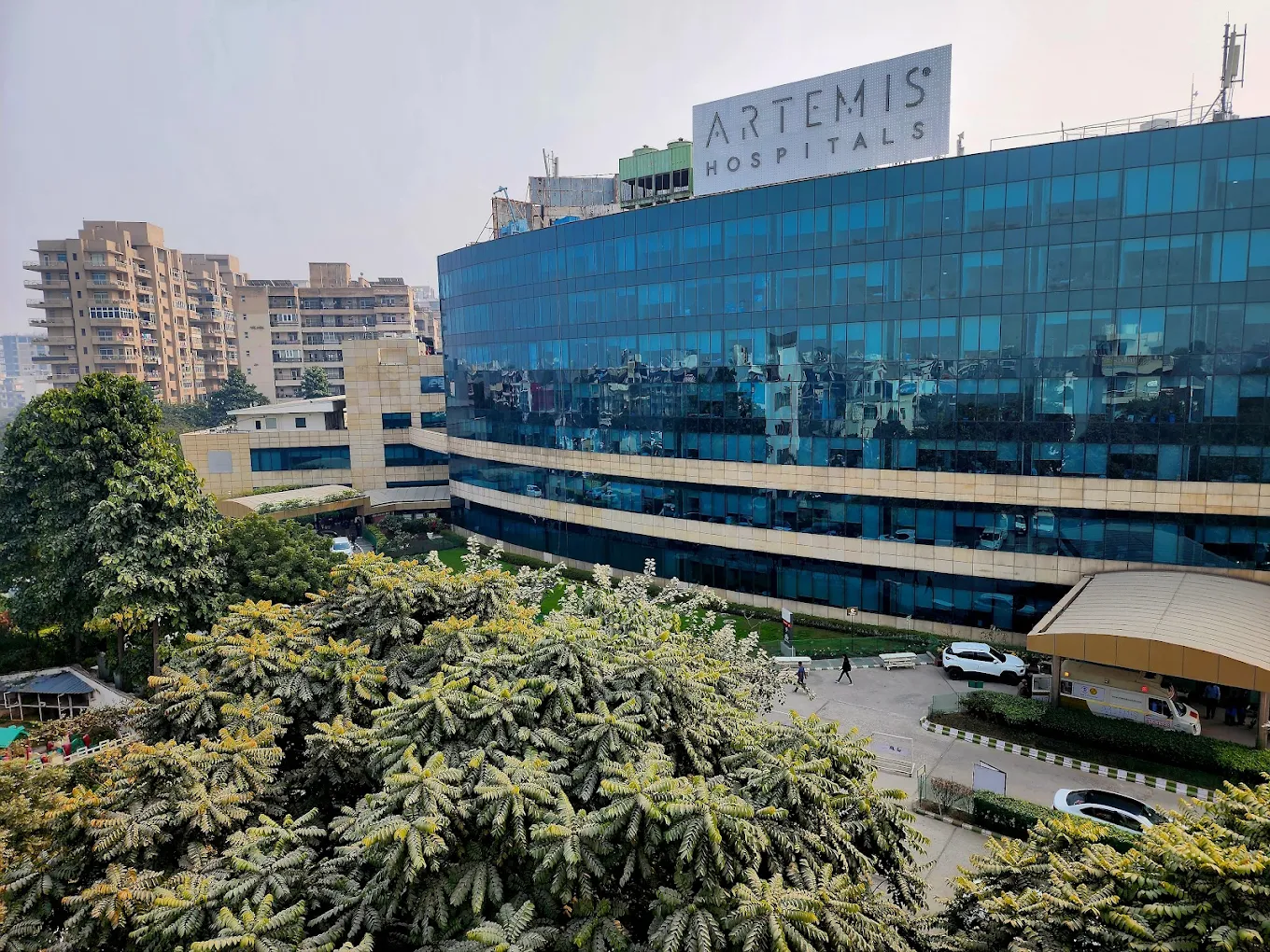
1. Artemis Hospital, Gurgaon

Artemis Hospital treats small intestine cancers through a coordinated GI oncology program where every case is reviewed by a multidisciplinary tumor board. For diagnosis and staging, the team uses PET-CT, 3-Tesla MRI, DWIBS whole-body MRI, and 64-slice CT to map the primary tumor and check for spread with high precision. These imaging tools, along with digital pathology and repeat histology review when needed, help the surgeons and medical oncologists agree on a plan that fits the specifics of each tumor, not a one-size-fits-all template. The hospital is JCI and NABH accredited, and care pathways are set up for international patients, so second opinions, teleconsults, and quick scheduling are straightforward.
Treatment focuses on complete tumor removal with clear margins, using minimally invasive techniques whenever possible. Surgeons work with image guidance and a navigation system to operate through small incisions, which can shorten recovery and reduce complications. When adjuvant therapy is indicated, Artemis provides modern chemotherapy and targeted regimens through medical oncology day care, and uses a linear accelerator for precise radiation therapy that spares nearby healthy tissue.
What Stands Out for Small Intestine Cancer Patients:
- Multidisciplinary tumor board that reviews every case and aligns surgery, medical oncology, and radiation plans
- Advanced staging with PET-CT, 3T MRI, DWIBS whole-body MRI, and 64-slice CT for precise mapping
- Minimally invasive GI resections with image guidance and navigation to improve recovery and margin control
- Day care chemotherapy delivery with coordinated antiemetic and toxicity monitoring protocols
Contact Information:
- Website: www.artemishospitals.com
- Phone: +91-124 4511 111
- Email: internationaldesk@artemishospitals.com
- Address: Artemis Hospital, Sector 51, Gurugram, Haryana-122001
- LinkedIn: www.linkedin.com/company/artemishospital
- Facebook: www.facebook.com/ArtemisHospitals
- Instagram: www.instagram.com/artemishospital
- X (Twitter): x.com/HospitalArtemis

2. Medanta Hospital

Medanta approaches small intestine cancers through organ-specific teams that sit inside its Institute of Oncology and HPB-GI programs. From day one, staging is tight and data driven: PET CT, 3 Tesla MRI, and contrast CT are read alongside digital pathology so the surgeons know exactly where to cut and the medical oncologists know how to sequence drugs. For GIST and small bowel NETs, the team is comfortable with targeted therapy and somatostatin analogues, and they keep patients in day care pathways that track labs, side effects, and response without long hospital stays. Tomotherapy, VMAT on Synergy-S or Infinity LINACs, and CyberKnife come into play for select scenarios, like close margins or hard-to-irradiate areas near critical bowel loops.
Depending on anatomy, surgeons may use laparoscopy or the Da Vinci robot and lean on ERAS protocols to speed recovery. Complex cases benefit from Medanta’s hybrid operating rooms, where imaging and open or endovascular tools are available in the same suite, which can shorten anesthesia time and reduce re-operations.
What Stands Out for Small Intestine Cancer Patients:
- Organ-specific GI tumor board that aligns surgery, medical oncology, radiation, and pathology
- Rapid, same-week staging with PET CT, 3T MRI, and contrast CT tied to digital pathology re-reads
- Tomotherapy, VMAT, and CyberKnife options when precision radiation is needed near delicate bowel
- Robotic and laparoscopic resections with ERAS protocols to cut pain, tubes, and length of stay
Contact Information:
- Website: www.medanta.org
- Phone: +91-880-000-1068
- Email: info@medanta.org
- Address: CH Baktawar Singh Road, Sector 38, Gurugram, Haryana 122001
- Facebook: www.facebook.com/medanta
- Instagram: www.instagram.com/medanta
- X (Twitter): x.com/medanta
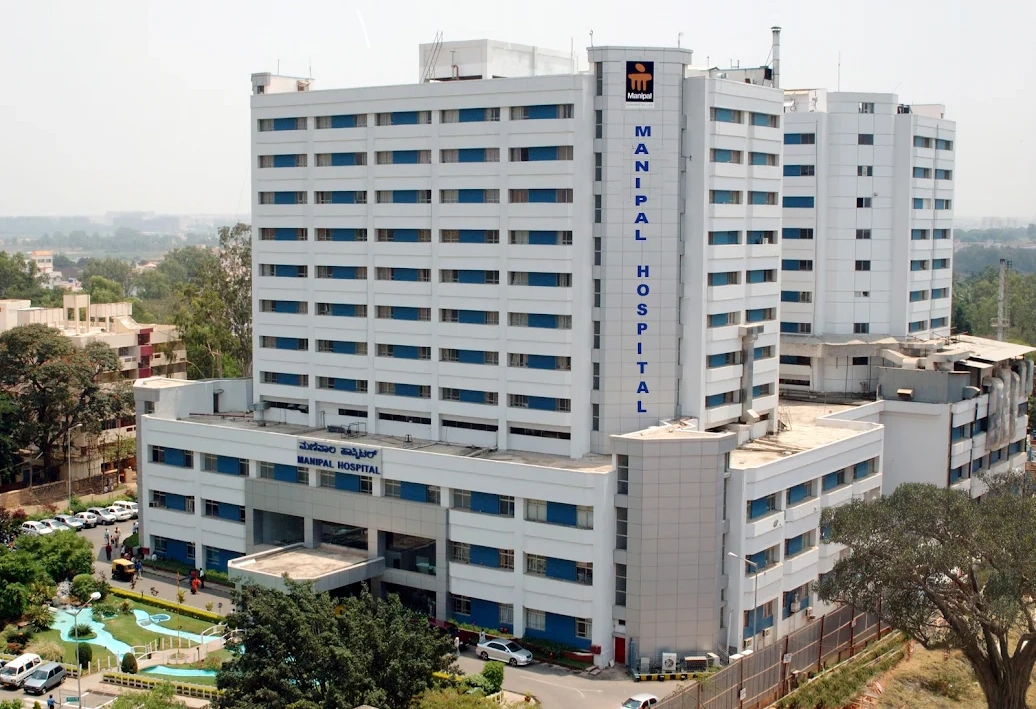
3. Manipal Hospital

Manipal Hospital runs small intestine cancer care through dedicated GI oncology units that bring surgeons, medical oncologists, radiation oncologists, radiologists, and pathologists into one plan from the start. Staging moves quickly with PET scans, contrast CT, and MRI, followed by a tumor board decision on the first best step. For GIST and small bowel NETs, protocols include targeted therapy and somatostatin analogues with day care delivery, so most patients can stay out of the ward while labs and side effects are closely tracked. Pediatric and adult services sit under one roof, which helps when cases need genetic counseling, nutrition, or symptom control alongside the main treatment.
In surgery, the focus is on clear margins with as little trauma as possible. Teams use laparoscopy or robotic assistance for resections when anatomy allows, and apply ERAS pathways to shorten drains, tubes, and length of stay. When radiation is part of the plan, the hospital offers precision techniques like VMAT and SBRT to protect healthy bowel, and they can add intraperitoneal approaches such as HIPEC or PIPAC for select advanced abdominal disease.
What Stands Out for Small Intestine Cancer Patients:
- GI focused tumor board that finalizes a step by step plan before treatment starts
- Fast track staging with PET, CT, and MRI tied to a pathology recheck when needed
- Laparoscopic and robotic resections with ERAS to speed recovery and reduce complications
- VMAT or SBRT for tight radiation fields around small bowel and mesentery
Contact Information:
- Website: www.manipalhospitals.com
- Phone: 1800 102 5555
- Email: info@manipalhospitals.com
- Address: Manipal Health Enterprise Pvt Ltd. The Annexe, #98/2, Rustom Bagh, Off HAL Airport Road, Bengaluru – 560017
- Facebook: www.facebook.com/ManipalHospitalsIndia
- Instagram: www.instagram.com/manipalhospitals
- X (Twitter): x.com/ManipalHealth
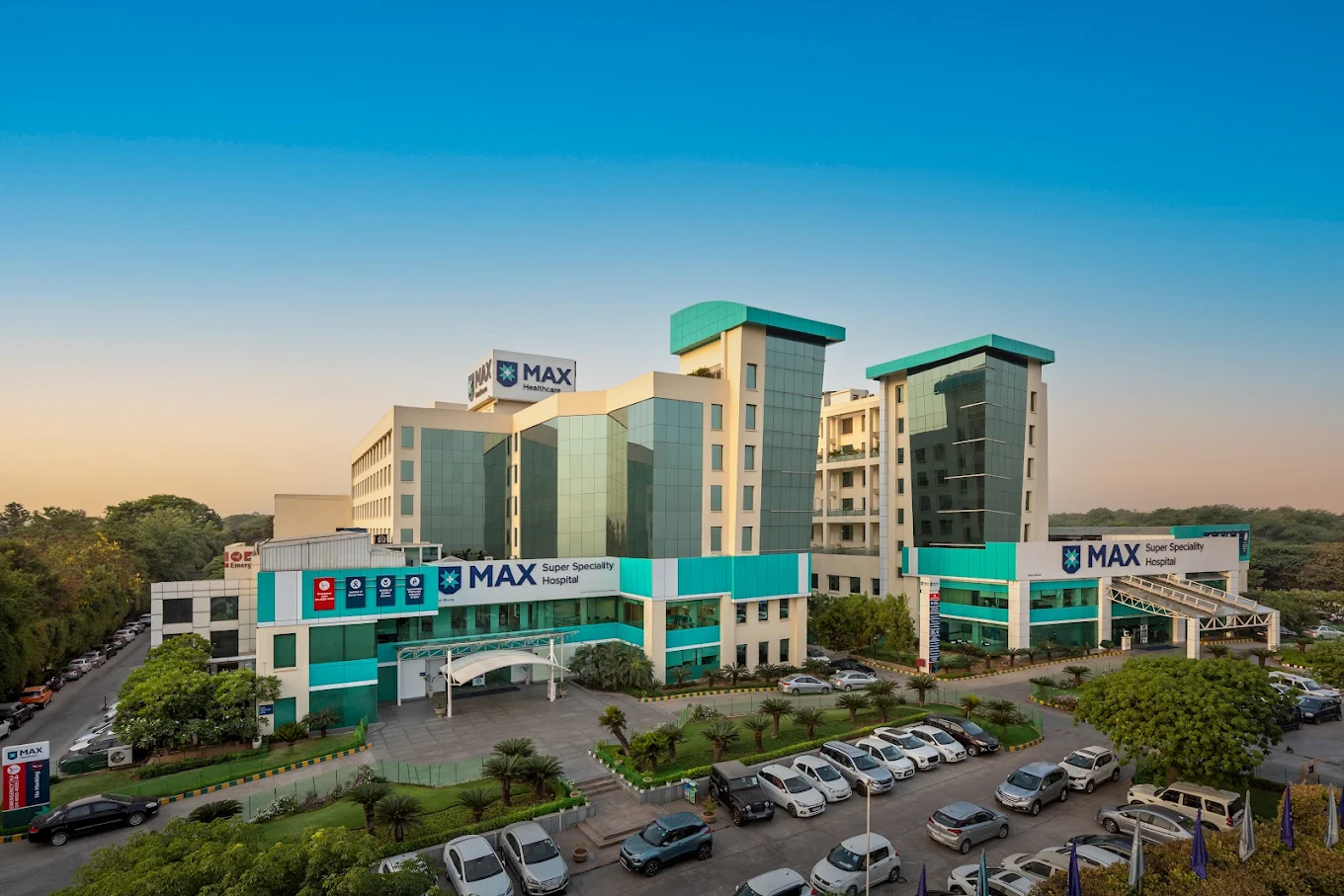
4. Max Healthcare

Max Healthcare treats small intestine cancers through organ-specific GI and HPB programs that plug surgeons, medical oncologists, radiation oncologists, GI endoscopists, and pathologists into one plan from the start. Workups are tight and pragmatic: contrast CT, MRI, and PET-CT are paired with expert endoscopy or capsule studies, then a tumor board locks the sequence of care. For GIST and small bowel NETs, the team runs mature targeted therapy and somatostatin analogue pathways with day care delivery, so treatment is continuous without long admissions. When radiation is on the table, centers use TrueBeam or Novalis Tx for IMRT, IGRT, VMAT, or stereotactic body radiotherapy to shape dose away from healthy bowel.
In the OR, surgeons aim for clear margins using laparoscopy or the Da Vinci Xi robot where anatomy allows, and lean on ERAS playbooks to shorten drains, pain meds, and length of stay. Advanced cases are not pushed aside: HIPEC is available for selected peritoneal spread, and interventional radiology supports difficult scenarios with staging, access, or symptom control.
What Stands Out for Small Intestine Cancer Patients:
- GI focused tumor board that fixes the order of surgery, drugs, and radiation before day one
- TrueBeam and Novalis Tx platforms for IMRT, IGRT, VMAT, and SBRT around delicate bowel loops
- Robotic and laparoscopic resections with ERAS pathways to speed recovery and reduce complications
- Dedicated GIST and NET drug programs with day care delivery and toxicity tracking
Contact Information:
- Website: www.maxhealthcare.in
- Phone: +91 926 888 0303
- Email: int.query@maxhealthcare.com
- Address: Max Super Speciality Hospital, No. 1, 2, Press Enclave Road, Mandir Marg, Saket Institutional Area, Saket, New Delhi, Delhi, 110017, India
- LinkedIn: www.linkedin.com/company/max-healthcare
- Facebook: www.facebook.com/MaxHealthcareHospitals
- Instagram: www.instagram.com/max.healthcare
- X (Twitter): x.com/MaxHealthcare

5. Fortis Healthcare

Fortis Healthcare approaches small intestine cancers with a very “engineering” mindset: fast staging, data-driven decisions, and tech that minimizes collateral damage to healthy bowel. Workups are coordinated through GI oncology pathways: contrast CT/MRI and PET-CT sit alongside advanced endoscopy/capsule studies, while pathology and molecular profiling are queued early so treatment doesn’t stall. In the OR, surgeons favor laparoscopy or robotic resections with image guidance from hybrid suites; margins are checked on the table, and ERAS protocols (early feeding, targeted pain control, ambulation day-one) help patients recover quickly.
What makes Fortis feel different is the “smart hospital” layer they’ve built around the clinical core. The flagship FMRI runs on tightly integrated IT, publishes outcomes across major programs, and uses standardized order sets to keep care consistent between departments. Chemo is delivered in day-care units with toxicity tracking, and targeted therapy/SSA protocols for GISTs and small-bowel NETs are well rehearsed.
What Stands Out for Small Intestine Cancer Patients:
- Tech-forward setup (hybrid ORs, image-guidance, robotics) to achieve clear margins with smaller incisions
- Rapid diagnostics + early pathology/molecular workup to lock a plan without delays
- Precision RT options (IMRT/IGRT/SBRT) that respect the bowel’s tight radiation tolerances
- Cytoreduction + HIPEC available for select peritoneal involvement
Contact Information:
- Website: www.fortishealthcare.com
- Phone: +91-124 4921021
- Email: reachus@fortishealthcare.com
- Address: Tower A, Unitech Business Park, Block – F, South City 1, Sector – 41, Gurgaon, Haryana – 122001
- Facebook: www.facebook.com/fortishealth
- Instagram: www.instagram.com/fortis.healthcare
- X (Twitter): x.com/fortis_hospital
Specialists You Should Know About
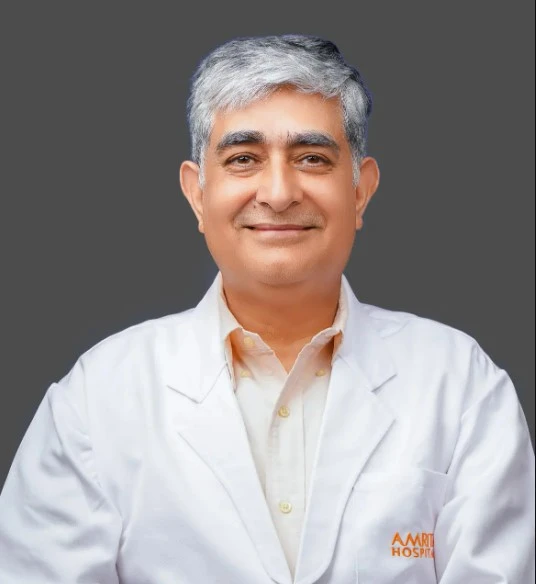


These doctors not only bring skill to the table but are also known for being approachable and collaborative.
Organizing Your Treatment with Experts Medical: Step by Step
Initial Contact
- You share your medical documents (discharge summaries, test results, reports).
Case Review & Clinic Matching
- We send your file to several clinics for evaluation.
- We receive proposed treatment plans and itemized costs from doctors.
- You get a clear picture of what’s next: methods, timelines, and pricing.
- Important: if your medical situation doesn’t change, the plan and price remain the same.
Choose a Clinic & Meet Your Doctor Online
- You select the clinic that fits best.
- We arrange an online consultation with the treating doctor (usually free).
- Visa support provided if needed.
Trip preparation
- Flight booking assistance.
- Meet-and-greet airport transfer to your clinic or hotel.
- Accommodation near the hospital.
- A dedicated medical interpreter to accompany you during diagnostics and treatment.
On-the-Ground Support
- You’re never alone during treatment.
- Your coordinating physician is on call to:
-
- schedule consults and procedures,
- answer questions,
- handle logistics so you can focus on getting well.
After You Return Home
- Your coordinator stays in touch.
- We help with ongoing doctor recommendations, paperwork, and any follow-up questions.
Wrapping Up
Small intestine cancer might be rare, but with the right care, it’s not impossible to treat. India brings together solid medical infrastructure, experienced specialists, and a surprisingly personal touch in how it handles care.
So if you’re feeling overwhelmed, just take a breath. You don’t have to figure this out alone. Whether you’re just starting to ask questions or ready to make a plan, help is here.
FAQs
Can segmental resection always be performed for small intestine adenocarcinoma, or are there cases where a more extensive surgery is needed?
Not always. If the tumor is localized and margins are clear, segmental resection with lymph node removal is standard. However, for larger or multifocal tumors, or when margins are not adequate, a wider resection or even combined organ surgery may be required.
How soon after small intestine resection can adjuvant chemotherapy start in India?
Typically within 3–4 weeks, once the patient has recovered from surgery and nutritional intake is stable. In high-volume centers, protocols are coordinated to minimize delays so that systemic therapy begins as soon as healing is adequate.
Is immunotherapy an option for small intestine cancer patients in India?
Yes, but mainly for patients with microsatellite instability-high (MSI-H) or mismatch repair-deficient (dMMR) tumors. Indian oncologists often perform molecular profiling before recommending immunotherapy.
How do doctors in India handle small bowel obstruction caused by cancer before definitive surgery?
Approaches depend on severity: temporary bypass surgery, stenting, or creating a diversion (stoma) may be used to stabilize the patient before curative resection. This prevents delays in treatment and reduces surgical risk.
Does Experts Medical provide post-treatment support once I return home?
Absolutely. Our medical coordinator stays in touch after discharge, helping with follow-up schedules, sharing doctors’ recommendations, and guiding patients through next steps such as scans or maintenance therapy.