




 Top Hospitals
 Price Overview
 Leading Oncologists
 Experts Medical
 Treatment Methods
- At the clinic’s price without markups
- with full doctor support
Oral cancer isn’t rare. When we talk about treating oral cancer, survival is only part of the story. Success also means eliminating the tumor, reducing the chance of recurrence, and restoring the patient’s ability to speak, eat, and live comfortably. In India, where oral cancer ranks among the top three cancers in men and accounts for over 30% of all cancer cases in some regions, understanding real-world treatment outcomes is crucial for anyone considering care.
Each year, more than 135,000 new cases of oral cancer are reported in India, and late diagnosis remains a major hurdle. Fortunately, hospitals are now tracking not just how long patients live, but how well they recover. Data from Tata Memorial Centre in Mumbai, for example, shows that surgery alone can offer a 74% success rate, while combining surgery with radiotherapy can push that figure to 78%. Even more telling: patients who complete their full treatment plan have a 67% survival rate, compared to just 43% among those who do not finish therapy.
If you’re navigating this disease for yourself or someone close to you, this guide lays out the path forward: what treatment looks like, how long it takes, what it might cost, and which doctors and clinics are worth your time.
Understanding the Numbers: Oral Cancer Treatment Success Rate
Oral cancer treatment success in Indian hospitals shows varied outcomes depending on the stage of diagnosis and treatment modality. According to a comprehensive study conducted at Tata Memorial Centre in Mumbai, which treated nearly 1,900 oral cancer cases in 2016 with a follow-up to 2021, the overall 5-year survival rates for oral cancer patients in India remain in the 50-60% range. Early-stage patients have a much higher survival rate of about 75-90%, while advanced stages see survival rates closer to 40-50%.
Key findings from this study and related sources include:
- Surgery, the most common treatment, offers a 5-year survival rate of about 74%.
- Radiotherapy alone has a survival rate of approximately 58%.
- Chemotherapy alone shows a lower success rate around 7%.
- Combination treatments, such as surgery plus radiotherapy, yield survival rates up to 78%.
- About 87.5% of patients complete their treatment, which is crucial for improved outcomes.
- Locoregional recurrence is the most common cause of treatment failure.
- Around half of the patients present at an advanced stage (stage IV), which significantly lowers survival.
- Stage I patients have an estimated survival rate of 83% compared to 55% for stage IV.
These statistics highlight the critical need for early diagnosis and completion of multimodal treatments to improve prognosis.

At Experts Medical, we help patients and their families navigate the complicated path of cancer treatment abroad. We’re not a hospital, and we don’t represent any single clinic. What we do is act as your advocate, making sure you’re treated by doctors and hospitals that are genuinely qualified, with transparent costs and real support.
We’ve built a global network of more than 70 trusted clinics and hospitals across India, Turkey, Germany, Israel, and other countries. In India, we work closely with hospitals like Apollo, Fortis, Max Healthcare, and others that have proven outcomes and internationally trained oncologists.
Services We Provide at Experts Medical:
- Selection of doctors and hospitals based on your diagnosis, preferences, and budget.
We shortlist hospitals and specialists after reviewing your medical records, personal needs, and financial situation.
- Coordination of online or in-person second medical opinions from leading specialists.
We connect you with top oncologists across our partner hospitals who can offer a second perspective on your case.
- Medical document translation into English or the destination country’s language.
All your test results, imaging, and case summaries are translated by certified medical linguists.
- Visa invitation letters from hospitals to support your medical travel application.
We arrange for an official invitation letter from the selected hospital, which is typically required for obtaining a medical visa.
- End-to-end travel planning, including flight booking assistance and local airport transfers.
Once treatment is confirmed, our coordinators help book flights that align with your medical schedule.
- Hotel and accommodation booking near the clinic, including long-stay options.
We help you find comfortable lodging near your treatment center, whether it’s a basic hotel or a furnished apartment.
- Assistance in coordinating pre-travel lab tests and imaging, if required by the clinic.
We help schedule these locally in your home country and make sure they meet the receiving hospital’s requirements.
- Post-treatment coordination for follow-up care, rehabilitation, or remote check-ups.
Even after you return home, we stay involved. Our team arranges follow-up calls with your doctor, helps you access telemedicine services, and supports long-term monitoring.
- Long-term patient monitoring with access to your care team even after you return home.
Recovery doesn’t end when you leave the hospital. We make sure your medical questions can still reach your original doctors, and we assist with any complications that may arise later.
You don’t pay us for this service. We’re compensated by the hospitals – your payments go directly to the clinic.
Treatment Methods for Oral Cancer
- 1. Surgical Treatment
Surgery is usually the first step if the cancer is operable.
Primary tumor removal: The tumor is cut out along with a margin of healthy tissue.
Glossectomy: Partial or complete removal of the tongue.
Mandibulectomy: Removal of part or all of the jawbone.
Maxillectomy: Removal of the upper jaw if the tumor has spread.
Neck dissection: Removal of lymph nodes in the neck area.
These surgeries often require reconstruction, especially when parts of the tongue or jaw are removed. Surgeons use grafts or microvascular tissue transfer to help patients regain the ability to eat, speak, and swallow.
- 2. Radiation Therapy
Hospitals in India offer both conventional radiation and proton therapy, which is more precise and causes less damage to nearby healthy tissue. Proton therapy is particularly effective when the tumor is located close to critical areas like the brainstem or jawbone.
- 3. Chemotherapy & Targeted Therapy
Chemotherapy is often used before or after surgery. In some cases, it’s combined with radiation (chemoradiotherapy). More advanced cases may benefit from targeted therapies that work on specific cancer cells while sparing others.
- 4. Immunotherapy
Some hospitals offer newer immunotherapy drugs that help the body’s immune system recognize and attack cancer cells. These are usually reserved for recurrent or metastatic oral cancers.
- 5. Sentinel Lymph Node Biopsy
This is a less invasive method used to determine if cancer has spread to lymph nodes. It avoids unnecessary removal of nodes unless they are cancerous.
Treatment Timelines and What to Expect
Initial evaluation and planning (3 to 7 days).
This phase usually includes diagnostic tests like MRI, PET-CT, or biopsy. The treatment plan is developed with input from surgeons, oncologists, and other specialists. If you’re working with a coordinator like us, this process is typically smooth and fast-tracked.
Surgery and hospitalization (7 to 14 days).
The surgery itself can take several hours, depending on the complexity. Hospital stay post-surgery is generally 1 to 2 weeks. During this time, doctors monitor healing and manage immediate side effects.
Radiation or chemotherapy (4 to 8 weeks, if needed).
If the tumor was advanced or there’s a risk of recurrence, radiation or chemotherapy may follow. Sessions usually occur daily (excluding weekends), with each round taking a few minutes but requiring careful coordination and management.
Rehabilitation (varies based on surgery).
Recovery isn’t just about wound healing. Rehabilitation often involves speech therapy, nutritional support, and physical therapy. It begins in the hospital but continues on an outpatient basis.
While this timeline can shift depending on health status and treatment response, it gives a realistic sense of the journey. Most patients undergoing treatment in India, especially with medical coordination, find the process structured and well-supported.
Price Overview (Estimates Only)
- $7,500-$11,250Oral cancer surgery (ENT/salivary gland region)
- $3,750-$5,600Radiation therapy (IMRT)
- $3,000-$8,500CyberKnife precision radiotherapy
- $6,620-$14,350Сhemotherapy
- $350-$1,950Immunotherapy (per session)
Where to Get Treated: Top Cancer Hospitals in India
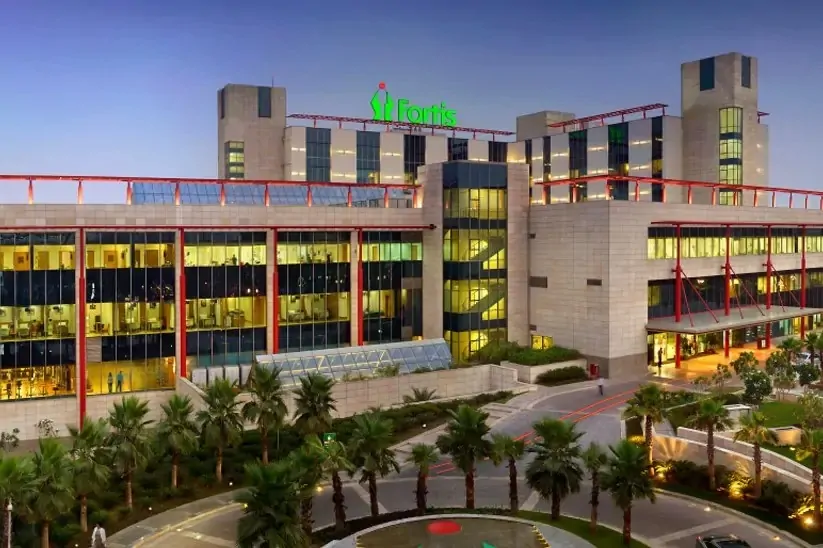
1. Fortis Hospital Network

Fortis Hospital Network is a major healthcare provider with multiple branches offering specialized oncology services. Their oral cancer units cover the full range of care – from early diagnosis to complex reconstructive surgery. Fortis oncologists regularly manage advanced-stage oral cancers, including those requiring mandibulectomy, maxillectomy, and free flap reconstruction. They use high-resolution diagnostics like PET-CT, intraoperative navigation, and microvascular techniques. Multidisciplinary tumor boards help personalize each treatment path. Dr. Kapil Kumar and Dr. Hitesh Singhvi are among the top oral cancer surgeons at Fortis, known for their expertise in head and neck oncology and reconstructive microsurgery.
Key Benefits of the Clinic:
- Skilled head and neck oncology surgeons
- Integrated diagnostics, surgery, chemo, radiation, and rehab
- Advanced techniques like IMRT, brachytherapy, and free flap repair
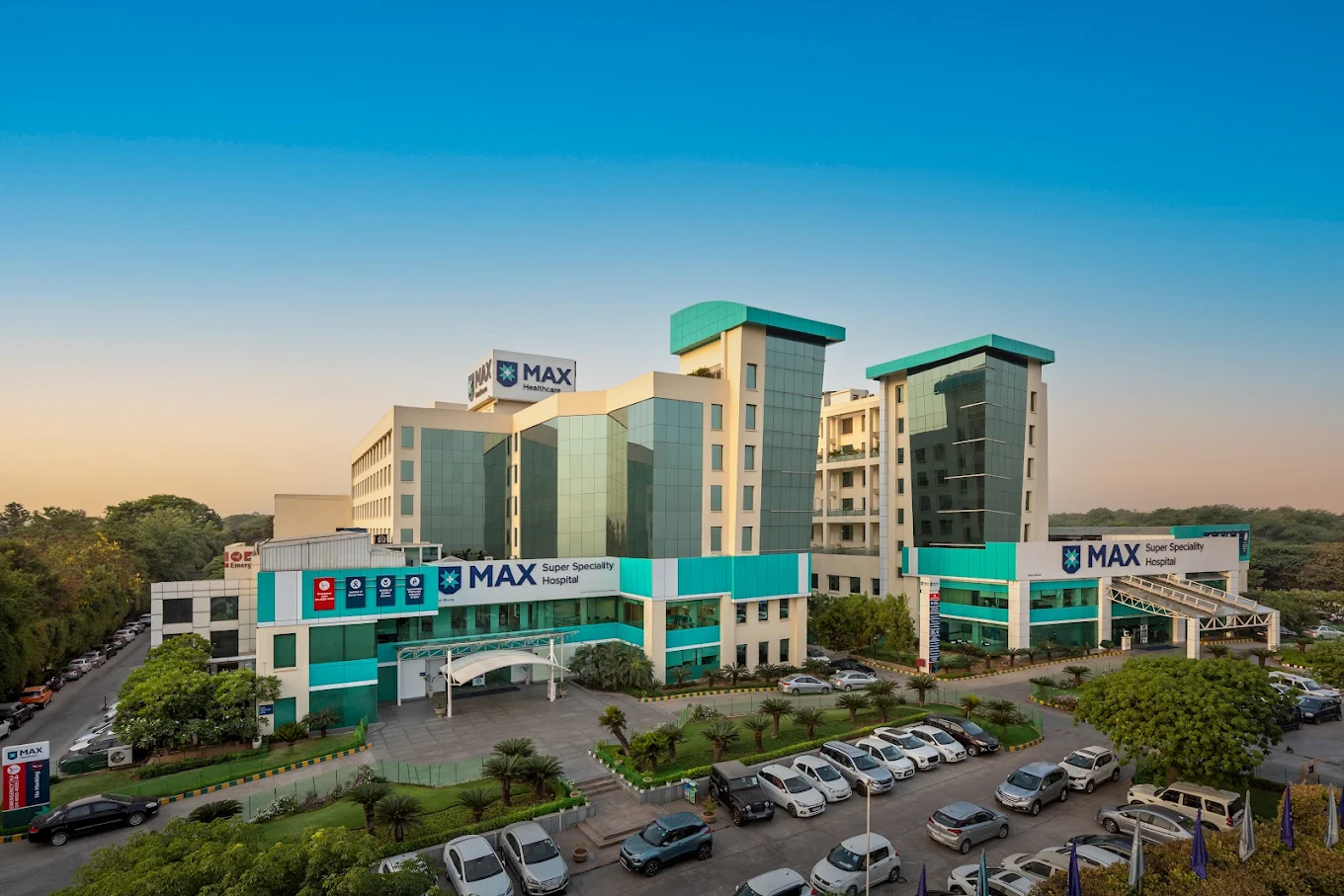
2. Max Healthcare

Max Healthcare runs several hospitals across northern India and has earned a strong reputation in oral cancer care. Their focus is on customized, multidisciplinary treatment guided by international protocols. Teams include oncologists, reconstructive surgeons, radiologists, and speech therapists. Robotic-assisted surgery is often used for precision removal and reconstruction. Dr. Harit Chaturvedi and Dr. Rohit Nayyar lead the oral cancer program at Max, bringing decades of experience in complex head and neck surgeries and cancer care.
Key Benefits of the Clinic:
- Robotic and minimally invasive surgery options
- PET-CT, MRI, and chemiluminescence for early detection
- Specialized rehab for speech, swallowing, and aesthetics
- Individualized protocols including immunotherapy and EGFR-targeted therapies
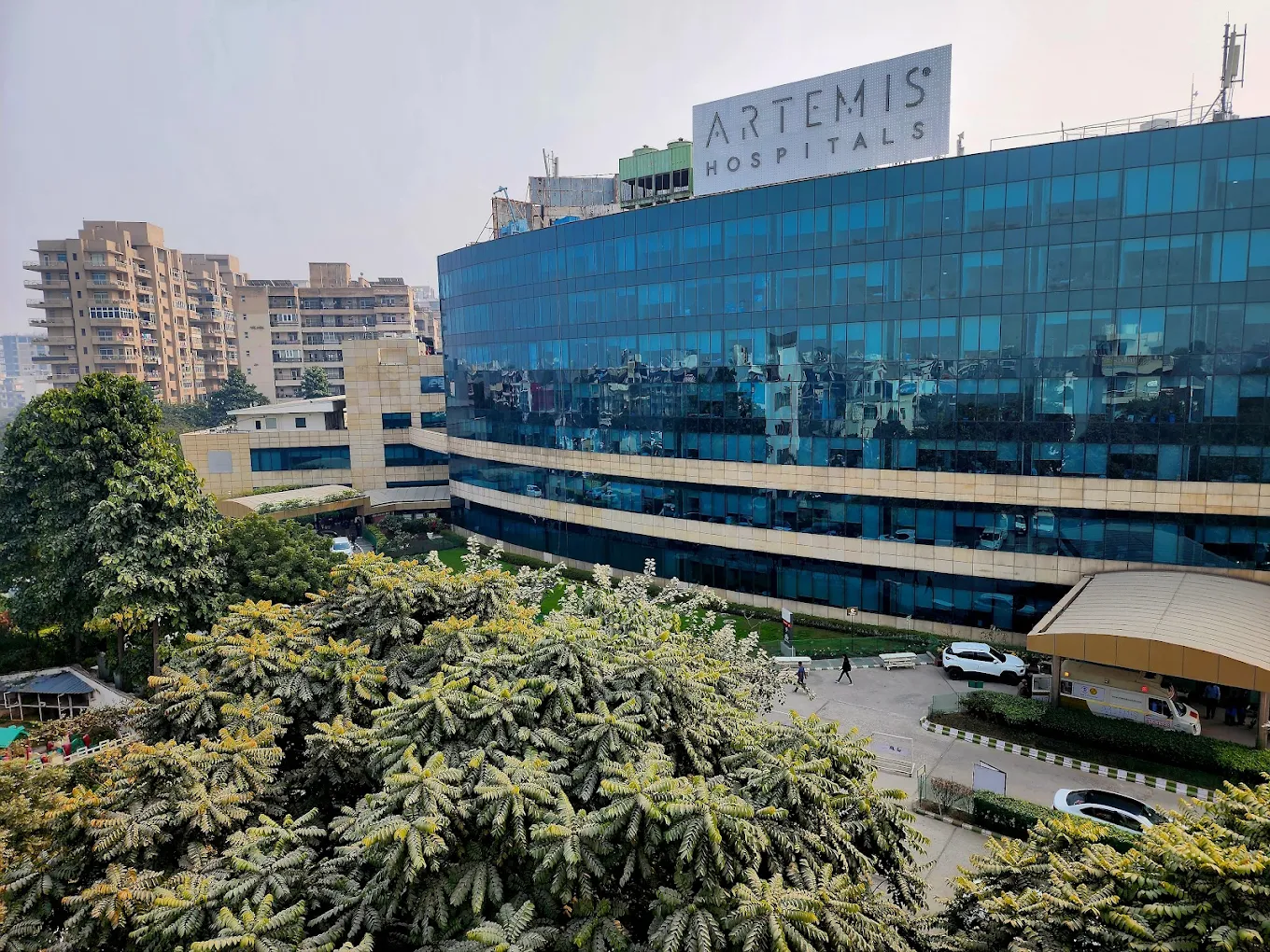
3. Artemis Health Institute

Artemis Health Institute runs a modern oncology department with dedicated teams for oral cancers. They offer all major treatment modalities including surgical oncology, radiation (IMRT, brachytherapy), chemotherapy, and newer approaches like immunotherapy. Diagnostic tools include 3-Tesla MRI and PET-CT. Their focus on minimally invasive and robotic procedures helps reduce recovery time for patients. Dr. Biswajyoti Hazarika and Dr. Priyanka Raina are key specialists in oral cancer surgery at Artemis, recognized for their skill in both curative and function-preserving procedures.
Key Benefits of the Clinic:
- Full-spectrum oral cancer treatment under one roof
- Weekly tumor boards and second opinion reviews
- Speech, dental, and dietary rehab programs
- Use of immunotherapy for resistant cases
Leading Oncologists in India



Conclusion
Oral cancer can be a life-altering diagnosis, but it doesn’t have to be a hopeless one. With timely diagnosis, expert care, and the right coordination, patients can and do recover. India has become one of the key destinations for this type of treatment, not just because of affordability, but because of the skill and outcomes that match global benchmarks.
At Experts Medical, we’re here to help you make the best decision for your health – with no pressure, no hidden costs, and support that actually sticks around.
If you or a loved one is exploring treatment for oral cancer, get in touch. We’re here to walk you through the options, answer your questions, and connect you to hospitals that can help.
FAQ
How do I know if I’m eligible for oral cancer surgery in India?
Eligibility is typically determined after a detailed diagnosis, which may include a physical exam, imaging (like MRI or PET-CT), and a biopsy. If the tumor is operable and hasn’t spread too extensively, surgery is often the first line of treatment. Your overall health, age, and any other medical conditions will also factor into the surgical decision.
Is it safe to travel to India for cancer treatment?
Yes, many international patients travel to India each year for cancer care. Most of the top hospitals have international patient departments that handle everything from medical records to accommodation. Facilities in major cities are internationally accredited and follow global standards of hygiene, anesthesia, and surgery.
How long should I plan to stay in India for treatment?
On average, a complete treatment cycle (including diagnosis, surgery, and any radiation or chemo) may take 4 to 8 weeks. This could be longer if rehabilitation or post-operative therapies are required. It's best to plan for at least 6 weeks and adjust based on your treatment progress.