




 Top Hospitals
 Cost of Treatment
 Leading Doctors
 Experts Medical
 How to Start Treatment
- At the clinic's price without markups
- with full doctor support
Kidney cancer isn’t the easiest diagnosis to hear, but if you’re looking into treatment options, India offers a combination that’s hard to beat: high-quality care, experienced specialists, and costs that won’t bankrupt you. From robotic surgeries to cutting-edge immunotherapy, the range of treatments here is broad and often on par with what’s available in countries like the US or UK. Each year, India sees more than 15,000 new kidney cancer cases, and recent studies show that early-stage patients undergoing surgery can achieve 5-year survival rates above 85%. But the real advantage? It’s how accessible it all is. In this guide, we’ll break down what kidney cancer treatment in India actually looks like: from how it’s diagnosed to the therapies available, and where you can find the best care.
Kidney Cancer Survival Outcomes in India
- Surgery gives the best outcomes when the cancer is caught early.
An Indian study on nephrectomy patients found a 5-year survival of 77%. Smaller tumors (7 cm or less) did far better, with survival close to 88%, compared to just under 48% for larger ones. Low-grade tumors had a 90.9% survival rate, while high-grade dropped to 43.1%. Patients diagnosed before stage T3 had 91.8% survival, which fell to 64.1% for those at stage T3 or above (Lippincott Journals, 2016).
- Day-to-day results at major hospitals show a similar picture.
A cancer center in Northeast India reported that 80.5% of non-metastatic patients were alive at 18 months. Stage I patients in particular did well, with 87.5% survival at 24 months. For those with metastatic disease, the median survival was around 12 months (WAOCP, 2025).
- Late diagnosis pulls the numbers down.
Data from the Northeast India registry revealed that more than 86% of male patients were already stage IV by the time they were diagnosed, leaving the 5-year survival at just 20.4% (Lippincott Journals, 2021).
- Targeted drugs improve survival, though results vary.
Real-world series on first-line tyrosine kinase inhibitors (TKIs) in India show median survival ranging from about 13 to 21 months. One study reported a median of 19.1 months overall, with sunitinib and pazopanib both near the 20-month mark. Another registry cohort reported a lower figure, 12.87 months (Lippincott Journals, Academia, 2017).
- Immunotherapy is starting to change the outlook.
A single-center study using nivolumab after earlier treatment showed a 60% response rate, a median progression-free survival of 5 months, and a median overall survival of 26 months. Complete responses were seen in about 11% of patients (PubMed, 2022).
- Access makes a real difference.
Experts point out that cost and insurance gaps keep many patients on single-agent TKIs, even though combinations with immunotherapy can improve results. This gap in access directly shapes real-world outcomes in India (BioMed Central, 2023).
- Takeaway:
For patients diagnosed early, surgery at top Indian centers offers excellent long-term control, especially with kidney-sparing techniques. In advanced disease, survival depends on both risk group and treatment access. TKIs remain the backbone of care, but immunotherapy is bringing longer remissions and even complete responses for some.
Treatment Paths You’ll Find in India
- Surgery
- Radical nephrectomy: Taking out the whole kidney and possibly nearby lymph nodes
- Partial nephrectomy: Only the tumor is removed, sparing the rest of the kidney
- Minimally invasive surgery: Many hospitals now use laparoscopy or robotic tools for quicker recovery
Cost in India: Standard kidney cancer surgery can range from $6,000 to $10,000, while robotic-assisted nephrectomy may go higher, closer to $11,000–$14,000, depending on the hospital and complexity.
- Ablation Techniques
Ablation Techniques are an option for small tumors or for people who can’t have surgery:
- Radiofrequency ablation (RFA): Uses heat to destroy cancer cells
- Cryoablation: Uses freezing temperatures to do the same
Cost in India: Ablation procedures usually fall between $2,000 and $4,000
- Targeted Therapy
Targeted Therapy uses drugs that go after the pathways cancer cells need to survive. The most common ones include:
- Tyrosine kinase inhibitors (TKIs)
- VEGF blockers
- mTOR inhibitors
Cost in India: Targeted therapy for cancers in India typically starts from $1,200 to $1,700 per month, with newer drugs being higher.
- Immunotherapy
Immunotherapy helps the immune system fight back. Medications like nivolumab are used in later-stage cases and can slow the cancer’s progression.
Cost in India: Immunotherapy infusions such as nivolumab can cost around $1,800–$2,500 per cycle.
- Radiation Therapy
Radiation Therapy helps manage symptoms if cancer has spread. It’s not the main treatment for kidney tumors, but it helps ease things like bone pain.
Some patients are placed under active surveillance, especially if the tumor’s small and slow-growing.
Сost in India: Сourses of advanced radiation such as CyberKnife or standard IMRT typically range from $2,000 to $7,600, depending on the technology used.

At Experts Medical, we’ve talked to many patients facing a kidney cancer diagnosis who simply didn’t know where to begin. The shock, the endless research, the pressure to act fast, it can all feel like too much. Especially when the treatment you’re looking for is in a different country, far from home. That’s why we’ve made it our mission to simplify that journey and support patients every step of the way.
We’re not a hospital. We’re a team of experienced medical coordinators who partner with over 100 carefully selected hospitals around the world, including some of the most advanced centers in India. Our job is to help you find the right care without delays, confusion, or added costs.
And to be clear, we don’t charge for our services. All payments for treatment are made directly to the hospital. Our support is completely free because we’re official partners of the clinics we work with.
How We Help, Step by Step:
- We review your medical history, reports, and test results to understand your specific case.
- We consult with top kidney cancer specialists in India and identify the best-fit doctor and hospital for your situation.
- We prepare a clear treatment plan in advance so you know what to expect before you travel.
- We handle the logistics: everything from visas, flights, and accommodation to hospital appointments, translators, and airport transfers.
- We stay in touch before, during, and after your treatment to make sure you’re never left figuring things out alone.
In urgent situations, we can often move quickly, sometimes arranging consultations and travel within just a few hours. And if you're seeking help for a child or a loved one, we’re here to assist with documentation and charitable support where possible.
If you're considering kidney cancer treatment in India and don’t know where to start, we’re here to help. You don’t have to do this on your own. Reach out, and let’s talk about what’s possible.
Top Hospitals Known for Kidney Cancer Care in India

1. Fortis Healthcare

Fortis Healthcare has become one of the most trusted names in India for complex urological and oncological care, and kidney cancer is a major focus. The network is known for its strong surgical teams who regularly perform both partial and radical nephrectomies, with many cases handled using minimally invasive or robotic-assisted techniques. That combination allows patients not only to get tumors removed effectively but also to benefit from quicker recovery and organ-preserving approaches when possible. Advanced diagnostics, from PET-CT to molecular profiling, are built into the process so treatment planning is precise from the very start.
For patients with advanced kidney cancer, Fortis integrates medical and surgical oncology under one roof. Targeted therapies and immunotherapy are available alongside radiation options like IMRT and IGRT to help manage metastatic disease. With survival rates from kidney transplant and major oncological surgeries published openly, the hospital positions itself as transparent about outcomes, a sign of both confidence and accountability in its kidney cancer program.
Why Fortis for Kidney Cancer Care:
- Surgical oncologists experienced in complex kidney cancer cases, including partial and radical nephrectomies
- Access to advanced diagnostics, genetic screening, and real-time pathology support
- Radiation therapy options like IGRT and IMRT designed to limit damage to nearby organs
Contact Information:
- Website: www.fortishealthcare.com
- Phone: +91-124 4921021
- Email: reachus@fortishealthcare.com
- Address: Tower A, Unitech Business Park, Block – F, South City 1, Sector – 41, Gurgaon, Haryana – 122001
- Facebook: www.facebook.com/fortishealth
- Instagram: www.instagram.com/fortis.healthcare
- X (Twitter): x.com/fortis_hospital
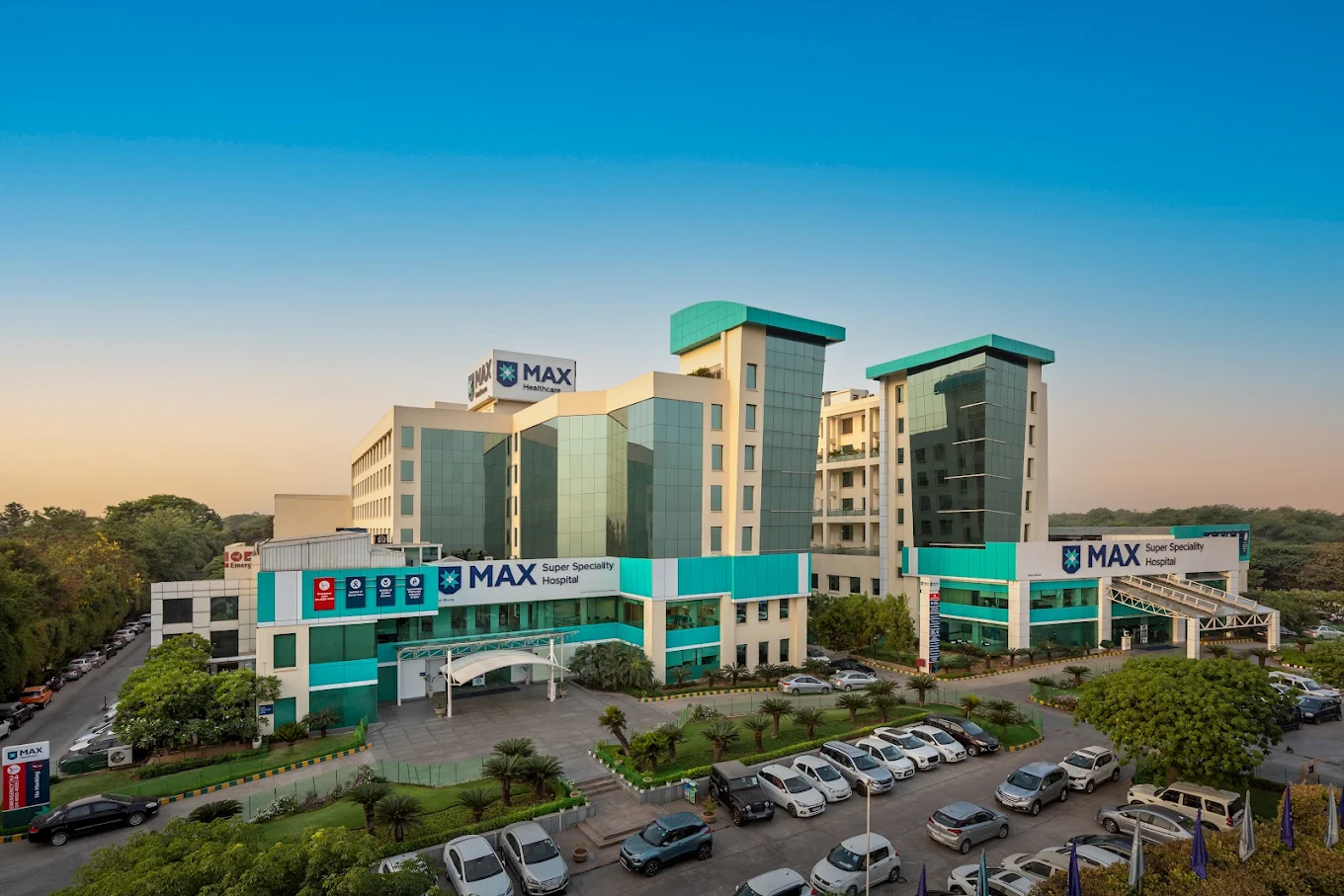
2. Max Healthcare

Max Healthcare is one of India’s largest hospital networks, and kidney cancer care is an area where its teams bring a strong mix of surgical skill and modern oncology. Patients here benefit from surgeons who are highly trained in robotic and laparoscopic nephrectomies, which make it possible to remove tumors with precision while preserving as much kidney function as possible. The hospitals are equipped with advanced imaging tools like PET-CT, MRI 3 Tesla, and digital urography, all of which help doctors map tumors and plan treatment in detail. For patients, this means that staging and diagnosis are handled quickly, reducing delays before surgery or therapy begins.
For those with more advanced disease, Max offers targeted therapy, immunotherapy, and state-of-the-art radiation options such as IGRT and radiosurgery. Multidisciplinary teams: urologists, medical oncologists, and radiation specialists, work together to create tailored treatment plans, which is especially valuable for international patients who want coordinated care under one roof. According to Max’s oncology centers, five-year survival rates for patients treated there exceed 80%, a figure that highlights the strength of their approach when cases are diagnosed early and managed with modern protocols.
Why Max for Kidney Cancer Care:
- Robotic surgery for kidney tumors that prioritizes organ preservation when possible
- Radiation oncology with IGRT and radiosurgery for tough-to-reach or residual cancer cells
- Integrated teams across medical, surgical, and radiation oncology
Contact Information:
- Website: www.maxhealthcare.in
- Phone: +91 926 888 0303
- Email: int.query@maxhealthcare.com
- Address: Max Super Speciality Hospital, No. 1, 2, Press Enclave Road, Mandir Marg, Saket Institutional Area, Saket, New Delhi, Delhi, 110017, India
- LinkedIn: www.linkedin.com/company/max-healthcare
- Facebook: www.facebook.com/MaxHealthcareHospitals
- Instagram: www.instagram.com/max.healthcare
- X (Twitter): x.com/MaxHealthcare

3. Medanta in Gurgaon

Medanta has built a strong reputation for handling complex urological cancers, including kidney cancer. The hospital’s Institute of Kidney and Urology combines advanced diagnostics with surgical expertise, offering both radical and partial nephrectomies. Many of these procedures are performed with robotic assistance, which helps surgeons preserve kidney function while improving precision and recovery times. With hybrid operating theaters and high-end imaging like PET-CT and MRI 3 Tesla, Medanta is set up to manage cases where accuracy and speed make all the difference in outcomes.
Beyond surgery, Medanta’s oncology teams deliver targeted therapy, immunotherapy, and radiation for patients with advanced or metastatic kidney cancer. The hospital’s multidisciplinary model means urologists, oncologists, and nephrologists work side by side, so treatment decisions aren’t made in isolation. International patients also find the system reassuring – Medanta’s protocols follow global standards, while costs remain significantly lower than in Western centers. That balance of expertise, technology, and affordability has made it one of the top choices in India for kidney cancer treatment.
Why Medanta for Kidney Cancer Care:
- Robotic-assisted surgery and nephron-sparing techniques used routinely
- Multi-disciplinary team planning to tailor treatment for each patient
- Dedicated tumor boards that review kidney cancer cases in detail
Contact Information:
- Website: www.medanta.org
- Phone: +91-880-000-1068
- Email: info@medanta.org
- Address: CH Baktawar Singh Road, Sector 38, Gurugram, Haryana 122001
- Facebook: www.facebook.com/medanta
- Instagram: www.instagram.com/medanta
- X (Twitter): x.com/medanta
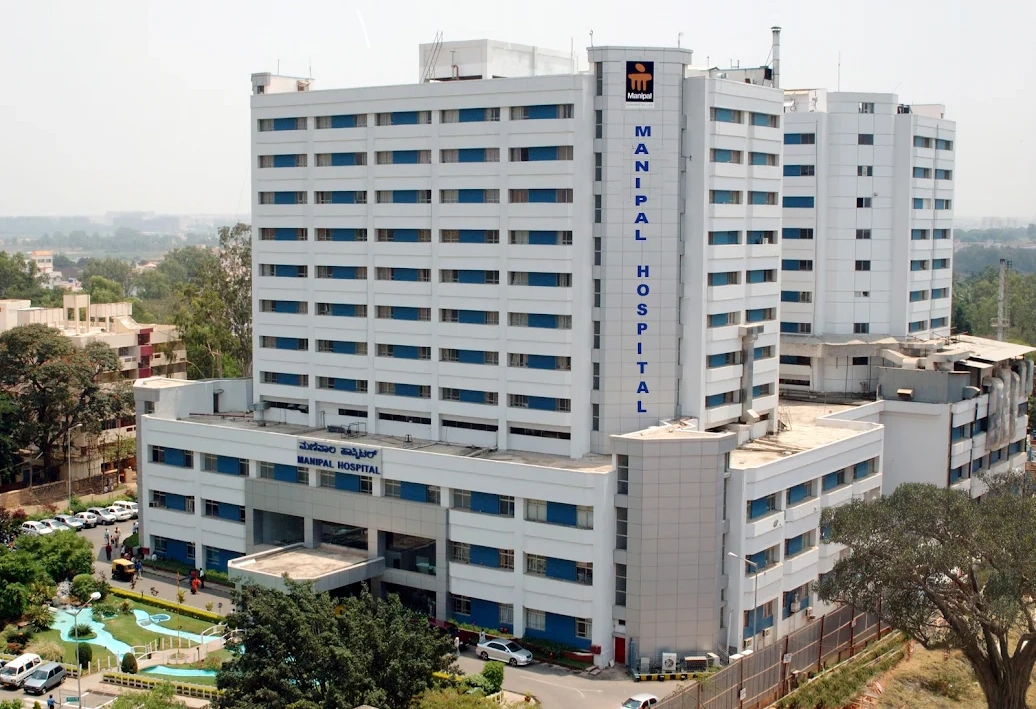
4. Manipal Hospitals

Manipal Hospitals form one of India’s biggest healthcare networks, and their cancer centers are well equipped to handle kidney cancer cases across all stages. The urology and oncology teams here regularly perform both radical and partial nephrectomies, with robotic and laparoscopic techniques used widely to minimize surgical trauma and speed up recovery. Diagnostic tools such as PET-CT, MRI, and nuclear medicine scans (like scintigraphy) are available on-site, allowing doctors to get a clear picture of tumor size, spread, and kidney function before moving forward with surgery or therapy.
When surgery isn’t enough, Manipal offers a full suite of systemic treatments for advanced kidney cancer, including targeted therapies, immunotherapy, and modern radiation options like IMRT and stereotactic radiosurgery. For international patients, what stands out is the coordinated approach: surgeons, oncologists, and nephrologists working together under one system, making it easier to move smoothly from diagnosis to treatment and into recovery without unnecessary delays.
Why Manipal Hospitals for Kidney Cancer Care:
- Multidisciplinary Tumor Boards that shape each treatment plan
- Robotic-assisted surgeries for cancers in hard-to-reach areas
- Dedicated pediatric oncology, play therapy, and emotional support services
Contact Information:
- Website: www.manipalhospitals.com
- Phone: 1800 102 5555
- Email: info@manipalhospitals.com
- Address: Manipal Health Enterprise Pvt Ltd. The Annexe, #98/2, Rustom Bagh, Off HAL Airport Road, Bengaluru – 560017
- Facebook: www.facebook.com/ManipalHospitalsIndia
- Instagram: www.instagram.com/manipalhospitals
- X (Twitter): x.com/ManipalHealth
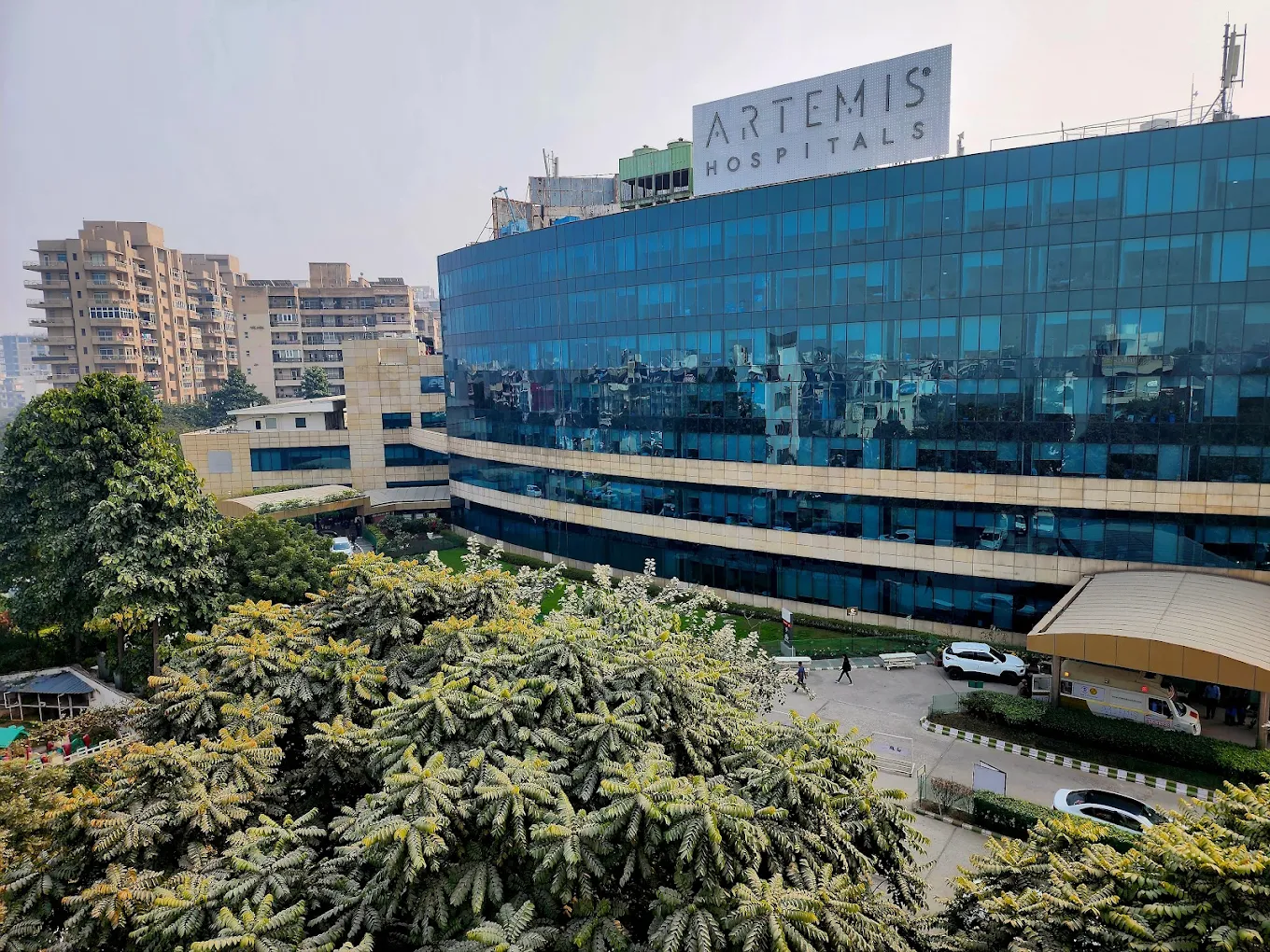
5. Artemis Hospital

At Artemis Health Institute in Gurgaon has quickly become one of India’s most recognized private hospitals, especially in oncology and urology. For kidney cancer patients, the hospital offers the full spectrum of care, from early diagnosis with PET-CT and MRI 3 Tesla to advanced surgical interventions. Artemis was the first hospital in India licensed to perform kidney transplants, and its urology team is skilled in both radical and partial nephrectomies, often using robotic or minimally invasive approaches to shorten recovery time and preserve kidney function whenever possible. The institute’s tumor boards bring together oncologists, surgeons, nephrologists, and radiologists to decide on the best strategy for each case, which helps international patients feel that every angle has been considered.
For advanced kidney cancer, Artemis provides targeted therapy, immunotherapy, and precision radiation treatments delivered on linear accelerators like Elekta Synergy and Trilogy Tx. With a cutting-edge treatment, Artemis has become a trusted destination for people traveling to India for kidney cancer treatment.
Why Artemis Hospital for Kidney Cancer Care:
- Full-spectrum cancer care under one roof: medical, surgical, and radiation oncology
- Robotic-assisted and minimally invasive surgeries for faster recovery
- Genetic testing and precision oncology for personalized treatment
Contact Information:
- Website: www.artemishospitals.com
- Phone: +91-124 4511 111
- Email: internationaldesk@artemishospitals.com
- Address: Artemis Hospital, Sector 51, Gurugram, Haryana-122001
- LinkedIn: www.linkedin.com/company/artemishospital
- Facebook: www.facebook.com/ArtemisHospitals
- Instagram: www.instagram.com/artemishospital
- X (Twitter): x.com/HospitalArtemis
Leading Kidney Cancer Expert in India

How to Start Treatment
At Experts Medical, we make the process as clear and simple as possible. Here’s how it works step by step:
Free consultation with a medical coordinator: The first step is to get in touch with our medical coordinator. This consultation is completely free and held in your native language, so everything is clear and comfortable from the start.
Collecting medical documents: You’ll share your medical records with us, discharge summaries, test results, and previous reports. These are essential for the doctors in India to accurately assess your case.
Consultation with oncologists in partner hospitals: We send your documents directly to top Indian cancer centers and arrange consultations with oncologists. Based on this, the doctors prepare:
• a personalized treatment plan
• an estimated cost breakdownReceiving your treatment plan: You’ll receive a clear outline of:
• which treatment methods are recommended
• how much it will cost
• how long the treatment will take
In short, starting treatment is as simple as contacting our coordinator. From the very first step, you’ll get a concrete plan and pricing without wasting time or money on unnecessary visits.
Wrapping It Up
Kidney cancer treatment in India isn’t just an affordable choice – it’s a smart one if you’re looking for expert care without the wait times or inflated bills. From surgery to newer therapies, the infrastructure’s in place, and the doctors are often world-class.
Start by researching your options, get a second opinion, and ask questions about everything from the type of surgery to what recovery will look like. Once you have clarity, it gets a lot easier to take the next step. India has the tools, the people, and the experience. The rest is about finding your fit.
Frequently Asked Questions (FAQ)
Do Indian hospitals perform nephron-sparing surgery (partial nephrectomy) for complex tumors?
Yes. Leading centers like Medanta, Artemis, and Manipal use advanced laparoscopic and robotic systems (Da Vinci) to perform partial nephrectomies, even for tumors in challenging locations, provided there is enough healthy kidney tissue to preserve.
Is HIPEC chemotherapy used in kidney cancer cases with peritoneal spread?
No, HIPEC is not standard for kidney cancer. It is mainly used in peritoneal malignancies such as ovarian or colorectal cancer. Kidney cancer patients with peritoneal spread are usually managed with systemic therapies.
Are cytoreductive nephrectomies still performed for stage IV kidney cancer in India?
Yes, but selectively. Top centers perform cytoreductive nephrectomy in patients with good performance status and limited metastases, especially if they are starting targeted therapy or immunotherapy.
How much does a kidney cancer biopsy and histology review cost in India?
A biopsy typically costs between $250 and $700, while a histology review ranges from $70 to $300, depending on the hospital and complexity.
What support does Experts Medical provide beyond connecting patients to hospitals?
We handle the entire process: translating and forwarding medical records, arranging consultations with Indian oncologists, providing cost estimates, and helping with logistics like visas, travel, and accommodation. Patients receive a clear treatment plan before they even fly to India.