





 Top Hospitals
 Cost of Treatment
 Leading Oncologists and GI Surgeons
 Experts Medical
 Success Rates of Treatment
- At the clinic's price without markups
- with full doctor support
Colon cancer is serious, but it's also one of the most treatable cancers when caught early. In India, patients have access to some of the most advanced and affordable care anywhere in the world. From robotic surgery to tailored chemotherapy plans, the treatment options here rival those in top hospitals abroad, often at a fraction of the cost. Globally, the 5-year survival rate for localized colon cancer is above 90%, while for advanced cases treated with modern therapies it ranges between 15% and 40%. In India, outcomes are steadily improving thanks to early diagnosis, access to targeted treatments, and experienced oncology teams. Whether you're weighing treatment for yourself or someone you love, understanding what’s available in India is a good place to start.
Success Rates of Colon Cancer Treatment in India
Overall outcomes: Large cancer registries show the 5 year survival rate for colon cancer in India at around 34 percent. That figure is lower than in high income countries, largely because many patients here are diagnosed only once the disease has already advanced. (PubMed, 2023)
Stage makes the difference: Earlier stage disease shows much stronger results. Localized colon cancer has about 61 percent 5 year survival, regional disease around 32 percent, and once the cancer has spread to distant organs, survival drops to about 9 percent . The gap really underlines why early detection changes everything. (PubMed, 2001)
Results from leading hospitals: When patients are treated in high volume centers with surgery plus modern adjuvant therapy, survival looks a lot better. One Indian study reported 3 year survival near 90 percent for stage I–II, and about 66 percent for stage III cases . Another cohort that received updated chemotherapy regimens reached 94 percent survival across stage II–III patients . These hospital level outcomes are much closer to international benchmarks. (Indian Journal of Cancer, 2019)
Advanced and metastatic disease: Once the cancer has spread, results are tougher. Most Indian studies note survival is about a year shorter than trial populations abroad, with less than 20 percent of metastatic patients alive at 5 years . Still, patients who can undergo surgery for limited metastases can do considerably better. (APOCP, 2023)
HIPEC and special cases: For those with cancer spread inside the abdomen, HIPEC (heated chemo delivered directly into the abdominal cavity) has opened new options. Not everyone qualifies, but at specialized Indian hospitals a subset of patients achieve long term control and in some cases remain recurrence free beyond 5 years. (JCO GO, 2024)
Why averages stay lower: Experts point out two main reasons: late presentation and uneven access to full multidisciplinary treatment. Nearly half of patients in India present with locally advanced disease, and another 20 percent already have metastases by the time of diagnosis . That reality pulls down the overall survival numbers. (CRST, 2023)
In short: When colon cancer is diagnosed early and managed at well equipped centers, Indian outcomes come close to what you’d expect internationally. The challenge is timing and access. Patients who get to a specialist team early, with surgery, chemo, and follow up care all lined up, tend to do far better than the national averages suggest.
Treatment Costs and Options in India: What’s Usually Involved
The way colon cancer is treated really depends on how far it’s spread. If it’s caught early, surgery alone might do the job. But once the cancer gets more aggressive or starts moving to nearby areas, the treatment plan becomes a bit more layered. Here’s a breakdown of what’s typically offered in India.
1. Surgery
Surgery is often the first step. It’s the go-to option for most patients, especially in the early stages. The idea is simple: take out the part of the colon that has the tumor, along with a bit of surrounding healthy tissue just to be safe.
In some cases, the surgeon may need to create a colostomy, which is basically an external opening for waste. Sometimes it’s temporary, sometimes it’s not – that depends on where the tumor is and how much of the colon is removed.
There are a few ways this surgery can be done:
- Laparoscopic colectomy: This is a minimally invasive option where small incisions and a camera are used instead of one big cut. Recovery tends to be faster.
- Robotic-assisted colon surgery: Similar idea, but with even more precision, thanks to robotic arms.
- Open colectomy: This is the traditional approach, often used when the tumor is large or in a tricky spot.
Estimated cost in India: $4,000–$7,500 depending on hospital and technique.
2. Chemotherapy
Chemo usually enters the picture if there’s a chance some cancer cells might’ve been left behind after surgery. In more advanced cases, it can be used beforehand to shrink the tumor so it’s easier to remove.
It’s typically given through an IV, but some medications come in pill form too. Treatment is done in cycles, a few weeks on, a few weeks off. and doctors adjust the plan depending on how your body responds. Yes, chemo comes with side effects like fatigue or nausea, but supportive care has come a long way in helping people manage them.
Estimated cost in India: $5,000–$12,000 per full course. One cycle may range from $500–1,200 depending on the drugs used.
3. Radiation Therapy
Radiation isn’t the first-line treatment for colon cancer like it is for some other cancers, but it’s still used in certain situations. If the tumor is large or has spread to nearby organs, radiation might be added to the mix, often alongside chemo. to help shrink it or keep it from coming back.
Estimated cost in India: $3,000–$6,000 for a standard course. CyberKnife or TrueBeam therapies are at the higher end.
4. Targeted Therapy and Immunotherapy
These are the newer kids on the block and are usually considered for Stage 4 patients or those with specific genetic mutations.
- Targeted therapy works by locking onto certain proteins in cancer cells and blocking their growth.
- Immunotherapy taps into your body’s own immune system and helps it recognize and fight the cancer more effectively.
Estimated cost in India: $1,200–2,000 per cycle for targeted therapy, and $2,000–4,000 per cycle for immunotherapy.
These treatments aren’t for everyone, but when they work, they can make a big difference.
5. HIPEC (Hyperthermic Intraperitoneal Chemotherapy)
This one sounds complex because it is, but it’s also a game-changer for certain patients. HIPEC is used when cancer has spread across the abdominal cavity.
Here’s how it works: after removing visible tumors through surgery, doctors pump heated chemotherapy directly into your abdomen. The heat helps the drugs work better, and because it’s localized, the side effects tend to be less intense than standard chemo. It’s usually only done at specialized centers, but India has several hospitals that offer it.
Estimated cost in India: $12,000–16,000
Estimated cost in India
- $4,000–$7,500Surgery
- $5,000–$12,000 per full courseChemotherapy
- $3,000–$6,000 for a standard courseRadiation Therapy
- $1,200–2,000 per cycleTargeted Therapy
- $2,000–4,000 per cycleImmunotherapy
- $12,000–16,000HIPEC (Hyperthermic Intraperitoneal Chemotherapy)

At Experts Medical, our mission is simple: we help people get the right treatment abroad, without the overwhelm. If you’re facing a serious diagnosis like cancer, a complex surgery, or even just looking for a second opinion from a top specialist, we’re here to guide you through every step of the process.
We don’t charge patients for our services. That’s because we work directly with over 100 trusted clinics around the world, so our role is to represent your interests, not add to your bill. You pay the hospital directly, and we make sure everything in between is smooth and stress-free.
Here’s how we usually work:
- We start by understanding your medical case: We’ll review your test results, reports, and any existing diagnosis. From there, we prepare your documents for international clinics, making sure they’re accurate and ready for review by doctors abroad.
- We help you choose the right specialist: Not all doctors are the same, and finding the one with the exact experience you need can make a huge difference. We work with medical commissions to match you with someone who specializes in your condition, and we also factor in your language, travel comfort, and timing.
- We organize everything for your trip: Once the treatment plan is ready, we take care of the logistics: appointment scheduling, visa help, booking tickets, accommodation, and even a translator if needed. You don’t have to figure it out on your own.
- We stay in touch, always: Whether it’s day one of your journey or weeks after your return home, we’re here. Need help with an invoice, rescheduling a follow-up, or just reassurance about a post-op symptom? You’ll always have someone to call or message.
We’ve supported more than 12,000 patients from all over the world, children and adults, common conditions and rare diagnoses. Some came to us for a simple consultation, others for life-saving treatments. And we’ve seen firsthand how the right care, in the right place, can change everything.
Top Hospitals in India for Colon Cancer Treatment

1. Fortis Healthcare

Fortis Healthcare is one of India’s leading hospital networks, and its Gurgaon flagship is especially recognized for gastrointestinal oncology. For colon cancer, the teams here use minimally invasive and robotic surgery alongside modern chemotherapy and radiation. In advanced cases, Fortis also offers HIPEC (hyperthermic intraperitoneal chemotherapy), a specialized option for peritoneal spread. Multidisciplinary tumor boards review each case to build tailored treatment plans.
The hospital also pays close attention to supportive care. Patients have access to specialized oncology nursing, stoma care, nutritional counseling, and genetic testing when needed. This integration of advanced treatments with everyday support has made Fortis a trusted center for both local and international colon cancer patients.
Colon Cancer Treatment Services at Fortis:
- Laparoscopic and open colectomy surgeries performed by GI oncology specialists
- HIPEC available for patients with peritoneal spread from colon cancer
- Precision diagnostics including genetic profiling and tumor marker testing
Why Fortis Stands Out for Colon Cancer Care:
- Dedicated colorectal cancer teams with multidisciplinary case reviews
- Oncology ICUs and post-op care tailored for high-risk GI cancer patients
- Personalized treatment paths based on tumor biology and patient needs
Contact Information:
- Website: www.fortishealthcare.com
- Phone: +91-124 4921021
- Email: reachus@fortishealthcare.com
- Address: Tower A, Unitech Business Park, Block – F, South City 1, Sector – 41, Gurgaon, Haryana – 122001
- Facebook: www.facebook.com/fortishealth
- Instagram: www.instagram.com/fortis.healthcare
- X (Twitter): x.com/fortis_hospital
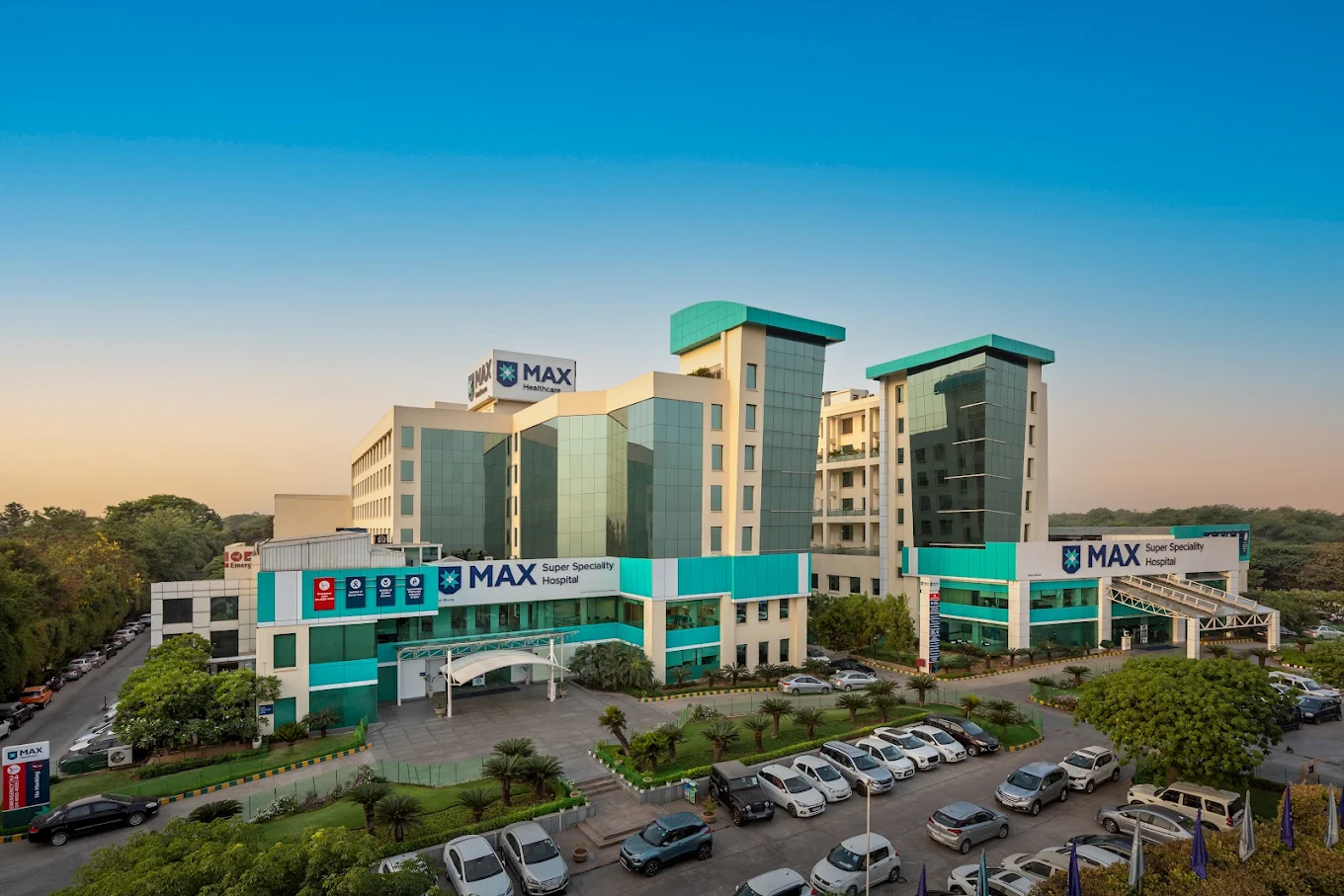
2. Max Healthcare

Max Healthcare runs one of India’s largest networks of cancer centers, and its Delhi facilities are especially known for gastrointestinal oncology. Colon cancer patients here have access to robotic colectomy using the Da Vinci Xi platform, advanced radiation like Novalis Tx with IMRT/IGRT, and intraperitoneal chemotherapy (HIPEC) for cases where the disease spreads in the abdomen. Every patient’s case is discussed in multidisciplinary tumor boards so that surgeons, oncologists, and radiologists can align on the best approach.
The hospital combines technology with supportive programs that matter in day-to-day recovery.. With its blend of precision surgery, modern radiation, and attentive follow-up, Max has become a go-to choice for colon cancer patients from both India and abroad.
Colon Cancer Treatments at Max:
- Robotic colectomy using the Da Vinci XI platform
- HIPEC for abdominal spread in late-stage cases
- Novalis Tx with IMRT/IGRT for highly targeted radiation
Why Max Stands Out for Colon Cancer Care:
- Integrated care from colorectal surgeons, medical oncologists, and radiologists
- Emphasis on preserving function and reducing recovery time
- Specialized programs for GI cancers across multiple locations
Contact Information:
- Website: www.maxhealthcare.in
- Phone: +91 926 888 0303
- Email: int.query@maxhealthcare.com
- Address: Max Super Speciality Hospital, No. 1, 2, Press Enclave Road, Mandir Marg, Saket Institutional Area, Saket, New Delhi, Delhi, 110017, India
- LinkedIn: www.linkedin.com/company/max-healthcare
- Facebook: www.facebook.com/MaxHealthcareHospitals
- Instagram: www.instagram.com/max.healthcare
- X (Twitter): x.com/MaxHealthcare

3. Medanta Hospital

Medanta in Gurgaon is one of India’s largest private hospitals, with a dedicated Institute of Oncology that takes a multidisciplinary approach to cancers of the digestive system, including colon cancer. The team brings together surgical oncologists, gastroenterologists, radiologists, and pathologists to plan treatment tailored to each patient. For early-stage colon cancer, surgeons often use minimally invasive or robotic-assisted colectomy, while advanced cases may involve a combination of surgery, chemotherapy, and radiation.
What sets Medanta apart is its use of advanced technologies like tomotherapy, CyberKnife radiosurgery, and high-precision imaging with 3-Tesla MRI and PET-CT scans. For patients with peritoneal spread, the hospital also offers HIPEC, a specialized heated chemotherapy technique delivered directly to the abdomen.
Colon Cancer Treatments at Medanta Hospital:
- Minimally invasive colon and rectal cancer surgeries using robotic assistance
- Multidisciplinary tumor board evaluations for personalized treatment planning
- Access to clinical trials and precision oncology for complex or recurrent cases
Why Medanta Stands Out for Colon Cancer Care:
- Robotic surgical platforms for colorectal oncology
- High-precision radiation therapies for localized or advanced disease
- Modern imaging tools for staging and post-treatment monitoring
Contact Information:
- Website: www.medanta.org
- Phone: +91-880-000-1068
- Email: info@medanta.org
- Address: CH Baktawar Singh Road, Sector 38, Gurugram, Haryana 122001
- Facebook: www.facebook.com/medanta
- Instagram: www.instagram.com/medanta
- X (Twitter): x.com/medanta
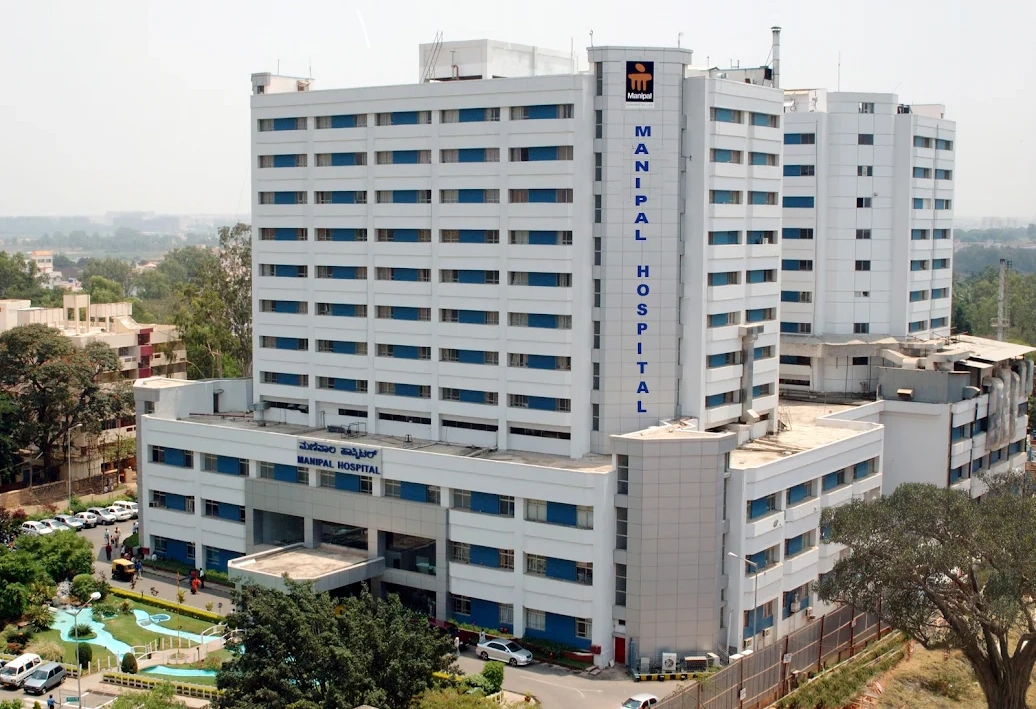
4. Manipal Hospital

Manipal Hospital in Bangalore is part of one of India’s most trusted healthcare networks, known for combining advanced technology with broad clinical expertise. Its oncology department treats colon cancer across all stages, using minimally invasive and robotic surgery, chemotherapy, and modern radiation therapies. The hospital’s tumor boards review complex cases, ensuring each treatment plan is shaped by input from specialists in surgery, oncology, radiology, and pathology.
Manipal is also recognized for adopting newer methods like targeted therapies and immunotherapy when suitable, along with other supportive treatments.
Colon Cancer Treatments at Manipal:
- Robotic surgeries for colorectal cancers
- At-home and short-stay chemotherapy sessions
- Multi-specialist tumor boards for individualized care
Why Manipal Stands Out for Colon Cancer Care:
- Targeted radiation techniques like VMAT and SBRT
- Image-guided and intensity-modulated radiotherapy
- Central lines and ports for safer, long-term treatment access
Contact Information:
- Website: www.manipalhospitals.com
- Phone: 1800 102 5555
- Email: info@manipalhospitals.com
- Address: Manipal Health Enterprise Pvt Ltd. The Annexe, #98/2, Rustom Bagh, Off HAL Airport Road, Bengaluru – 560017
- Facebook: www.facebook.com/ManipalHospitalsIndia
- Instagram: www.instagram.com/manipalhospitals
- X (Twitter): x.com/ManipalHealth
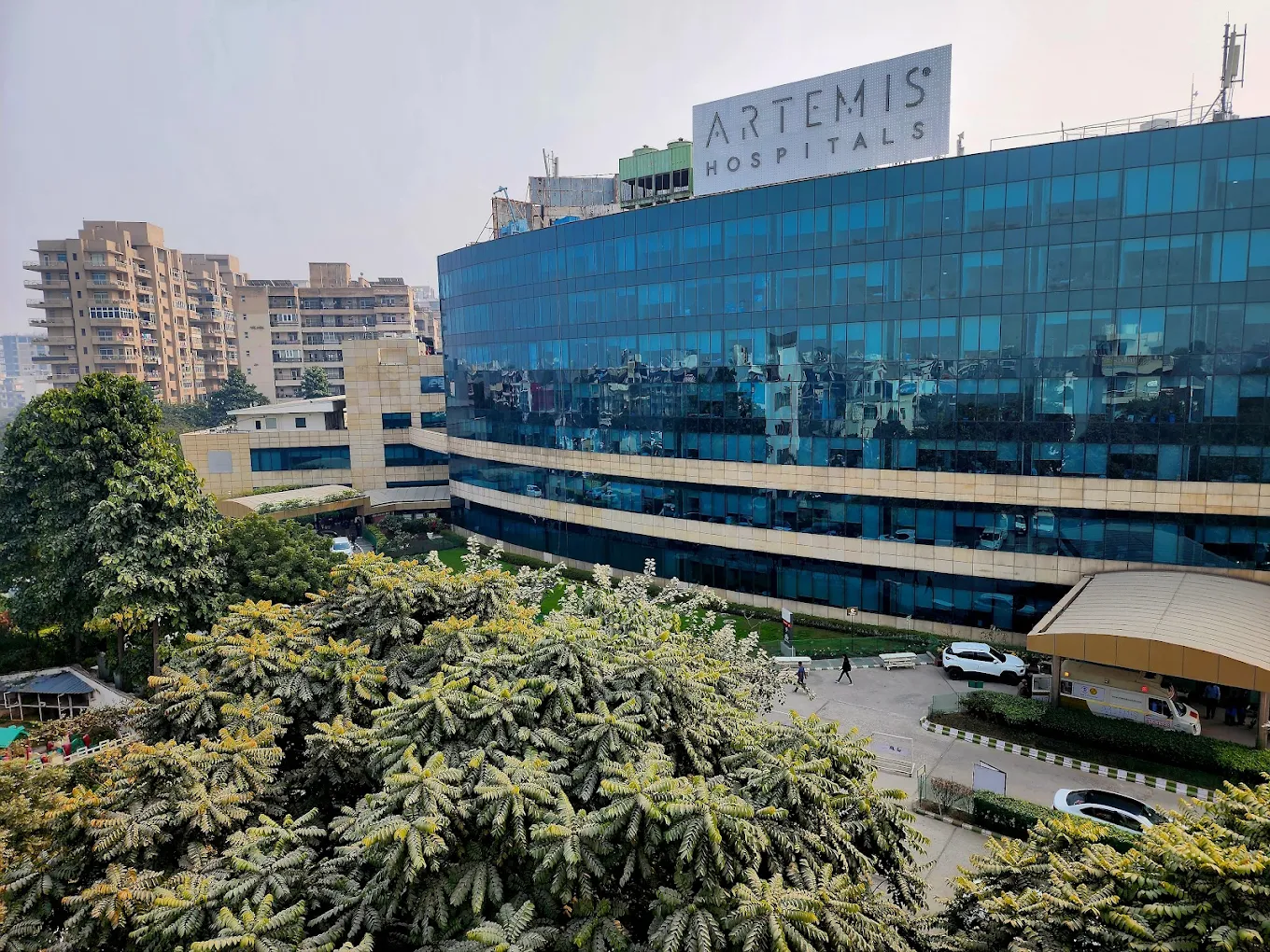
5. Artemis Health Institute

Artemis Health Institute in Gurgaon is one of India’s most advanced hospitals, known for its strong oncology program and use of cutting-edge diagnostic tools. For colon cancer, the hospital offers a full range of care, starting with detailed imaging through PET-CT, MRI, and advanced molecular testing to guide treatment choices. Minimally invasive and robotic surgeries are standard options here, which help patients recover faster and reduce complications compared to traditional approaches.
The cancer center also integrates chemotherapy, radiation therapy with linear accelerators, and targeted treatments for patients with specific genetic markers. For complex or advanced cases, a tumor board reviews each patient’s plan, drawing on input from surgeons, oncologists, radiologists, and pathologists. International patients often choose Artemis because of its focus on personalized care, smooth coordination, and supportive services like rehabilitation and second-opinion access.
Colon Cancer Treatments at Artemis Health Institute:
- Robotic and minimally invasive surgeries aimed at faster recovery with fewer complications
- Personalized chemotherapy, immunotherapy, and targeted drug treatments
- High-precision radiation options like IMRT, IGRT, and brachytherapy
Why Artemis Stands Out for Colon Cancer Care:
- Cutting-edge treatments used thoughtfully, not just because they’re new
- A calm, organized environment where patients don’t feel rushed or overwhelmed
- Focus on treating the whole person, not just the tumor
Contact Information:
- Website: www.artemishospitals.com
- Phone: +91-124 4511 111
- Email: internationaldesk@artemishospitals.com
- Address: Artemis Hospital, Sector 51, Gurugram, Haryana-122001
- LinkedIn: www.linkedin.com/company/artemishospital
- Facebook: www.facebook.com/ArtemisHospitals
- Instagram: www.instagram.com/artemishospital
- X (Twitter): x.com/HospitalArtemis
Leading Oncologists and GI Surgeons



What to Expect During Colon Cancer Treatment in India
- Step 1. Initial Contact and Document Review
The journey begins when patients share their medical history, reports, and test results with us. We forward these documents to leading hospitals, collect treatment plans and cost estimates, and present them to the patient. If the condition remains unchanged, both the plan and price remain valid without revision.
- Step 2. Choosing the Hospital and Online Consultation
Once the patient selects a hospital, we arrange an online consultation with the oncologist, often free of charge. If a visa is required, our team helps with the application and supporting documents.
- Step 3. Travel Preparation
We organize flights, airport transfers, nearby accommodation, and, if needed, an interpreter. This ensures the patient can focus on treatment rather than logistics.
- Step 4. Diagnostics in India
Even if tests have been done earlier, hospitals usually repeat or update scans such as MRI, CT, PET-CT, or colonoscopy. On average, this stage takes about 5 days. The results are reviewed at a multidisciplinary tumor board, which defines the exact treatment strategy.
- Step 5. Active Treatment
Surgery: If surgery alone is required, the stay in India typically lasts 7–10 days, including preparation and early recovery.
Chemotherapy: Each cycle usually spans about a month. Patients may complete part of the treatment in India and continue with medicines at home under guidance. Follow-up scans or visits are scheduled every 3 months.
Radiation therapy: For colon or rectal cancers requiring radiation, a standard course includes around 30 daily sessions, lasting about a month.
Targeted therapy and genetic testing: Genetic profiling for targeted drugs takes about 2 weeks. While awaiting results, supportive treatment may begin.
- Step 6. Recovery and Follow-Up
After surgery or treatment cycles, patients often remain nearby for monitoring before traveling home. Once discharged, ongoing communication continues through online consultations. We stay in touch after the patient returns home, assisting with treatment updates, scan reviews, and further medical advice.
In practice, treatment in India can take from a week (surgery only) to several months (combined chemotherapy, radiation, and advanced therapies). Each patient receives a detailed schedule in advance, making it easier to plan travel, recovery, and next steps.
Final Thoughts
Colon cancer is serious, but there are more options today than ever before. India offers a mix of affordability, experience, and cutting-edge care that’s hard to match. Whether you’re looking for standard treatment or advanced therapies like robotic surgery or HIPEC, there’s a path forward.
If you’re exploring treatment in India, take your time, research hospitals and doctors, and don’t hesitate to ask questions. The right care team can make a world of difference, not just for survival, but for your quality of life during and after treatment.
Frequently Asked Questions (FAQ)
Can stage 4 colon cancer be treated with surgery in India, or is it usually non-surgical?
In advanced cases, surgery is considered only if the tumor is resectable or if removing it will relieve complications like obstruction or bleeding. Otherwise, systemic therapies such as chemotherapy, targeted drugs, or immunotherapy are prioritized.
How do Indian hospitals decide between targeted therapy and immunotherapy for advanced colon cancer?
Decisions are based on molecular testing. Genetic mutations such as KRAS, NRAS, BRAF, or MSI status help doctors choose between targeted agents (like anti-EGFR or VEGF inhibitors) and immunotherapy.
Is HIPEC available for colon cancer patients with peritoneal spread?
Yes, several centers in India perform HIPEC (Hyperthermic Intraperitoneal Chemotherapy). It is considered for selected patients with peritoneal metastases after cytoreductive surgery.
How do doctors in India monitor treatment response in advanced colon cancer?
Regular imaging (CT, MRI, or PET-CT) and tumor marker blood tests like CEA are used every few months to track progress and adjust therapy.
Are genetic and biomarker tests for colon cancer done locally in India or sent abroad?
Most advanced oncology hospitals in India conduct these tests in-house, but rare or highly specialized genetic panels may be outsourced to international labs.