






 Best clinics
 Cost of stem cell therapy
 Reviews from the Scientific Community
 When will the results be noticeable?
 If autism is not treated
- At the clinic's price without markups
- with full doctor support
How Does Cell Therapy Work in Autism?
 According to data published on the portal A Closer Look at Stem Cell Treatments (an ISSCR resource for patients), stem cells may influence children with autism in the following ways:
- Some scientific studies suggest that autism may be linked to inflammatory processes in the brain. Stem cells can help reduce inflammation and support the proper functioning of the nervous system.
- They release bioactive substances that strengthen neural tissue and enhance the formation of new neuronal connections.
- Cell therapy improves the delivery of oxygen and essential nutrients to the brain, which in turn has a positive effect on overall body functions.
Stem cell therapy can be considered from the age of 2.5 years, based on the child’s clinical profile and the recommendations of a neurologist and pediatrician. The earlier the treatment begins, the better, as the young brain has a greater capacity for recovery.
What Is the Cost of Stem Cell Therapy for Autism?
The exact cost of stem cell therapy for autism varies considerably, depending on factors such as the type of cells used, the number of injections, and the severity of the condition. In Turkey, the cost of stem cell treatment for autism starts at around $15,000 (comprehensive service package).
Experts Medical offers preliminary consultations with Turkish specialists in neurology and cell therapy. This allows for an accurate calculation of the treatment cost for each child with autism. Families can also be assisted in arranging an “all-inclusive” trip to a Turkish clinic. For more details, contact us via chat or request a callback.
How much does stem cell therapy for autism cost in Turkey, the United States, and European countries?
How much does stem cell therapy for autism cost in Turkey, the United States, and European countries?
|
Location |
Average Cost |
Approximate Price Difference |
|
Istanbul, Turkey |
$10,000 – $15,500 |
|
|
New York / Washington (USA) |
from $30,000 |
about 50% higher |
|
Berlin, Germany |
from €25,000 |
about 30% higher |
|
London, United Kingdom |
from £30,000 |
about 30–40% higher |
A brief overview of the benefits and advantages of undergoing autism stem cell therapy in Turkey:
- The cost of treatment in Istanbul is 2–4 times lower compared to major cities in the United States or Western Europe. This makes advanced stem cell therapies accessible to a wider range of patients.
- Private clinics generally offer comprehensive packages that include not only the therapy itself but also additional services such as accommodation, transfers, and interpreting support, helping patients avoid extra expenses.
- Modern hospitals provide not only the procedure itself but also a full range of supporting medical services, including consultations with specialists, advanced diagnostic testing, and rehabilitation programs.
The Best Clinics for Autism Treatment with Stem Cells in Turkey
The Best Clinics for Autism Treatment with Stem Cells in Turkey
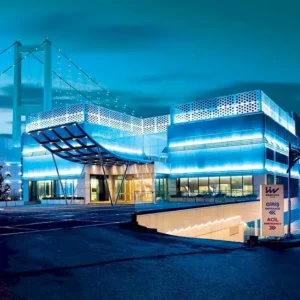 Liv Hospital Ulus
Liv Hospital Ulus is one of the leading centers for autism stem cell therapy. The clinic is renowned for its innovative approach to researching and developing effective treatments for neurological disorders. The hospital has its own research units, allowing it to rapidly test and implement new medical protocols.
Treatment features at Liv
✔️ At Liv Hospital, some neurological conditions, including ASD, are treated using a combined therapeutic approach. This includes the use of a hyperbaric oxygen chamber — a specially designed capsule where air pressure is significantly higher than normal. Inside the chamber, patients breathe pure oxygen delivered under high pressure.
How does it work?
When a patient breathes inside the chamber, their blood absorbs much higher levels of oxygen than usual. This additional oxygen reaches all tissues and organs, including the brain. Higher oxygen saturation in the brain is believed to provide several benefits, such as creating a favorable environment for the survival and function of transplanted stem cells. In some cases, it may also support the brain in repairing damaged areas.
It is important to understand that in this therapy, hyperbaric oxygen is not used as a standalone treatment, but as part of a comprehensive protocol aimed at maximizing the effectiveness of the main therapy prescribed by the physician.
✔️ Patients at Liv may also receive immunomodulatory support. This involves regulating immune system function through specialized medications that help balance immunity and reduce inflammation.
✔️ For a holistic approach to ASD, the hospital also incorporates neuromodulation and advanced physiotherapy — methods that influence nervous system activity to enhance function.
Most frequently used methods include:
- Transcranial magnetic stimulation (TMS) – a non-invasive procedure that uses magnetic impulses to stimulate brain activity and improve function;
- Transcranial direct current stimulation (tDCS) – a method where low-intensity direct current is applied via electrodes to increase the brain’s receptiveness to therapy;
- Neurofeedback (EEG biofeedback) – a technique that trains patients to regulate their brain activity using real-time feedback, improving concentration and self-regulation.
Liv Hospital applies different methods of stem cell delivery. In addition to standard intravenous administration, doctors may use intrathecal injection (into the spinal canal) or intranasal spray (via the nasal cavity).
The choice of method depends on the diagnosis and treatment goals, ensuring stem cells are delivered precisely to the affected areas.
At Liv Hospital, patients always receive:
- personalized treatment plans tailored to each child following detailed diagnostics;
- all necessary examinations performed on cutting-edge equipment within the hospital, without requiring visits to other facilities;
- unique therapeutic approaches unavailable at other clinics;
- cell therapy using mesenchymal stem cells;
- comfortable conditions for children of all ages and their parents. The staff has extensive experience working with autistic children, helping to make the process less stressful.
Among Liv Ulus’s most in-demand specialists are Professor Bülent Karakaş, a pediatric neurologist specializing in child development, who conducts thorough assessments to determine suitability for stem cell therapy, and Professor Erkut Erol, head of the neurosurgery department, responsible for administering stem cell procedures.
Clinic address: Ulus Mahallesi, Canan Sokak, No: 7, 34340 Beşiktaş/İstanbul.
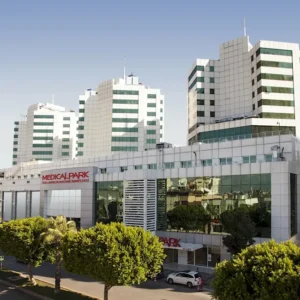 Medical Park
Medical Park Antalya Hospital is one of the largest healthcare centers in the region. International patients receive specialized care in neurology and autism treatment across all age groups. The hospital is renowned for its advanced technologies and JCI (Joint Commission International) accreditation.
Before initiating stem cell therapy, patients undergo comprehensive neurological evaluation and genetic testing to develop an individualized treatment plan.
The clinic employs highly experienced specialists engaged in comprehensive diagnostics and autism therapy. Professor Bülent Ezer is a leading hematologist specializing in stem cell therapies, while Dr. Fehim Arman is a distinguished neurologist providing precise diagnostic expertise.
With an integrated approach that combines stem cell administration with additional therapeutic modalities, international patients at Medical Park benefit from significant advantages. This strategy not only enhances the efficacy of stem cell treatment but also improves key symptoms, including social adaptation, speech and cognitive skills, and reduction of stereotypical behaviors. Importantly, this personalized care is offered within a single comprehensive medical package, making treatment both convenient and accessible.
An Experts Medical coordinating physician will assist in arranging your trip to Medical Park, located at Fener Mahallesi, Tekelioglu Caddesi, No: 7, 07230 Muratpasa/Antalya.
Comparative table: what happens to a child if autism is treated versus untreated
Comparative table: what happens to a child if autism is treated versus untreated
|
Criterion |
Without treatment |
With stem cell therapy |
|
Irritability/Affective symptoms |
Often persist or intensify |
Become milder, child is calmer |
|
Social reciprocity |
Absent or very limited |
Increased interest in communication |
|
Eye contact |
Rare or absent |
Begins to maintain eye contact more frequently |
|
Expressive speech |
Delayed or absent speech |
Emergence of new words and phrases |
|
Receptive speech (understanding) |
Poor comprehension of instructions |
Improved response to requests and interaction |
|
Stereotypies/Repetitive behaviors |
Frequently persist |
Less pronounced |
|
Sensory sensitivity |
Marked hyper- or hyposensitivity |
Calmer responses to sound, light, touch |
|
Sleep |
Insomnia, frequent awakenings |
Sleep becomes deeper and more regular |
|
Anxiety |
High anxiety, panic reactions |
Calmer and more confident behavior |
|
Attention/Hyperactivity |
Inability to concentrate, constant activity |
Improved concentration, greater ability to sit still |
|
Self-care skills |
Acquired very slowly |
Learns everyday tasks more quickly |
|
Learning speed/Cognition |
Limited progress |
Improved learning ability and information processing |
|
Communication |
Significant difficulties in interaction |
More attempts at interaction and use of speech/gestures |
|
Gastrointestinal symptoms |
Frequent digestive problems |
Improved appetite and gastrointestinal function |
|
Seizure susceptibility |
Seizures may occur in comorbid cases |
More stable condition, fewer episodes |
What are the scientific community’s views on stem cell therapy for autism?
What are the scientific community’s views on stem cell therapy for autism?
 The medical journal Frontiers in Pediatrics published findings confirming the potential of cell therapy in certain neurological conditions. Research demonstrated that stem cell treatment is both safe and effective for children with autism spectrum disorder (ASD). Scientists observed that many patients experienced marked improvements after therapy, including better behaviour, enhanced social engagement, improved attention span, and stronger communication skills. These benefits are linked to the ability of stem cells to help restore damaged neuronal connections.
Another study, presented in PubMed Central (a biomedical and life sciences database of the U.S. National Institutes of Health), provided further evidence. It was shown that transplantation of autologous (patient’s own) mononuclear cells in combination with neurorehabilitation produced substantial improvements in children with ASD. Significant progress was documented on the Indian Scale for Assessment of Autism (ISAA) and the Childhood Autism Rating Scale (CARS) in the following areas:
- eye contact;
- attention span;
- social interaction;
- management of aggression and tantrums;
- speech quality.
Where do stem cells for ASD therapy come from?
Stem cells used for transplantation are obtained from rigorously screened healthy donors. Donors undergo comprehensive evaluation against multiple criteria to ensure patient safety and the highest quality of material. Once collected, the cells are stored in cryobanks—specialised facilities that preserve them at extremely low temperatures. This approach maintains their viability for long periods. As a result, the cells are ready for infusion as soon as the patient arrives at the clinic, allowing treatment to start without delay.
Potential sources of stem cells and the key aspects of their clinical use:
|
Source |
Characteristics |
Advantages |
Limitations |
|
Umbilical cord blood |
Cells are collected from the umbilical vein immediately after birth. Both autologous (self) and donor-derived cells can be used. |
Collection requires no surgical intervention, ensures high compatibility when using the child’s own cells, and reduces the risk of rejection. |
A one-time opportunity available only at delivery; long-term storage in cell banks may be costly. |
|
Bone marrow |
Cells are harvested from the pelvic bone under general anaesthesia. |
Contains a high concentration of stem cells and allows repeated collections when needed. |
An invasive procedure requiring hospitalisation and anaesthesia. |
|
Adipose tissue |
Cells are extracted from fat deposits using liposuction. |
Provides a large number of cells, is technically less complex than bone marrow harvesting, and can be repeated. |
Still invasive and carries risks associated with liposuction. |
How stem cell infusion is performed in children
 Physicians first calculate the required stem cell dose based on the child’s body weight. Typically, this amounts to 1–2 million cells per kilogram. For instance, a patient weighing 30 kg would require between 30 and 60 million cells.
The infusion process resembles the administration of an intravenous drip.
Prior to treatment, the child undergoes a thorough medical assessment to determine the precise dosage and to design an individualised treatment plan. Stem cells are then administered intravenously through a catheter, much like a standard solution. The procedure usually lasts between 30 and 80 minutes. During this time, the child may sit comfortably, watch cartoons, or play. In special cases, physicians may use sedation (a medically supervised calming effect achieved through specific medications), subject to parental consent.
Will the procedure be difficult for the child?
No, children do not experience significant discomfort. The only unpleasant moment is the placement of the catheter, which is similar to a blood draw. After that, the child does not feel pain, as the cells are administered very slowly. The entire process is carried out in a calm environment so that both the patient and the parents feel comfortable.
When will the results of the therapy become noticeable?
When will the results of the therapy become noticeable?
 The first positive changes can often be seen within 1–3 months after stem cell infusion, although the timeline varies from patient to patient.
According to parents’ feedback, the first noticeable improvements are better sleep patterns. Episodes of anger and stereotypical behaviours become milder, while attention span increases and understanding of adult speech improves.
The maximum effect is usually achieved within 6–18 months. Outcomes are more effective when stem cell therapy is combined with tailored interventions such as physiotherapy, speech therapy, occupational therapy, and other approaches.
Is a repeat procedure performed after 18 months?
In most cases, one cycle of stem cell administration is carried out, with results monitored over 12–18 months. In clinical practice, repeat (booster) procedures are sometimes performed for children. This is considered if the effect of the initial treatment reaches a plateau (stops progressing) or decreases over time.
According to published research and the clinical experience of specialised centres, stem cell therapy is safe, and there are no strict limitations on the number of treatment courses.
How to find the right clinic in Turkey and arrange autism treatment?
To undergo effective stem cell treatment for autism, simply submit a request on this page. A certified Experts Medical coordinator will help select the appropriate hospital and provide full support throughout the process. We guarantee high-quality medical care, safety, and comfort for your family. Our services are entirely free of charge for patients, as we act as the official representatives of the clinics.
What Experts Medical offers you:
- Trusted specialists and leading medical centres. We partner with hospitals accredited by JCI, ensuring compliance with the highest international standards of safety and quality of care.
- Organisation of an online consultation with a Turkish professor so you can discuss every detail. We prepare and translate your medical records and forward them to the chosen clinic.
- Transparent cost estimates to avoid unexpected expenses. Our services are free of charge, and we guarantee clear and honest financial arrangements with the clinic—no hidden fees or unnecessary additional charges.
- Upon arrival in Turkey, you will be met by a personal transfer. Throughout the treatment, a Russian-speaking coordinator and medical interpreter will stay in close contact with you, ensuring clear communication and attentive support down to the smallest detail.
- We assist with visas, flight tickets, and hotel bookings. Any questions our patients may have are handled promptly and efficiently.
The Experts Medical team understands the importance of a personalised approach to children with autism. That is why our specialists will carefully work to ensure the best possible conditions for you.